
The ultimate South Island road trip itinerary (New Zealand)
This post includes some affiliate links and I earn a small commission if you book through them. This helps keep this site running and lets me keep writing ultra-detailed travel guides that are free for you to use to plan your next adventure. Read more in my privacy policy.
This might be a big call, but the South Island truly is the perfect road trip destination. And you might think I’m biased because I’m a Kiwi, but even if I wasn’t from New Zealand I’d come to the exact same conclusion!
It’s compact enough to loop all the best bits in a month but packed with enough diversity to fill three, you can go from glaciers to rainforests to golden beaches along some of the most scenic roads on the planet, and you can split your time between icons that live up to the hype plus lesser-known regional gems that’ll impress you even more.
The trickiest part? Planning a driveable route that actually does it all justice.
That’s exactly why I’ve written this ultimate South Island road trip itinerary, and I don’t use the term ‘ultimate’ lightly.
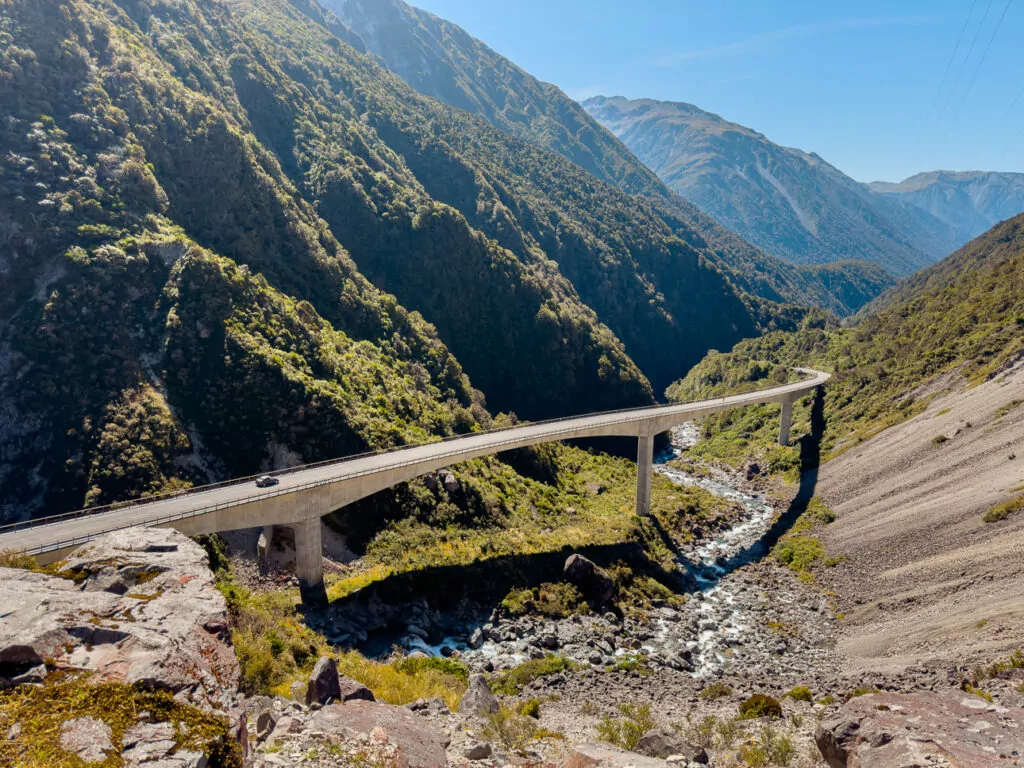
I’ve done more New Zealand road trips than I can count, in campers and cars, in summer heat and winter frosts, solo and with travel buddies, from regional deep dives to full laps of the island, and I’ve made all the rookie mistakes so you don’t have to.
This itinerary has been crafted from years of my own South Island exploring, I’ve tested every single segment myself at least once (mostly way more) and refined them into a logical loop that covers practically everywhere you’d want to go, with a couple of simple side quests to add on if they tickle your fancy.
Full disclosure though: this is a not a whirlwind highlight reel that you can cram into 10-14 days. It’s a full South Island loop that’s optimised for four weeks or longer, crafted specifically for travellers who want to see the heavy hitters without feeling rushed but also have time to discover corners of the country that most visitors miss, with more than 3000km of ground covered in a realistic and efficient route without backtracking. Phew!
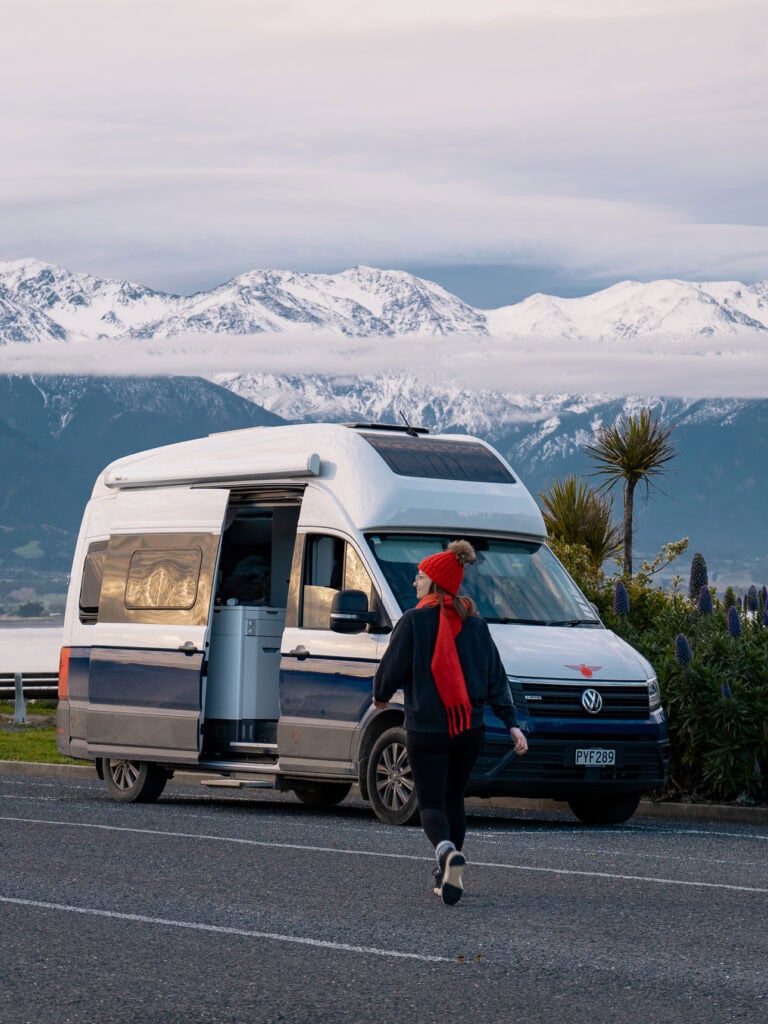
What you’ll find in this guide:
- How to get from each destination to the next plus what to see along the way
- Destination-by-destination breakdowns with key experiences to prioritise
- Ideal and minimum stay lengths for every stop
- Pacing guides for 4, 6 and 8-week trips
- Practical tips for when to go, what to book in advance, budgeting and staying safe
Whether you have a month or a year to tackle the beautiful Te Waipounamu (the South Island), this road trip is guaranteed to be one you’ll never forget ⛰️
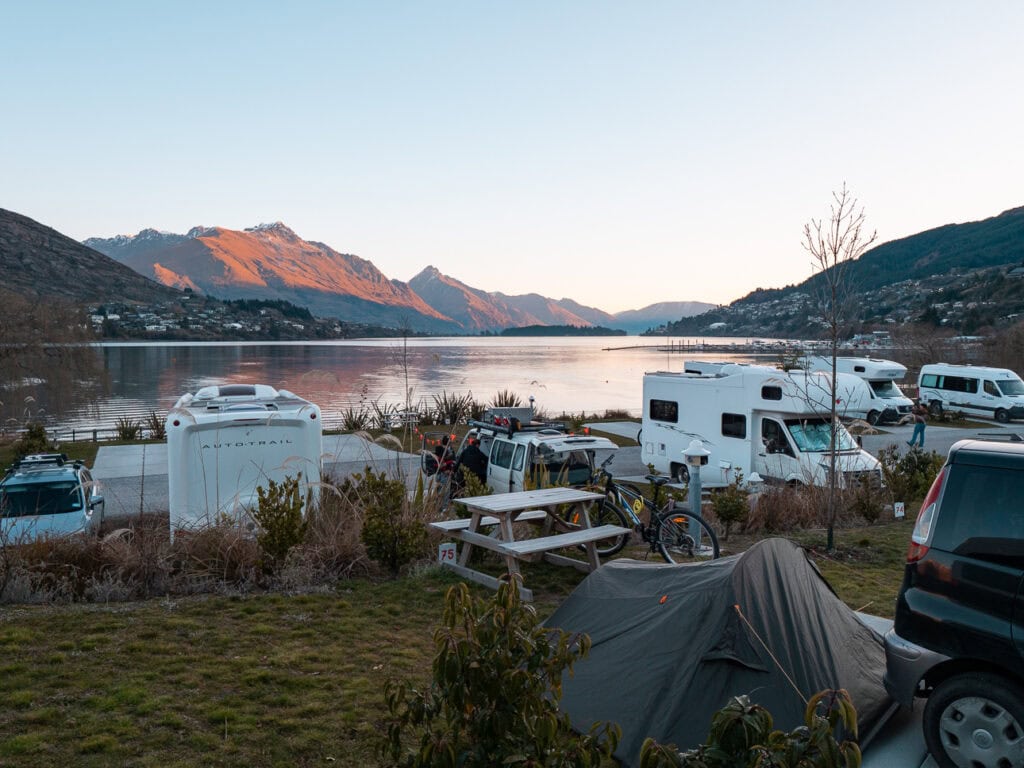
Table of contents:
South Island road trip overview
This is the ultimate South Island road trip for travellers who want to see it all.
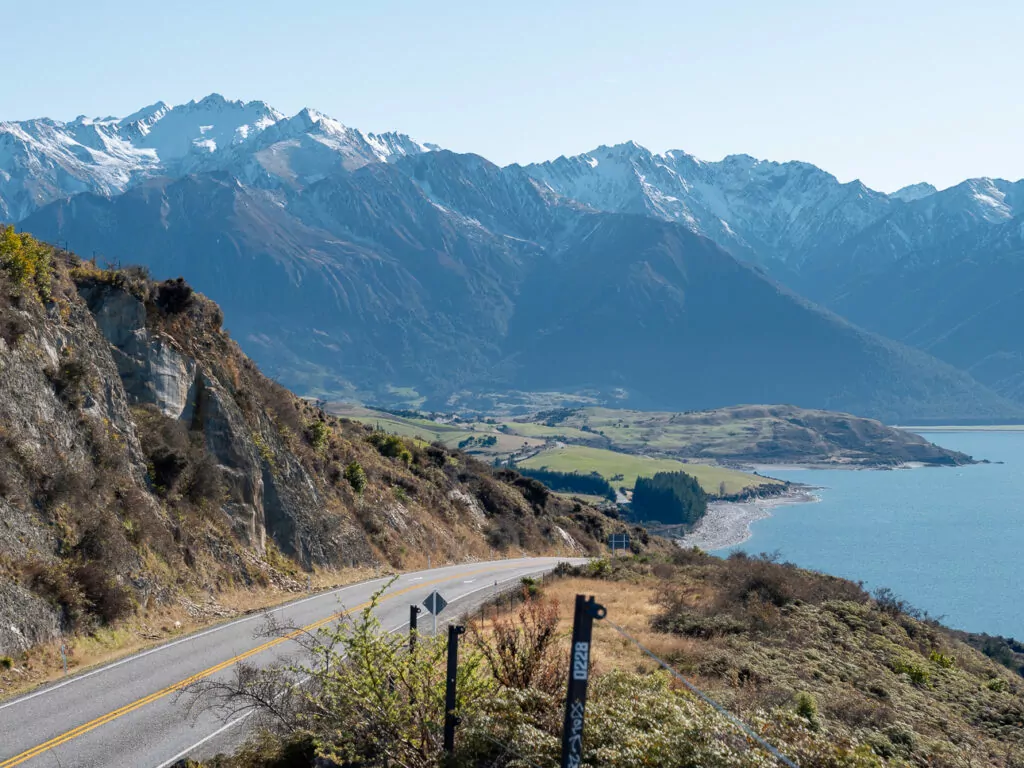
It’s a full loop of the entire island covering more than 25 destinations, from the obvious icons like Queenstown and Milford Sound to under-the-radar regions that most visitors rush through or skip. You’ll get mountains, fiords, beaches, vineyards, wildlife encounters and some of the most scenic journeys in the world.
You can start at any point (Christchurch, Queenstown and Picton are easiest) and follow it in any direction.
Full South Island loop road trip map
South Island loop core route
- Christchurch & Akaroa
- Mackenzie Country: Lake Tekapo & Aoraki / Mount Cook
- Waitaki District: Ōmārama, Waitaki Valley, Ōamaru
- Dunedin & the Otago Peninsula
- The Deep South: The Catlins & Stewart Island
- Fiordland: Te Anau, Milford Sound & Doubtful Sound
- Queenstown & Wānaka
- Glacier Country: Haast Pass, Franz Josef & Fox Glacier
- The rest of the West Coast: Hokitika, Punakaiki & Paparoa National Park
- Abel Tasman National Park & Golden Bay
- Marlborough Sounds & the Marlborough wine region
- Kaikōura
- Waipara Valley & coastal Hurunui
- Easy side quests to add: Hanmer Springs, Arthur’s Pass and Lewis Pass
How long do you need for a South Island road trip?
To complete the full South Island loop outlined in this guide (including the Catlins and Abel Tasman) you realistically need at least four weeks.
That gives you enough time to cover the icons, explore beyond the tourist trail and allow for a bit of wiggle room in case of weather disruptions.
Six weeks is the sweet spot for a more relaxed pace if you can swing it, eight weeks is absolute bliss and allows for maximum flexibility. I’ve given you the perfect 4, 6 and 8-week routes with night-by-night breakdowns after the itinerary.
Technically you could do a lap of the major South Island destinations with two weeks, but you’d spend a lot of your time on the road and would miss loads of the under-the-radar spots that make this place so special. A 10-14 day trip would be better spent focusing on half of the island (like this two-week Top of the South itinerary), or exploring one or two regions in depth.
Who this South Island itinerary is for
This road trip is designed for travellers who want to go beyond the typical Queenstown, Tekapo and Milford Sound tourist trail. It’s perfect for:
- Travellers with analysis paralysis, it covers practically every spot worth visiting so there are minimal tough decisions required
- Photographers & nature lovers who want to experience all of the South Island’s diverse landscapes and wildlife encounters
- Active relaxers who are up for a busy but rewarding 4-8 weeks in one of the most beautiful places on earth
- Retirees and vanlifers with 8+ weeks to slow this loop right down
Who this is NOT for: Travellers with less than four weeks or visitors who’d rather base themselves in a few hubs and do day trips.
What to know before road tripping the South Island
Before we dive into the day-by-day breakdowns, here’s some essential logistical info that’ll make your itinerary planning a whole lot easier.
Best time of year to do a South Island road trip
The South Island truly puts on a show year-round, but the “best” time to visit totally depends on what you’re after and whether you want to prioritise value for money, daylight hours or something else entirely.
Here’s a quickfire summary of the seasons.
- ☀️ Summer (Dec-Feb): Peak season with the warmest weather and long days, but the compromise is higher prices and more people to share the beaches and trails with. You need to book accommodation, bucket list experiences and the ferry (if you’re road tripping both islands) well in advance or you might miss out.
- 🍂 Autumn (Mar-May): Honestly, this is the pick of the bunch. The crowds thin out, the weather is usually more predictable than other months, and the autumn colours are particularly stunning in Central Otago. A perfect balance of mild weather and quieter roads.
- ❄️ Winter (Jun-Aug): Epic if you’re into snow sports or want to take advantage of off-season deals in the coastal destinations, but it brings limited daylight hours and additional driving considerations. You’ll need to carry snow chains (and know how to fit them) and build in buffer days in case of alpine pass closures.
- 💐 Spring (Sep-Nov): A bit of a mixed bag. Pumping waterfalls and unreliable forecasts are pretty much the only guarantee. Bring layers and a go-with-the-flow attitude.
⭐ My pick: March for a summery experience without maddening crowds, April for vibrant autumn foliage and shoulder season prices, or August for crisp days and snowy peaks.
Distances & drive times people underestimate in the South Island
If there’s one golden rule for a South Island road trip, it’s that Google Maps is an eternal optimist.
Suggested drive times from apps, AI and most travel guides (including this one) are based on how long it would take for a local who knows the roads to get from A to B in their own car without stopping for photos.
If you’re a visitor in an unfamiliar rental vehicle who’s never driven in New Zealand before (or maybe even never driven on the left side of the road) navigating winding roads with epic scenery on all sides, those estimates are not going to be accurate.
Most South Island roads are not straightforward highways, they’re narrow, unforgiving and usually single-lane, with frequent one-way bridges, blind corners and the occasional cow traffic jam. Even if you’re the perfect driver, you could still get stuck behind a tourist in a campervan who’s not as confident.
Here are the specific routes that catch people out the most:
- Queenstown to Milford Sound: The map says under four hours for the 288km journey, but this doesn’t take into account traffic getting out of Queenstown in the first place, copious amounts of photo stops en route or slow tour buses in front of you, which bring it closer to 5-6 hours one way. Staying in Te Anau to break up the journey (or better yet, Milford Sound itself) is a smart move.
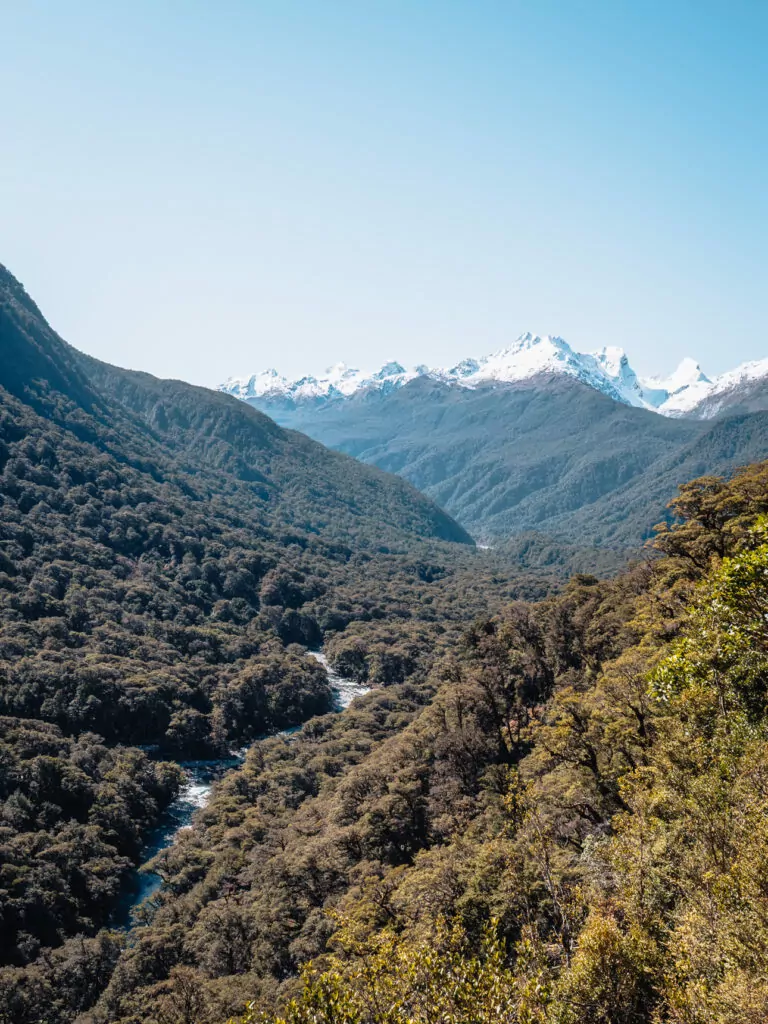
- Wānaka to Franz Josef Glacier (Haast Pass): This 285km drive should take 3h 50m according to Google, but if you do it that fast, you’ve done it wrong. Add in time for the 1h return Blue Pools Track, roadside lookouts and some short waterfall walks and you’ve easily got a 5h 30m trip at the least.
- Abel Tasman to Franz Josef Glacier: North American and Australian visitors might think a six hour suggestion for a 470km drive is standard, but this one is a trap that catches way too many people out. You’ll end up either blazing past the best scenery on the West Coast or falling way behind schedule due to photo stops, forcing you to tackle the final stretch of twisty roads in the dark. Don’t do it.
💡 The rule of thumb: To keep your stress levels down and avoid rushing, add a 25% buffer to all suggested drive times in this itinerary or from any map app. Bump that up to 50% if you’re new to driving on the left, if you’re in a bulky campervan or if you’ve got something you reeeally can’t be late for.
Car vs. campervan for a South Island road trip
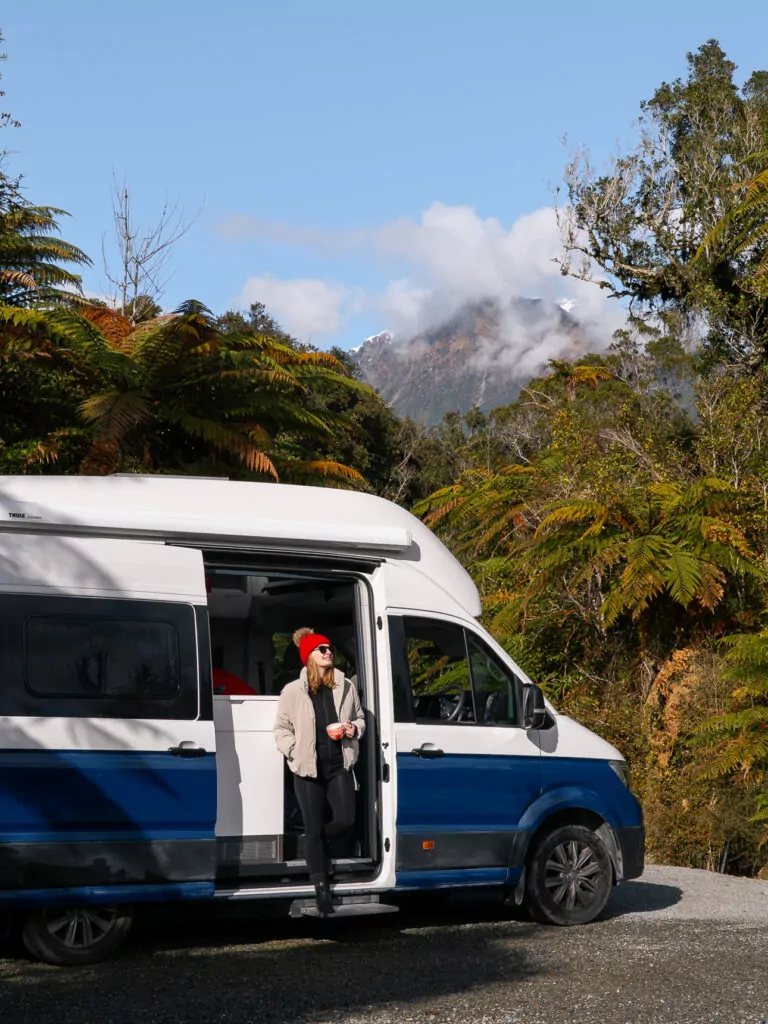
Deciding between a car and a campervan for your roadie will have a massive impact on your day-to-day plans and budget for activities.
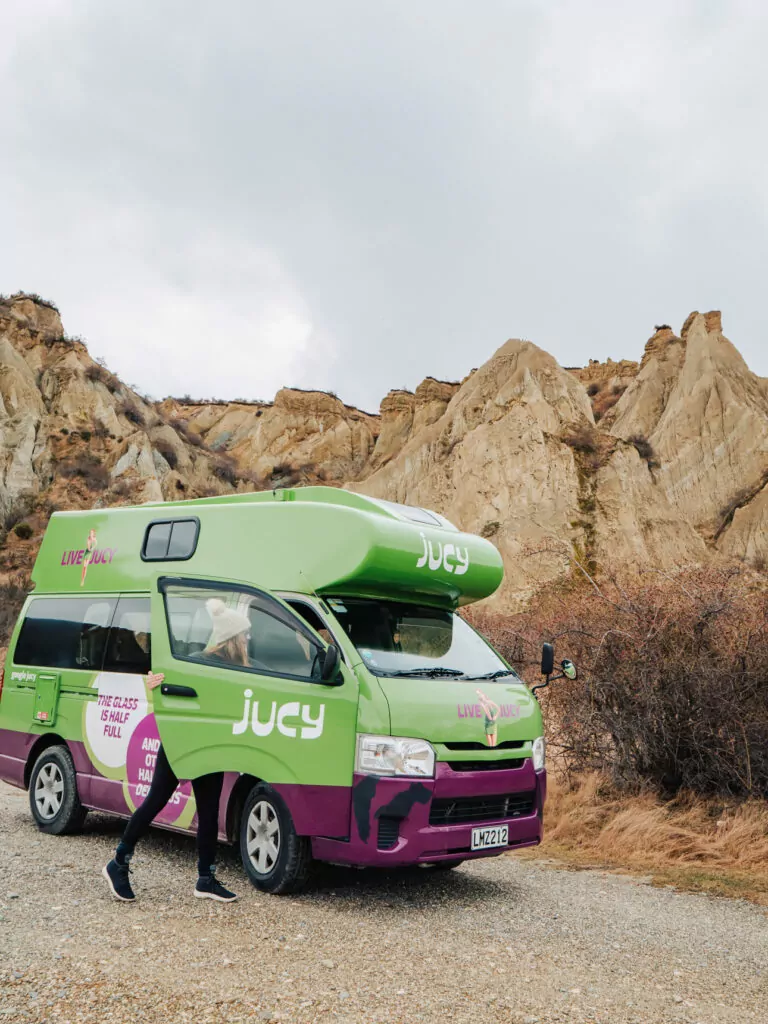
While the South Island is pitched as a campervan paradise, there are some trade-offs to consider before you lock in a chunky chariot.
- Cost: Lots of travellers assume a campervan is the budget option because it covers transport and accommodation, but it’s usually not. Unless you’re travelling in the low season or booking 6+ months ahead, a van is often pricier than a car and motel combo. Even the most basic self-contained vans can cost $300-500NZD per day in summer, and once you add in thirsty fuel consumption, campground fees ($50-80/night) and insurance upgrades (essential, speaking from experience), the daily total adds up fast.
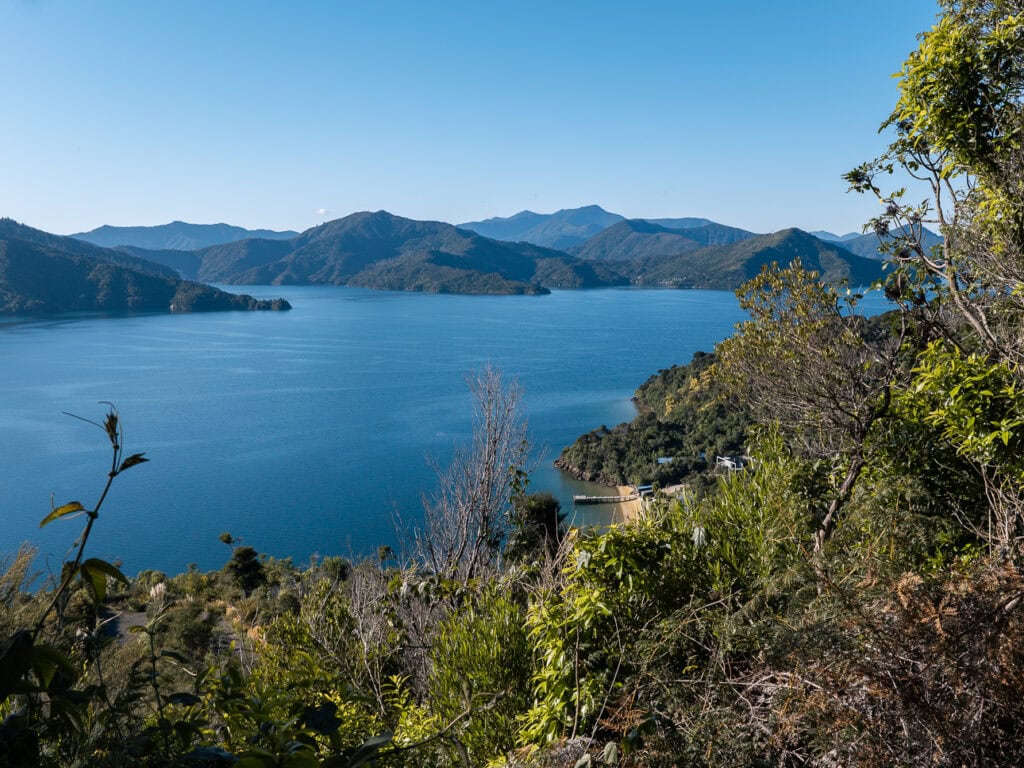
- Daily admin: Everything just takes longer in a van. You drive slower, you have to secure loose items before you move, you’ve got to find dump stations every few days, and you’ll spend three hours on the first morning trying to locate that damn rattling sound.
- Driving experience: The South Island’s twisting, narrow roads require intense concentration in any vehicle, but a high-sided 6m+ van that catches the wind and has to crawl around sharp corners can be exhausting to drive.
- Green Warrants and freedom camping (2026 update): New Zealand has significantly tightened its freedom camping rules, with all rental vans requiring a permanent fixed toilet to get a “Green Warrant” that certifies it as being self-contained. Cheaper vans with portable toilets won’t make the cut, meaning you can’t legally park overnight in freedom camping zones and will have to pay for holiday parks or campgrounds instead.
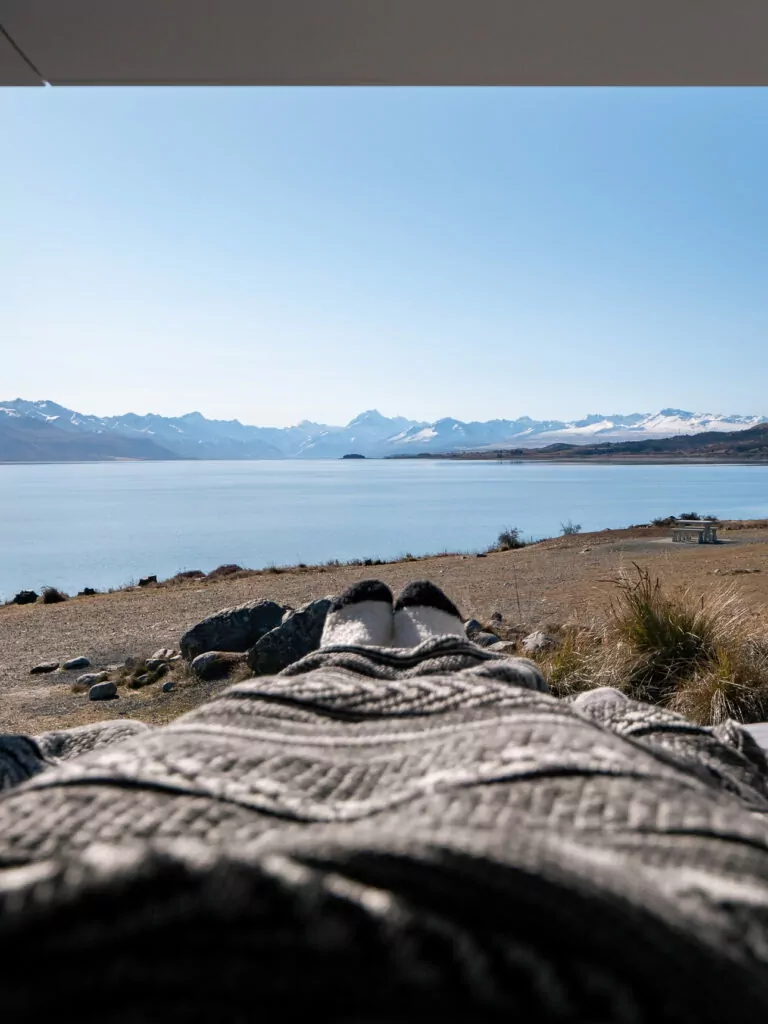
- Freedom camping spots: Even if you have a certified van with a Green Warrant, finding a place to sleep along the typical road trip route is not as “freedom-y” as it used to be. Many councils have clamped down on freedom camping with limited spots and strict time windows, and in summer the designated zones close to the tourist hubs get snapped up long before daylight ends.
🥇 My verdict: If you want the classic #vanlife🚐 experience, don’t mind the extra hassle and have found a reasonable deal, book the camper. If you want comfort, speed and less stress, grab a car and stay in motels or cabins along the way.
How far ahead you need to book in the South Island
Flexibility is key for getting the most out of your South Island experience, but there are a few times and situations where advance bookings are going to save you loads of money and stress.
Here’s a realistic timeline for when to book the essentials.
⚠️ Plan ahead year-round: These are the places with high demand and limited capacity no matter when you go, but obviously summer is worse.
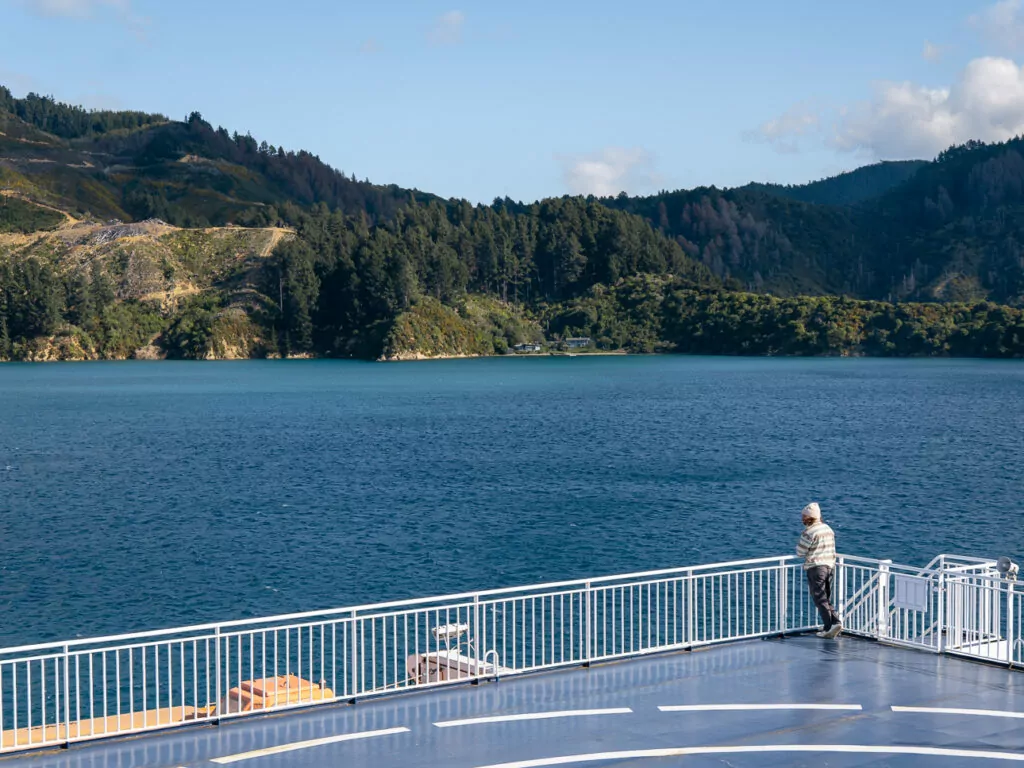
- Cook Strait Ferries: The single biggest bottleneck in the country! If you’re taking a vehicle between the islands and you need to travel on a particular day, book your crossing before you book anything else. From December to February it’s best to book 3-6 months in advance to secure your chosen date, and you can pay a bit extra for a flexible ticket if you want to be able to change your plans. Outside of summer I generally book 4-6 weeks ahead, any later and you might be stuck with 2am sailings or having to rearrange your itinerary.
- Tourist hubs: Queenstown, Wānaka and Tekapo are popular throughout the seasons, with limited options for affordable accommodation. If you’ve got a budget to stick to then check these spots first to make sure you can find something within your range, then plan the rest of your itinerary around that.
- Campervans: Campervan rental prices vary drastically with seasons and demand, with last minute summer daily rates typically sitting at 3-4x the shoulder season advance booking price. Christchurch has bigger van fleets than Queenstown too so prices are usually cheaper and you’ll have more options if you’ve left it late.
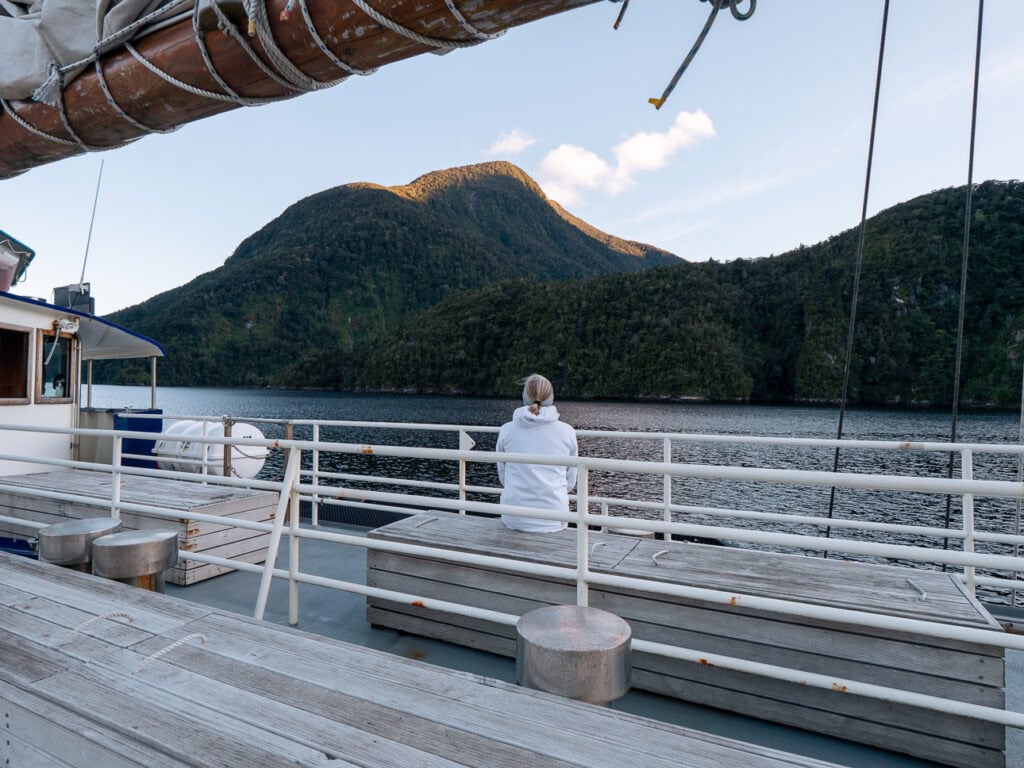
- Fiordland overnight cruises & Milford Sound Lodge: Only a handful of boats offer overnight cruises in the Sounds and Milford Sound Lodge is the only accommodation on land at Milford. If these are on your bucket list (they should be!) check availability for your dates before confirming the rest of your trip, in case you need to shake up the route to make it fit.
- Families or groups: Larger holiday homes or family units at motels are scarce outside of the main tourist hubs, so if you need 3+ beds in one place you’ll want to get in early.
- Small group experiences: The South Island has loads of epic outdoor experiences that have a strict guide-to-participant ratio, like glacier activities, scenic flights, ziplining or dolphin swimming. Don’t rely on these having last minute spaces available at any time of the year, all it takes is two families travelling together to book and you’ll be out of luck.

📆 Seasonal spikes: These are more relaxed if you’re travelling outside of busy periods but need proper planning for summer/school holidays.
- Great Walks and popular DOC huts: Many multi-day hikes require hut bookings from October to April, with spots for the most popular ones (Milford, Kepler, Mueller Hut) filling up within hours. Bookings open late May for the following season so set a calendar reminder if you’re hoping to tick any of these off.
- Rental cars: The peak season price jumps for rental cars aren’t as insane as campervans, but you’ll still want to book early for more range and better daily rates. 4WDs, hybrids, manual cars and SUVs with more than five seats often sell out.
- Coastal accommodation in summer: Seaside spots like Kaiteriteri, Kaikōura and Nelson fill up with Kiwi families over the Christmas break, some campgrounds might even be all booked up months in advance.
- Milford Sound cruises: Day cruises rarely sell out completely if you’re happy to self-drive, but the bus & boat combos from Te Anau or Queenstown and the premium options can get fully booked.
- Small ski towns in winter: While most of the South Island quietens down in the colder months, Queenstown and Wānaka experience a second peak season for snow sports. Hanmer Springs and Tekapo also have smaller, more local ski-fields and weekends are often at full capacity when it’s snowy.
⏰ Dates to be aware of: New Zealand (and Australian) holiday patterns are different to most of the rest of the world, here’s a quick summary.
- Summer holidays: Most schools close for the summer break from mid-Dec until late Jan/early Feb, so these weeks are the busiest for domestic and trans-Tasman travellers.
- Other school holidays (what Kiwis call mid-terms or term breaks): We have four school terms with two-week breaks typically in April, July and late Sept/early Oct. There’ll be higher demand for accommodation and family-friendly activities, and at the start/end of the breaks ferry crossings can sell out and domestic flights are more expensive.
- Public holidays and long weekends: Waitangi Day (6 Feb), Easter, ANZAC Day (25 April), King’s Birthday (first Monday in June), Matariki (June/July, date varies) and Labour Day (late October) are NZ’s public holidays, if these fall between Friday-Monday then there’ll be a spike in domestic travel for the long weekend.
- Chinese New Year: Late Jan/Feb see an influx of visitors coming here to celebrate the Lunar New Year, especially to iconic spots like Queenstown and Tekapo.

How to use this itinerary
Where to start and end your South Island road trip
I’ve designed this route to start and end in Christchurch because it has the best international flight connections and the largest rental car and campervan fleets.
You could also start it in Picton if you’re catching the ferry from the North Island, you can skip straight to the Marlborough section and begin the loop from there.
Queenstown is another simple option with distinct pros and cons. The upsides are that you’ll get incredible views from the plane if you arrive/depart on a clear day, and there are plenty of things to do that don’t require your own vehicle so you could save 4-5 days of rental costs if you only hire it for the non-Queenstown portion of the trip.
The downsides though are that daily rates for rental cars and campervans are usually pricier here due to smaller fleets and higher demand (which can easily cancel out the savings), and the airport is more prone to weather disruptions due to its location amongst the mountains.
Which direction should I drive?
The route below runs clockwise (Christchurch → Tekapo → Otago coast → Fiordland → Queenstown Lakes → West Coast → Top of the South → Kaikōura → back to Christchurch) but you can really do it in either direction.
Don’t get too caught up on whether clockwise or anticlockwise is best, the more important things to consider are:
- Weather patterns. If you’re travelling in late summer/early autumn, consider heading south first to enjoy the Otago coast, Fiordland and Queenstown/Wānaka while temps are still warm, because the Top of the South’s beaches and bays stay milder for longer. In late winter/early spring you might want to do the opposite.
- Moon cycle. If stargazing is a priority, check the lunar calendar and line up your itinerary to be in a Dark Sky area around new moon for maximum Milky Way magic. The Mackenzie Basin (Aoraki Mackenzie International Dark Sky Reserve), Stewart Island / Rakiura and Kaikōura all have stargazing tours, so work backwards from whichever one you’re most excited about.
- Avoiding the crowds. Queenstown, Wānaka and Tekapo get absolutely slammed during school holidays. If your road trip overlaps with term breaks, look at the dates and plan your route to hit the quieter regions (like the Catlins or the upper West Coast) during these periods, demand might still be high but the difference in price won’t be as wild as the tourist hubs.
Deciding how long to stay in each place
For every destination in this itinerary I’ve given you two timing options:
- Ideal stay = the perfect amount of time for a typical traveller to see the main highlights comfortably without feeling rushed.
- Minimum stay = the shortest stay that still makes the stop worthwhile if you’re on a tight timeframe. Staying less than this will leave you feeling rushed or short-changed.
Below the itinerary I’ve given you three suggested nightly breakdowns of the route, for 4 weeks, 6 weeks and 8 weeks in the South Island, based on whether you want to explore at a fast pace, medium pace or slow it down.
💡 Personalise your trip: These times are just guidelines for the average South Island visitor who’s equally interested in landscapes, wildlife, short walks, good food and authentic experiences. If you have a specific passion or priority, like wineries, stargazing or hiking, use your buffer days in places that deliver what you’re looking for.
The perfect full loop South Island road trip itinerary
Christchurch

How to get to Christchurch: Fly into CHC (the South Island’s largest airport) or if you’re already driving it’s 2h 50m from Tekapo (225km) and 2h 20m from Kaikōura (180km)
How long to stay in Christchurch: Ideal 2 nights / Minimum 1 night
Why stop in Christchurch
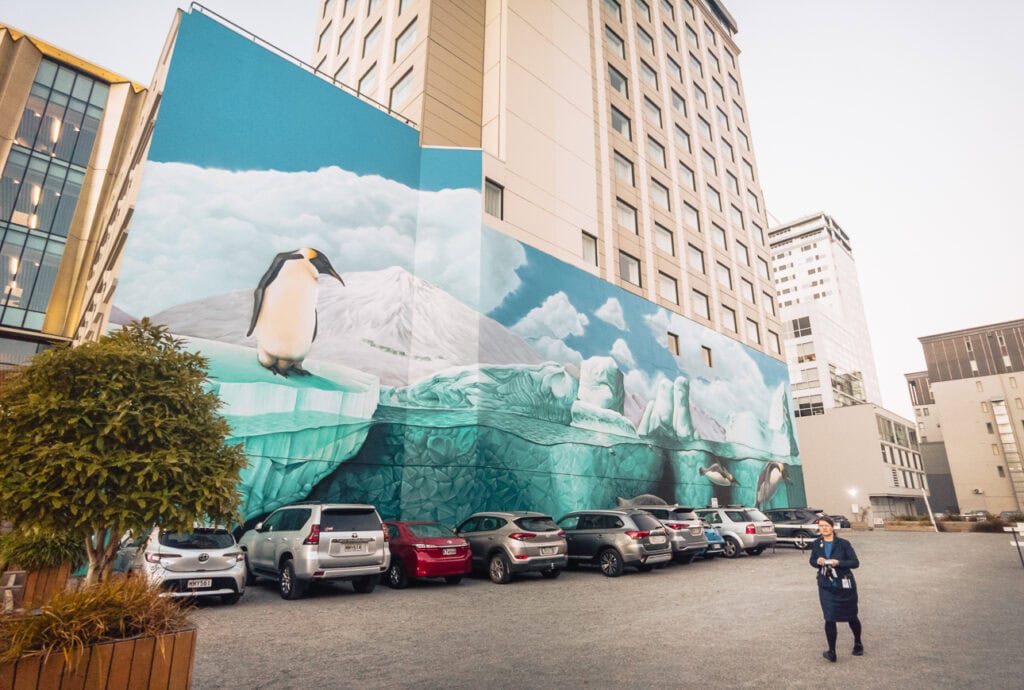
Christchurch is one of the most common starting points for a South Island road trip thanks to the international airport with long-haul links, but it’s worth more than just a rental car pickup.
I’m actually guilty of never giving Christchurch enough credit myself, I typically breeze straight outta there towards the starry skies of the Mackenzie or the wildlife waiting in Kaikōura, but when I have a reason to go into the city, I’m genuinely impressed every time.
🚙 Safety tip: If you’re travelling from afar (especially if you’re not used to driving on the left side of the road), do not grab a rental car and hit the road straight away because tired eyes and brains are much more likely to make silly mistakes like drifting over the centre line or not looking the right way at an intersection. Spend a night or two in Christchurch to catch up on sleep before you get behind the wheel, and only set off once you feel rested and refreshed.
What to prioritise in Christchurch
- Seeing Christchurch from the river, the gardens and the hills. Start with a punting tour on the Avon, explore the world-class Botanic Gardens and other city sights on the historic hop-on hop-off tram, then catch the Gondola up to the Port Hills, all included in this combo pass.
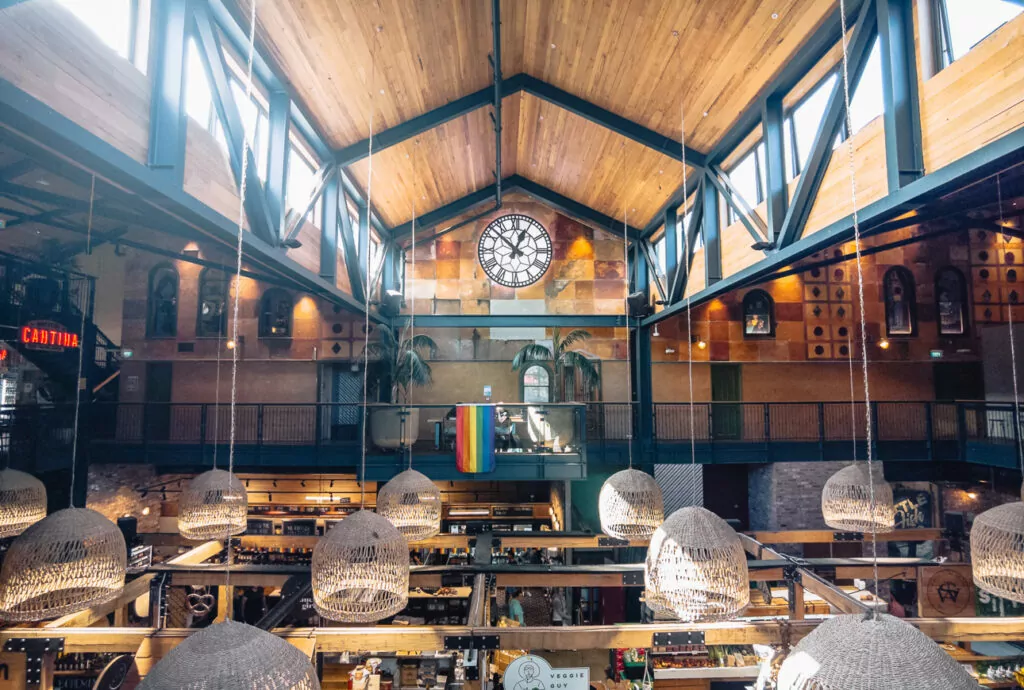
- Eating your way around Riverside Market. This buzzy indoor food hall on the Avon River is packed with local producers selling everything from fresh seafood to loaded burgers to Nepalese dumplings.
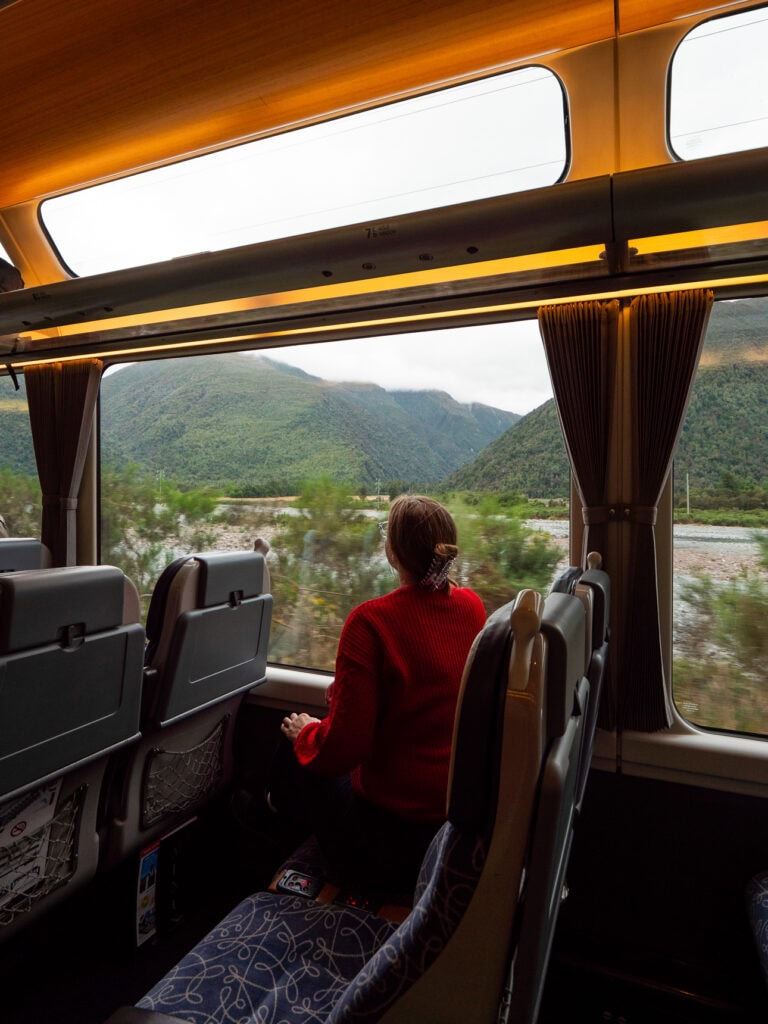
- Taking the TranzAlpine train across Arthur’s Pass to the West Coast, one of the most scenic train journeys in the world. Buy a one-way ticket if you have transport organised at the other end, book a day trip with a return shuttle included, or check TransferCar for any rental car relocations from Greymouth or vice versa (I found one for $1!).
- Getting your adrenaline fix at Christchurch Adventure Park. You’ll find the Southern Hemisphere’s largest mountain biking park just 15 minutes from the city, plus it’s got a zipline course and free walking trails too.
- Learning about the earthquakes that changed this city forever. The 2010 and 2011 earthquakes devastated Christchurch, and Quake City tells the story through family-friendly interactive exhibits.
- Taking a day trip to Akaroa on the Banks Peninsula. This French-influenced harbour town is about 1h 30m from Christchurch with stunning views along the way, home to Hector’s dolphins (the world’s smallest) and the best pains au chocolat on this side of the equator. You’ll find more Banks Peninsula info in the ‘Side Quests’ section at the end of the itinerary if you’d like to spend longer there.
Where to stay in Christchurch
- Campground: Tasman Holiday Parks
- Budget: Drifter (fancy new hostel), Haka House, LyLo Christchurch Airport
- Mid-range: The Milano, Strathern Motor Lodge
- Luxury: The Observatory Hotel, The Mayfair
Quick Christchurch tips from a Kiwi
- Avoid the corporate lunch rush at Riverside Market from 12-2pm (especially on Fridays), go for brunch or for a mid-afternoon meal instead.
- Take a jacket when you head out for the day even if it’s sunny in the middle of summer, Christchurch wind can be bitterly cold.
- Christchurch is a nightmare to drive around if you’re not used to it, with loads of one-way streets that can be really confusing for someone already driving on the ‘wrong’ side of the road! Pay close attention to your GPS and grab the first carpark that’s convenient enough rather than trying to find a spot right outside the restaurant you’re trying to get to.
Lake Tekapo
Getting here from Christchurch: 2h 50m (225km)
Where to stop between Christchurch and Tekapo
- Rakaia Gorge is a bit of a detour but offers a few spectacular roadside viewpoints as well as a 3-4 hour walkway if you’ve got time
- Geraldine to pop into Barker’s Foodstore for a bite to eat (their condiment station is top tier)
- Fairlie for the famous Fairlie Bakehouse pies
- Burkes Pass to see the old school Route 66-themed auto-stop
How long to stay in Tekapo: Ideal 2-3 nights (especially if stargazing is your top priority) / Minimum 1 night
Why stop in Tekapo
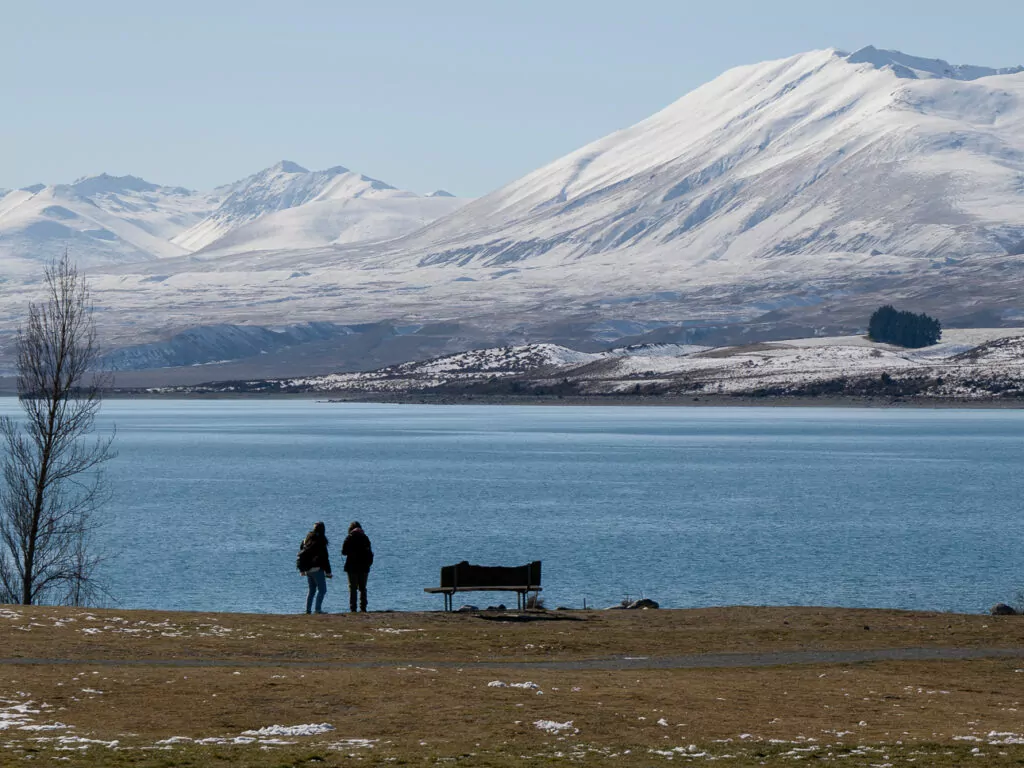
Famous for its milky blue lake by day and the dazzling Milky Way by night, Lake Tekapo and the wider Mackenzie district are home to some of Aotearoa’s most emblematic landscapes.
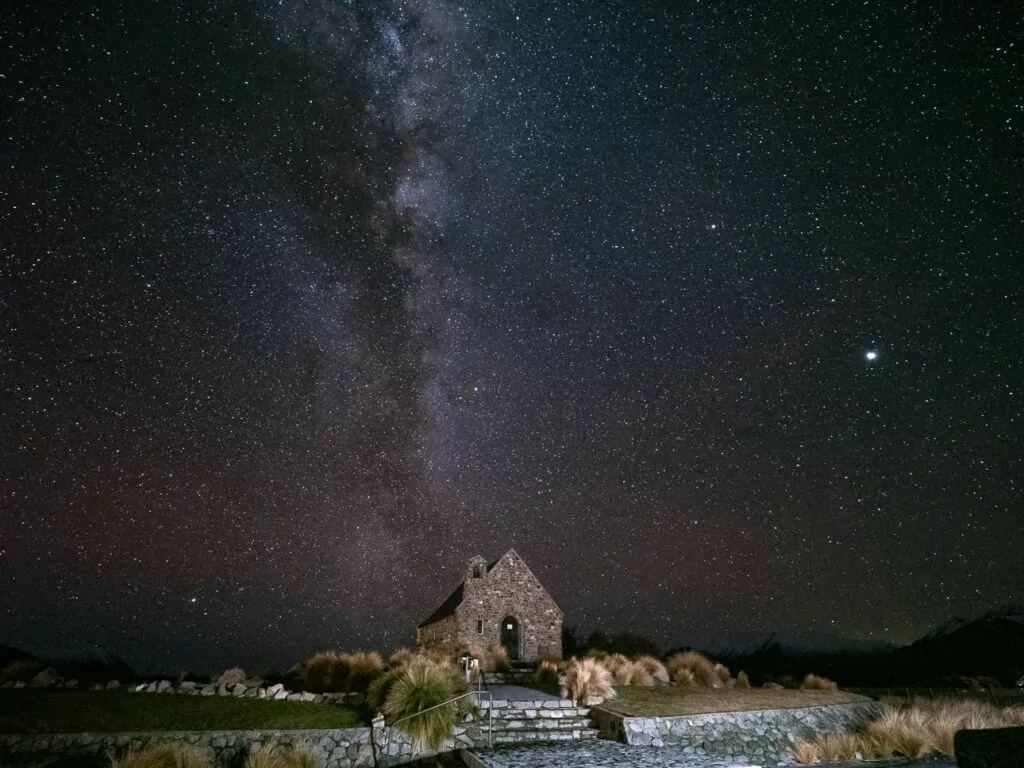
You’ll find the most-photographed church in the country right on the lakefront, picnic tables with lake and mountain views, and steamy hot pools letting you soak it all up while resting your muscles, plus a bunch of fun things to do to keep you busy for a few days at least.
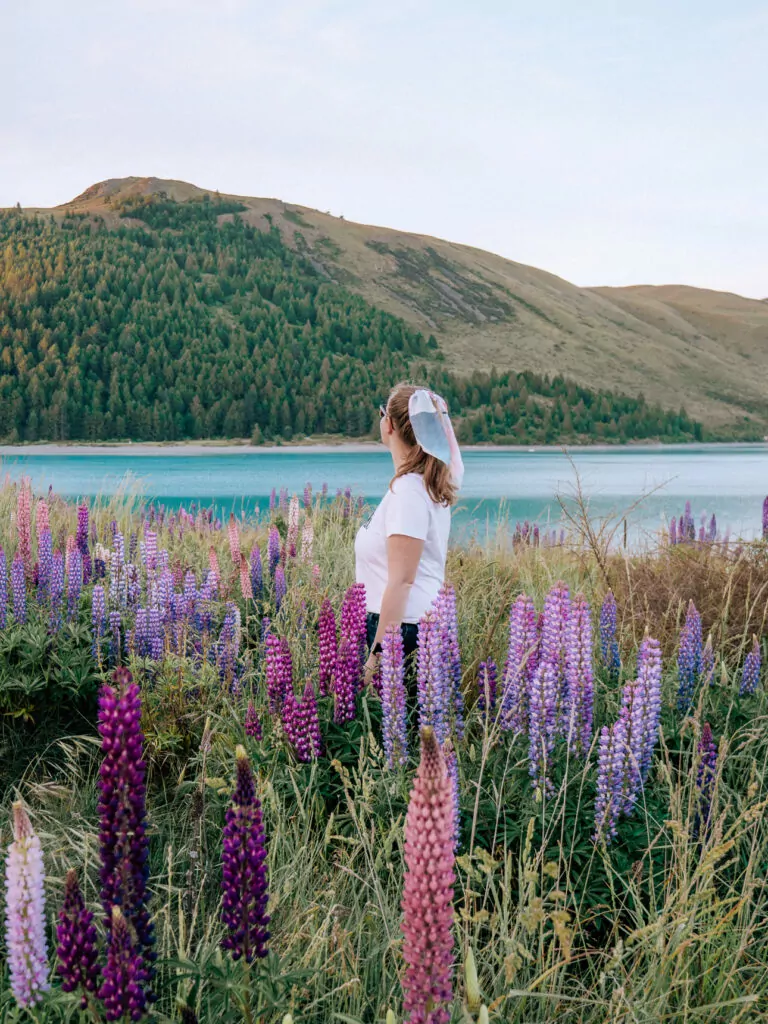
One thing you have to be aware of though is that Tekapo is suuuuper touristy, visitors significantly outnumber locals all year round and the summer months (especially lupin season) see queues of campervans looking for carparks, extremely high prices ($300NZD+ for a hostel dorm bed 🤯) and tour buses galore.
Don’t let that put you off, it’s about visiting consciously rather than skipping it altogether. Staying longer might seem counterintuitive but it’s the best thing you can do here, that way you’re contributing to the local economy rather than just putting pressure on infrastructure for a few bucket list photos before driving off. April to October is also more pleasant from a busy-ness perspective (aside from school holidays).
What to prioritise in Tekapo
- Soaking in hot pools with a view. Tekapo Springs is perfect for defrosting after a day in the elements, with magnificent lake and mountain views.
- Stargazing in the Aoraki Mackenzie International Dark Sky Reserve. Tekapo has some of the darkest and clearest skies in the world thanks to clean mountain air and almost no light pollution. Book a tour with Chameleon Stargazing for telescopes, toasted marshmallows and a mini astronomy lesson, visit the Dark Sky Project with an observatory tour included, or kill two birds with one stone on a Tekapo Springs soak + stargaze.
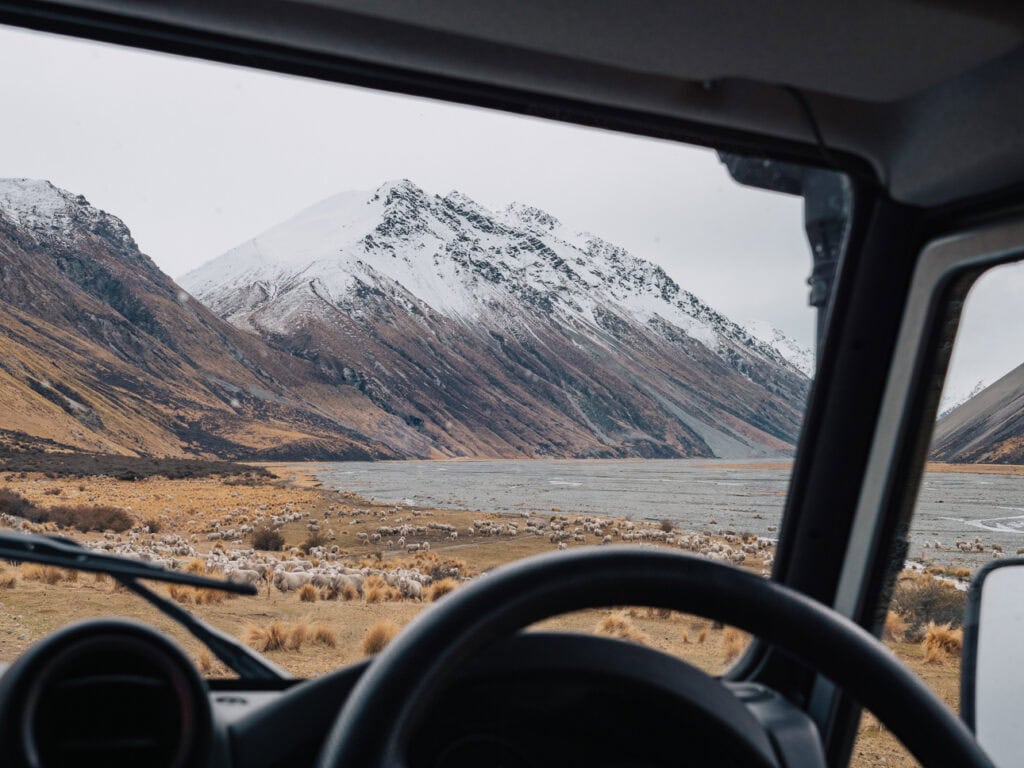
- Off-roading through the backcountry. Escape the crowds and see parts of the Mackenzie most travellers miss with a 4WD safari through Cass Valley with the legends at Tekapo Adventures.
- One of the country’s best scenic flights. The 50 minute Grand Traverse flight with Air Safaris offers unbelievable bang-for-buck, encompassing Aoraki / Mount Cook (NZ’s highest), Mount Tasman (2nd highest), Tasman Glacier (NZ’s largest), and the twin glaciers of Franz Josef and Fox over in Westland Tai Poutini National Park.
Where to stay in and around Tekapo
- Campground: Lakes Edge Holiday Park
- Budget: Haka House Tekapo is maybe the best-located hostel in the country but it can get wildly expensive in summer, Lakes Edge Lodge is a short walk along the lake and less fancy but usually a lot cheaper.
- Mid-range: The best mid-budget options in Tekapo are holiday homes/apartments, see them all here
- Luxury: Alpine Lodges at the Cairns
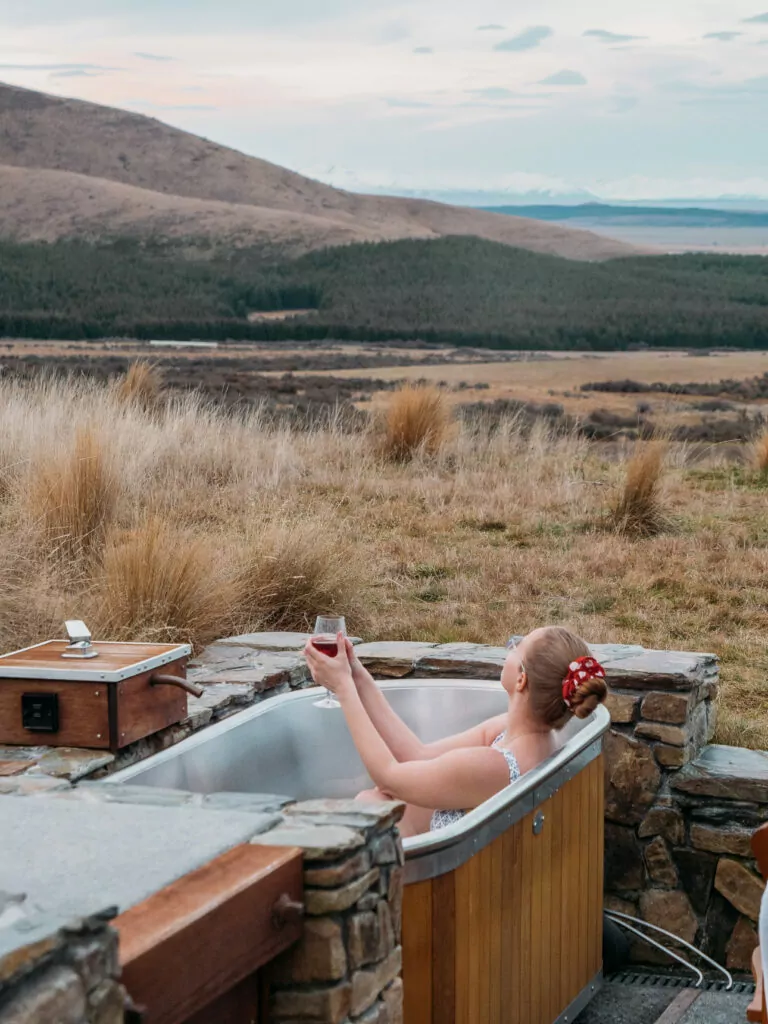
- Unique: The Huts at Lakes Edge (Lake Tekapo views), Skyscape (glass ceilings for stargazing) or High Country Cabin (my fave cabin in NZ)
Quick Tekapo tips from a Kiwi
- The pink and purple flowers you see in loads of photos around here are lupins, they have a super short season from late Nov to late Dec/early Jan. They’re actually an invasive weed (boooo 👎🏼) which means you’ll see them all along the lakefront and roadside around the Mackenzie area (yayyy 🙌🏼), but local authorities are trying to get rid of them, so exact locations mentioned online one year might not have any the following year.
- Tourism in Tekapo has absolutely boomed in recent years and accomm prices can skyrocket for last minute bookings, if you’re struggling to find something within your budget then expand your search to Twizel (40 mins south) and you might have more luck.
Aoraki / Mount Cook Village
Getting here from Tekapo: 1h 10m (105km)
Where to stop between Tekapo and Aoraki / Mount Cook Village
- This Lake Pukaki Viewpoint carpark for the best view of mighty Aoraki standing behind the bright blue lake
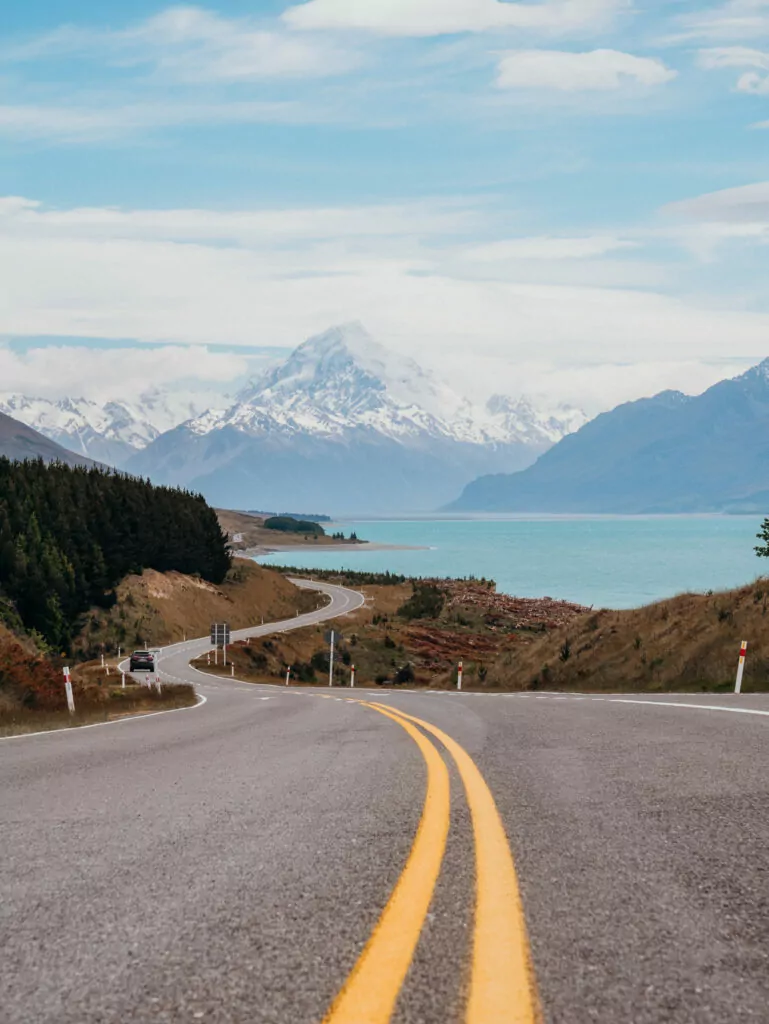
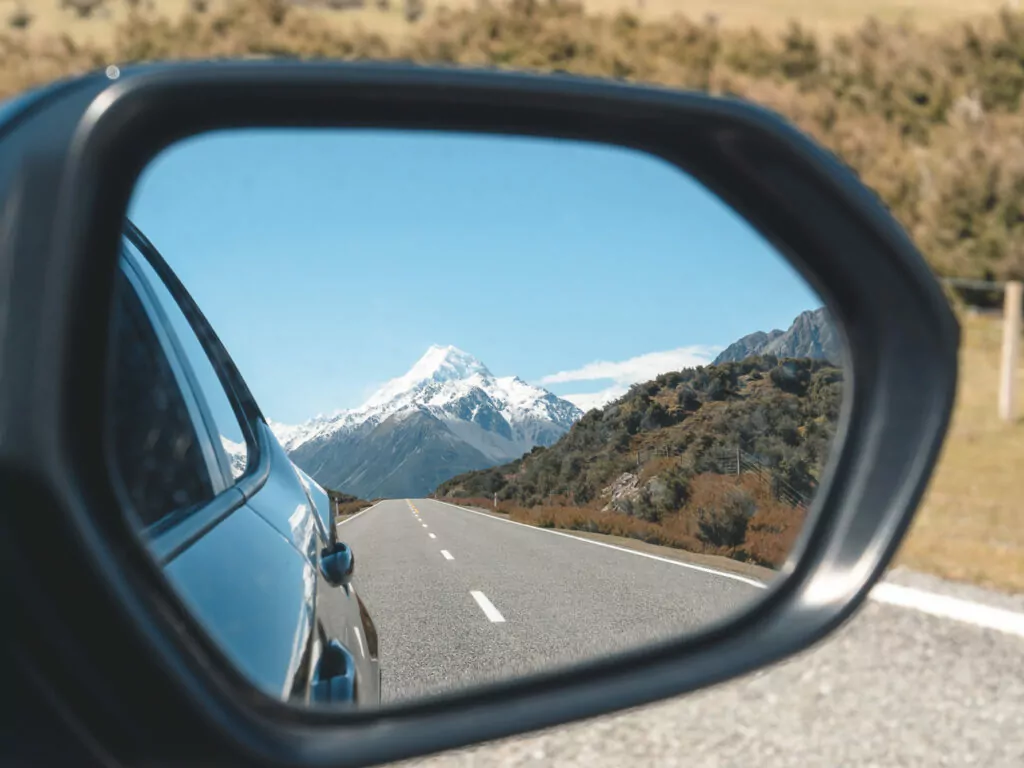
- Tapataia Mahaka / Peter’s Lookout for the classic shot of the winding road leading towards Aoraki
How long to stay at Aoraki / Mount Cook: Ideal 1-2 nights / Minimum day trip
Why stop at Aoraki / Mount Cook
Aoraki / Mount Cook Village lets you get right amongst the Southern Alps without needing crampons or a helicopter, some of the most accessible alpine scenery on the planet.
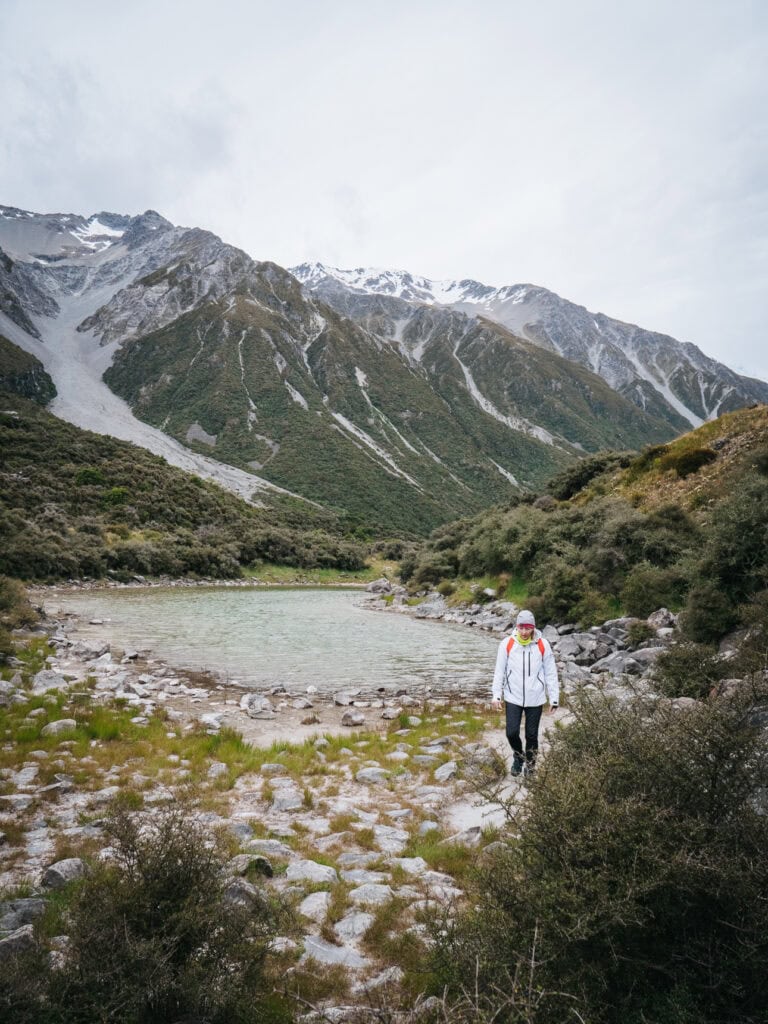
The drive there is the first act, tracing neon-blue Lake Pukaki’s shore as the mountains in front get bigger and badder, then the little basecamp town acts as a springboard for a well-mapped network of hiking tracks for all skill levels.
It’s day-trip-able from Tekapo, Queenstown at a push and Christchurch on a full day tour, but spending the night means more time for the famed trails and stargazing after dark.
What to prioritise at Aoraki / Mount Cook
- The Hooker Valley Track. This is the ultimate low effort but high reward short walk in the Southern Alps, about 3h return from the carpark on a flat and well-maintained path with swing bridges, glacial lakes and snowy mountains along the way. ⚠️ Important 2026 update: The Hooker Valley Track is partially closed for repairs, you can only get to the Kakiroa/Mount Sefton Lookout right now (1h return and still worth it!). They expect the full track to be open in autumn 2026, check here for official updates.
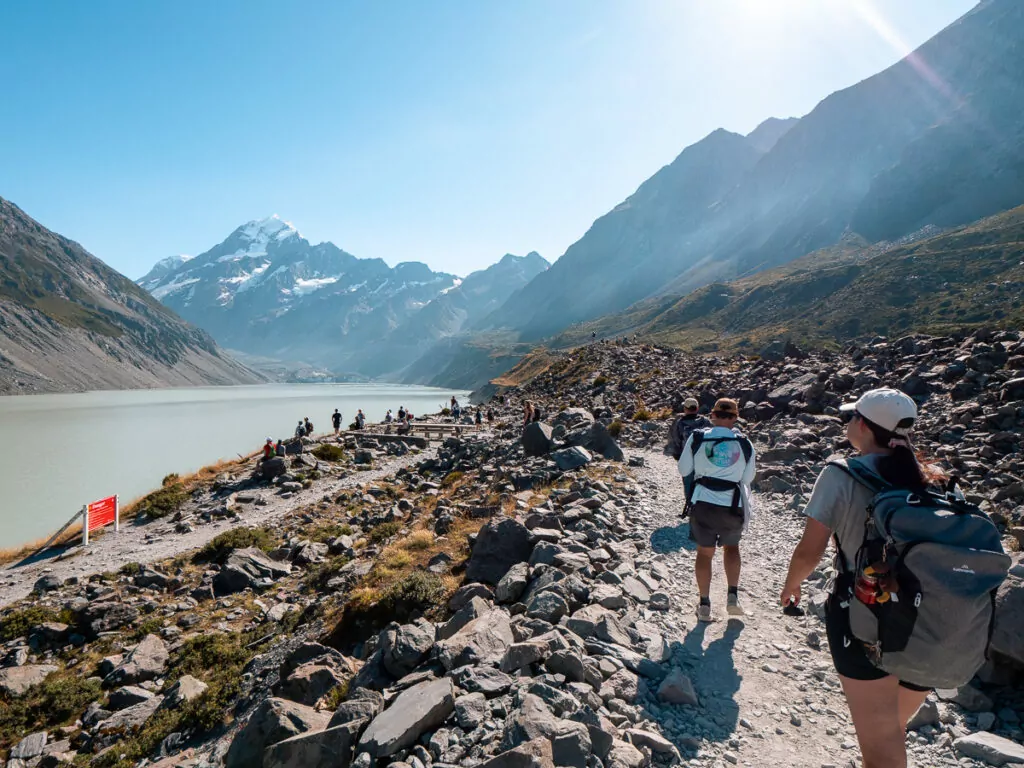
- Longer trails for fit & experienced hikers. Check out the Sealy Tarns Track (2200 steps, 3-4h return) or slog your way up to the iconic red Mueller Hut (1000m elevation gain, 3-5h one way, hut bookings required for overnight stays).
- Seeing the Tasman Glacier. NZ’s largest and longest glacier can be spotted in a few different ways depending on your timeframe and budget. The Tasman Glacier View Track (30 min return) is quick and free or go for a glacial lake cruise amongst the icebergs.
- A scenic flight or heli-hike. This is one of the best places in the country to get up in a helicopter or small plane, with options ranging from flyovers to glacier landings to fully guided heli-hikes with crampons and everything!
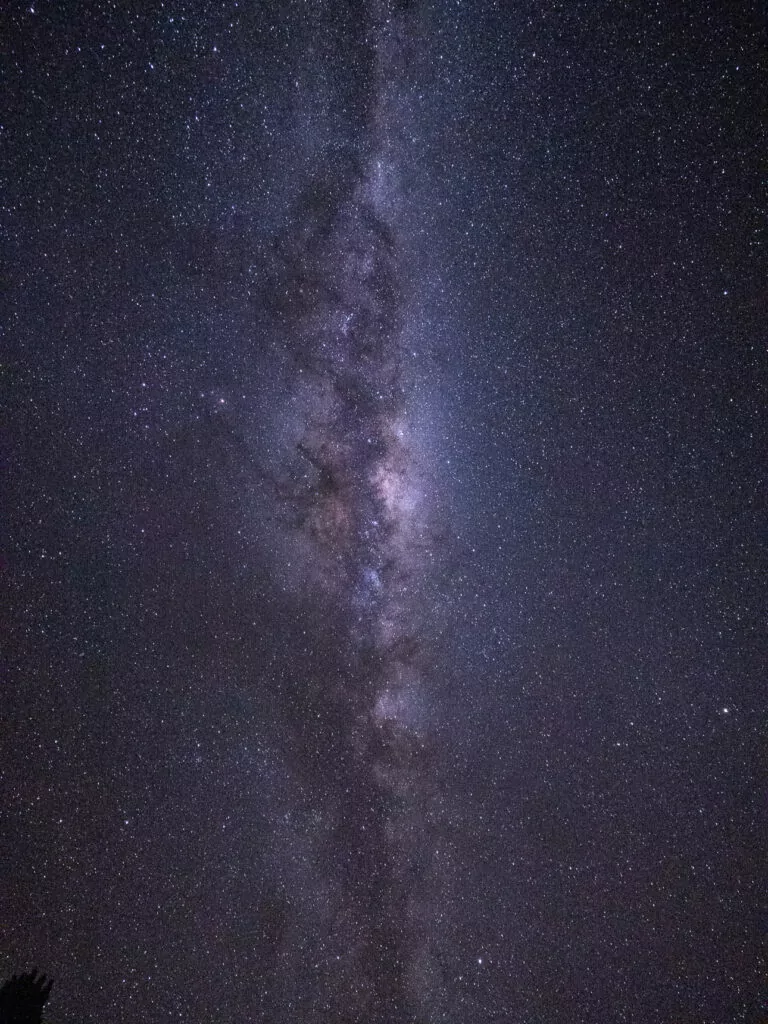
- Stargazing. Aoraki sits inside the Aoraki Mackenzie International Dark Sky Reserve so on a clear night the Milky Way is absolutely out of this world (bad pun, sorry 🙃).
Where to stay in Aoraki / Mount Cook
- Campground: White Horse Hill Campground (basic DOC site, bookings required) or Glentanner Park Centre (20 mins from Aoraki Village with powered sites & proper facilities)
- Budget: Haka House Hostel
- Mid-range: Aoraki Court Motel
- Luxury: Mt Cook Lakeside Retreat (near the turnoff from SH8 towards Aoraki)
Quick Aoraki / Mount Cook tips from a Kiwi
- I’ve personally witnessed a few very near misses on the road to Aoraki due to gusty wind, dangerous overtaking, and even a campervan driver holding his arm out the window taking a video of the views (true story). Keep your eyes on the road, give yourself buffer time so you aren’t racing to make your heli-hike, and only pull over in safe areas like Peter’s Lookout.
- Food options in the village are limited and pricey, I’d recommend stocking up in Tekapo or Twizel and booking accommodation with kitchen facilities to avoid spending money on average food.
- DOC introduced paid parking at White Horse Hill carpark (the starting point for Hooker Valley Track and other popular hikes) in December 2025, it’s $5/hour or $25/day and payment is onsite by card only.
Ōmārama & Lindis Pass
Getting to Ōmārama from Aoraki / Mount Cook: 1h 5m (94km)
Where to stop between Aoraki / Mount Cook and Ōmārama
- High Country Salmon near Twizel for the best salmon pate of your life
How long to stay in Ōmārama: Ideal day trip / Minimum fuel stop!
Why stop in Ōmārama & the Lindis Pass
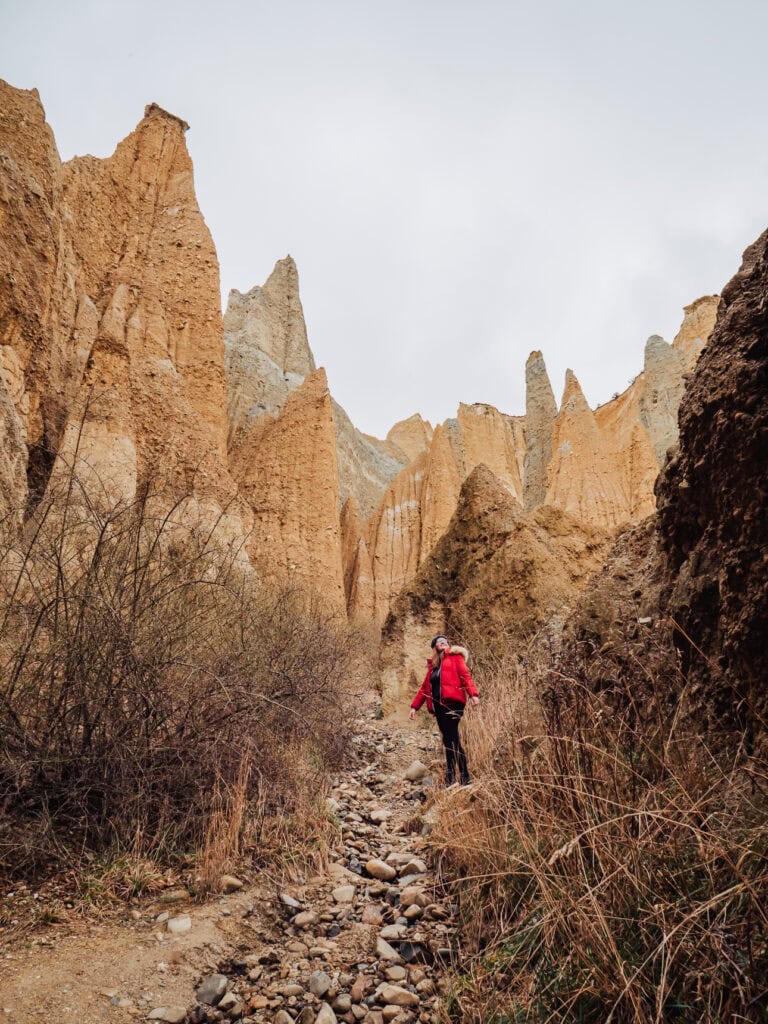
More of a transit hub than an actual destination, there are three reasons why Ōmārama should make it onto your itinerary: the Clay Cliffs, the Lindis Pass, and some of the cheapest fuel you’ll find in the South Island.
What to prioritise in Ōmārama & Lindis Pass
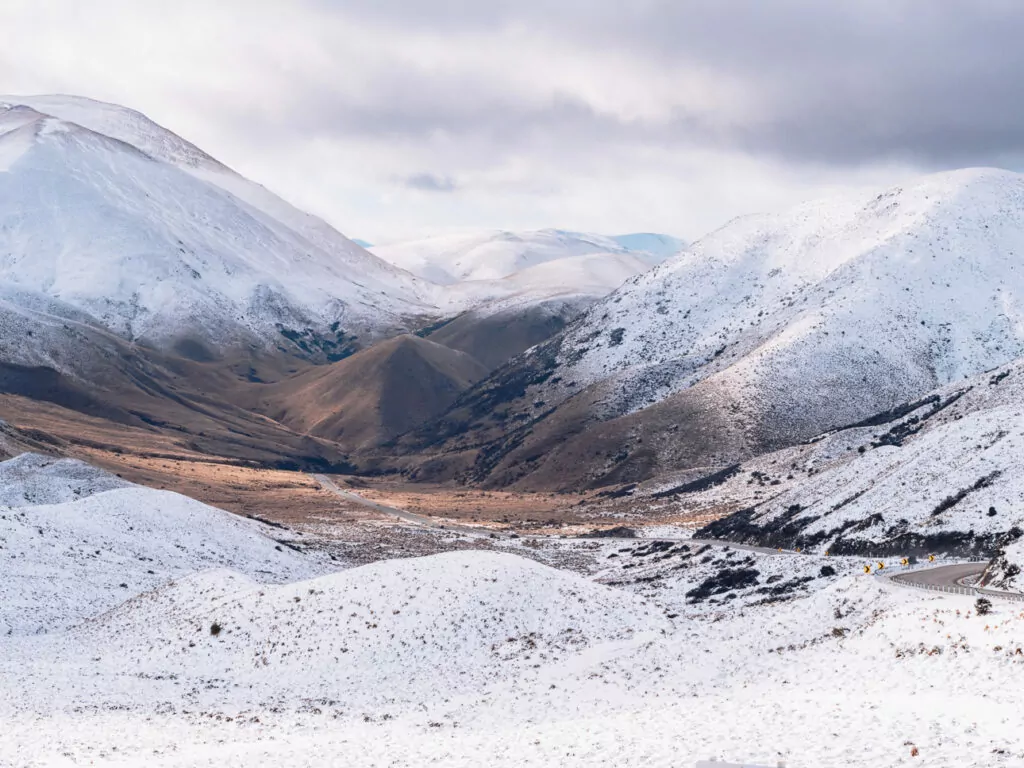
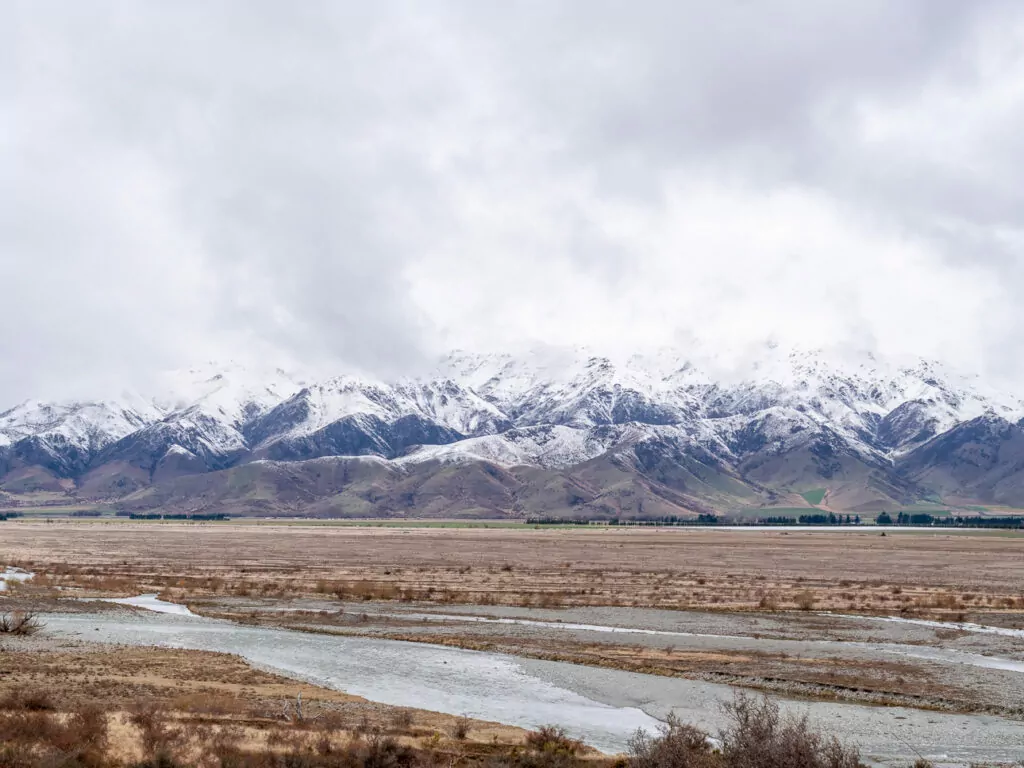
- The drive over Lindis Pass. This high-altitude mountain pass connects the Mackenzie Basin with Central Otago and the scenery is stunningggg. There’s a viewpoint carpark at the top for an easy photo stop and a short 200m walk up to an elevated lookout.
- 🗺️ Quick note: If you’re following this exact South Island road trip route then you’ll turn off at Ōmārama to follow SH83 to the coast, which skips Lindis Pass, but I’d recommend giving yourself an extra couple of hours to drive the Lindis Pass and turn around in Tarras before coming back over and continuing to Ōamaru.
- The Ōmārama Clay Cliffs. These geological oddities look more Martian than Middle-earth, with sharply sculpted rock formations that spike up from the valley floor. They’re on private land down a bumpy gravel road, entry costs $10 per car or $20 for a camper (cash or bank transfer only, no card, payment details here).
- A private hot tub soak to rest & recuperate from Aoraki hikes. If you missed out on Onsen in Queenstown, the private cedar tubs with lake and mountain views at Hot Tubs Ōmārama are the perfect alternative.
Where to stay around Lindis Pass & Ōmarama
- Campground: Ōmarama TOP 10 Holiday Park or Ahuriri Bridge DOC campsite
- Mid-range: Ahuriri Motels
- Luxury: The Lindis (super fancy luxury lodge)
Quick Ōmarama tips from a Kiwi
- Ōmarama’s Tasman Fuels on the corner is consistently one of the cheapest gas stations in the country (and a lot cheaper than the Challenge down the road).
- The stretch of road from Tekapo to Ōmārama and over the Lindis Pass can be deceiving. There are long, straight sections that can lull you into a false sense of security, but it’s an exposed alpine pass with a risk of gusty crosswinds, impatient drivers and black ice in winter, and it demands your full attention. Keep both hands on the wheel (especially if you’re in a high-sided camper), stay focused and just take it easy.
- If you’re visiting in winter then inclement weather can sometimes close Lindis Pass temporarily, check your route on NZTA’s Journey Planner before you set off.
Ōamaru & Waitaki Valley
Getting to Ōamaru from Ōmārama: 1h 25m (118km)
Where to stop between Ōmārama and Ōamaru
- Takiroa Maori Rock Drawings, they’ve been fenced off for protection so if you’re really into archaeological stuff they’re probably worth a visit but if that’s not your thing then you might not be that impressed
- Elephant Rocks for a Narnia film location and giant limestone boulders scattered across the farmland
- Anatini Fossil Place to see fossilised bones of an ancient baleen whale
How long to stay in Ōamaru & Waitaki Valley: Ideal 1-2 nights / Minimum day trip
Why stop in Ōamaru & Waitaki Valley
Often left off South Island itineraries altogether, this unassuming slice of the country has more going on than you think.
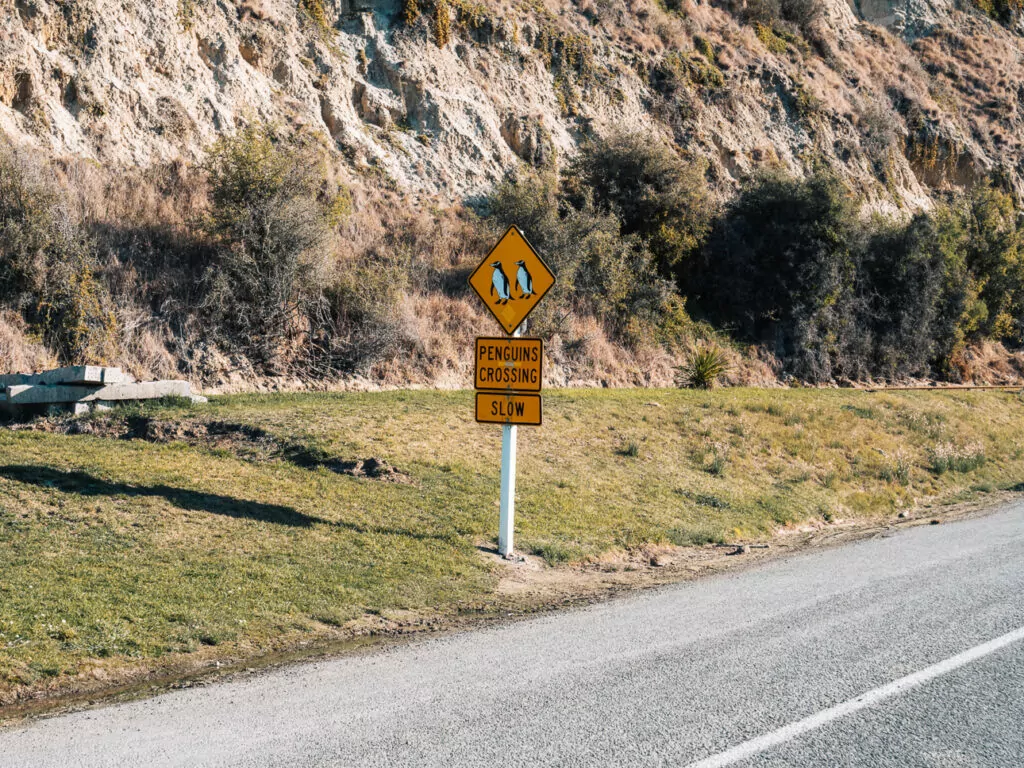
Ōamaru is unapologetically weird, and I mean that (and they’d take it!) as a compliment. It’s the self-declared Steampunk Capital of the World, they have the best-preserved Victorian precinct in New Zealand, and while most Kiwi towns aspire to have a rugby stadium or music amphitheatre, Ōamaru built an entire grandstand to watch penguins waddle home at sunset.
The wider Waitaki district isn’t to be scoffed at either, with alien-esque rock formations, off-grid glamping spots and culinary excellence that rivals the tourist hot spots.
What to prioritise in Ōamaru & Waitaki Valley
- Seeing kororā (little penguins) on their evening commute. Ōamaru’s Blue Penguin Colony is where you want to be at dusk, you can get cosy in the grandstand and watch the world’s smallest penguins shuffle back to their nests after a busy day of fishing.
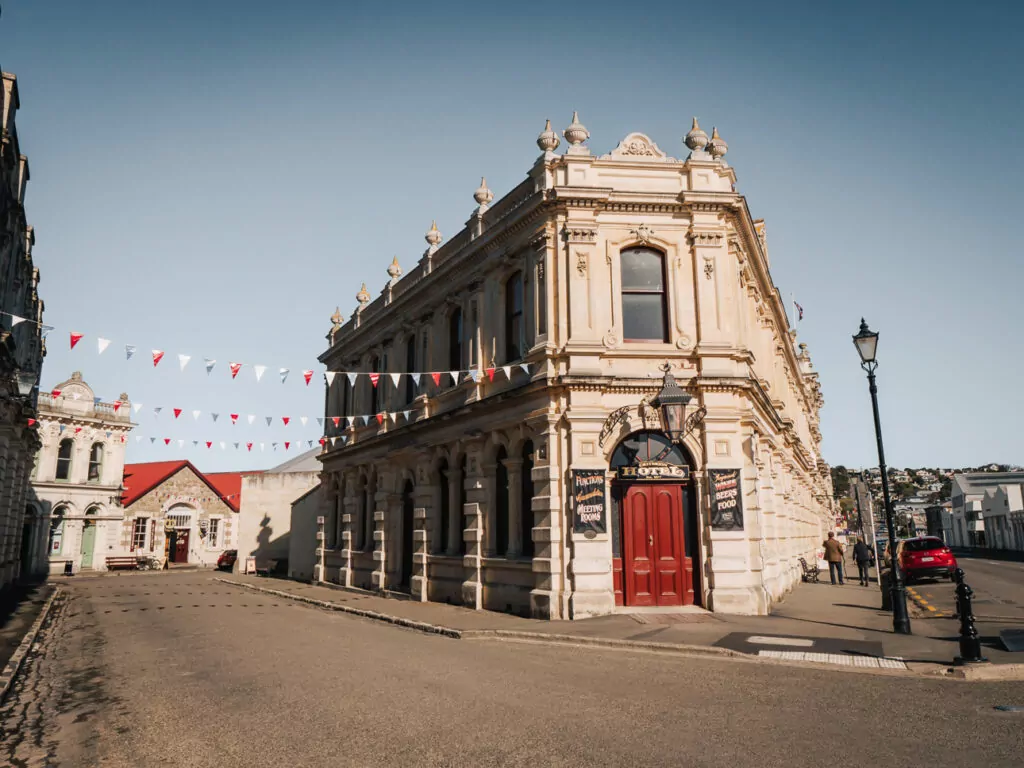
- Wandering the Victorian Precinct. Visiting Ōamaru’s Heritage Precinct is like stepping back into the 1800s, complete with a Victorian museum that houses the country’s only penny-farthing carousel.
- Steampunk HQ. If the retro-futuristic aesthetic is right up your alley (or even if it’s not), this bizarre interactive museum lets you channel your inner mad scientist.
- A cheese tasting at Whitestone Cheese. French cheese absolutely has my heart ❤️ but as far as NZ cheese goes, Whitestone is up there with the best. Pop in to their Ōamaru HQ for a guided factory tour with a cheese tasting, or just visit their Diner & Deli for some classic Kiwi fare with a Whitestone twist.
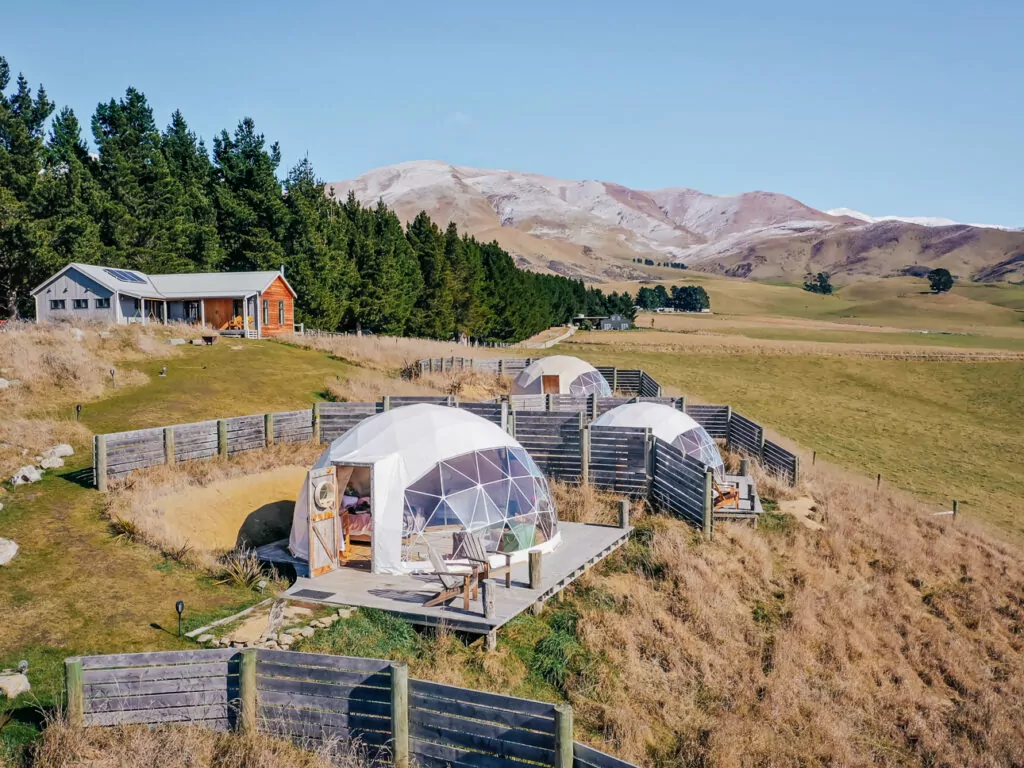
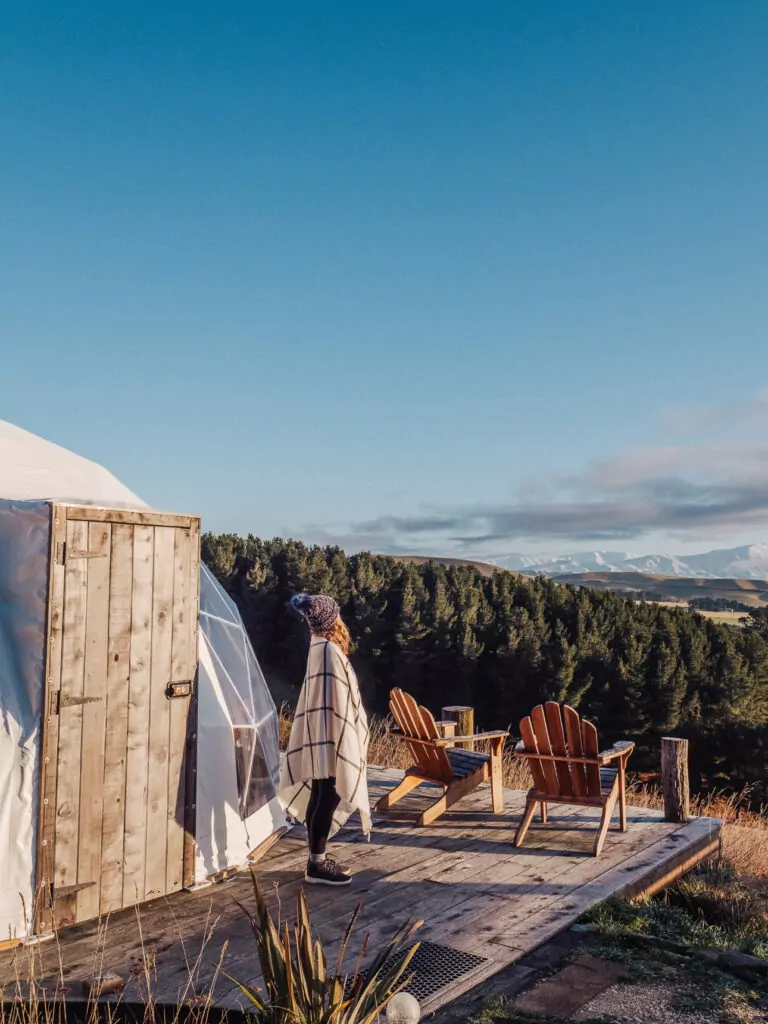
- Glamping in the Waitaki Valley. Two of my all-time favourite glamping spots on the planet are located in the Waitaki Valley, the geodesic domes at Valley Views and the boutique tiny homes in the trees at Nest Treehouses.
Where to stay in Ōamaru & Waitaki Valley
- Campground: Kurow Holiday Park or Ōamaru TOP 10 Holiday Park
- Budget: Ōamaru Backpackers or Old Bones Lodge (Ōamaru)
- Mid-range: Poshtel Ōamaru, Highlands on Homestead (Ōamaru) or Waitaki Braids Lodge
- Luxury: Pen-y-bryn Lodge (Ōamaru)
- Unique: Valley Views domes (Waitaki Valley), Nest Treehouses (Waitaki Valley), Dansey’s Pass Lavendar Farm (this one’s down a public gravel road, many rental vehicle operators have a blanket ‘no unsealed roads’ rule though so just check before you book)
 Valley View
- Nest Treehouse

Quick Ōamaru & Waitaki Valley tips from a Kiwi
- This is a big call but my favourite brunch spot in Aotearoa is Riverstone Kitchen, just 15 minutes north of Ōamaru. The hot smoked salmon with crème fraîche will live in my head rent-free forever.
- Hopefully you won’t need this, but if you happen to suffer any mechanical issues (like getting a nail in your car tyre driving to a rural glamping spot perhaps 🙃) I can personally vouch for the helpful crew at Hakataramea Motors haha.
Dunedin & the Otago Peninsula
Getting to Dunedin from Ōamaru: 1h 30m (113km)
Where to stop between Ōamaru and Dunedin
- The Moeraki Boulders, eerily spherical rocks scattered along the beach and emerging from the sand dunes that date back to 60 million years ago. The café there charges $2NZD to take their private shortcut path down to the beach, but you can avoid paying by walking an extra five minutes for the public access. I wouldn’t go out of my way for them, they’re a bit of a tourist trap, but you’re driving past anyway so you may as well stop!
- The Fishwife in Moeraki for super fresh kaimoana (seafood)
- Canoe Beach and Purakaunui Beach for sea lion spotting and birdwatching
How long to stay in Dunedin: Ideal 2-3 nights / Minimum 2 nights
Why stop in Dunedin & the Otago Peninsula
Unlike most stops on this South Island road trip, Dunedin is a normal city with a normal population doing normal things that mostly have nothing to do with tourism.

There’s a refreshing lack of tour buses and tacky souvenir shops, many experiences are tailored to domestic visitors rather than being commercialised for the international market, and a high student population means affordable eats and superb coffee.
The Otago Peninsula curling off the city’s eastern edge is a must-stop too, with wildlife-spotting opportunities from land and by boat.
What to prioritise in Dunedin & the Otago Peninsula
- Wildlife watching. The Otago Peninsula is home to the world’s only mainland breeding colony of the Royal Albatross, plus you can often spot hoiho (yellow-eyed penguins), sea lions and kekeno (NZ fur seals). Join a tour to increase your chances while learning about the region’s ecosystem.
- Tunnel Beach. Just a 10 minute drive from Dunedin’s city centre, this secluded beach is surrounded by sandstone cliffs and only accessible by a hand-carved tunnel from the 1870s. It’s a 5 min walk to the first viewpoint, if you want to go right down it’s about 1h return with a steep walk back up. Stick to the path to protect critically endangered plants on the headland, and wear grippy shoes because the tunnel and rocks can be super slippery.
- New Zealand’s only castle. Larnach Castle has been watching over the Otago Peninsula since the 1870s, with lavish interiors, lush gardens and a scandalous backstory.
- Travelling back in time to the Gold Rush. Get comfy in classic 1930s carriages before departing the grand Dunedin Railway Station and riding the Taieri Gorge Railway through rugged Otago countryside that’s inaccessible by road.
- Walking the steepest street on the planet: Holding the world record with a 35% gradient at the steepest point, Baldwin Street is a leg-burner. Tourist trap? Sure. Still cool for a photo? Absolutely.
Where to stay in Dunedin & the Otago Peninsula
- Campground: Portobello Village Tourist Park
- Budget: Manor on the Park Backpackers
- Mid-range: Beechwood Boutique Accommodation, Bluestone on George
- Luxury: Fable Dunedin, Ebb-Dunedin
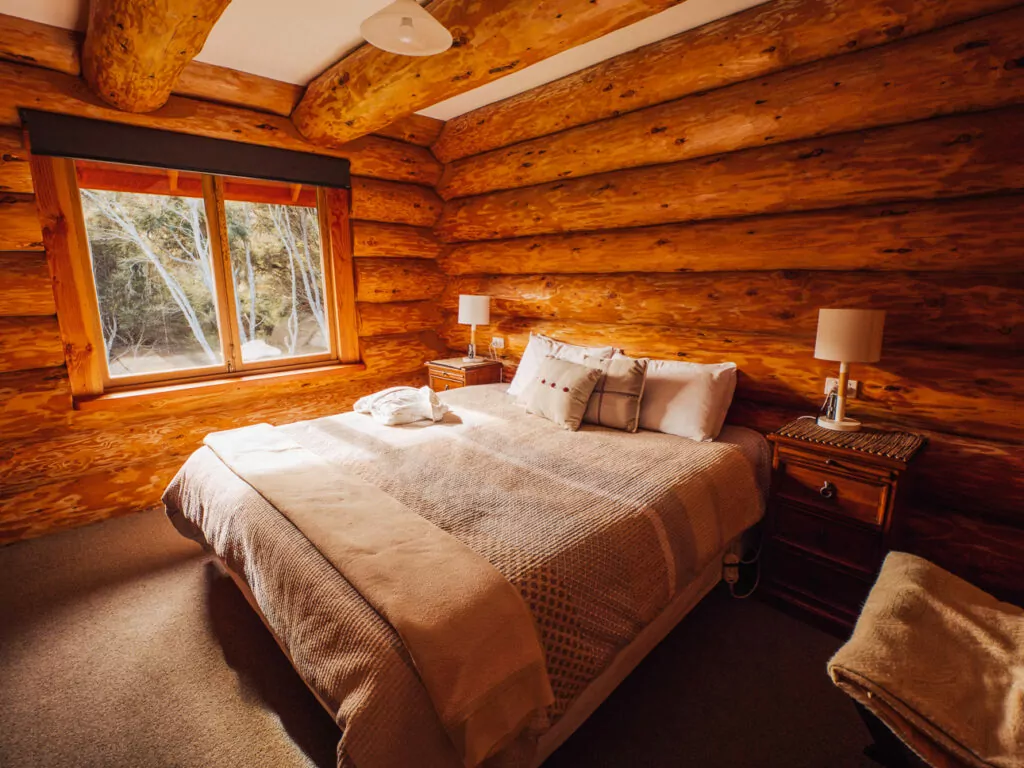
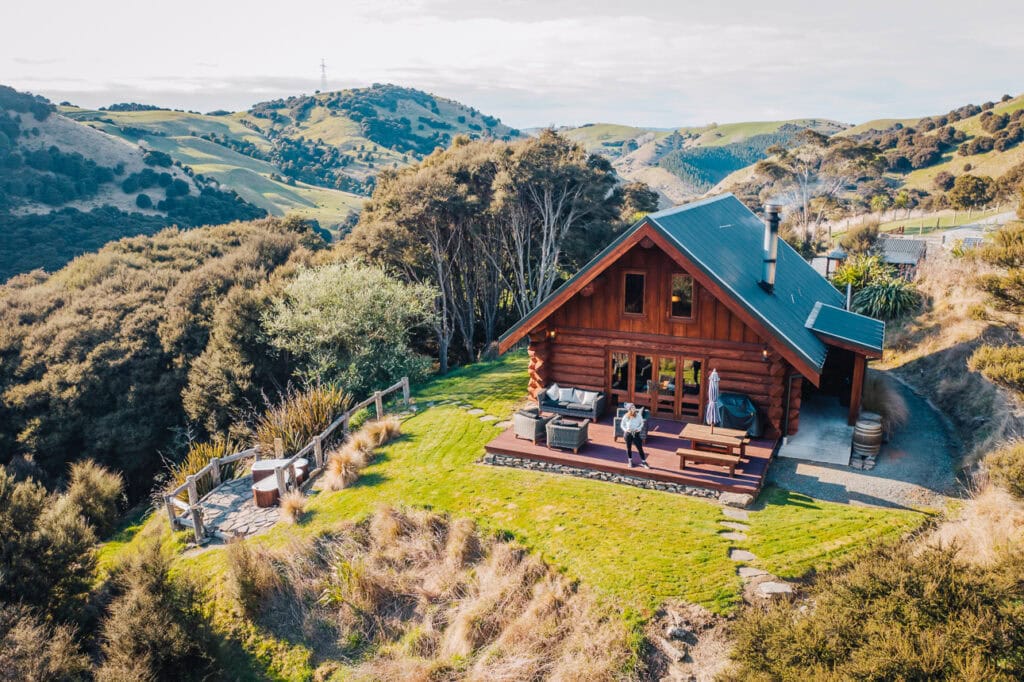
- Unique: Larnach Lodge (on the castle grounds), Camp Estate by Larnach Castle (a luxury country house nearby that includes meals at the castle) or Cascade Creek Retreat (an incredible log cabin about 45 mins from Dunedin)
 Cascade Creek Lodge
 Cascade Creek Lodge
Quick Dunedin tips from a Kiwi
- Please don’t be the idiot that drives up Baldwin Street and tries to turn around at the top or in someone’s driveway, especially if you’re in a campervan. It’s a residential area with locals who need to go about their business without tourists getting in the way. Park at the bottom and walk up for the shot.
- There’s a rumour online that Dunedin Railway Station is the most photographed building in NZ and the second-most photographed building in the Southern Hemisphere, both are blatant lies 😂 Just off the top of my head I’d hazard a guess that the Sky Tower and Tekapo’s church are both significantly more photographed, but there’s no doubt the station is stunning, so pop in for a look!
The Catlins

Getting to the Catlins from Dunedin: 1h 20m (100km) to Kaka Point, the northern gateway to the Catlins
How long to stay in the Catlins: Ideal 2-3 nights / Minimum 2 nights
Why stop in the Catlins
Tucked away on the far southeastern corner of the South Island between Dunedin and Invercargill, this what I imagine most of the island looked like before the state highways were built. Even many Kiwis would have no idea where The Catlins are!
Come here for moody nature walks, a photogenic wind-lashed coastline and beaches where sea lions and penguins outnumber the people hoping to spot them.
What to prioritise in the Catlins
- Chasing waterfalls. Purakaunui Falls (20 min return walk) is the star attraction with its cascading tiers, but McLean Falls (40 min return), Barrs Falls (10 min return) and Matai Falls (40 min return) are beautiful and easy to reach too.
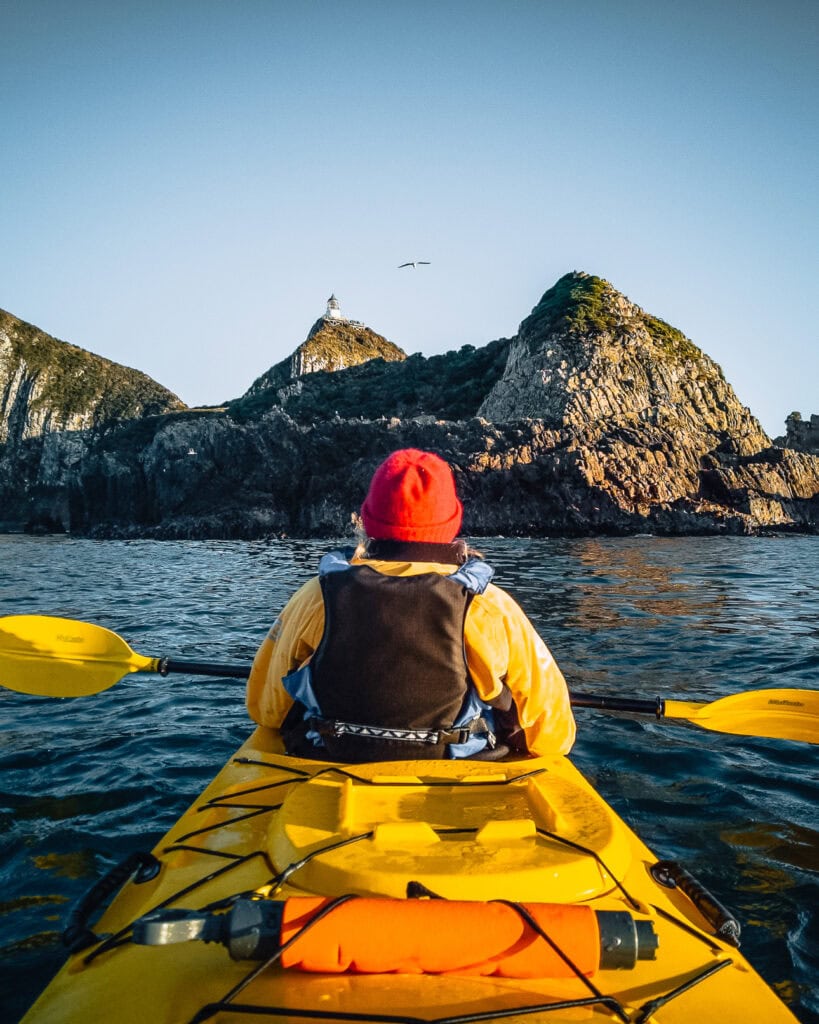
- Nugget Point Lighthouse. This is probably the most recognisable location in the Catlins, with a 9.5m lighthouse standing on a headland that juts out into the ocean and keeps watch over the rocky islands or ‘nuggets’ below. Go at sunrise for the best shots.
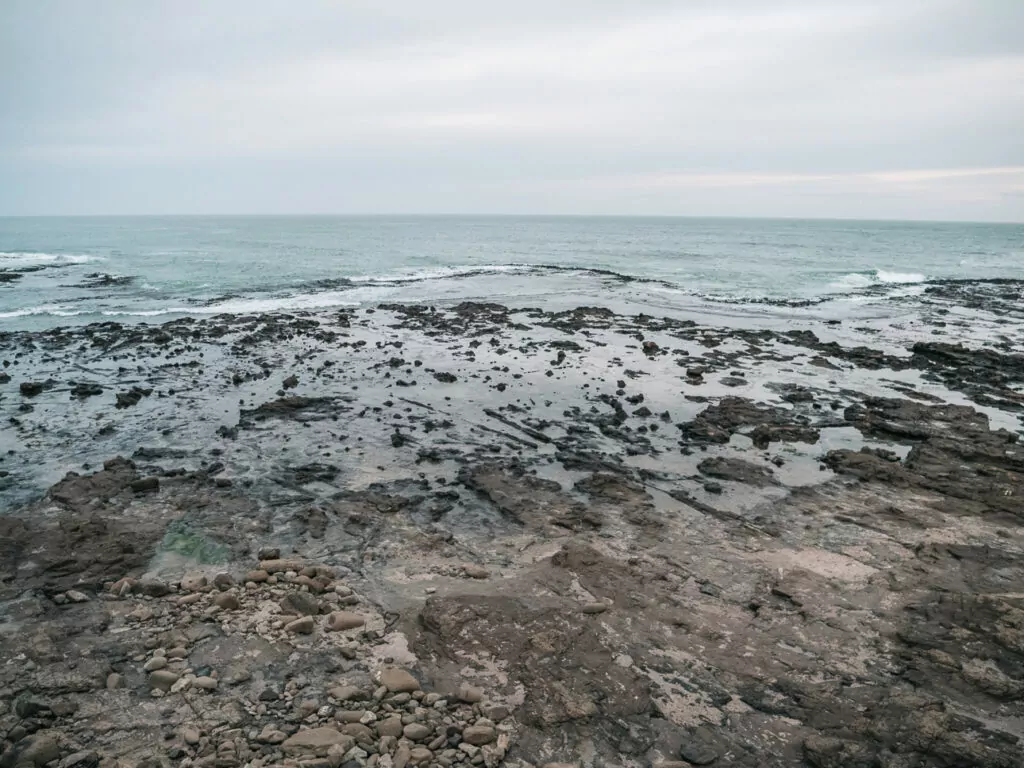
- The Petrified Forest. You’d be forgiven for thinking that Curio Bay’s exposed rock shelf is just a typical collection of tidal pools, but if you look closely you’ll see fossils of tree stumps and branches dating back 170 million years to the Jurassic period 🤯 go at low tide, check tide times here.
- Wildlife encounters without the tour buses. Spot sea lions lounging in the dunes at Surat Bay, watch Hector’s dolphins play in the surf at Porpoise Bay and join a locally-guided sunrise walk to see hoiho (yellow-eyed penguins) clamber over the rocks to go fishing.
- Cathedral Caves. Two massive sea caves hidden within the cliffs of Waipati Beach, only accessible at low tide from late October to April via a beautiful bush walk. It costs $15 per adult (and $2 per child) to use the private road and track to get there, check the official website for opening times.
- Feeling the wind in your hair at Slope Point. The southernmost point of the South Island is one of the most exposed coastal spots in the country, with icy wind blowing directly from Antarctica and trees that have grown at a permanent bend 🌬️
Where to stay in the Catlins
- Campground: Catlins Newhaven Holiday Park (cheap bungalows too)
- Mid-range: Kaka Point Views Apartment, Catlins Retreat
- Luxury: The Salty Bushman (not super luxury but about as fancy as it gets down here haha)
- Unique: Beach Front Oasis
Quick Catlins tips from a Kiwi
- Infrastructure here is super super thin so be prepared. You’ll get phone service in most of the townships but it’s patchy along the coast, there’s no pharmacy, one small supermarket in Owaka, and a couple of tiny country stores with limited stock and short opening hours. Embrace the rural life!
- The Lost Gypsy Gallery is a weird and wonderful collection of handcrafted sculptures and mechanical gadgets by a local tinkerer and automata artist, one of the most unique things to do in the South Island. It’s only open from November to late April (and closed on Wednesdays), find all the info here.
- Always be cautious of wildlife on the beaches, I was walking along Surat Bay looking for sea lions and got the fright of my life when I heard a snort and there was one right behind me, hiding in the sand dunes. Keep 10m away from sea lions (for your safety and theirs).
Optional: Stewart Island / Rakiura

Getting to Stewart Island / Rakiura
- By ferry: Drive to Bluff (1-2h from the Catlins) and catch a 1h ferry
- By plane: Drive to Invercargill (45m-1h 45m from the Catlins) and catch a 20 minute flight
How long to stay on Stewart Island / Rakiura: Ideal 3-4 nights / Minimum 2 nights
Why visit Stewart Island / Rakiura
I’ve designated Stewart Island / Rakiura as ‘optional’ only because it takes extra logistics to tack on to the loop itinerary, but if you’ve come all the way to the bottom of the South Island and you want to see a place where nature truly reigns, skipping it would be a mistake.
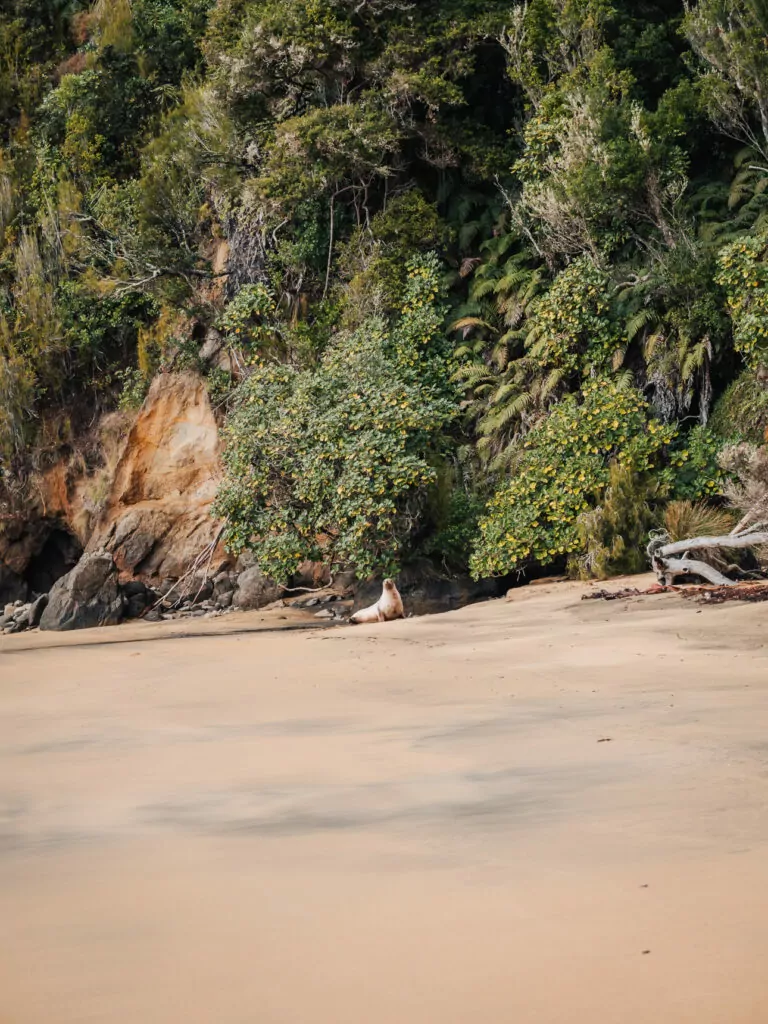
What to prioritise on Stewart Island / Rakiura
- Seeing a kiwi in the wild. 20,000 kiwi roam free here, so confident in their territory that they’re practically undeterred by people and can sometimes be spotted crossing hiking paths in the daylight. Don’t rely on a chance sighting though, a kiwi tour with an expert bird nerd is your best bet.
- Ulva Island. A short water taxi from Oban takes you to this predator-free sanctuary that’s flourishing with native birds. Book a guided tour for the full experience.
- The Rakiura Track. This three-day 32km loop takes you through native forest, past abandoned settlements and along tropical-looking beaches (with ice cold water 🥶).
- Stargazing and astrophotography. As an official Dark Sky Sanctuary, Rakiura (meaning ‘glowing skies’) has plenty of areas that are totally unimpeded by artificial light, making it the perfect place for stargazing. If you’re reeeally lucky you might even witness the Aurora Australis dancing over the horizon.
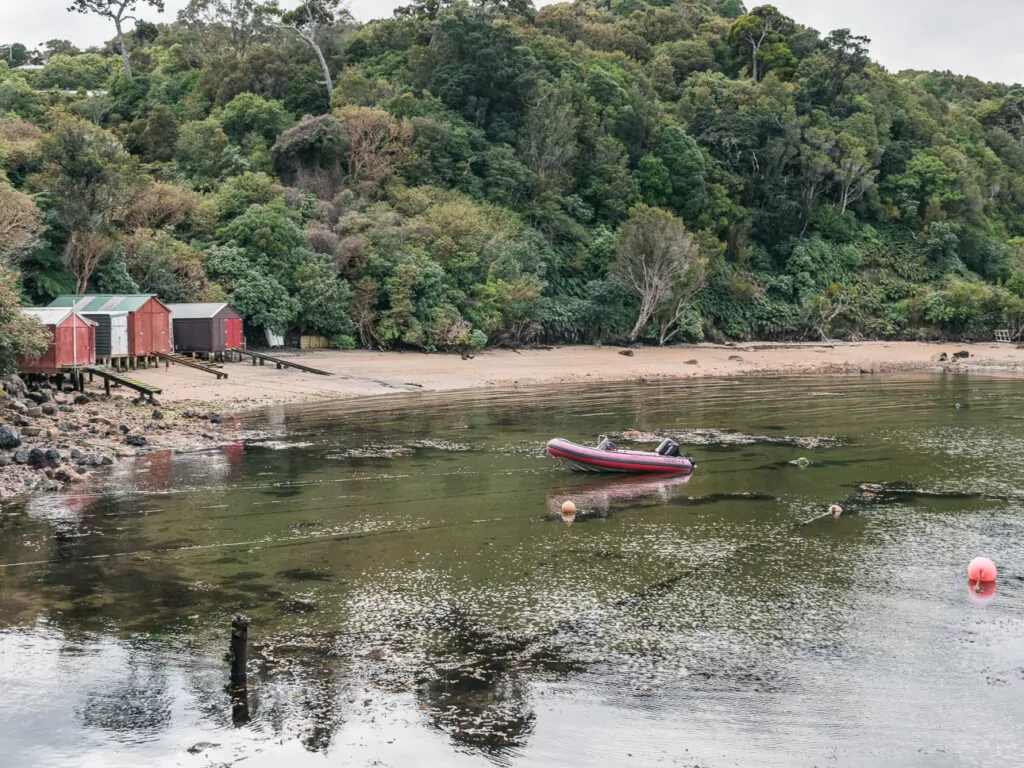
Where to stay on Stewart Island / Rakiura
- Budget: Stewart Island Backpackers or South Sea Hotel
- Mid-range: The Bay Motel or Kaka Retreat Motel
- Unique: Tokoeka or Hananui PurePod (so high on my accomm bucket list!)
Quick Stewart Island / Rakiura tips from a Kiwi
- The ferry across Foveaux Strait from Bluff to Stewart Island can be roughhhh. It’ll be cancelled if conditions are dangerous so don’t be concerned for your safety, but if you’re prone to seasickness then take (strong) medication before the trip or fly from Invercargill instead.
- South Sea Hotel has a buzzing pub quiz every Sunday if you want to meet the locals
- Kai Kart’s blue cod fish and chips are life-changing
Te Anau
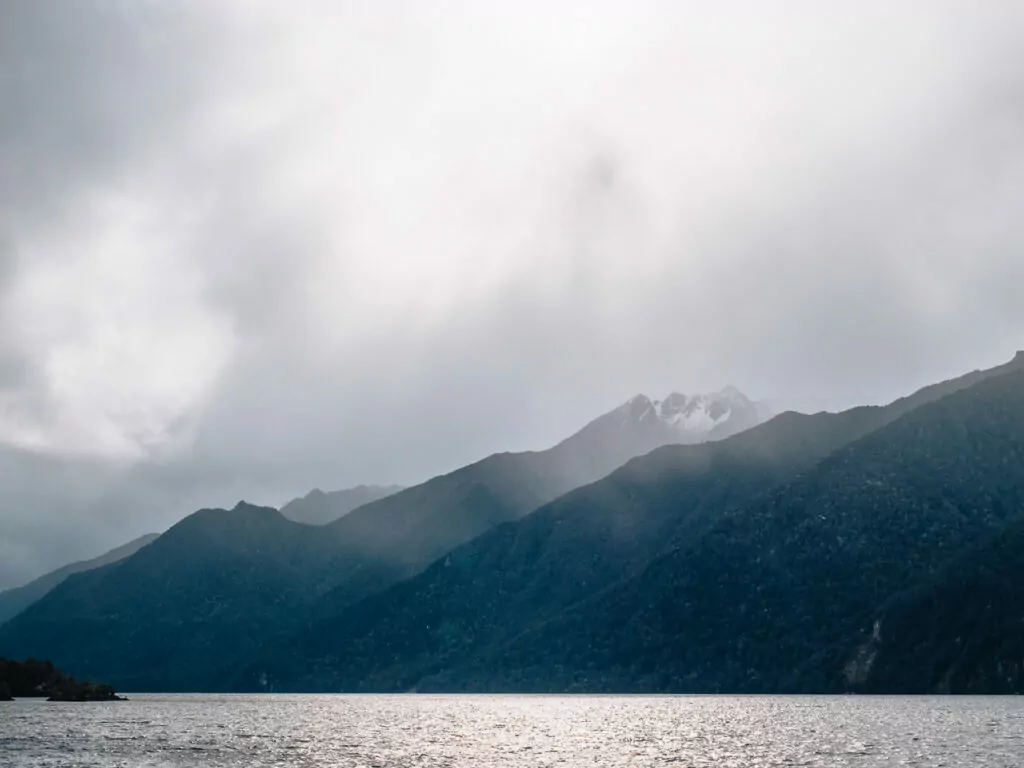
Getting to Te Anau: 2h 15m (180km) from Bluff, 1h 55m (154km) from Invercargill, 2.5h-3h (230km) from the Catlins
How long to stay in Te Anau: Ideal 2 nights / Minimum 1 night
Why stop in Te Anau
Often overlooked as being just a stopover on the way to Milford Sound, Te Anau is a peaceful town on the shores of the South Island’s largest lake and the commercial hub of the Fiordland region.
Spend at least a night here for easy access to break up the Milford journey, refuel with hearty southern cooking, and give yourself time for the short walks and outdoor adventures nearby.
What to prioritise in Te Anau
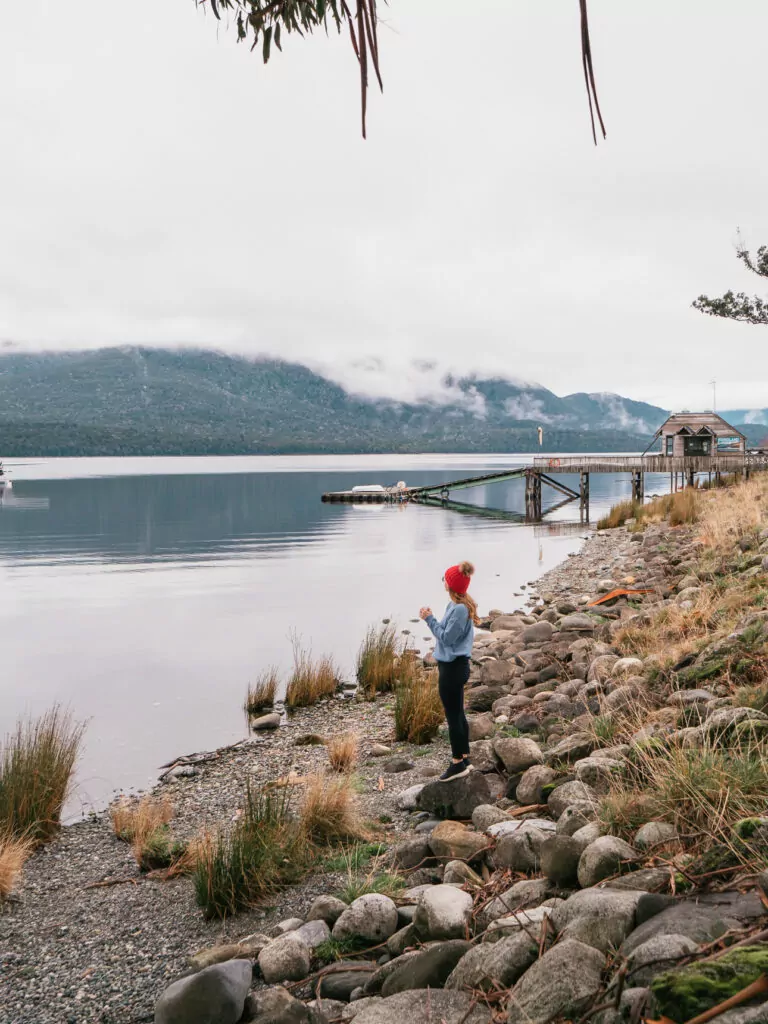
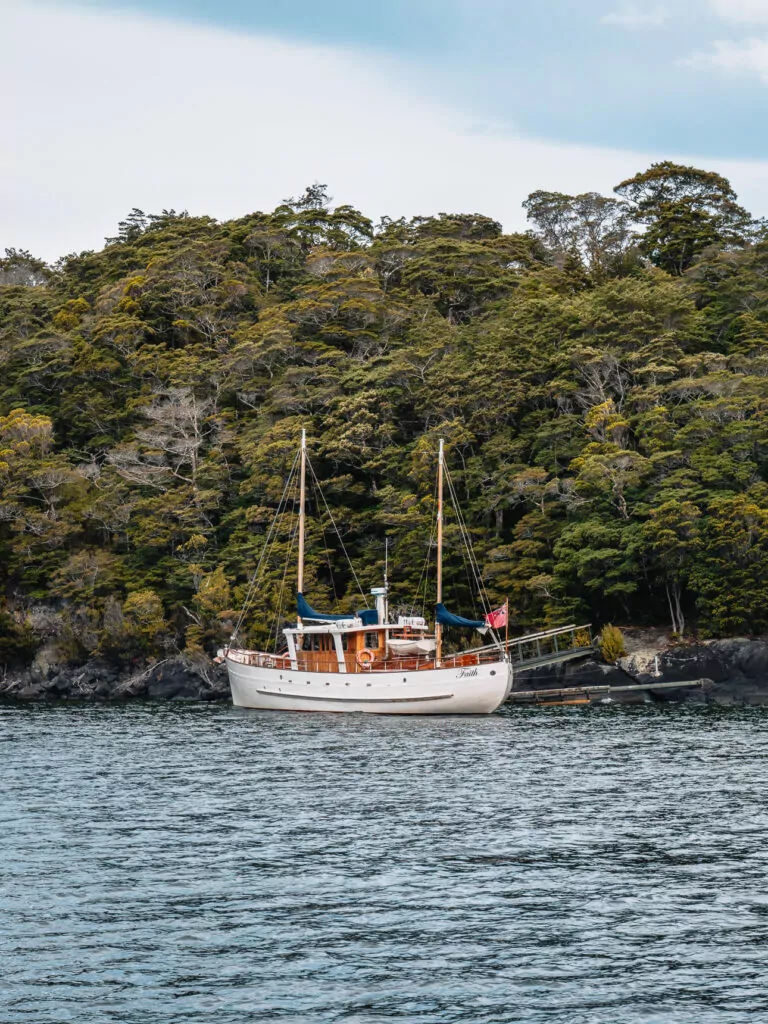
- Getting out on the lake. With the only inland fiords in New Zealand (and potentially the world), no Te Anau trip would be complete without spending some time on the lake itself. I highly recommend a lake cruise on the historic motor yacht Faith, a beautiful ship with a fascinating story (she once hosted Winston Churchill!).
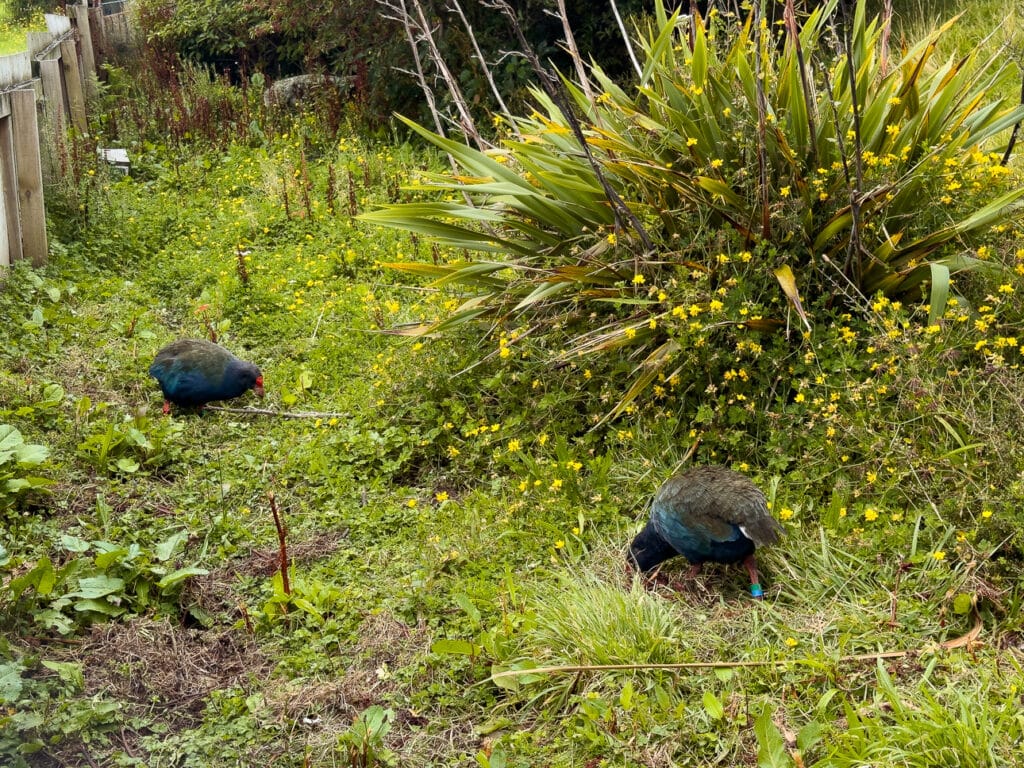
- Meeting the takahē at Te Anau Bird Sanctuary. This dinosaur-esque flightless bird was thought to be extinct for decades until it was rediscovered in the Murchison Mountains in 1948, and intense conservation efforts have grown the population to more than 500. You can spot some at the free Te Anau Bird Sanctuary on the lakefront.
- Seeing the Sounds from above. Fiordland’s dramatic landscapes make it prime territory for a scenic flight, with options ranging from quick 30 minute Kepler Mountain flyovers to this epic 3 hour highlights loop that hits the trifecta of Milford, Doubtful and Dusky Sounds with a landing in each.
- The Te Anau glowworm caves. Cruise across the lake to 12,000-year-old limestone caves and then jump onto a smaller boat to drift through a glittering grotto.
- Day hiking on the Kepler Track. You don’t need to commit to the full 60km and 3-4 nights on the trail to get a taste of this Great Walk. Catch the 15 minute water taxi across Lake Te Anau to Brod Bay and walk along the lake back to town (2.5-3h, 10.7km) or challenge yourself with the moderate uphill walk to Luxmore Hut before heading back down and water taxiing back (5-6h return from Brod Bay, 16.5km).
- Ata Whenua – Shadowland at Fiordland Cinema. This 32-minute cinematic film gives you a front row seat to stunning aerial footage captured in the most remote bits of Fiordland National Park, places you’d never get to see otherwise. Best enjoyed with a wine on a rainy day!
- The Lake2Lake cycle trail. Rent an e-bike and ride 30km between Te Anau to Manapouri along the lakeshore and Waiau River.
Where to stay in Te Anau
- Campground & budget: Te Anau TOP 10 Holiday Park, Tasman Holiday Parks or Te Anau Lakeview Holiday Park (all have dorms & cheap rooms too)
- Mid-range: Anchorage Motel
- Luxury: Radfords on the Lake (hands down the best motel in the country, feels like a home away from home 🥰), Fiordland Lodge
- Unique: Fiordland Eco-Retreat, Whitestone Retreat X by Tiny Away
Quick Te Anau tips from a Kiwi
- This little town has a top tier culinary scene, perfect for refuelling before or after your Fiordland adventures. I love Sandfly Cafe for brunch, Miles Better Pies for cheap eats, the Fat Duck and Redcliff for homestyle comfort food and Ditto for bao buns and sushi bowls.
Milford Sound / Piopiotahi
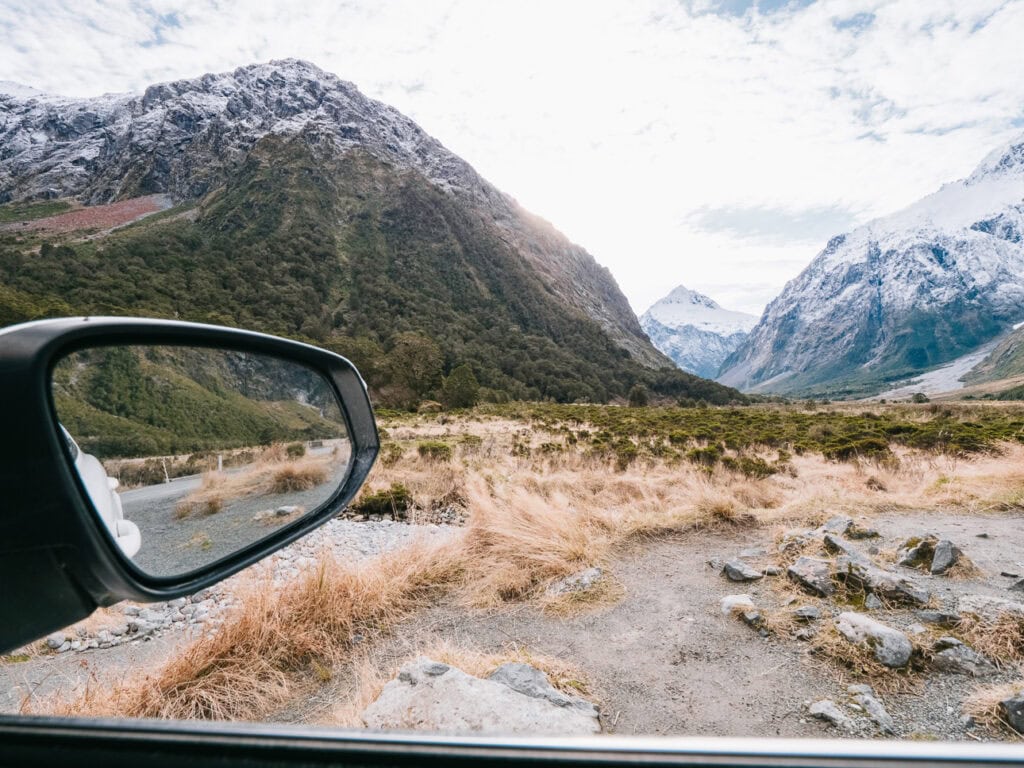
Getting from Te Anau to Milford Sound: 118km, about 2h with no wait at the Homer Tunnel (but 3h is a safe buffer in case of delays, not including stops on the way)
Where to stop between Te Anau and Milford Sound
- Te Anau Downs for views back towards the lake
- Eglinton Valley for Middle-earth landscapes
- Mirror Lakes for the prettiest mountain reflection you’ve ever seen (on a calm day)
- Lake Gunn Nature Walk (easy 45 min loop)
- Key Summit Track (moderate 3h return hike)
- Pop’s View Lookout looking over Hollyford Valley
- Lake Marian Falls (easy 20 min return walk) or Lake Marian Track for experienced hikers with proper gear (advanced 3h return hike)
- Monkey Creek, probably my favourite photo stop along the Milford Road
➡️ Planning your drive to Milford Sound? The journey there is half the magic, check out my full Milford Road guide for the best stops, short walks and helpful travel tips.
How long to stay in Milford Sound: Ideal 1-2 nights / Minimum day trip
Why stop in Milford Sound
Milford Sound / Piopiotahi is the flagship of Fiordland National Park and the South Island at its most captivating. It’s popular, obviously, but scenery this spectacular accessible with just a 4-hour, 2-road drive from a major airport is almost unheard of anywhere in the world.
The day trip crowds are intense all year, especially in summer, but dedicating a night or two here will make you one of the lucky few who get to experience it without the tour buses. I promise it’s worth it!
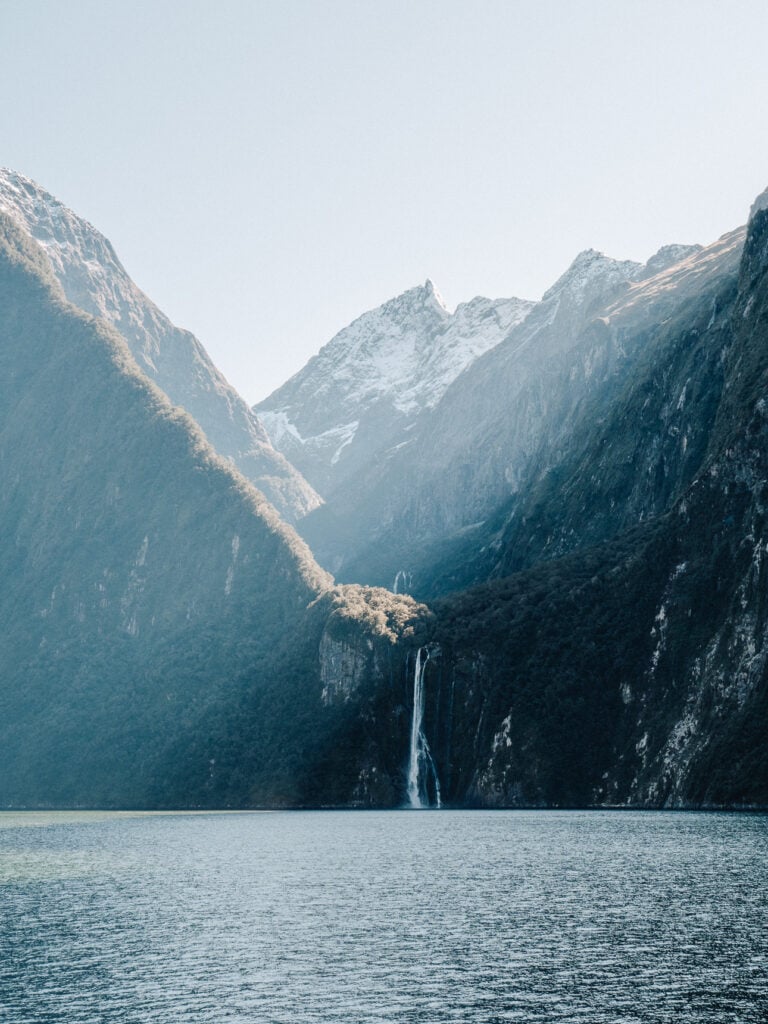
What to prioritise in Milford Sound
- A Milford Sound cruise. It would be a crime to come all the way to Milford Sound and turn around at the carpark, you’ve got to join a nature cruise to explore the fiord beyond the boat terminal. The cheapest options start from about $140-160NZD but you can level up with more time on the water, smaller boats with fewer people and even premium cruises that include a glass of bubbles and a curated tasting menu. Fancy 💁🏼♀️
- The best kayak tour I’ve ever done in my life. Words cannot do the Milford Sound kayaking experience justice, so I’ll give you some photos instead.
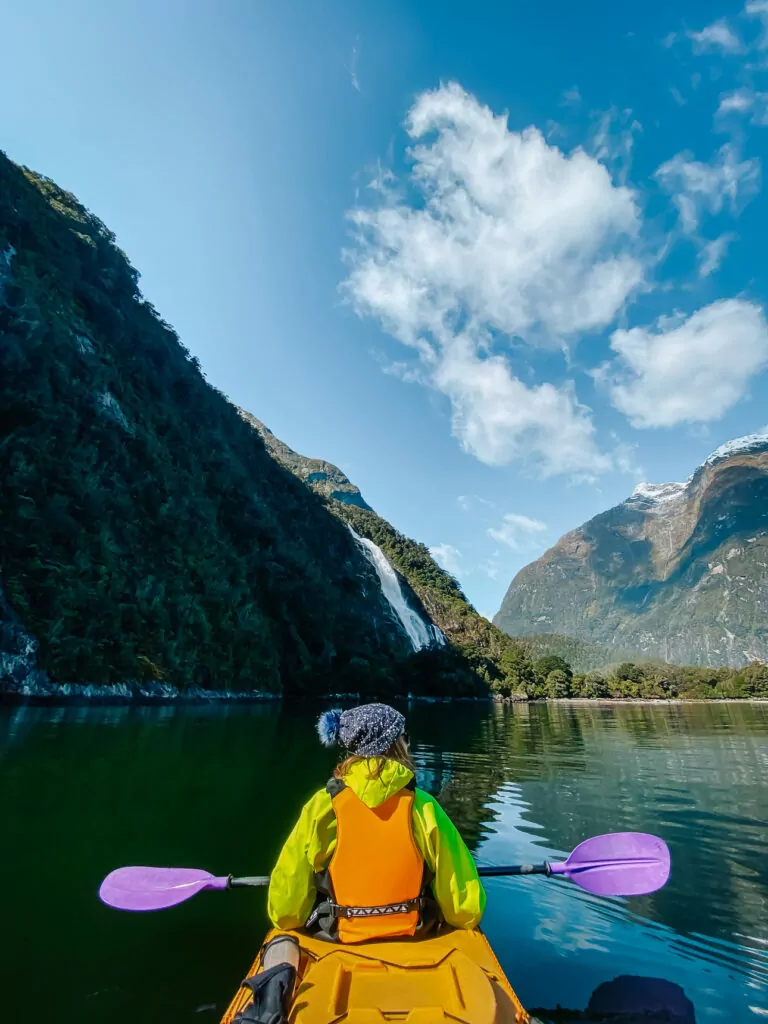
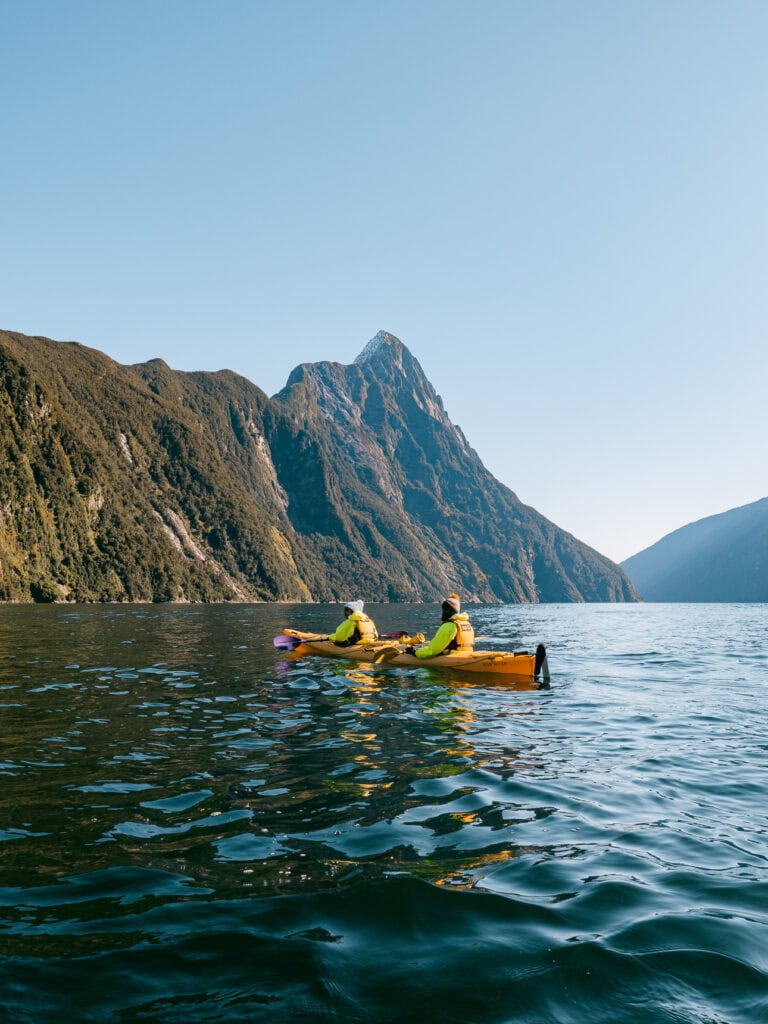
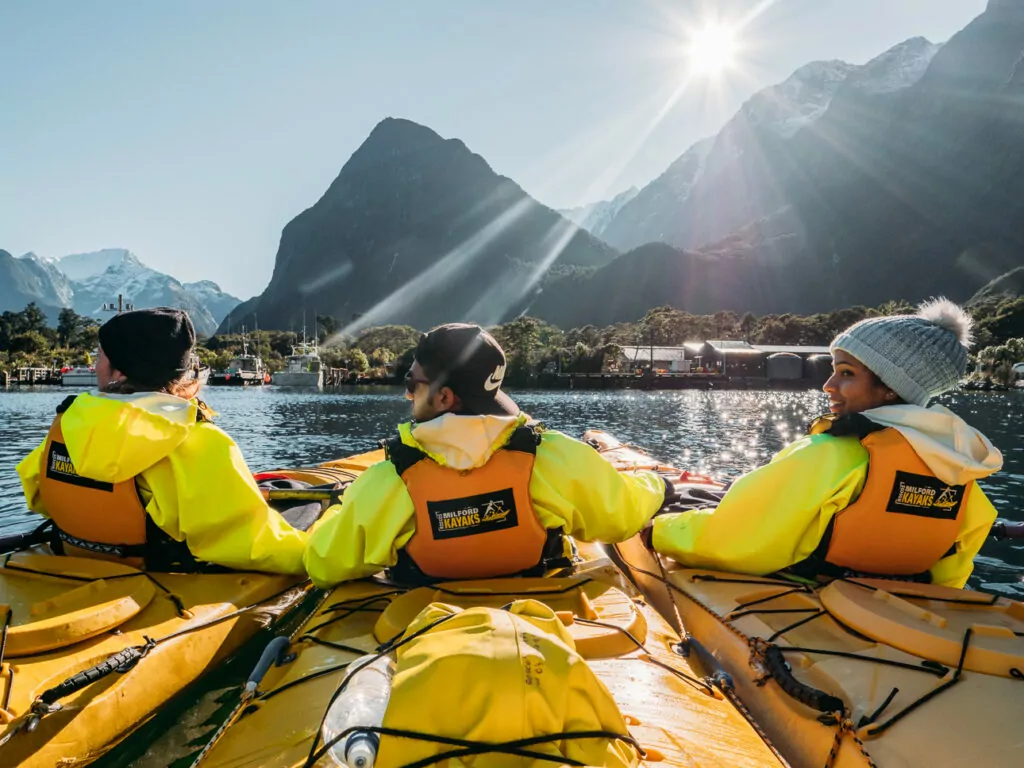
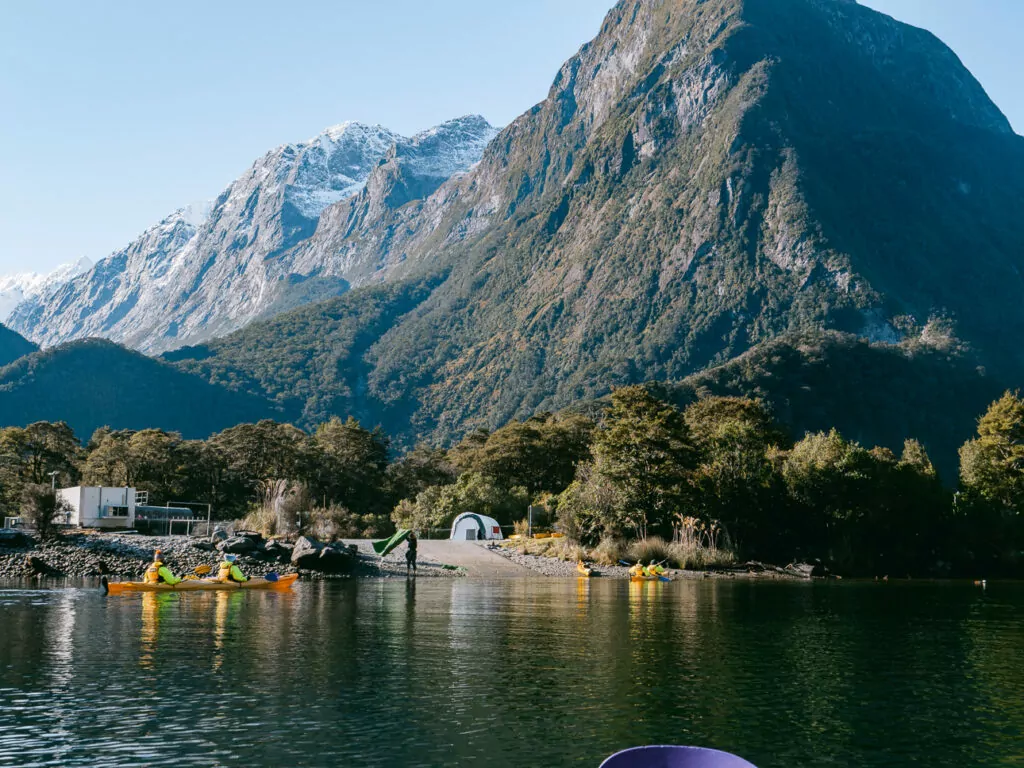
- Seeing Milford Sound from the sky. If you’re happy to splurge, a scenic flight by plane or helicopter gives you a bird’s-eye view of the fiords, craggy peaks and remote alpine lakes you can’t see from the road.
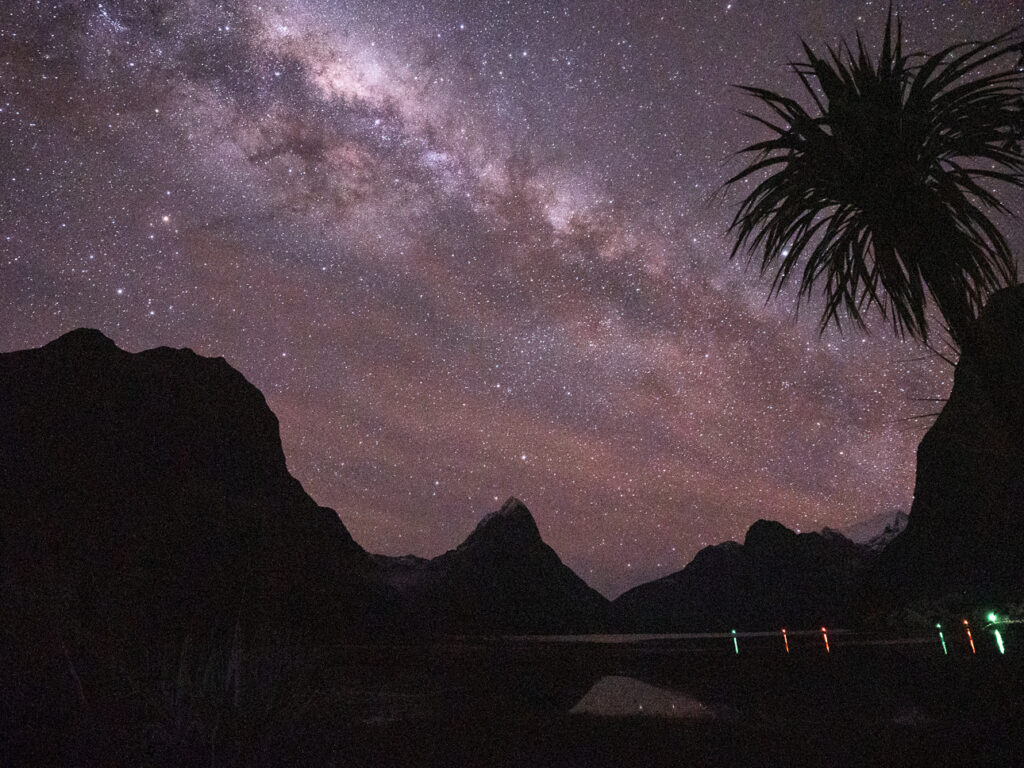
- Staying overnight. Spending a night or two here means you join the earliest morning cruise for the glassiest water without setting a 4am alarm, enjoy the Milford Highway without rushing, and experience the magic of the Milky Way over Mitre Peak.
- One of the Milford short walks. Stretch your legs between the long drive and boat trip with a short walk to the Milford Sound Lookout (20 min return) or wander the Milford Sound Foreshore (30 min loop).
- The Milford Track if you’re a serious hiker. This 4-day Great Walk is the ultimate Fiordland experience, encompassing glacial valleys, alpine rainforest and thundering waterfalls along a 53.5km track. Advanced hut bookings are essential and sell out for the Great Walk season pretty much as soon as they’re released (late May for the following summer season).
Where to stay in Milford Sound
- Campground: Rainforest Campervan Park is the only option in Milford Sound itself (advance bookings essential) but there are a handful of DOC sites along Milford Road
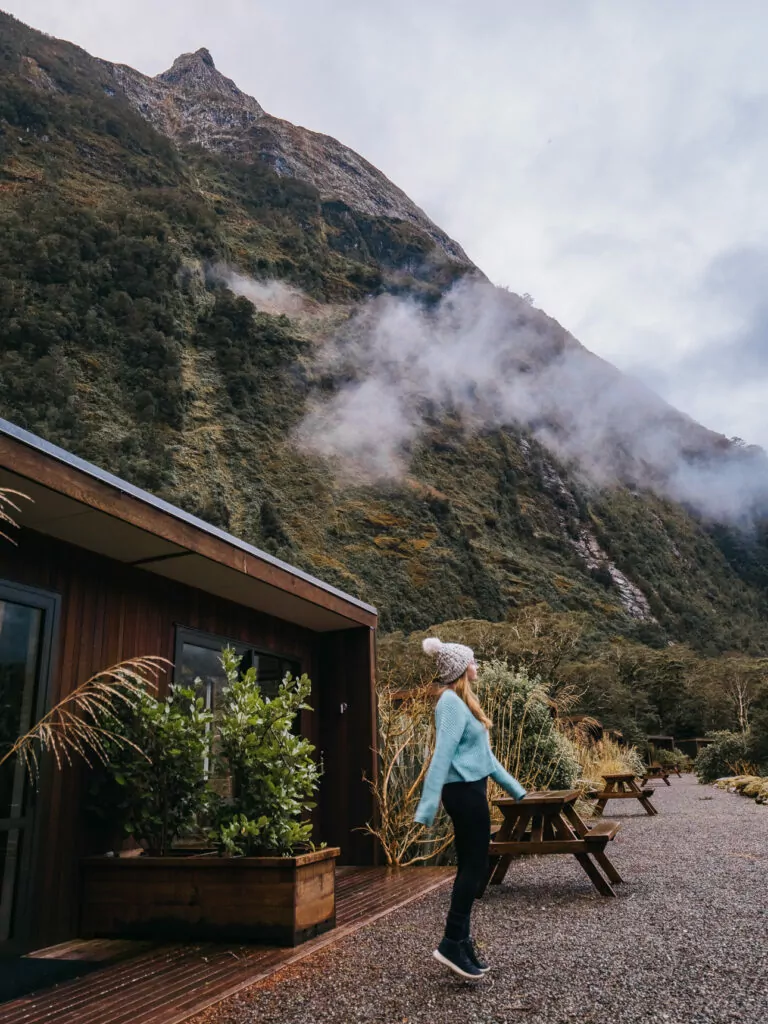
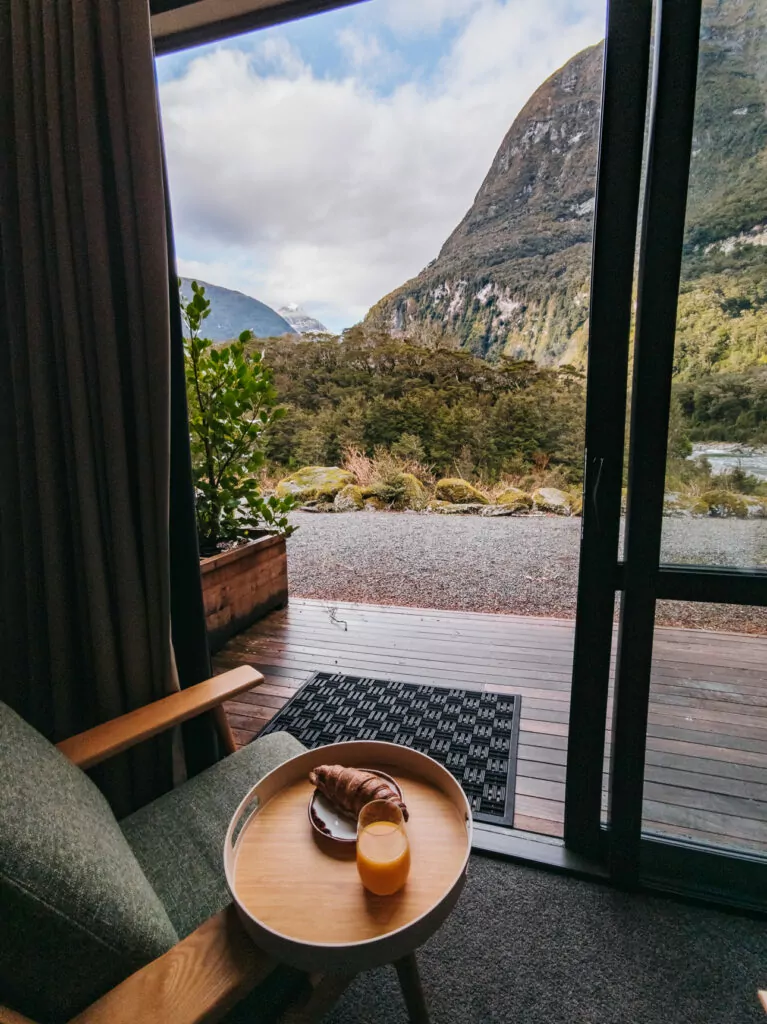
- Luxury: Milford Sound Lodge is actual paradise, eating breakfast in bed with these views is just unbeatable
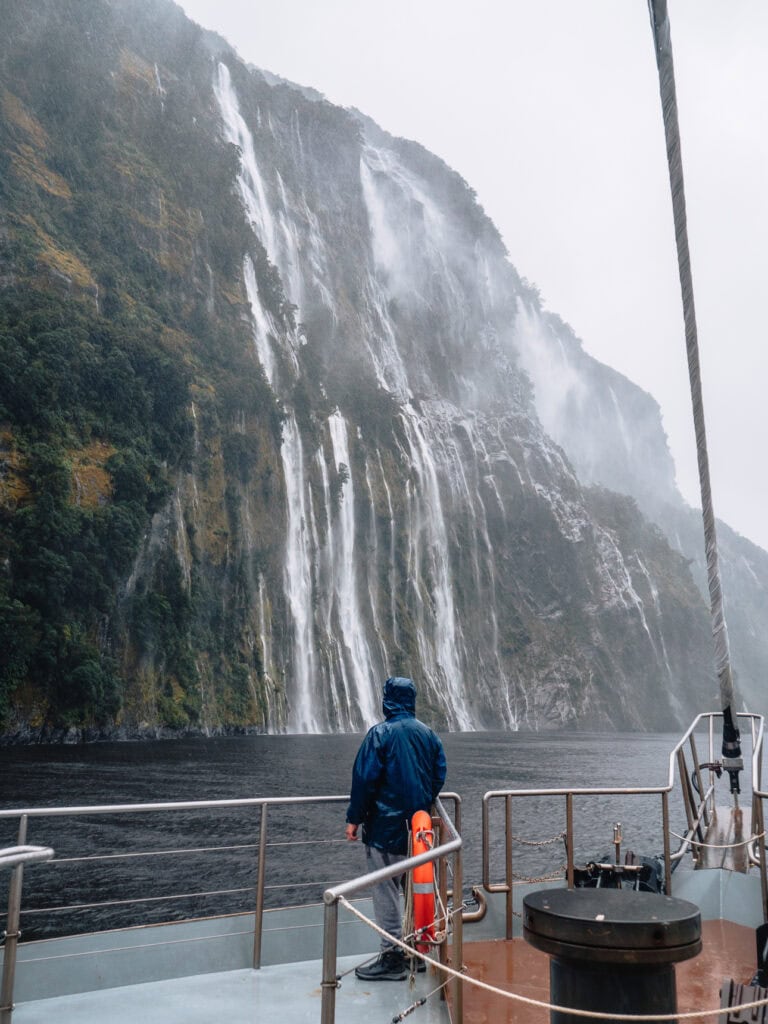
- Unique: An overnight cruise on Milford Sound lets you kayak the fiord, cold plunge into the water and soak up the scale of the mountains and waterfalls with no other boats around, plus you can photograph the sights without having to play human tetris on the top deck.
Quick Milford Sound tips from a Kiwi
- The sandflies can be ruthless around the foreshore, especially on still, damp days in summer. Use DEET insect spray or get some locally-made sandfly repellent from Te Anau or the West Coast, and cover up with long sleeves and pants unless you want to get mauled.
- There are no supermarkets and only limited (and expensive) snacks available in Milford Sound, so stock up in Te Anau or Queenstown.
- The weather can be wet and wild at any time of year, but don’t let a bad forecast ruin your mood. A rainy day wakes up the countless temporary waterfalls that turn Milford Sound into a misty and moody masterpiece, just remember to pack a good rain jacket.
- If the Milford Track is on your bucket list but you missed out on hut bookings, you can book a self-guided half day walk, a guided half day walk + nature cruise or splurge on an all-inclusive 5d/4n guided trek with the legends at Ultimate Hikes.
Doubtful / Patea
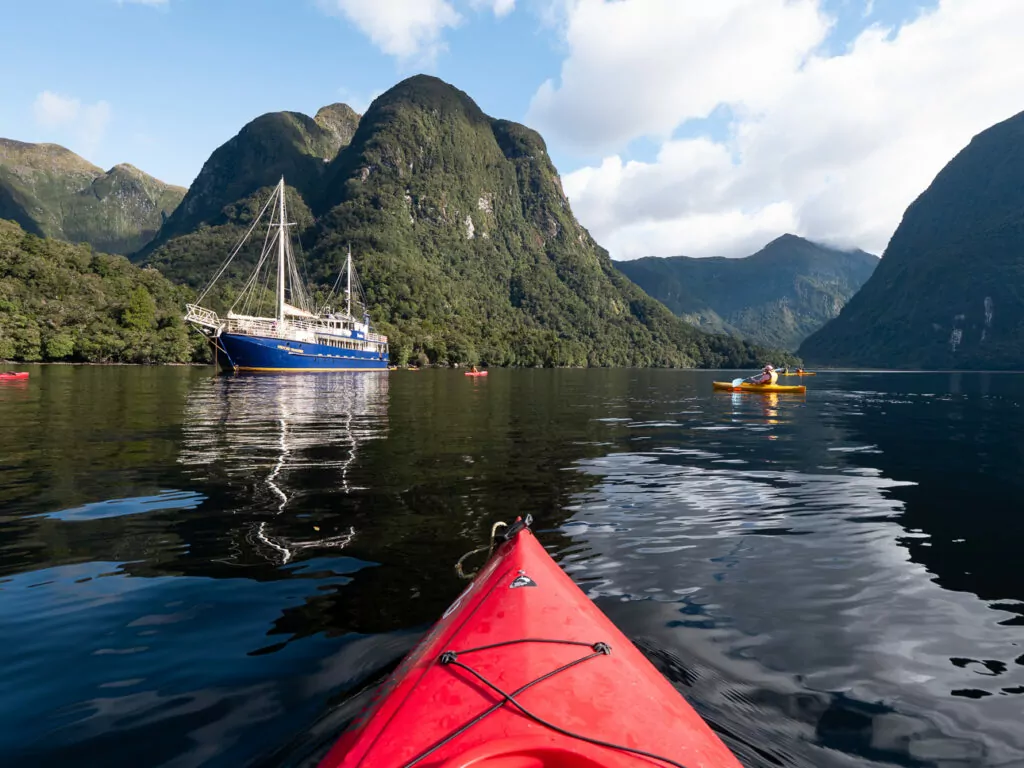
Getting to Doubtful Sound: It’s a full day affair! Tours run from Manapouri which is a 20 min drive from Te Anau, then it’s a boat-bus-boat combo to get to Doubtful Sound.
How long to stay in Doubtful Sound: Ideal overnight / Minimum day trip
Why stop in Doubtful Sound / Patea
Patea means “place of silence” in te reo Māori, which tells you exactly what to expect if you commit to the long journey to get here.
Adding Doubtful Sound / Patea to your itinerary requires a full day at a minimum, ideally from Te Anau as a base, but the time and effort required to get here pay off big time.
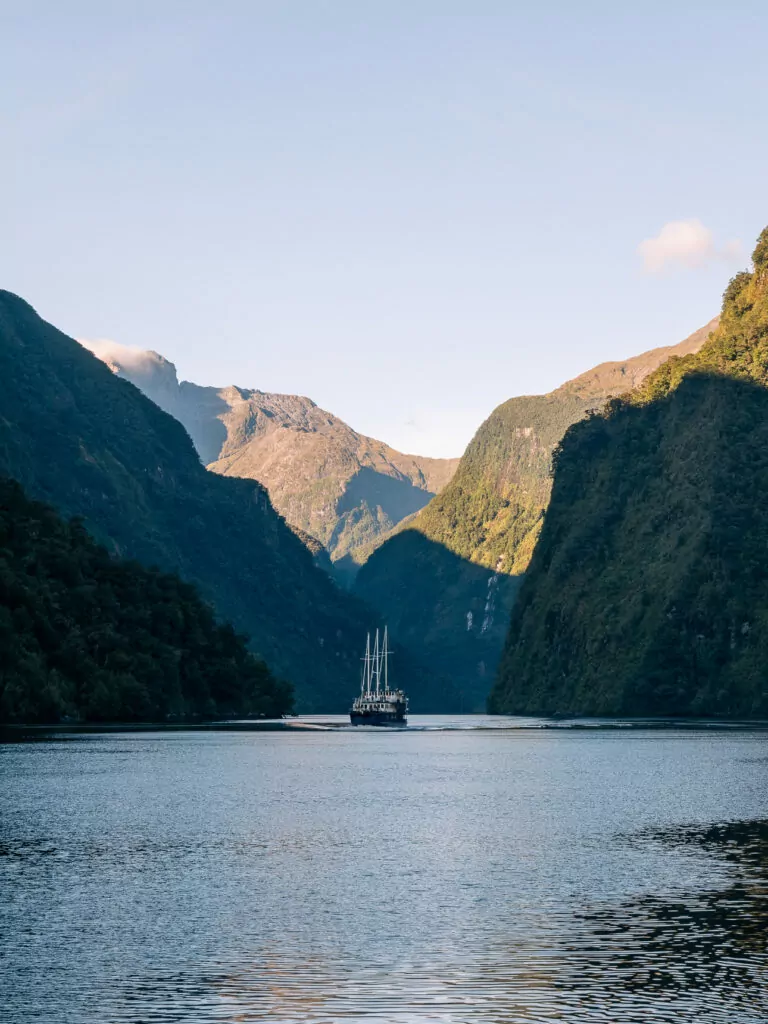
The first dilemma: Should you visit Doubtful Sound or Milford Sound?
Milford is the classic Fiordland highlight for a reason, the scenery is harsher and more striking, it’s quicker to reach and you can self-drive. But if you’re looking for serenity and solitude over drama and don’t mind a longer journey, Doubtful Sound delivers a raw, remote experience that feels a million metaphorical miles away from Milford’s buzzing boat terminal.
Doubtful is significantly larger than Milford Sound with a fraction of the visitors, and it’s also home to a resident pod of bottlenose dolphins, fur seals and the rare tawaki (Fiordland crested penguin). Sightings can’t be guaranteed (it is nature after all) but fewer boats on the water means animals are often more curious and less likely to be spooked.
My honest advice is to do both if you have the time and budget, they’re genuinely different experiences that you won’t find elsewhere in the world. If you’re limited to just one then go for Milford for iconic landscapes and convenience, or Doubtful for peace and quiet.
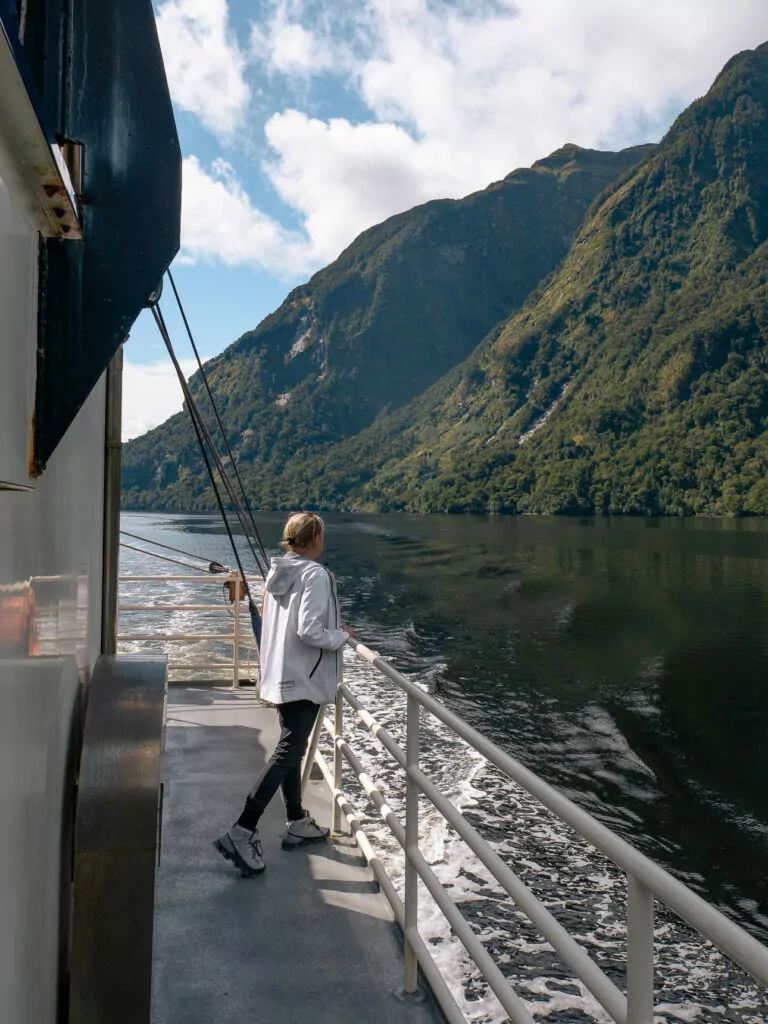
The second dilemma: Should you book a Doubtful Sound day trip or overnight cruise?
Most visitors opt for the day trip (7h from Manapouri, 8.5h with the Te Anau transfer, 13h with the Queenstown transfer 🫠), but the cruise portion is only about 2.5h. If time is of the essence then it’s still worth it, but the journey-to-destination ratio isn’t ideal.
If you’re coming alllll this way into deep, remote Fiordland, staying overnight gives you way more time on Doubtful Sound itself. You’ll be able to swim, kayak and explore by tender, witness the magic of the morning mist dissipating, and increase your chance of wildlife sightings.
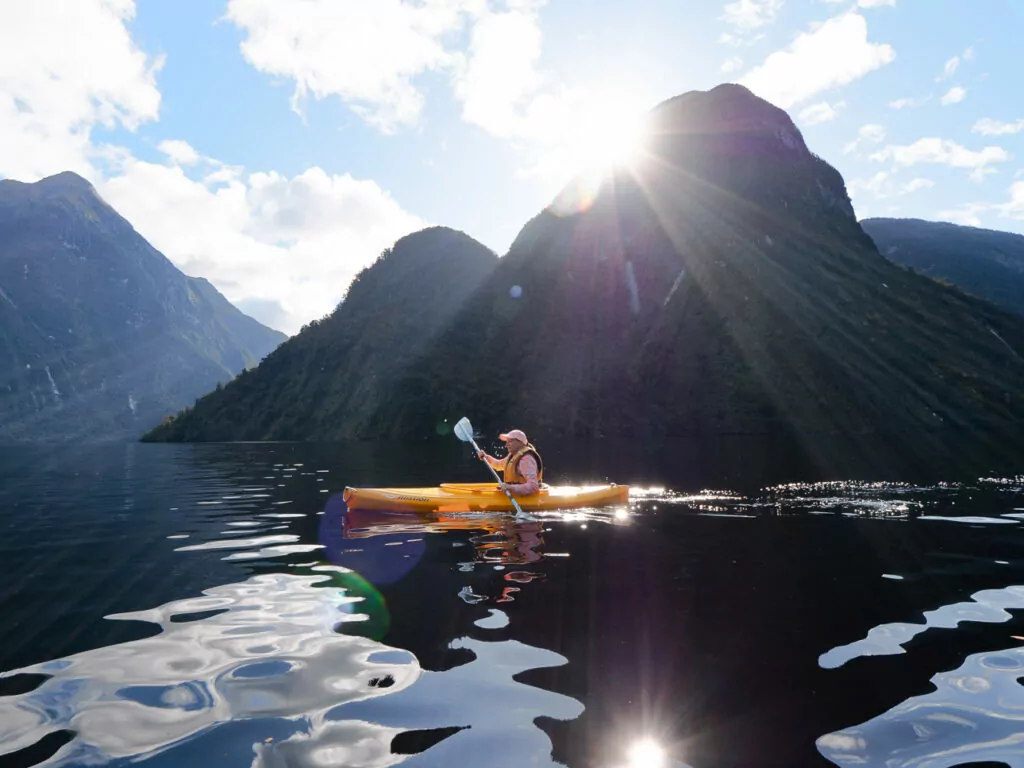
Doubtful Sound cruise options
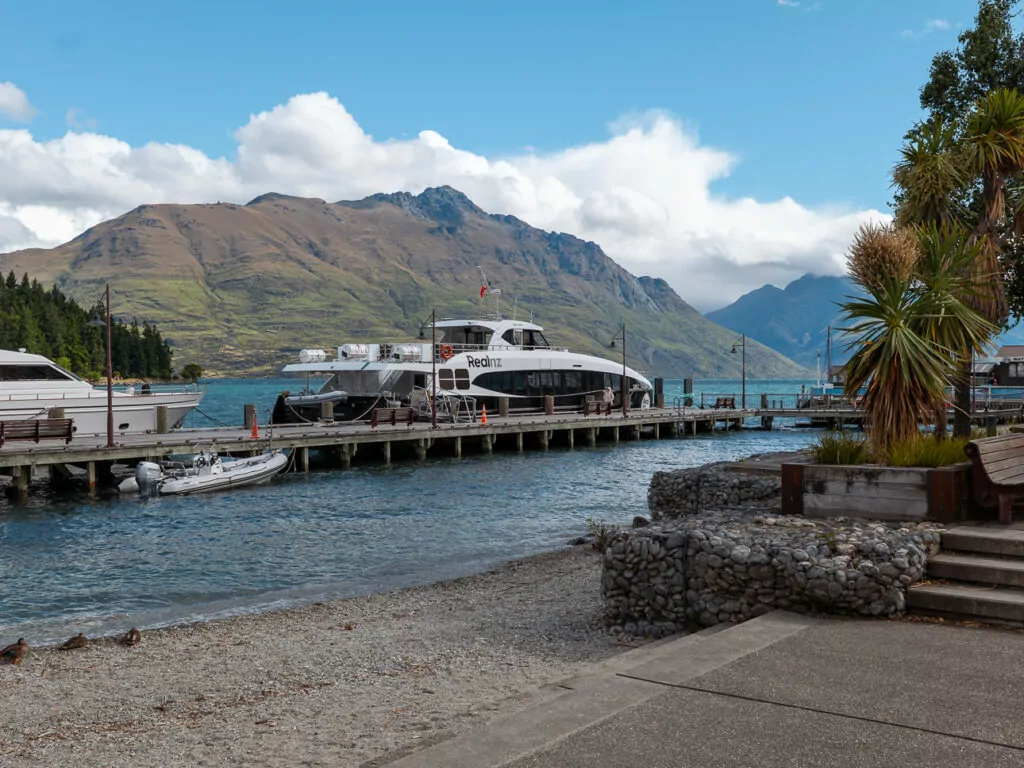
- RealNZ is the only operator offering day trips, and they’ve got the biggest ships and best amenities for overnight adventures too. I took my mum on one of their Doubtful Sound overnight cruises and it was a life highlight for both of us, just magical to wake up to total silence so far away from the constant distractions of our modern world. Teleport me there now.
- Fiordland Expeditions and Southern Secret both run small vessel overnight trips with a maximum of 12 guests
- There’s also a hostel and lodge at Deep Cove just by the ship terminal, it’s mostly used for school camps and conservation staff but you can book casual accommodation too if you’re going deep into the bush. This is for experienced outdoorspeople only, there’s literally no facilities here, no cell service, no shops, nothing.
Quick Doubtful Sound tips from a Kiwi
- I’m going to repeat this for quite a few places on this itinerary but the sandflies here can be brutal 💀 my hands got eaten alive while we were kayaking.
- Check what food your cruise includes/sells and bring extra snacks anyway, once you leave Manapouri there’s nothing apart from the shop onboard.
Queenstown
Getting from Te Anau to Queenstown: 2h 10m (170km)
Where to stop between Te Anau and Queenstown
- Devil’s Staircase Lookout on Lake Wakatipu
How long to stay in Queenstown: Ideal 4-5 nights / Minimum 3 nights
Why stop in Queenstown
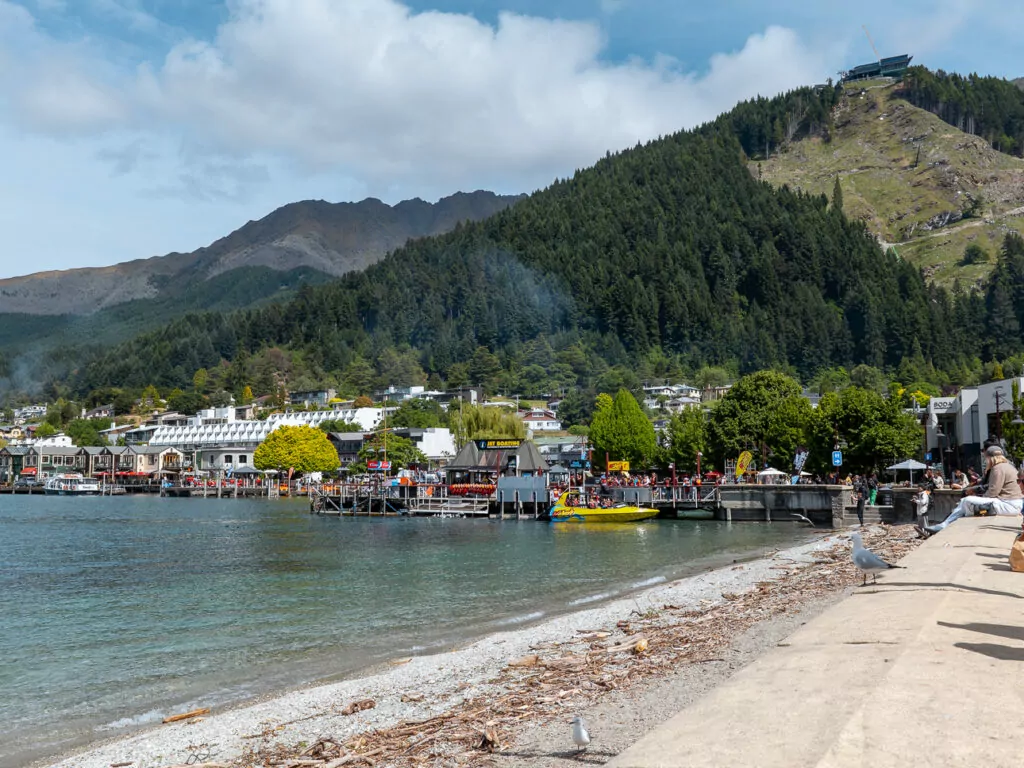
Queenstown’s built up a global reputation for white-knuckle adventures, but there’s more to this lakefront tourist hub than just spending lots of money to throw yourself off things.
You could genuinely fill a week here without getting bored, whether you’re seeking thrills, chasing culinary excellence or searching for the most rewarding hike.
What to prioritise in Queenstown
- Bucket list thrills. There’s a seriously impressive menu of adrenaline-loaded activities to get your heart rate up, from bungy jumping and paragliding to skydiving or the world’s biggest human catapult (yes, for real).
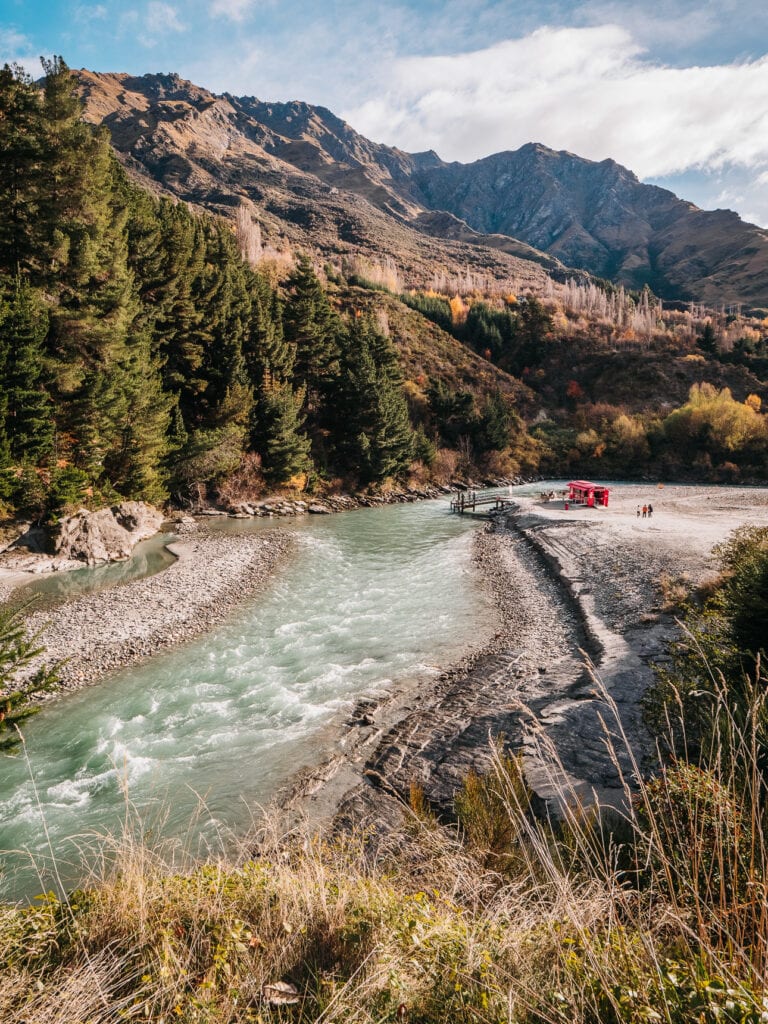
- Softer adventure options. If a freefall off a bridge or out of a plane feels like a biiiit too much for your nervous system, there are plenty of other ways to get your heart racing without a genuine fear of death. Hoon down the river on the Shotover Jet, do a 4WD Skippers Canyon tour or zipline through native forest.
- The Skyline Gondola. It’s touristy for a reason, this is the easiest way to get the full panoramic view of Lake Wakatipu and the Remarkables without committing to a massive hike or splashing out on a scenic flight. If you’re heading up then you may as well race your travel buddies on the Luge too, and the loser has to line up for Fergburger!
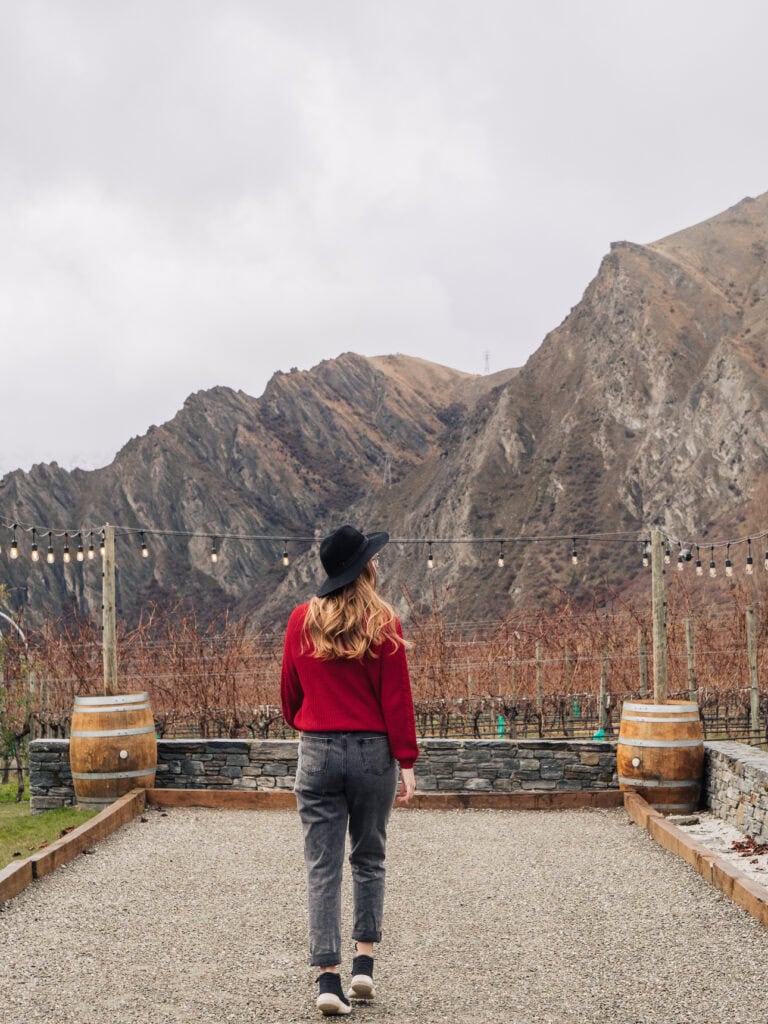
- Wining and dining. Central Otago is famous for its exceptional pinot noir, with a bunch of wineries within easy reach of Queenstown in Gibbston Valley, Bannockburn and beyond. Book a wine tour to hit multiple cellar doors with a local guide, DIY your own itinerary with the hop-on hop-off bus or treat yourself to a long lunch at Ayrburn or degustation dinner at Amisfield Estate.
- Hiking trails or ski slopes. If you’ve got the time (and the knees) the 6-8h/11km return slog up Ben Lomond is apparently worth the effort, but Bob’s Cove Track (3km return) and Moke Lake Track (6km loop) are much-loved less intense options. If you’re visiting in winter, get kitted out in snow gear and hit the Remarkables, Coronet Peak or Cardrona ski fields.
- A day trip to Arrowtown. This historic gold rush village is just 20 minutes from Queenstown and perfect for a half-day wander, it’s especially gorgeous in autumn when the foliage turns fiery.
- Rest and relaxation after a busy road trip so far. The Onsen Hot Pools are the OG Queenstown spa experience, Watershed Floating Sauna is brand new on the lakefront in 2026, or treat yourself to a fancy hotel stay at Kamana Lakehouse in their Lakeview Luxe room with a private outdoor tub.
- A lake cruise on the historic TSS Earnslaw steamship. This old gal has been cruising Lake Wakatipu since 1912, you can book a quick 1.5h cruise or pair the trip with a Walter Peak farm tour, garden-to-table dining experience or a horse trek.
Where to stay in Queenstown
- Campground: Driftaway Holiday Park or Moke Lake DOC site
- Budget: Adventure Hostel, LyLo Queenstown, Tahuna Pod Hostel
- Mid-range: Holiday Inn Remarkables Park, mi-pad Queenstown, Kamana Lakehouse (great value for what you get)
- Luxury: The Spire, Hulbert House Boutique Hotel, ROKI Collection (ultra, ultra, ultra luxe!)
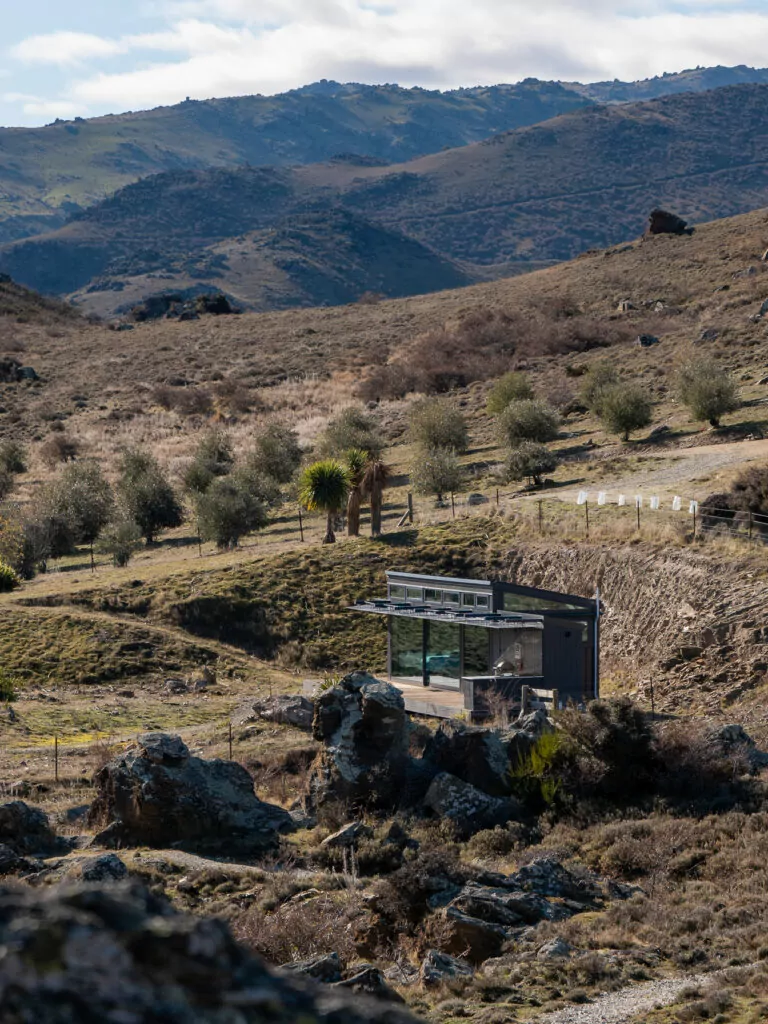
- Unique: Tāima PurePod (glass eco-cabin in Cromwell) or Glam Camping Queenstown (geodesic domes at Moke Lake)
- Taima PurePod near Cromwell
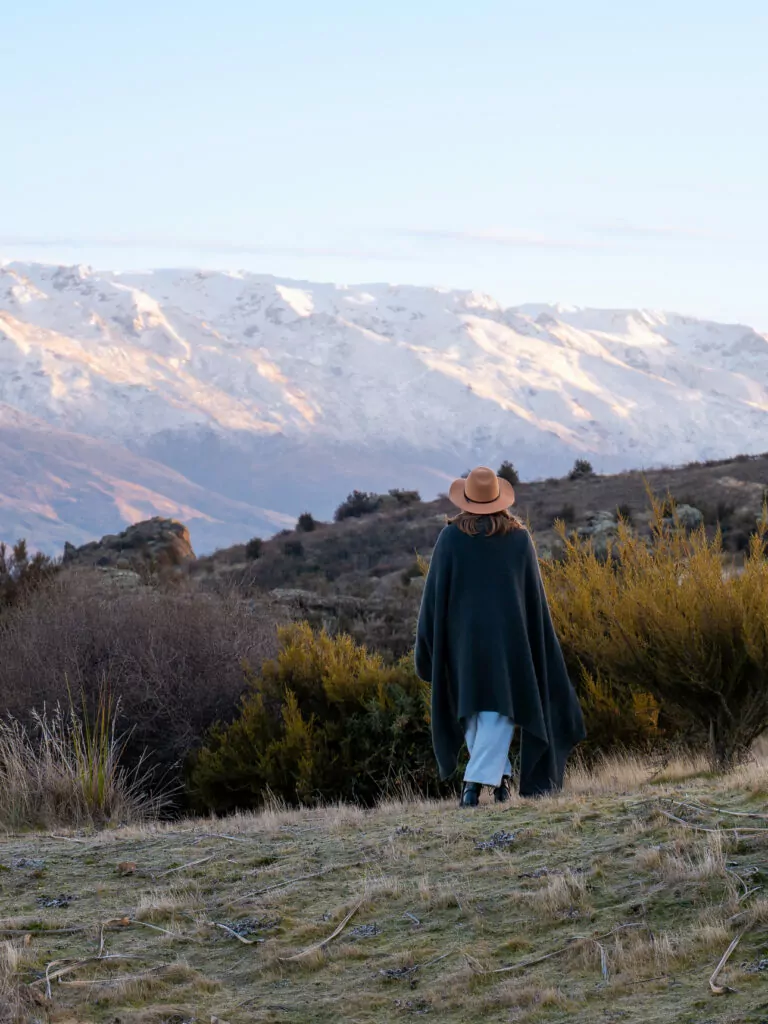
- The mountains from Taima PurePod, bliss!
Quick Queenstown tips from a Kiwi
- It’s busy all year here but peak summer (Dec-Feb) and mid-ski season (Jul-Aug) are particularly hectic, if you’re budget-conscious you need to sort your accommodation 3-4 months ahead and your rental vehicle even earlier, or else you risk being priced out.
- Controversial opinion: Fergburger gets all the glory, but the pies from Fergbaker next door are yummier and the line is never as long! If Fergburger’s a non-negotiable for you then avoid wasting time by phoning in your order in advance.
- Queenstown’s pedestrianised town centre is wall-to-wall with gift shops flogging mass-produced souvenirs at ridiculously marked up prices, you’ll find more authentic NZ-made goods in smaller towns like Arrowtown or Wānaka.
Glenorchy
Getting from Queenstown to Glenorchy: 45 min (46km)
How long to stay in Glenorchy: Ideal day trip / Minimum half day
Why stop in Glenorchy
Glenorchy somehow manages to be the pot of gold at the end of the rainbow, the gateway to Paradise and Middle-earth all at the same time.
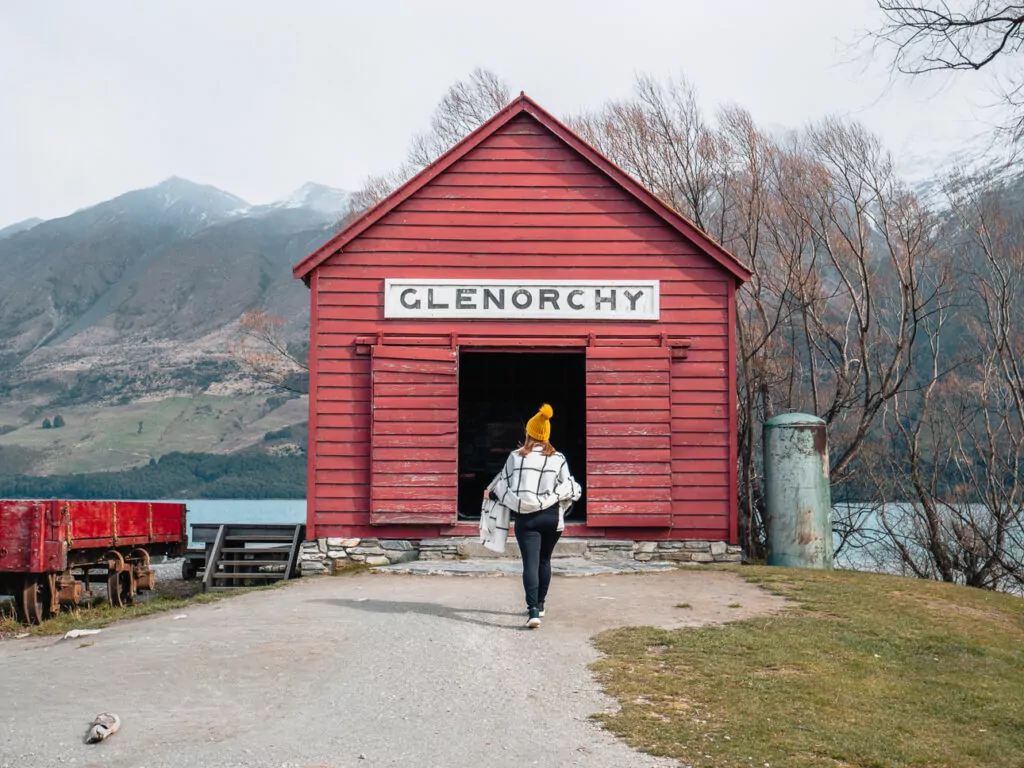
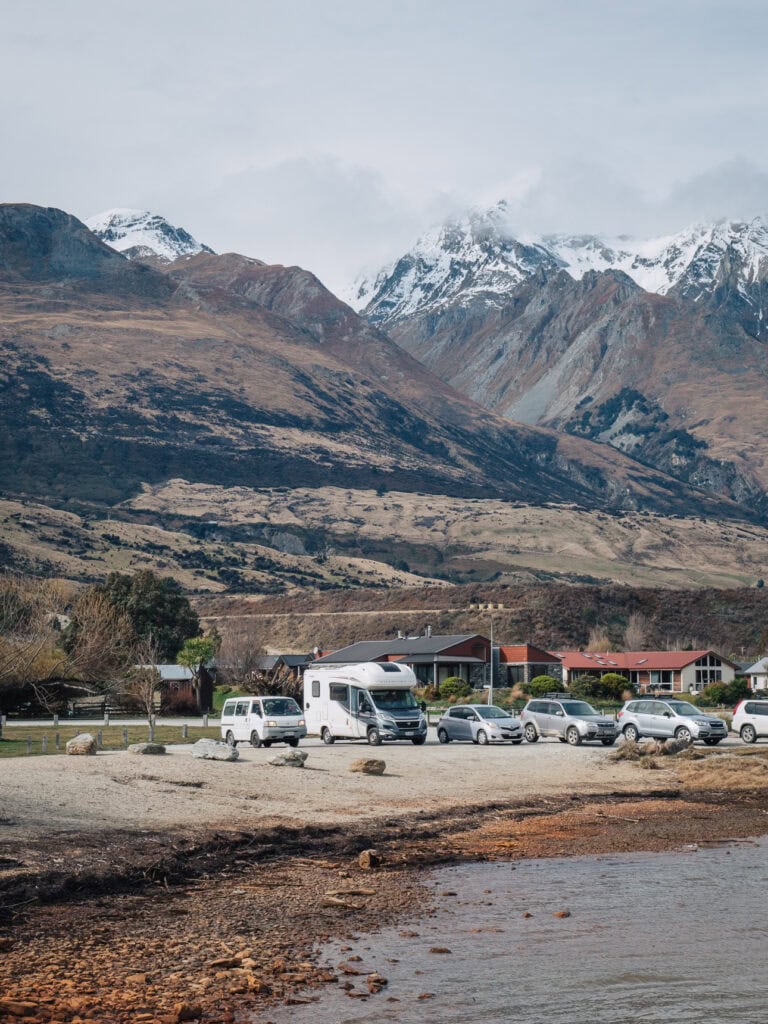
The drive from Queenstown alone justifies the detour, the red shed on the village shores is an iconic photo spot, and the mythical landscapes and outdoor adventures that lie beyond the paved roads are the real reason to linger.
What to prioritise in Glenorchy
- The scenic drive itself. The winding road from Queenstown traces the water’s edge with looming mountains on one side and a forested drop-off on the other. If you’ve only got a half-day spare from QT, driving here and back is absolutely worth it.
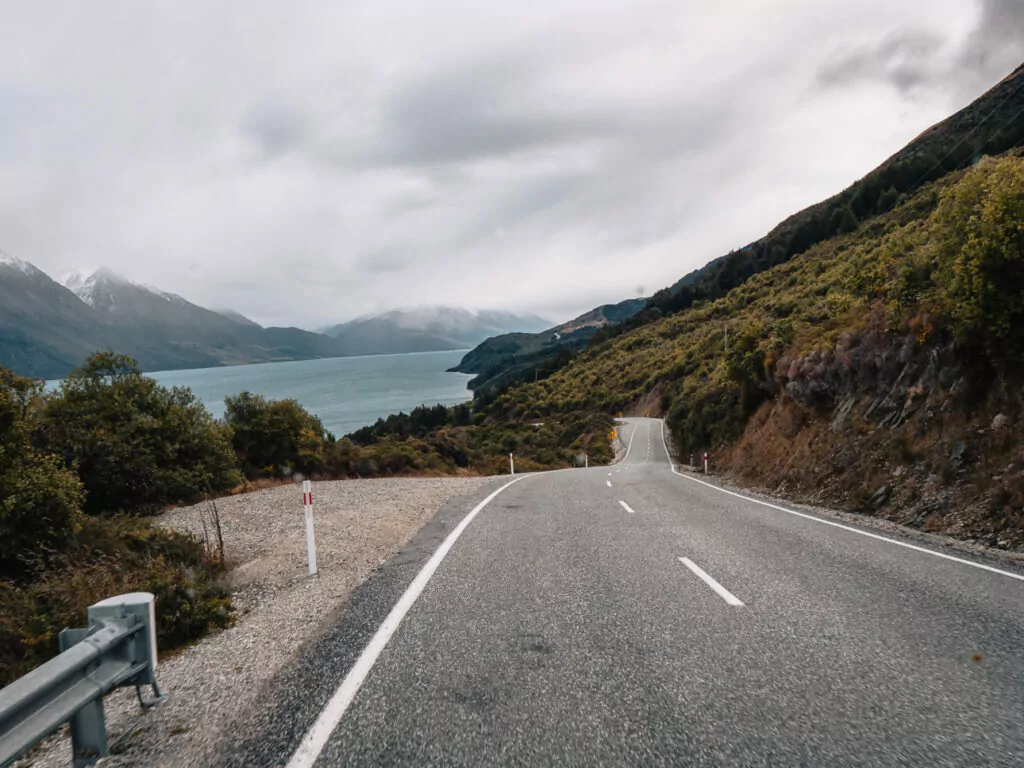
- Exploring Middle-earth. Glenorchy and Paradise Valley hold heaps of film locations from Lord of the Rings and other cinematic sensations. If you’re a LOTR mega-nerd (and I say that with love ❤️) or just can’t turn down a cheesy photo op, this top-rated tour hits all the major locations with replica costumes and props!
- Jetboating and funyaking down a braided river. One of the most unique outdoor experiences near Queenstown, Dart River Adventures offers a full-day combo with a jetboat tour up a glacial river before paddling back in an inflatable canoe (or ‘funyak’).
- The Routeburn Track. This 33km Great Walk typically takes 2-4 days to complete but you could tackle the first section to Routeburn Falls Hut as a day walk (19.6km and 6-8h return), or there’s the family-friendly 1h return Routeburn Nature Walk.
Where to stay in Glenorchy
- Campground: Mrs Woolly’s Campground or Diamond Lake DOC campsite
- Budget & mid-range: Kinloch Wilderness Retreat
- Luxury: Blanket Bay (super luxe), Headwaters Glenorchy
- Unique: EcoScapes
Quick Glenorchy tips from a Kiwi
- The Queenstown-Glenorchy road gets busy from mid-morning with day-trippers and tour buses, drive early or head over later in the day and spend a night there to get sunrise shots without hordes of people
- The Glenorchy-Paradise road (towards the main LOTR film locations) is unsealed gravel for the final stretch, it’s not dangerous but some rental car agreements won’t let you drive on any unsealed roads. Best to book a tour instead!
Wānaka
Getting from Queenstown to Wānaka: 1h 10m over the Crown Range (68km, scenic route but super zigzaggy, for confident drivers only) or 1h 40m on the flat road via Cromwell (112km)
Where to stop between Queenstown and Wānaka
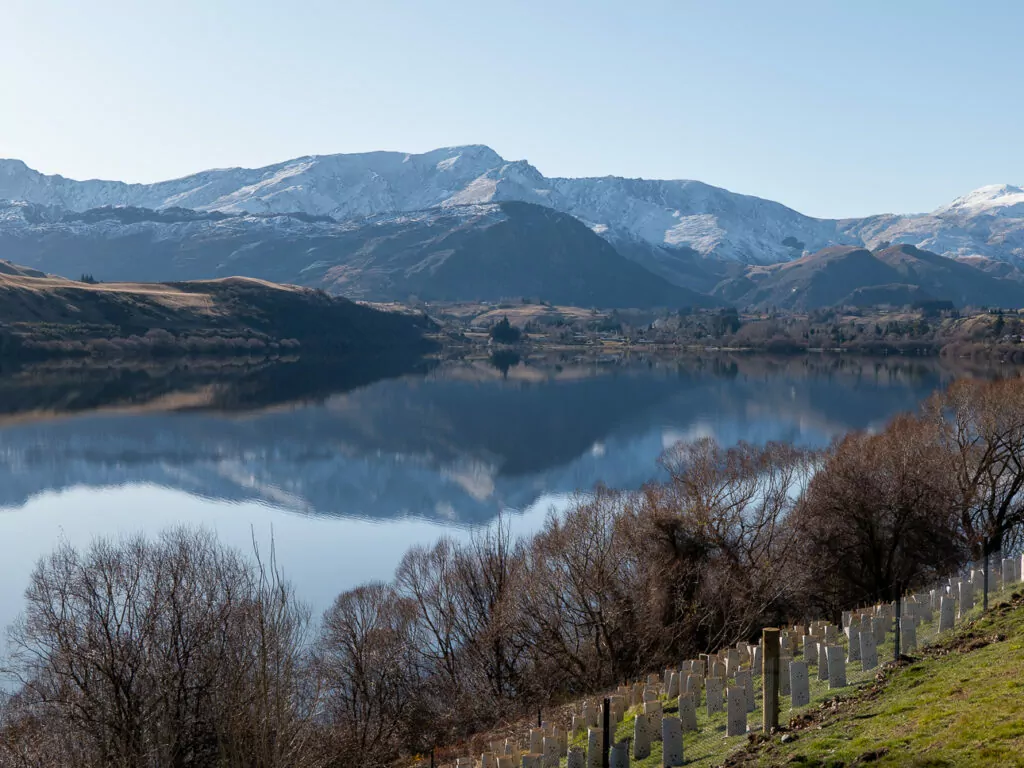
- Lake Hayes scenic spot for beautiful reflections in the water
- If you’re taking the Crown Range: Arrow Junction Lookout, Crown Range Road Scenic Lookout, Cardrona Hotel for mulled wine and hearty pub grub or Cardrona Distillery for liquor tastings and divine sharing plates
- If you’re going the Cromwell way: Kawarau Gorge Suspension Bridge to see someone bungy (and get tempted yourself…), Misha’s Vineyard, Rockburn and Wooing Tree
How long to stay in Wānaka: Ideal 2-3 nights / Minimum 1 night
Why stop in Wānaka
Wānaka has long sat in the shadow of Queenstown’s hype, but in recent years it’s firmly evolved from an overflow town to a distinct destination that deserves its own spotlight. It’s the perfect place to go for breathing space, slow mornings and non-stop views, without rigid itineraries or days revolving around activities you booked six months ago.
Despite growing visitor numbers it still feels overwhelmingly local and authentic, and if you want to escape mass tourism entirely, Mount Aspiring National Park is right on the doorstep with plenty of hikes from mellow to more demanding.
What to prioritise in Wānaka
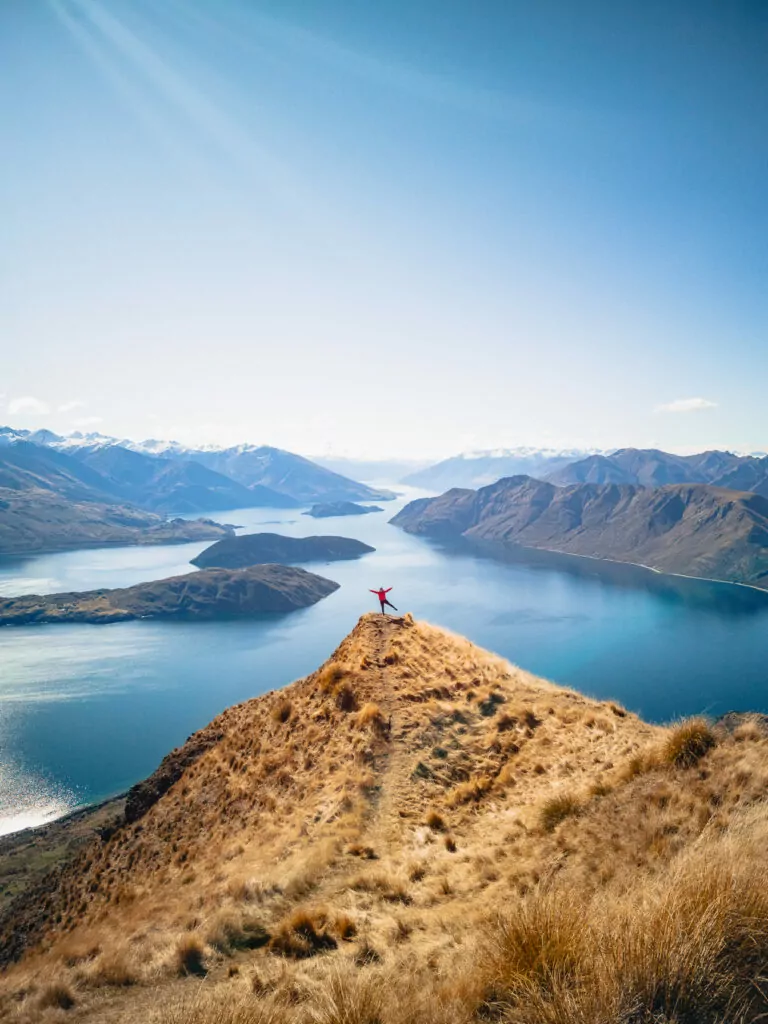
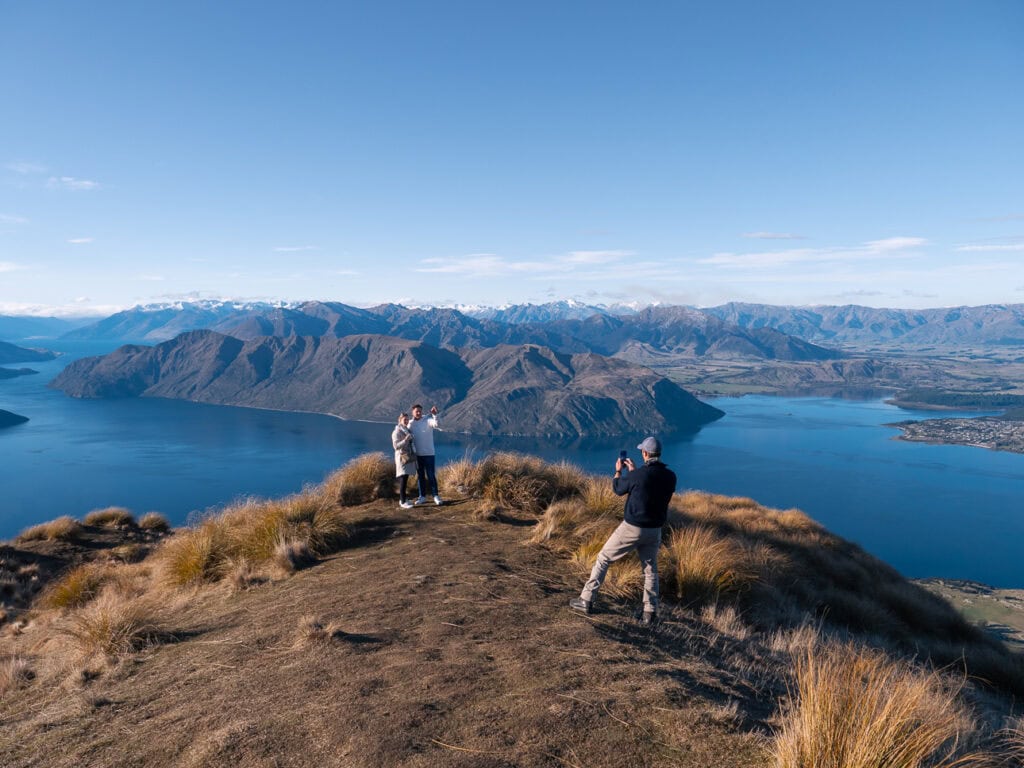
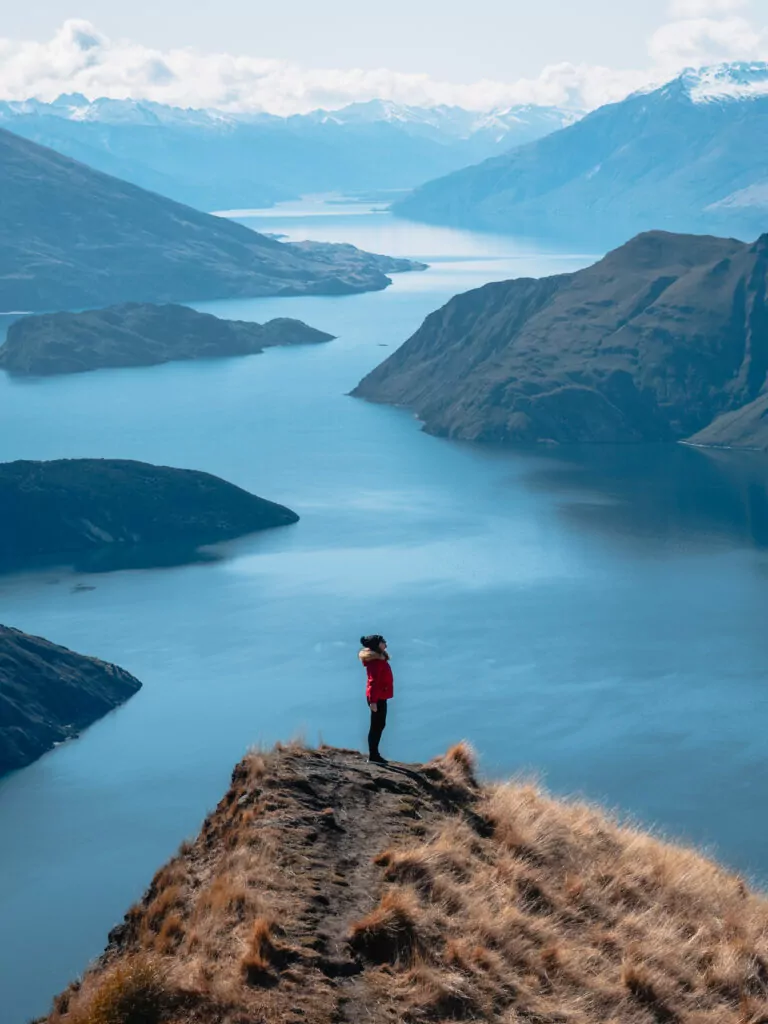
- Hiking up Roy’s Peak for the famous shot. The panoramic shot of a hiker proudly standing on the ridgeline with lakes and mountains all around them has got to be one of the most recognisable photo spots in the South Island. The 16km return walk takes 5-6 hours all up, start early to try and get back down before the sun gets crazy because it’s totally exposed.
- Orrrr getting the exact same view (and more) in 45 minutes with no hiking required. As a solo traveller without hiking gear who gets sunburnt in 5 minutes and hates early wake ups, let me share my Roy’s Peak secret for skipping the slog without compromising on photos: the 45 minute Wānaka Max helicopter tour. It whisks you up onto Coromandel Peak (just below Roy’s Peak with practically the same view) for photos, then to a second photo landing in the snow, and all over the lake for epic views before bringing you back down to land. The only physical exertion is having to clamber up into the heli!
- The world’s highest waterfall cable climb. Wildwire Wānaka’s via ferrata experiences will have you scaling iron rungs and crossing precarious bridges over a thundering waterfall, no technical climbing skills required.
- The Rob Roy Glacier Track. This 10km return walk through Mount Aspiring National Park takes 3-4 hours and rewards you with views of a hanging glacier. I haven’t done this one yet but it’s at the top of my list for my next Wānaka trip!
- Finding unique souvenirs that represent this region. If you’re collecting anything like postcards, prints or gifts for friends back home from each place you visit, avoid the tacky Queenstown tourist shops and spend some time perusing Wānaka instead. There are many more boutique shops with locally-made arts and crafts compared to the mass-produced imported shit on the other side of the Crown Range.
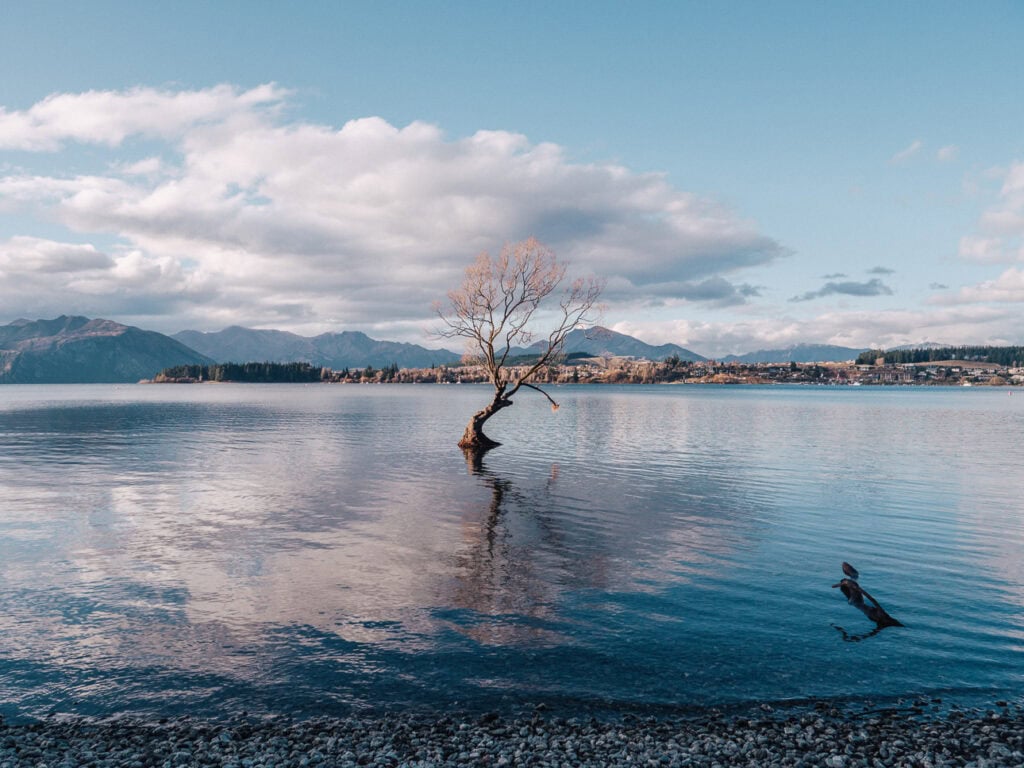
- Ticking off #ThatWanakaTree. Probably the most viral tree in New Zealand, That Wānaka Tree is a lone willow growing out of the rocky shallows of Lake Wānaka. It’s a 5 minute stroll from town so there’s no excuse to miss it but just manage your expectations, it is literally a tree in a lake 🙃
- Seeing a tiny island in a lake on an island in a lake on an island. This top-rated boat trip takes you to Mou Waho Island where you can witness island-ception and 360-degree views.
- Rainy day activities. If the weather packs in and your outdoor plans are hampered, Puzzling World is a great stop for curious minds of all ages, or Cinema Paradiso is a quirky cinema with lazyboy chairs and freshly baked cookies served at intermission.
Where to stay in Wānaka
- Campground: Hampshire Holiday Parks
- Budget: Adventure Wānaka Hostel, Altamont Lodge
- Mid-range: Archway Motels & Chalets
- Luxury: Lakeside Apartments
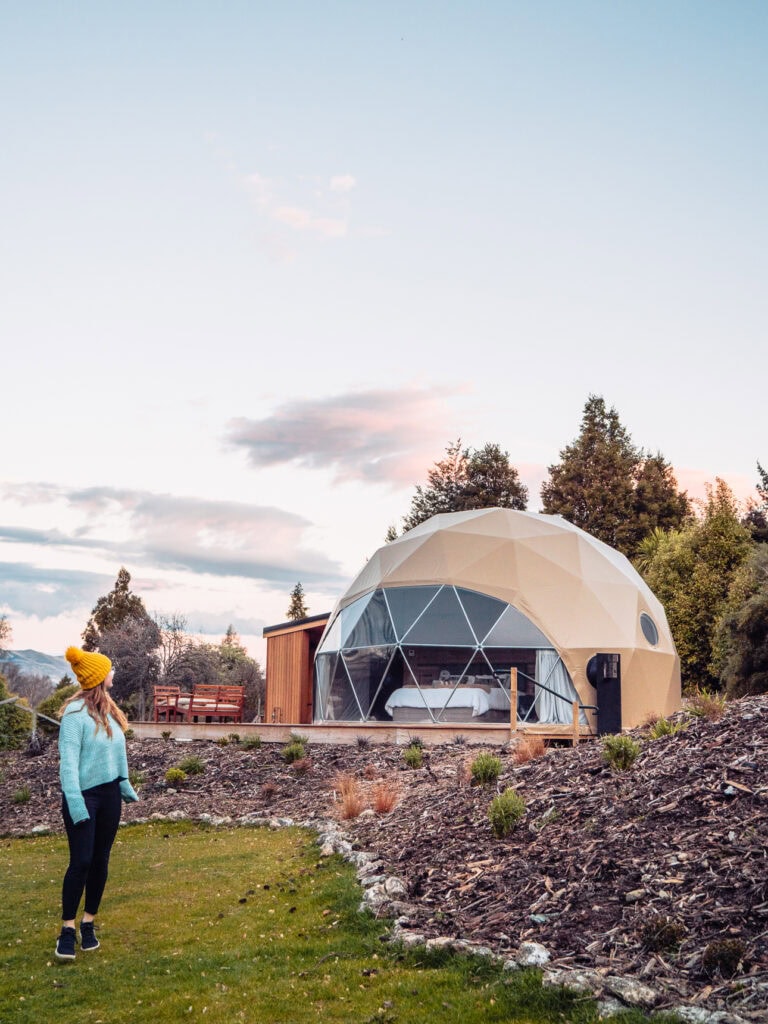
- Unique: Cross Hill Domes (Lake Hāwea)
Quick Wānaka tips from a Kiwi
- Save $$$ on food by heading to Brownston Street food trucks instead of a sit-down restaurant
- Pop over to Albert Town one morning for pastries from Pembroke Patisserie, not cheap but sooo gooood
- Wānaka will have the cheapest fuel and biggest supermarket for at least the next 450km, so top up on gas, food supplies and toiletries before you hit the road to head west.
Haast Pass
What is the Haast Pass?
The Haast Pass is the only road connecting the lakes region to the West Coast, and it’s one of the most scenic stretches of highway in the country. Rather than rushing through to get from Wānaka to Glacier Country, treat it as an attraction in itself and buffer in time for side quests along the way.
How long does it take to drive the Haast Pass?
Google Maps will probably say it’ll take four hours to get from Wānaka to Franz Josef Glacier but it’s a rookie mistake to just drive from A to B, there are regular photo stops along the route with a few short walks on offer too. Give yourself a full day to make the journey so you don’t miss anything.
What to prioritise along Haast Pass
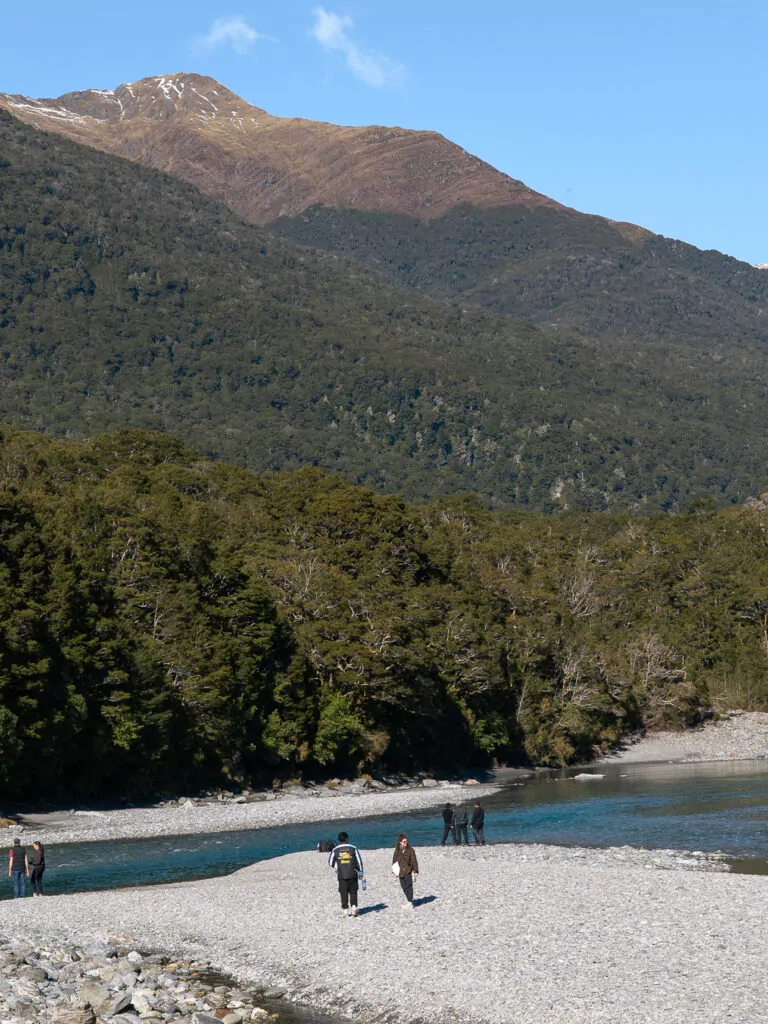
- Lake lookouts at the start. This drive is impressive from the get-go, with epic viewpoints right on the roadside along Lake Wānaka, Lake Hāwea and the Makarora River.
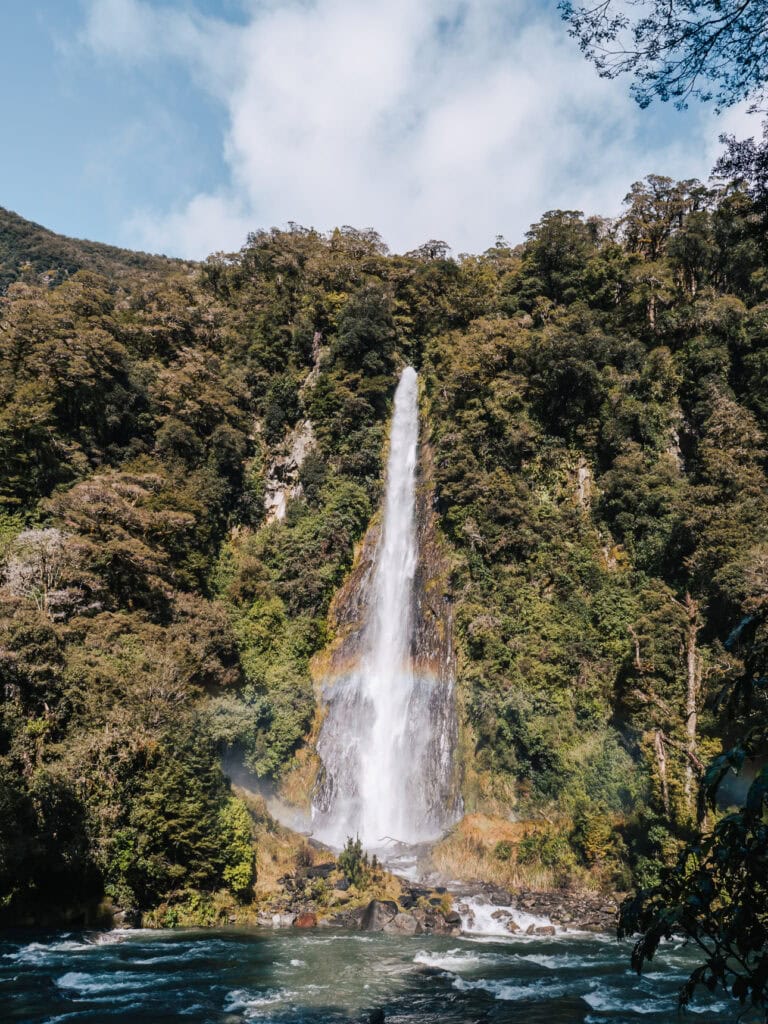
- Chasing waterfalls. Fantail Falls, Thunder Creek Falls and Roaring Billy Falls are all quick sightseeing stops just off the highway.
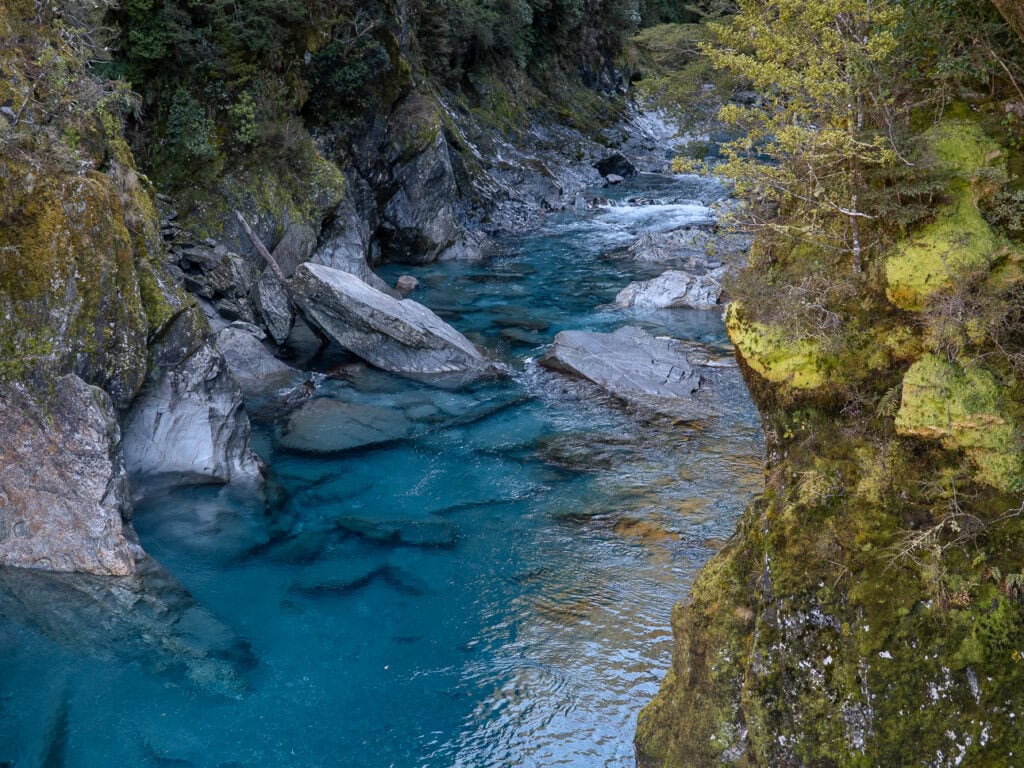
- Braving the icy Blue Pools for a cold plunge. The most popular walk along the way is the Blue Pools Track, which winds you through beech forest and over a swing bridge to reach deep pools with Gatorade-blue glacial water. Take a dip if you dare!
Quick Haast Pass tips from a Kiwi
- The population of sandflies really ramps up along Haast Pass and continues up the West Coast. They’re way less active in the colder months though, on my recent winter campervan road trip I probably used insect repellent once every few days if that. Highly recommend the off season 👌🏼
- I’m going to bold this so you don’t scroll past it: fuel up in Wānaka! The stretch of SH6 from Hāwea all the way up to about Hokitika literally always has the most expensive petrol and diesel prices in the country (which you can check on Gaspy), and there’s long segments with no gas stations at all.
- Reception is patchy along this route, download offline maps, a good playlist and some podcasts for the drive before you leave civilisation.
- If you’re visiting in winter then weather conditions can sometimes close Haast Pass temporarily, check your route on NZTA’s Journey Planner before you set off.
- If you leave Wānaka late or are planning on doing a few longer walks and need to park up along Haast Pass for the night, your best options are Haast River Holiday Park for a campground or Haast Beach Motel for a good value room.
Glacier Country (Franz Josef & Fox Glacier)
Getting from Wānaka to Glacier Country: 3.5h to Fox Glacier (262km) and 4h to Franz Josef Glacier (285km)
How long to stay in Glacier Country: Ideal 2-3 nights / Minimum 2 nights
Why stop in Glacier Country
The West Coast’s glorious Glacier Country boasts an exceptionally rare combo of ancient ice rivers, temperate rainforest and a wild coastline, and the twin glacier towns of Franz Josef and Fox make it surprisingly easy to experience this up close.
The trade-off for the beauty is unpredictability, which is why I recommend a couple of nights here rather than a whirlwind stop. Factoring in flexibility for temperamental alpine weather will give you leeway to deal with any scenic flights or heli-hikes that get postponed if the clouds roll in.
Franz Josef or Fox Glacier?
The towns are just 25-30 minutes apart and you can easily do activities from either base, so the best one for you will depend on what vibe you prefer.
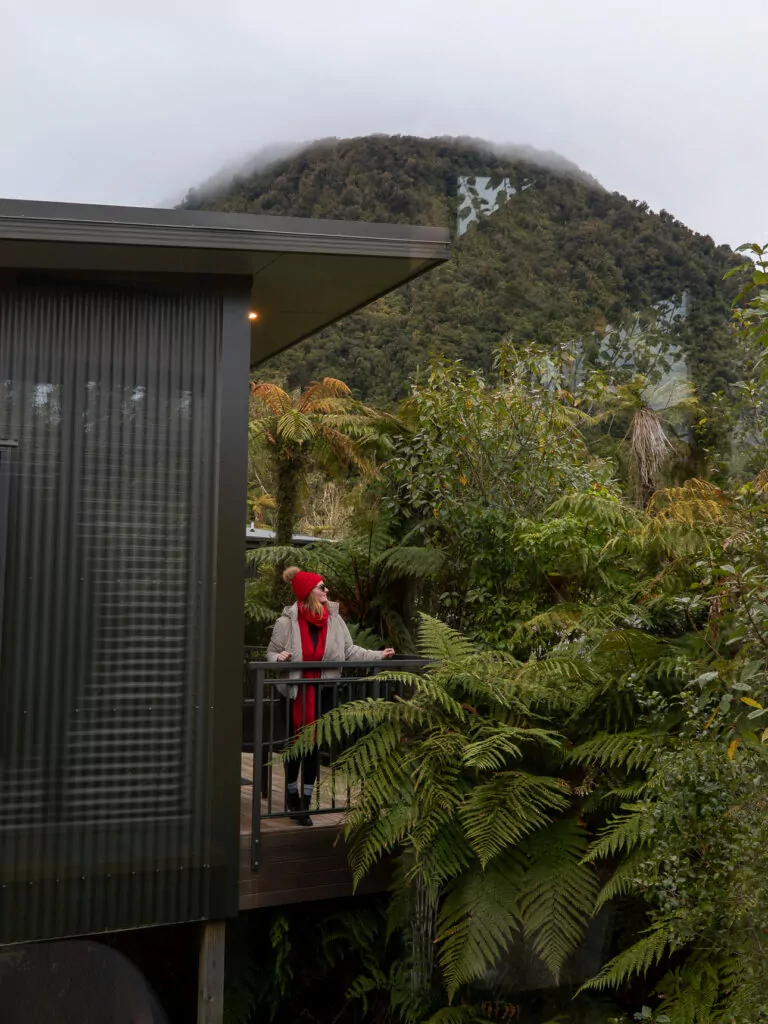
Franz Josef is the bigger hub with more accommodation, dining options and activities like kayaking, quad biking and hot pools accessible right from town. Fox Glacier is smaller and quieter with helicopter trips but fewer amenities and other activities, though Lake Matheson is just down the road if that sunrise reflection is a priority.
In peak season Fox feels less hectic, but in the off season Franz Josef can still feel like you’ve got the place to yourself.
What to prioritise in Glacier Country
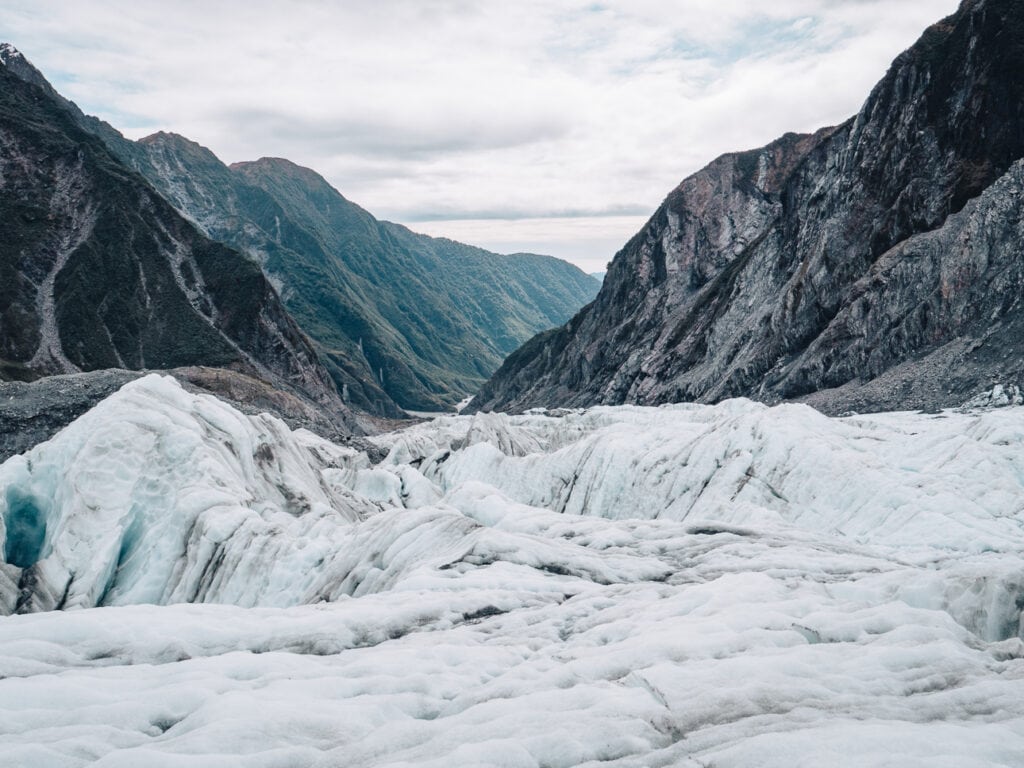
- A glacier heli-hike. Heli-hiking is the main event here! Helicopters whisk you from the townships right up to Franz Josef or Fox Glacier to explore ice caves and crevasses with an expert guide. It’s probably the priciest South Island experience you’ll do, but I promise you it earns its price tag.
- A scenic flight for a cheaper glacier experience. If your budget doesn’t quiiiite stretch that far but you want the next best thing, scenic flights are a more affordable way to set foot on the ice and many include short glacier landings for photos.
- A glacier ice climb if you’re up for a challenge. Or if a heli-hike sounds too tame and you want to take it up a notch, sign up for a full-day glacier ice climb where you learn to scale vertical ice walls with axes, ropes and crampons, heli transfers included. So epic.
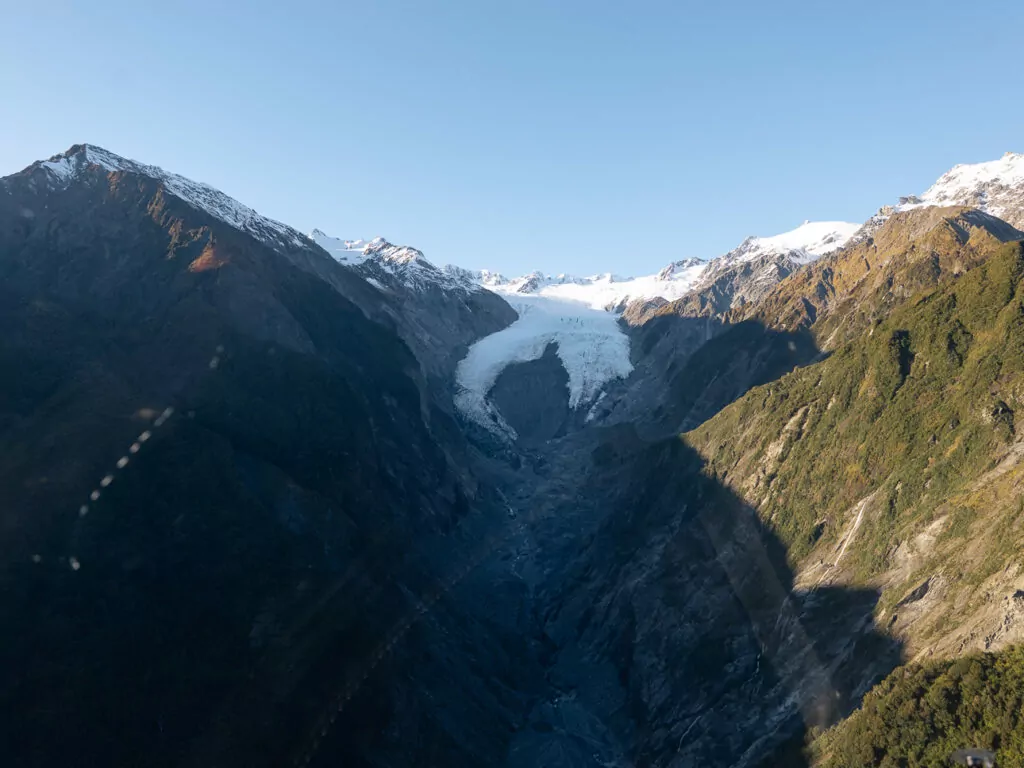
- Free walks. Franz Josef Glacier/Kā Roimata o Hine Hukatere Walk is just 30 mins return (1.7km) to a viewpoint where you can see the upper glacier, Canavans Knob is 1h 40 return (6.3km) with panoramic views, and Roberts Point Track (5.5-6h return, 12.3km, advanced) is a challenging trail but gets you as close to Franz Josef Glacier as possible without a heli.
- Lake Matheson. This easy 1.5h loop walk is famous for its mirror-like reflections of the mighty Aoraki / Mt Cook and Mt Tasman. Go at sunrise for the best chances of calm conditions and stunning colours.
- Back up activities for no-fly weather. Any sky-related experiences are weather-dependent and alpine conditions can change rapidly, so for any Glacier Country trip it’s a good idea to have some fun stuff planned that goes ahead rain or shine. Quad biking gets better when it’s wet, kayaking over moody Lake Mapourika is something special, and soaking in a private hot tub is the ideal end to the day.
- Spotting wild kiwi. If you’re sticking to the mainland on this trip and won’t cross the Foveaux Strait over to Stewart Island, Glacier Country is your best bet for seeing New Zealand’s quirky national bird in its natural habitat. Ōkārito (25 mins from Franz Josef) has the only wild kiwi spotting tours in the South Island, available from October to March, advance bookings essential.
Where to stay in Glacier Country
- In Franz Josef Glacier I always stay at Rainforest Retreat, they have options for all budgets from campervan sites to shared dorms to affordable cabins to fancy treehouses.
- Campground: Rainforest Retreat in FJ or Fox Glacier TOP 10 Holiday Park
- Budget: Rainforest’s Flashpackers or Wild Kea Lodge in FJ
- Mid-range: Rainforest’s cottages and houses, Bella Vista Motel in FJ or Mt Cook View Motel in Fox
- Luxury: Rainforest Retreat’s deluxe tree houses or Te Waonui in FJ
- Unique: At an eye-watering $7k+ (NZD) for two people it’s certainly targeting a very specific type of tourist, but if you’ve won lotto or you’re celebrating selling your fintech start up to a private equity firm then you can actually helicopter up to Franz Josef Glacier to camp in a tent for a night 🤯 that price includes camping and glacier gear, the chopper, a private guide with you the whole time who cooks dinner, then a second night at a fancy hotel back on the ground.
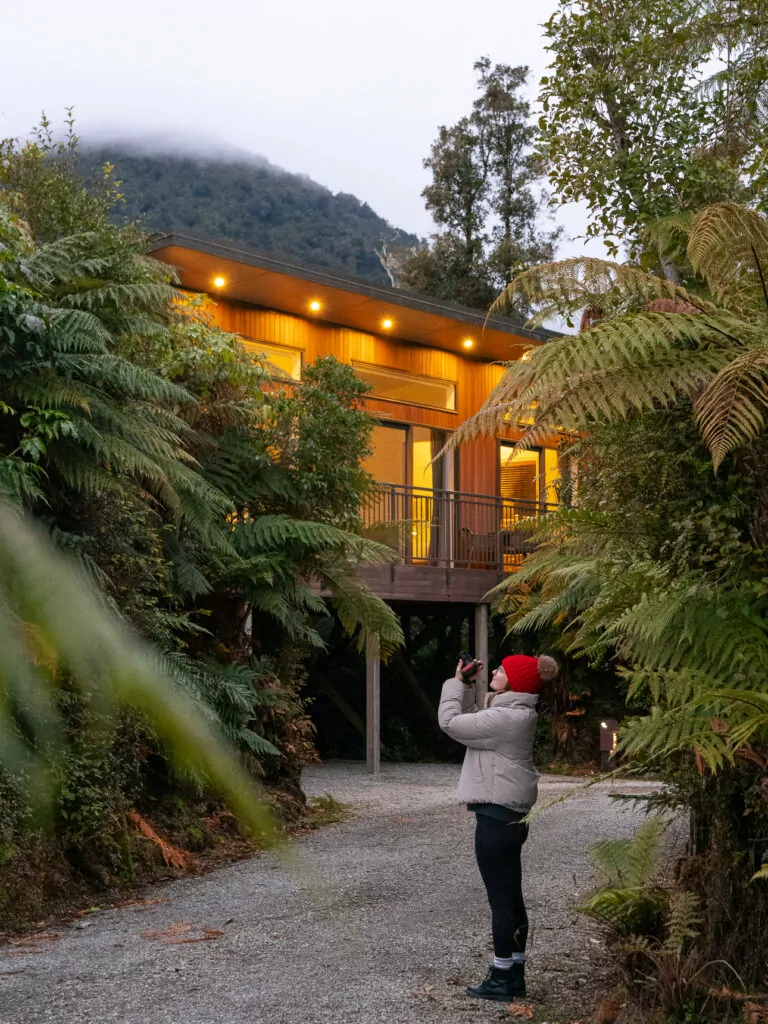
Quick Glacier Country tips from a Kiwi
- Thanks to the collision of mountains and sea, weather here can change in an instant and forecasts are more of a ‘guesstimate’ than a reliable prediction. If a heli-hike or scenic flight is a non-negotiable for you then it is so so important to build in buffer days in case the notoriously fickle wind and rain disrupts your plans.
Hokitika
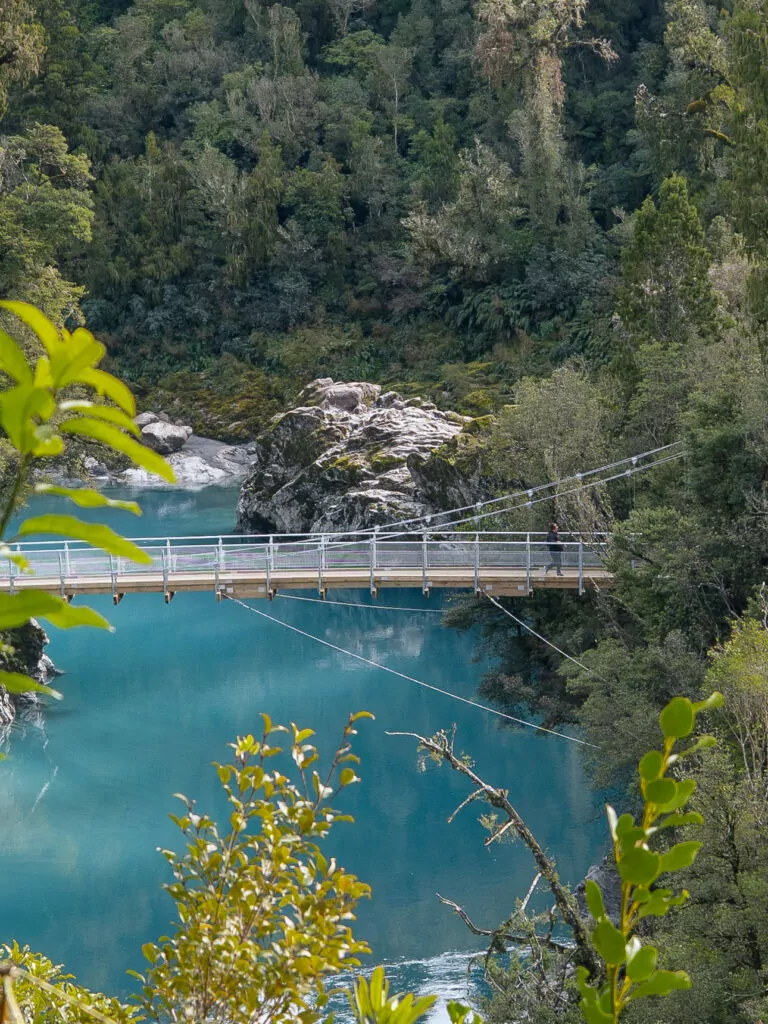
Getting from Glacier Country to Hokitika: 1h 50m from Franz Josef (138km), 2h 15m from Fox Glacier (158km)
Where to stop between Franz Josef Glacier and Hokitika
- Ōkārito Lagoon for a short walk through the wetlands to spot loads of native birds
- Whataroa to see the Kōtuku (White Heron) at their only nesting colony in the country
- Ross, an unassuming goldrush town with a quirky teapot wall and a beautifully-manicured memorial garden for Chinese goldminers
- Lake Mahinapua on a calm day for mountain reflections
How long to stay in Hokitika: Ideal 1-2 nights / Minimum 1 night
Why stop in Hokitika
Hokitika has earned its “Cool Little Town” tagline.
This is the creative heart of the West Coast, where artisans and crafters have set up shop and where you can pick up (or make your own) meaningful souvenirs to commemorate your trip.
But you don’t even have to spend any money to see Hokitika’s major highlights. It’s a launchpad for one of the South Island’s best short walks, there’s a free glowworm dell just minutes from town, and the fiery sunsets from the driftwood-covered beach are worth planning your day around.
What to prioritise in Hokitika
- Carving your own pounamu (greenstone). Hokitika is the pounamu capital of Aotearoa and there’s no better souvenir than a taonga (treasure) you designed and crafted yourself. Bonz’n’Stonz runs hands-on sessions where you choose your raw stone, draft your design and then shape it under the guidance of their legendary carvers. Such a special experience.
- The Hokitika Gorge Walk. I love a good low-effort, high-reward travel experience and this one takes the cake, it’s just a 2km easy and well-maintained track with brilliant views of an impossibly-blue river.
- Seeing glowworms (for free!). After watching a classic West Coast sunset from the beach, head to the Glowworm Dell just out of town for a dazzling display of these light-up critters, without paying a cent.
- The West Coast Treetop Walk & Zipline. Get a true bird’s eye view from the rainforest canopy with a wander along this 20m-high suspended walkway a short drive from Hokitika. Climb the 47m tower for panoramic views beyond the lakes out to the ocean on one side and mountains on the other, and if you’re feeling brave, the dual zipline will deliver you right to the carpark at up to 60km/h.
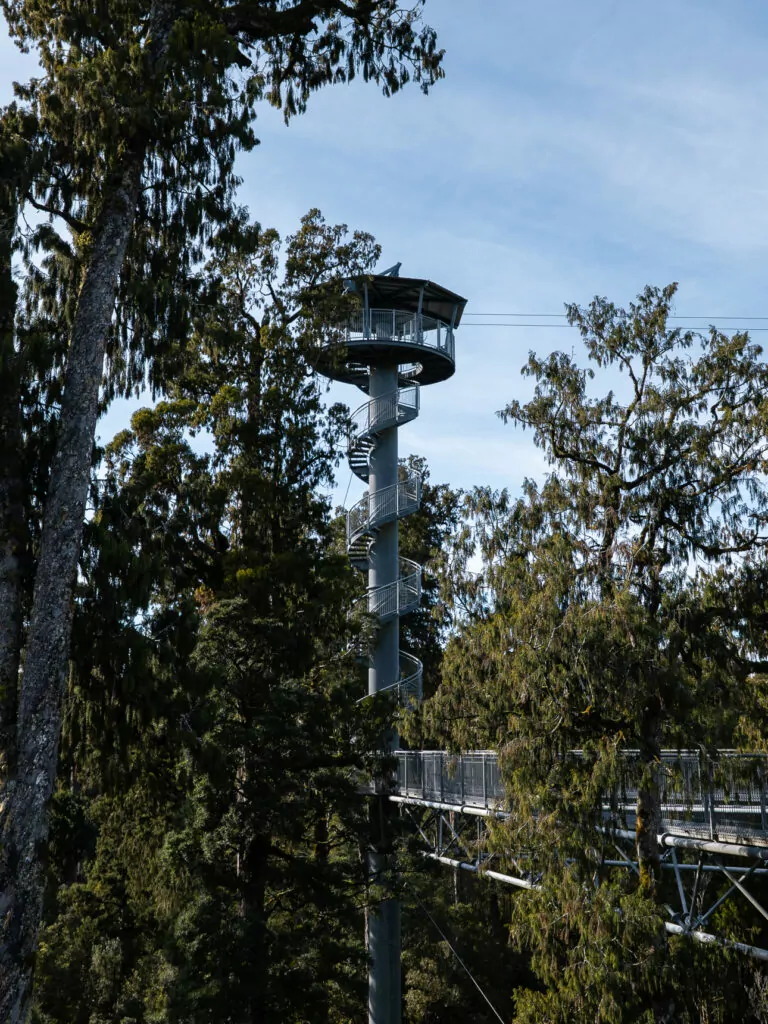
Where to stay in Hokitika
- Campground: Ross Beach TOP 10 Holiday Park is my go-to (20 mins from Hokitika)
- Budget: Amberley B&B, Hokitika’s Kiwi Motels
- Mid-range: Jade Court Motel
- Luxury: Little Sailor’s Catch, Hokitika Fire Station, Rimu Lodge
- Unique: Ross Beach TOP 10’s giant geodesic domes
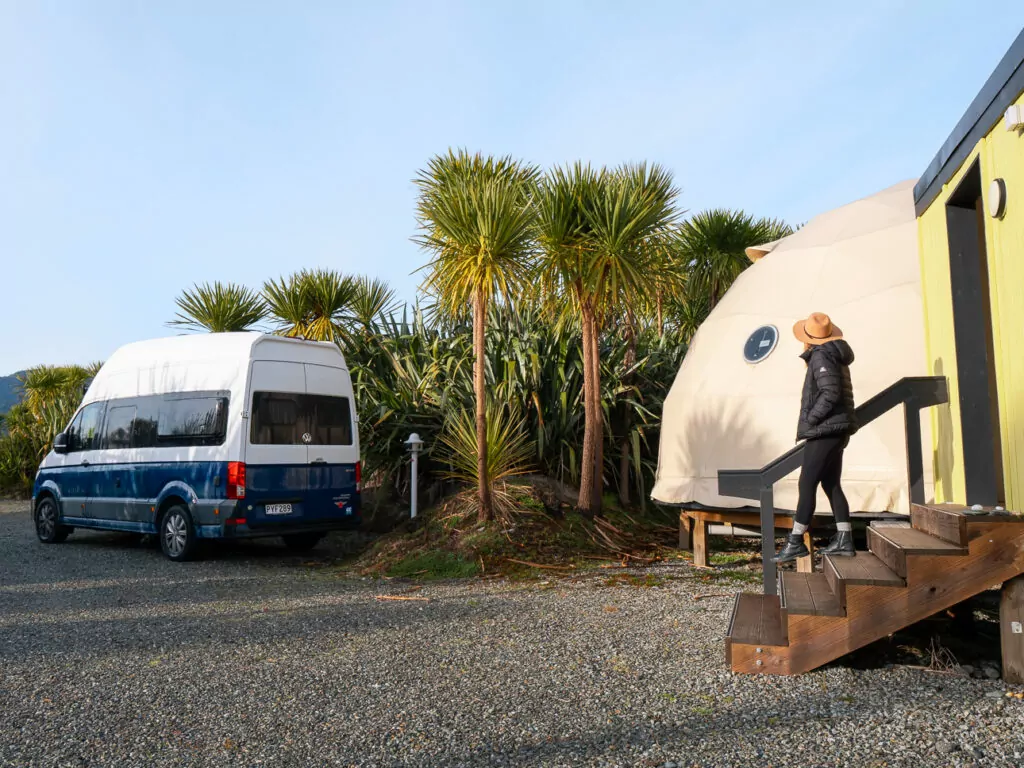
Quick Hokitika tips from a Kiwi
- Hokitika Sandwich Company is a cult favourite but they’re closed Sundays (used to be closed Mondays too but they’re now open 6 days a week). I wish I could tell you how good they are but every single time I’m in Hokitika it just happens to be a Sunday or Monday 😭
- The blue water at the Hokitika Gorge is the most vibrant on sunny days when the sun’s right overhead. If you visit early or late in the day you’ll have fewer people on the trails but the colour won’t be as intense.
Punakaiki & Paparoa National Park
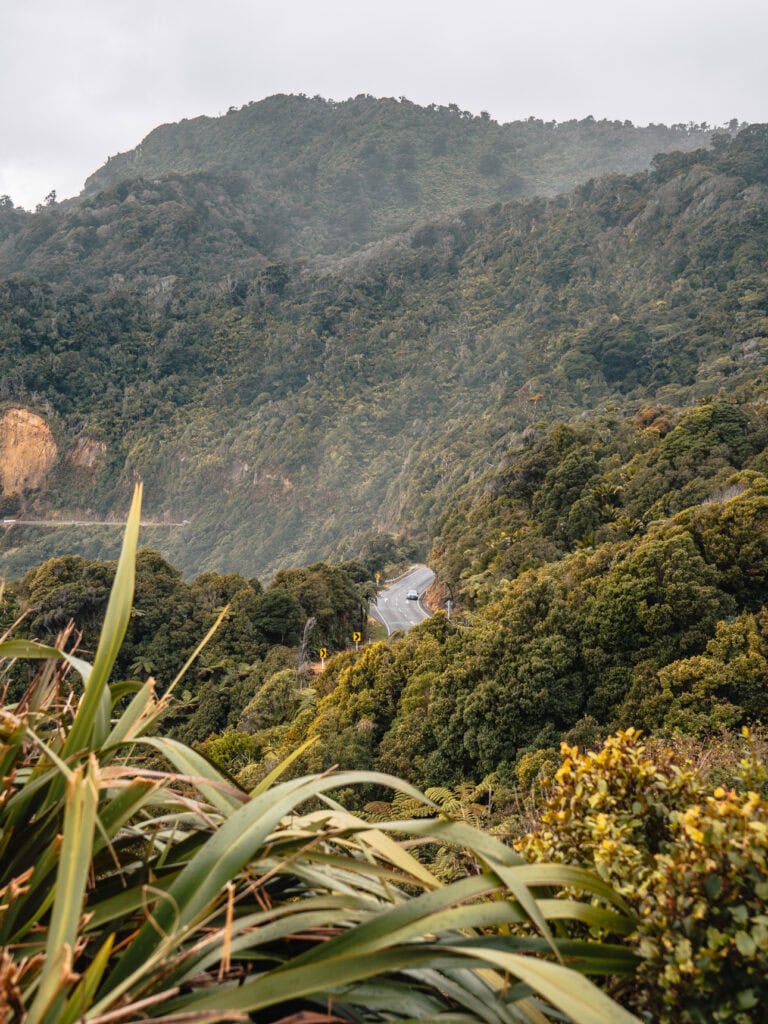
Getting from Hokitika to Punakaiki: 1h 10m to Punakaiki (83km), 2h to Westport (140km)
Where to stop between Hokitika and Punakaiki
- Shantytown Heritage Park to pan for gold
- Coal Creek Falls for a short walk to a waterfall swimming hole (easy 1h return, 3.6km)
- Motukiekie Beach Walk at low tide
- Irimahuwhero Lookout for epic views up and down the coast (just north of Punakaiki)
How long to stay in Punakaiki & Paparoa National Park: Ideal 1-2 nights / Minimum overnight
Why stop in Punakaiki & Paparoa National Park
Most visitors come for the Pancake Rocks, snap a couple of photos and move on, but there’s way more to this corner of the upper West Coast than the world-famous limestone stacks.
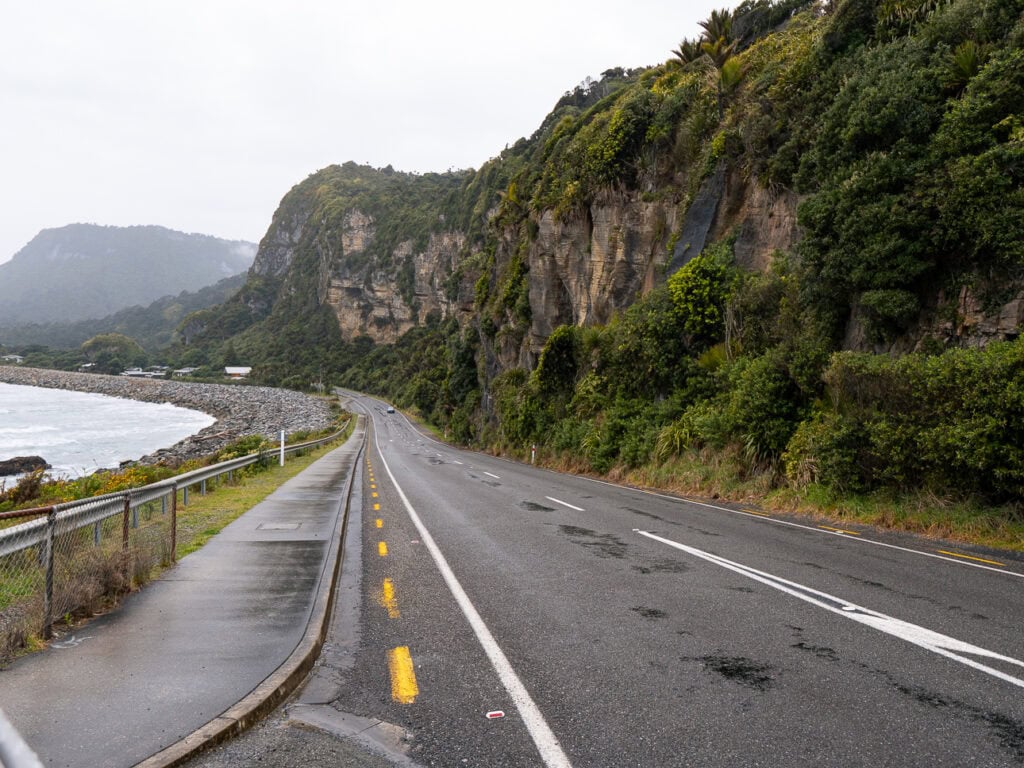
For starters, the drive here is worth the trip alone. The Great Coast Road from Greymouth to Westport (with Punakaiki smack-bang in the middle) has been voted one of the best coastal drives on the planet, and once you’re winding around clifftop bends with the Tasman Sea swells on one side and rainforest-covered cliffs on the other, you’ll understand why.
But the upper West Coast’s highlights go beyond the obvious limestone sea stacks. There’s underground cave systems with glowworm ceilings, day hikes on the Paparoa Track without the typical Great Walk foot traffic, and north of Westport you can discover beaches and bush walks that most tourists miss.
What to prioritise in Punakaiki & Paparoa
- The Pancake Rocks & Blowholes. The upper West Coast’s most famous geological marvels look more like limestone lasagne than pancakes to me, but either way, they’re a must-see. The easy 1.1km loop is fully paved and takes just 20 minutes, time your visit for high tide when waves force dramatic sprays of water up through the blowholes.
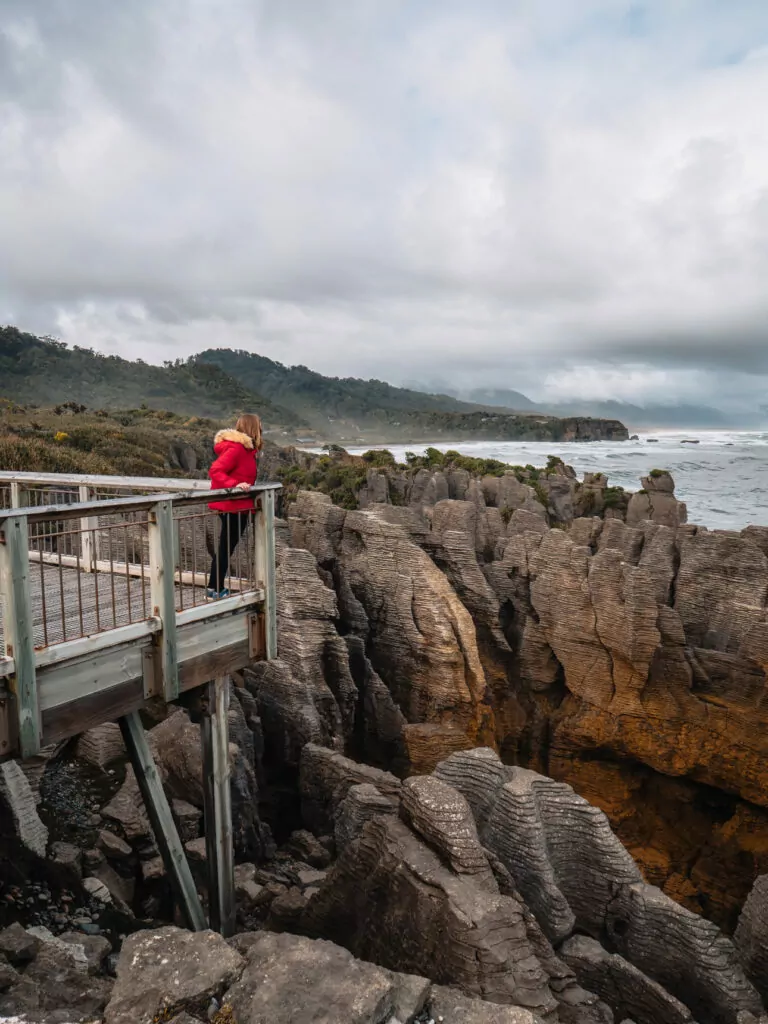
- The Paparoa Experience. This interactive multimedia museum hidden in the Punakaiki Visitor Centre was the biggest surprise on my most recent West Coast road trip, it brings the region’s geology, Maori legends and natural history to life through genuinely world-class exhibits.
- Going underground. Some of the West Coast’s most spectacular scenery is hidden underground. UnderWorld Adventures in Charleston runs cave rafting trips that’ll have you floating down gentle river rapids underneath a sky of glowworms, I haven’t done this yet but it’s at the top of my list for next time.
- Hands-on workshops. Craft your own souvenirs under the watchful eye of local creatives at Barrytown Knifemaking or Skeleton Crew Bone Carving.
- Short walks in Paparoa National Park. Truman Track (15 min) is a quick rainforest walk down to the beach, Pororari River Track (1.5h, 7km return) follows a beautiful river into the national park, or do the Punakaiki-Pororari Loop (3h, 11km) for a longer adventure.
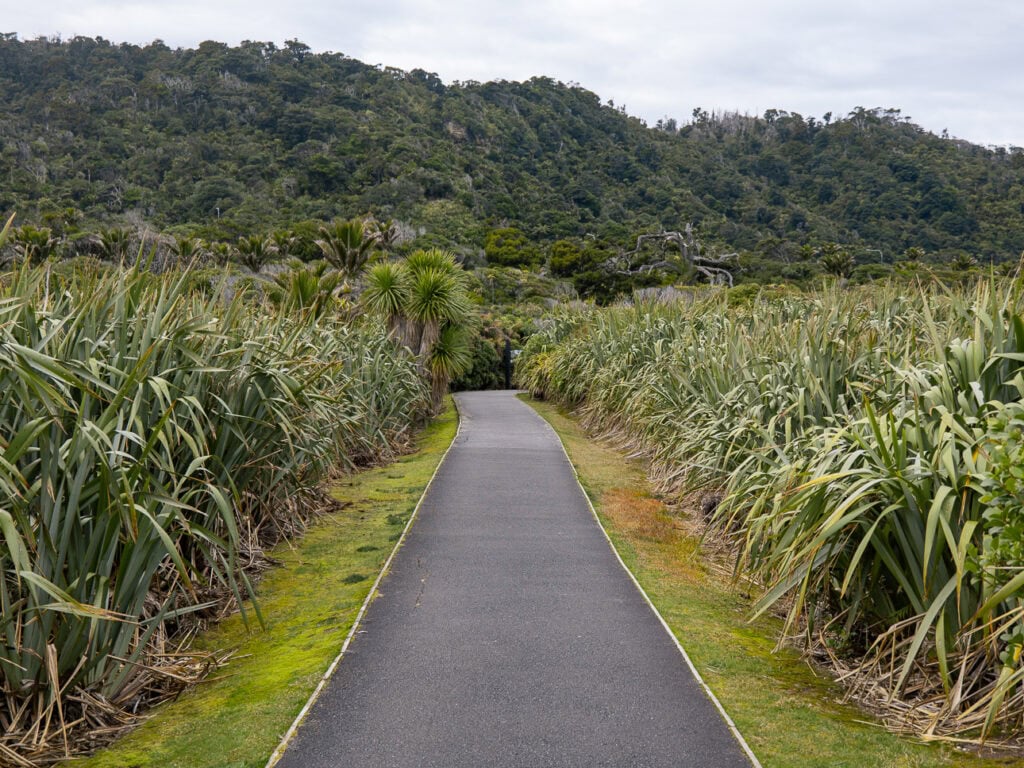
- Seal spotting. A short detour before Westport takes you to an easy clifftop walk overlooking a colony of kekeno (NZ fur seals).
- Going where most travellers miss. Drive the world-renowned Great Coast Road up to Westport and Cape Foulwind, then continue onto SH67 to Karamea, the northernmost settlement on the West Coast and the gateway to the massive Oparara Arches limestone caves.
Where to stay around Punakaiki
- Campground: Punakaiki Beach Camp
- Budget: Charleston Goldfields or Tripinn Westport
- Mid-range: Out the Bay (Westport), Punakaiki Beachfront Motels or Karamea River Motels
- Luxury: Punakaiki Treehouse or Punakaiki Forest Retreat
- Unique: The Hole in the Rock Yurt (Cape Foulwind)
Quick Punakaiki & upper West Coast tips from a Kiwi
- Infrastructure is limited along this stretch. Greymouth has all you need (including a Warehouse, a huge general store), Punakaiki has some tourist shops and cafes, and Westport’s supermarkets are the last option for a proper grocery shop on this side of the island.
- The open ocean along the upper West Coast is unforgiving, it’s super exposed and even on a calm day (which is rare haha) there are strong currents and underground rocks that make swimming dangerous. If you need to take a dip to cool down then find a safe swimming hole or river beach instead, check with your accommodation for suggestions or the DOC staff at the Punakaiki Visitor Centre will be able to point you in the right direction.
Nelson Lakes National Park
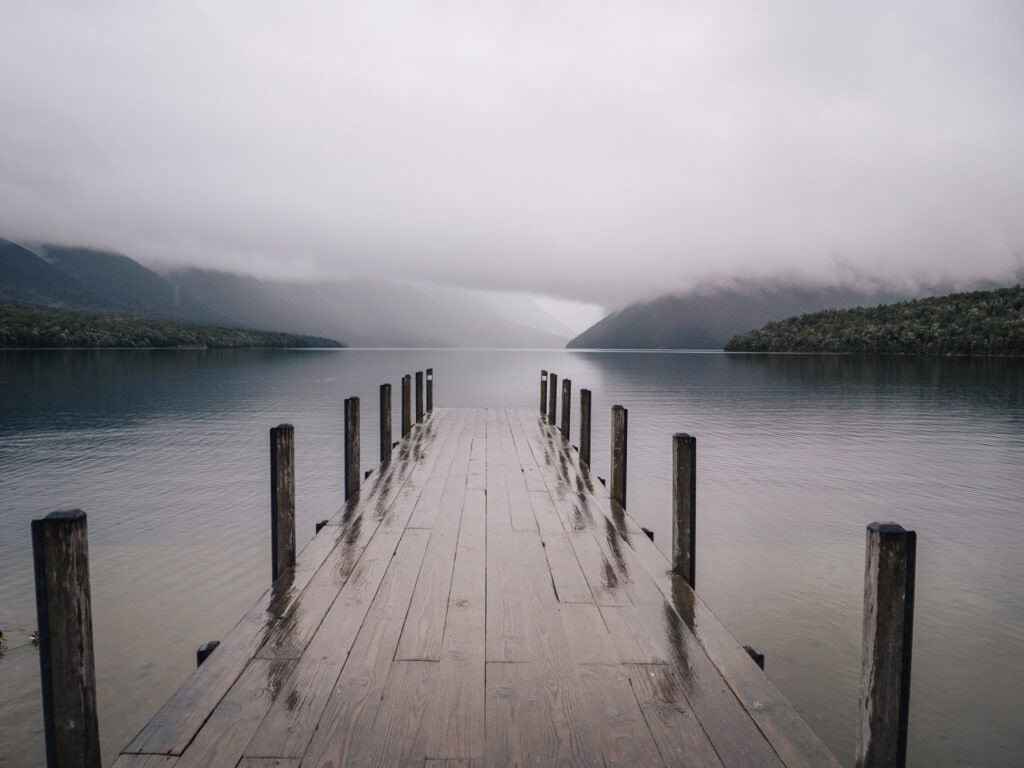
Getting from Punakaiki to Nelson Lakes: 2h 45m to St Arnaud (200km) via Buller Gorge and Murchison
Where to stop between Punakaiki and Nelson Lakes
- Buller Gorge Swingbridge for a scenic walk, zipline or jetboat ride
How long to stay in Nelson Lakes: Ideal 1-2 nights / Minimum a photo stop at Lake Rotoiti
Why stop in Nelson Lakes
After non-stop drama from Fiordland all the way up the West Coast, Nelson Lakes is where the South Island landscapes start to feel more gentle and rolling again.
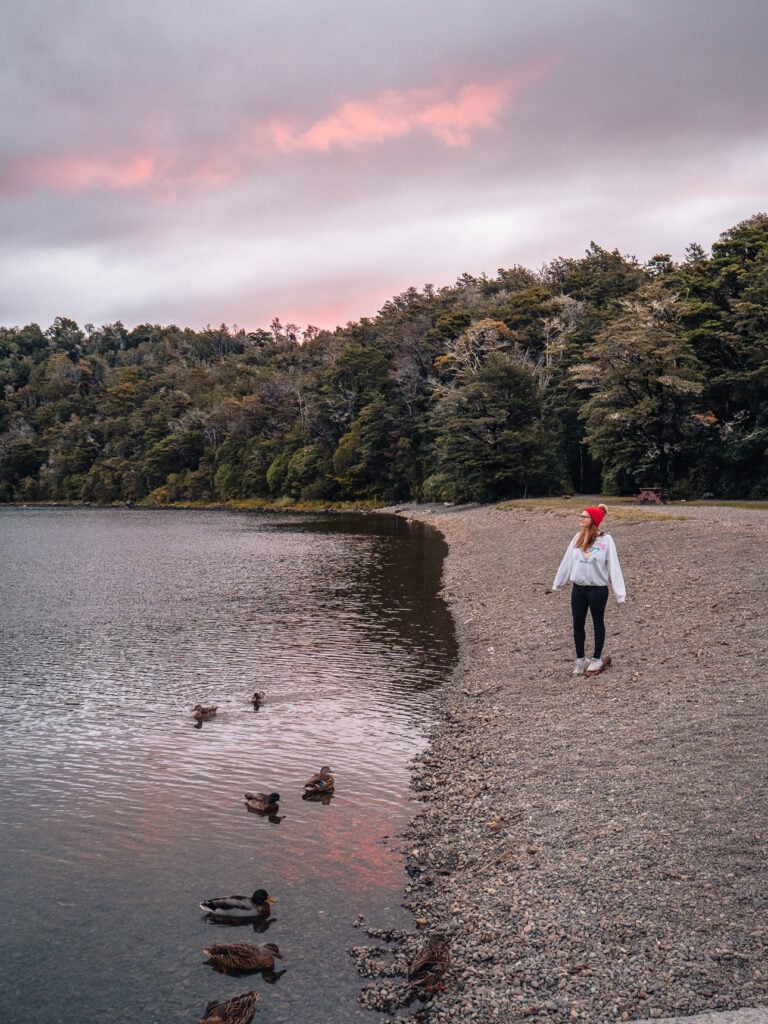
St Arnaud’s the basecamp for National Park adventures but infrastructure is minimal. There’s literally one shop, a handful of B&Bs and not much else competing for your attention except the lake at its doorstep and the hiking trails beyond.
Roadtrippers often swing by for a quick photo stop at the Lake Rotoiti jetty, but if you’re a keen backcountry adventurer you’ll find some of the country’s most underrated trails in these mountains.
What to prioritise in Nelson Lakes
- Lake Rotoiti: A top contender for most photographed jetty in the country! This moody spot is a must-stop if you’re driving through, and if photography is your thing then staying nearby overnight and being here for sunrise gives you the best chance of still water and a perfect reflection. If you’re brave you could dive into the lake for a refreshing dip, I heard the eels are friendly 👀
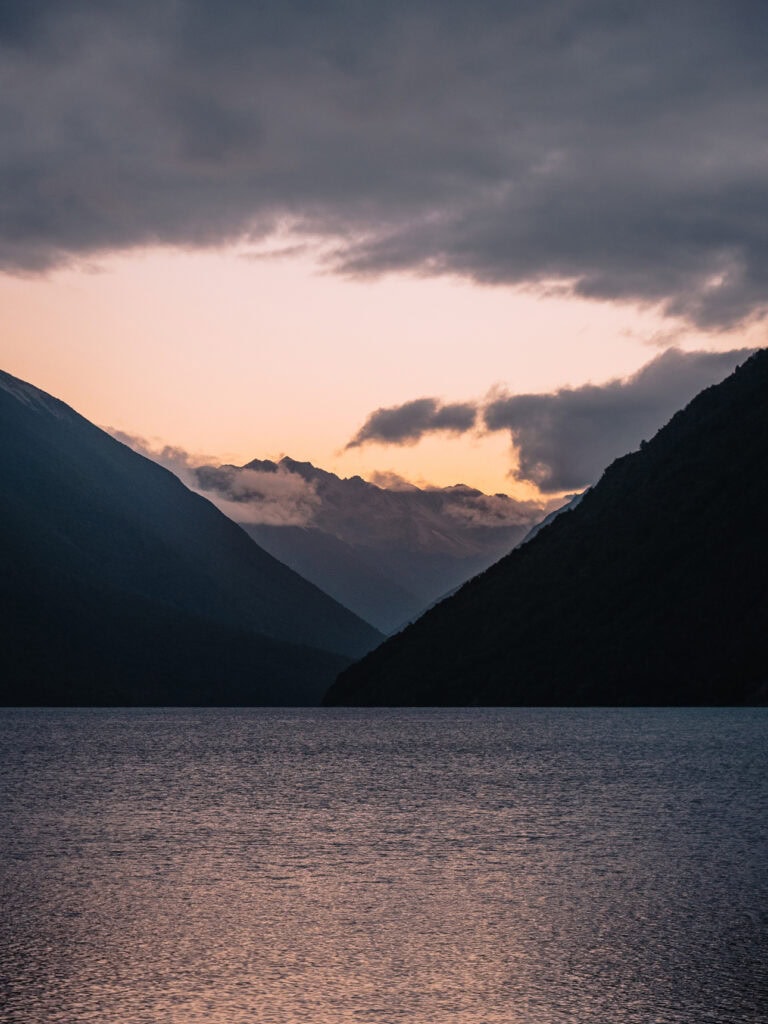
- Easy lakeside walks. Stretch your legs around Kerr Bay with a quick wander through thick beech forest flourishing with native birds.
- Backcountry hikes: Escape into the wilderness and tackle stream crossings, clamber over rocky saddles and sleep in some of the most spectacularly-situated DOC huts in Aotearoa.
- Adventure activities in Murchison: Dial up the adrenaline with a high-energy adventure like abseiling down waterfalls with Canyoning Aotearoa, white water rafting or jetboating in Murchison (45 mins from St Arnaud).
Where to stay in Nelson Lakes
- Campground: Kerr Bay DOC Campsite (St Arnaud)
- Budget: The Lazy Cow (Murchison)
- Mid-range: Murchison Lodge (Murchison), Tophouse Historical B&B (St Arnaud)
Quick Nelson Lakes tips from a Kiwi
- If you can’t find accommodation in St Arnaud for your dates then check Murchison, it’s 45 mins west and has a wider range of motels and lodges.
- Another sandfly hot spot! Use DEET, cover up as much as possible, and for goodness sake do not leave your campervan door open (speaking from experience).
- Rainbow Ski Area is a small local ski field just up the road if you’re visiting in winter and want to hit the slopes.
Abel Tasman National Park
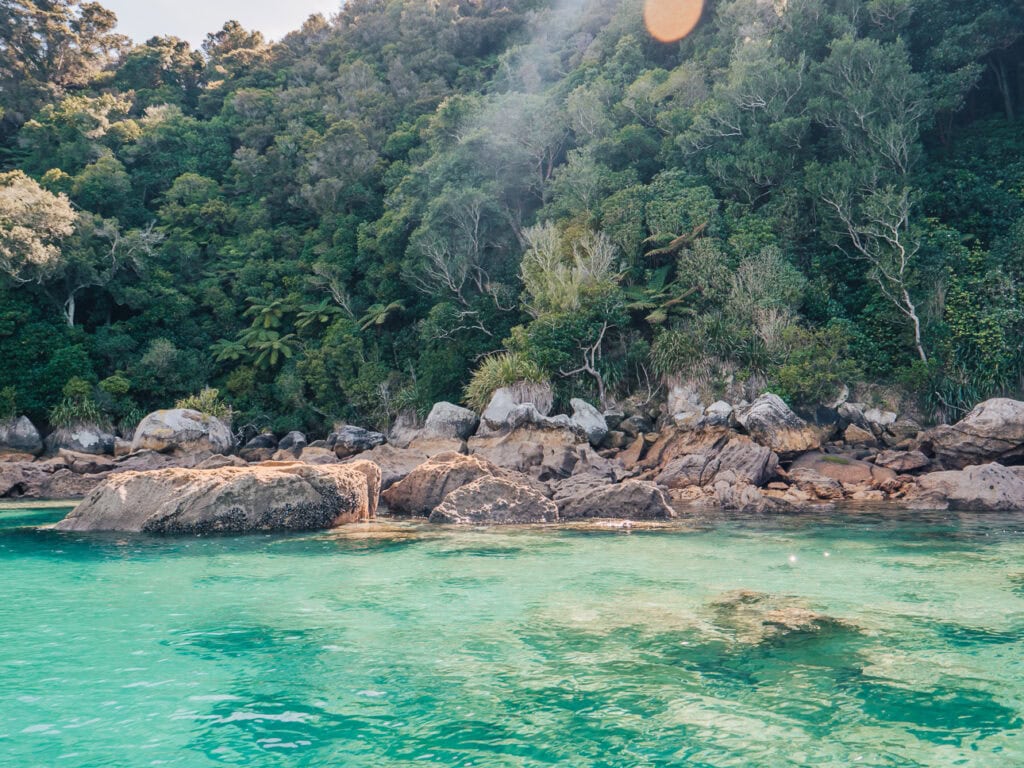
Getting from Nelson Lakes to Abel Tasman: 1h 40m from St Arnaud to Kaiteriteri (114km) or 1h 50m to Mārahau (120km)
How long to stay in Abel Tasman: Ideal 3-5 nights / Minimum 2 nights
Why stop in Abel Tasman
With glassy water, playful dolphin pods and year-round sunshine, it’s hard to believe that this gorgeously golden beach paradise is less than a couple of hours from the Southern Alps.
New Zealand’s smallest national park is really what you make of it. A day trip from Nelson is worth it but you’ll barely scratch the surface, two or three nights lets you explore by sea and land, and a week at a beachfront campground is the dream if you’ve got time to slow it right down.
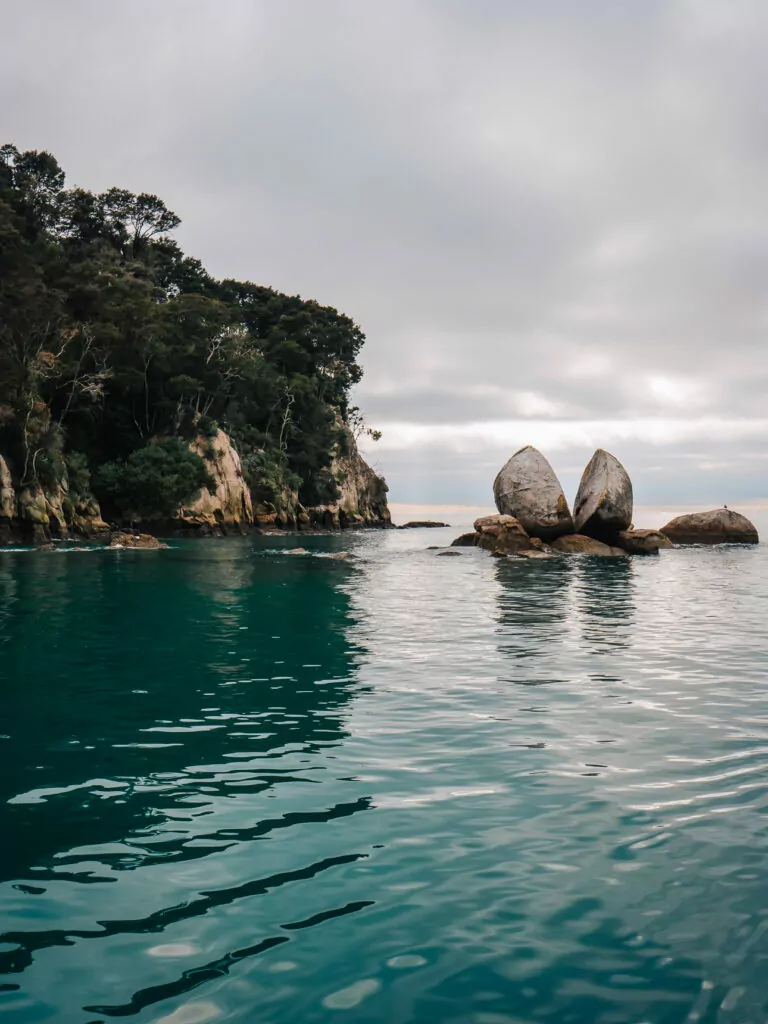
What to prioritise in Abel Tasman
- A day on the water. The best way to see Abel Tasman is from the ocean, so a cruise or kayak is a must. Operators run everything from half-day paddles or self-guided rental to full-day cruises or multi-adventures combining boat trips with beach stops and coastal walks.
- The Abel Tasman Coast Track. This is the most accessible and flexible of NZ’s Great Walks, thanks to water transport that frequently service bays along the route. The whole thing is 3-5 days (60km) but water taxis or walk + cruise combos make it easy to tackle shorter sections as day hikes without having to rough it overnight.
- Split Apple Rock (Toka Ngawhā). Abel Tasman’s geological icon puts Moeraki to shame, sitting pretty on a nest of rocks just offshore, almost perfectly split down the middle. You can kayak right up to the base or take a short walk down to the beach to see it from land.
- Paddling a traditional waka. One of the only opportunities to experience Aotearoa the way ancient Māori explorers did, on this waka tour you’ll learn about local history while bonding with your travel buddies in one of the most beautiful places in the South Island.
- Getting off the beaten track on the Torrent River. Trade leisurely beach days for waterfall abseiling, rock pool jumps and clambering through hidden gorges with Abel Tasman Canyoning’s epic day trips.
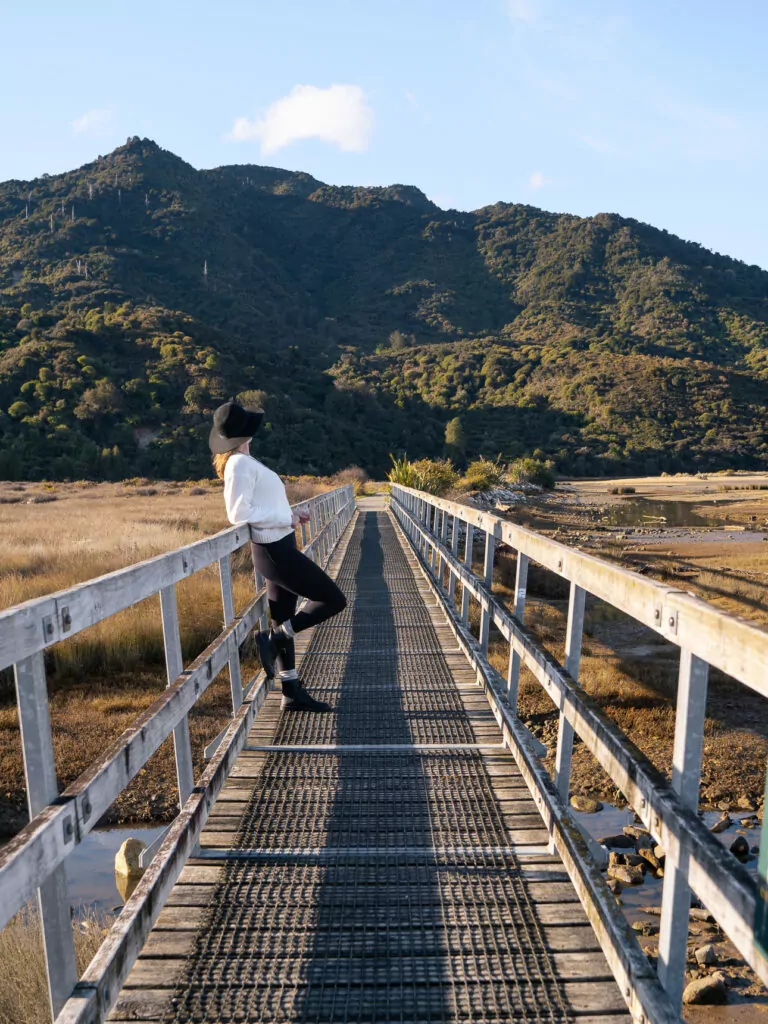
Where to base yourself in Abel Tasman National Park
The three main bases for Abel Tasman adventures are Motueka, Kaiteriteri and Mārahau, each offering different benefits:
- Motueka is the nearest proper town with supermarkets and a wider range of accomm/dining options, 15 mins from Kaiteriteri and 25 mins from Mārahau.
- Kaiteriteri is locally-loved holiday hub with a beautiful sheltered beach and easy access to the national park by water taxi, cruise and kayak. The campground here is one of my favourite in the country!
- Mārahau is the gateway village right at the start of the Coast Track, a 20 min drive from Kaiteriteri. Ideal if you want to roll out of bed and hit the trail, but services are very limited and it’s tidal so it’s not that nice to swim at for most of the day.
Stay in Motueka if you want access to shops and restaurants, go for Kaiteriteri for the ultimate beachy getaway, or pick Mārahau if you’re mainly here for the hiking.
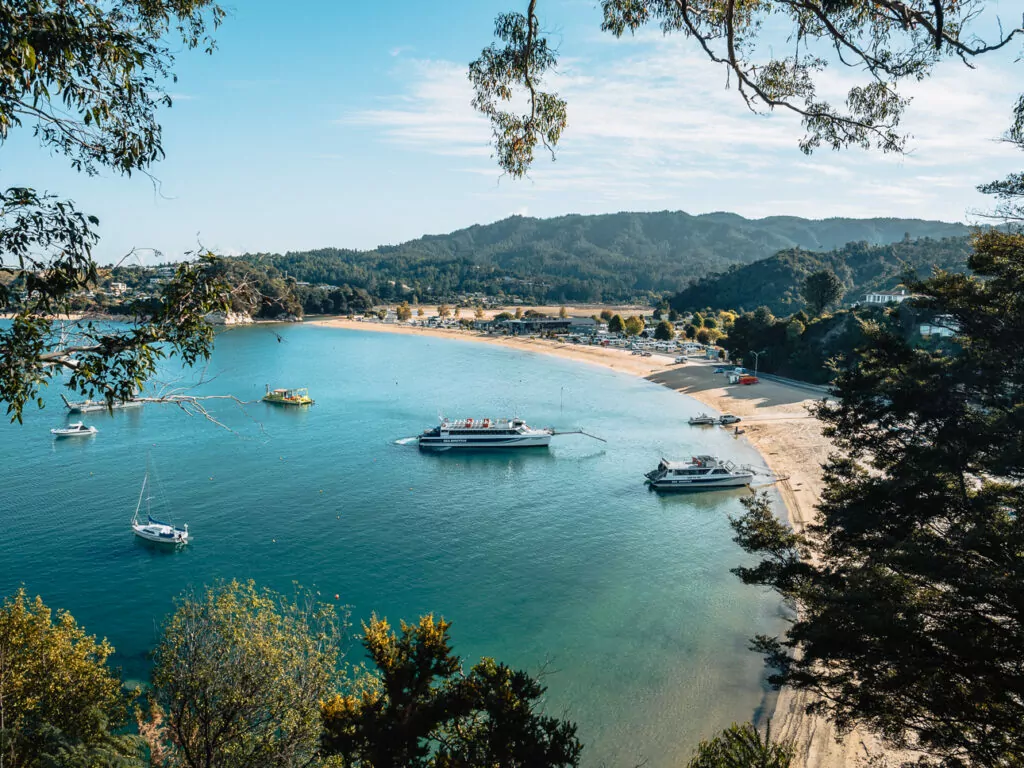
Where to stay in Abel Tasman National Park
- Campground: Kaiteriteri Recreation Reserve is my go-to for being close to activities, The Barn in Mārahau is right by the start of the track, Motueka TOP 10 to be closer to services
- Budget: Kaiteriteri Rec Reserve has basic private cabins, The Barn has backpacker dorms
- Mid-range: Kaiteriteri Apartments, Abel Tasman Lodge
- Luxury: Kimi Ora Eco Resort, Domu Retreat (brand new, on my bucket list!)
- Unique: The Barn has bell tents and geodesic domes for glamping
Quick Abel Tasman NP tips from a Kiwi
- Unsurprisingly, Abel Tasman is a highly seasonal destination. Visiting in winter can save you LOADS on accommodation especially but some tour operators and restaurants run on less frequent schedules or shut up shop completely, so check what’s open and available before you lock anything in.
Golden Bay
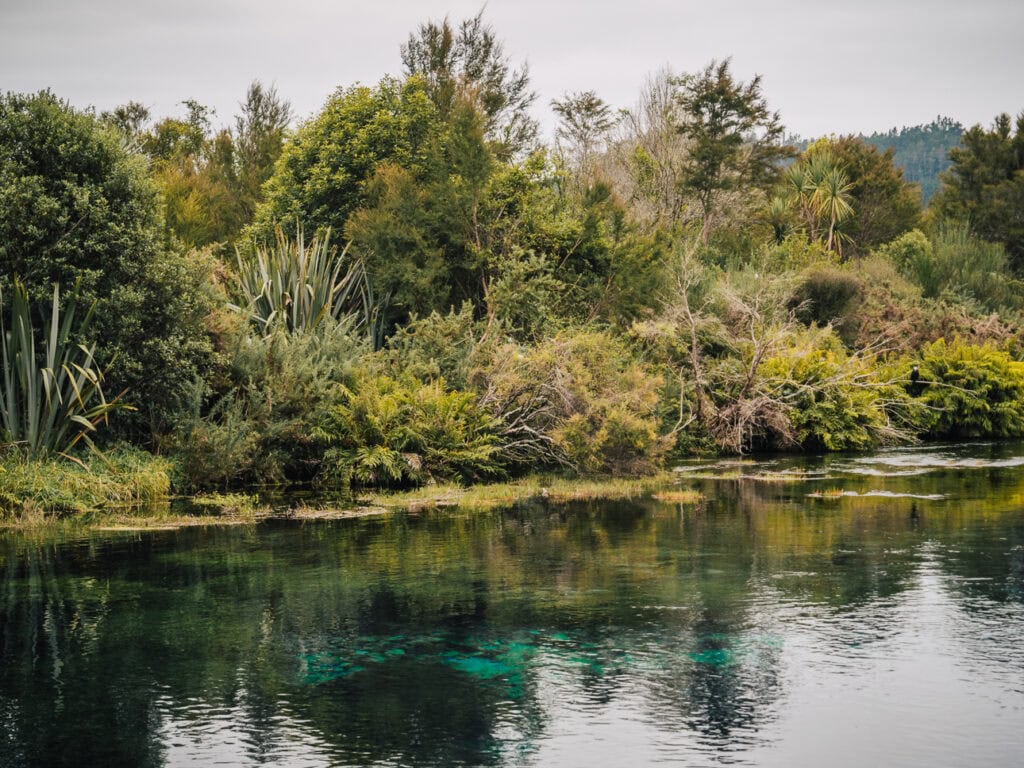
Getting to Golden Bay: Tākaka (the main hub of Golden Bay) is about 1h 10m from Motueka (57km) and Kaiteriteri (55km), and 1h 20m from Mārahau
Where to stop on the way to Golden Bay
- Riwaka River Estate for a boutique wine tasting with the friendliest local winemakers
- Frasers Orchard Farm Shop to grab some freshly-picked seasonal fruit
- Riuwaka Resurgence to see where an underground river emerges from marble rock
- Ngarua Caves to see moa bones on a subterranean walking tour
How long to stay in Golden Bay: Ideal 1-2 nights / Minimum day trip
Why stop in Golden Bay
The precarious drive over Tākaka Hill is the only way in and out of this top corner of the South Island, and that isolation has shaped Golden Bay into the alternative enclave it is today.
Tākaka is Golden Bay’s main hub and the counterculture capital of New Zealand, Collingwood is a quieter base further west, and there are no-frills campgrounds, whimsical B&Bs and quirky glamping spots dotted all along the coast.
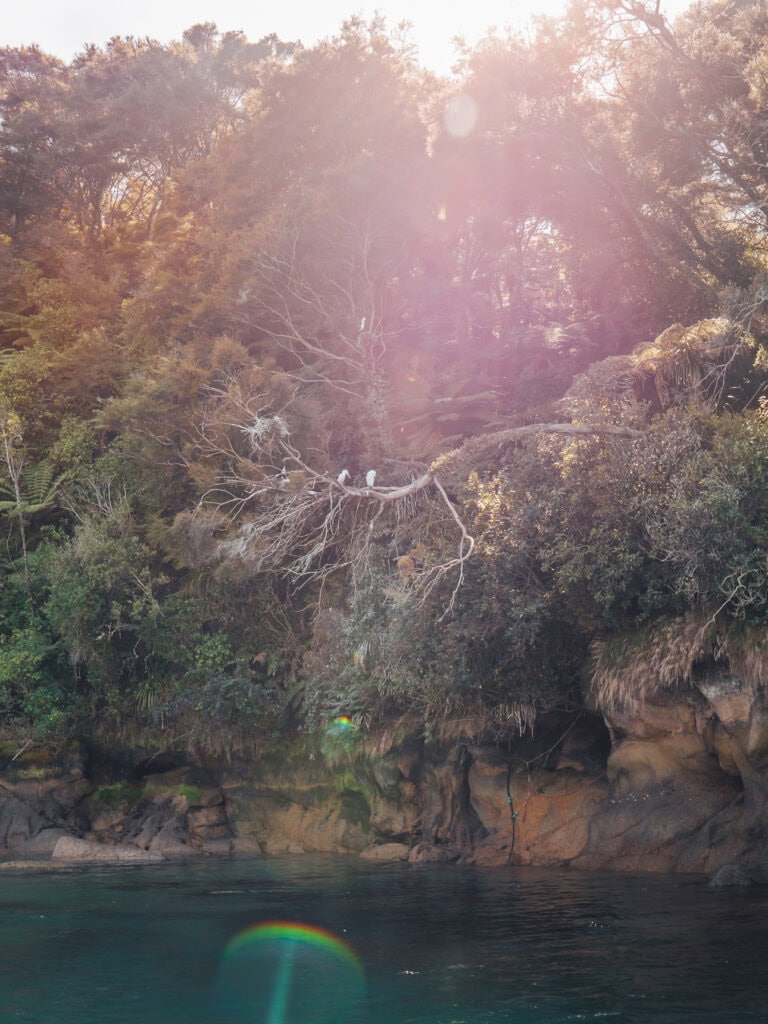
What to prioritise in Golden Bay
- Seeing some of the clearest water in the world. Te Waikoropupū Springs (known locally as Pupu Springs) pumps out some of the purest water on the planet, with 60+ metres of visibility 🤯 It’s a sacred Māori site so no swimming or touching the water, but there’s an easy and short loop walk to see the magic.
- Visiting the very tip of the South Island. Farewell Spit is a 34km-long sandbar curving out from the top of the South Island, it’s conservation land so you can’t drive up it but you can book an eco tour to reach the gannet colony right at the end.
- Wharariki Beach. In 2015 this rugged beach near Farewell Spit became world-famous overnight when a Windows 10 update made it a default desktop background, catapulting it from relative obscurity to being seen by hundreds of millions of people. Luckily its remoteness has kept visitor numbers manageable, but if you’re heading over the Tākaka Hill then it’s worth the additional effort to get there.
- Climbing a via ferrata. NZ’s first free and publicly accessible via ferrata (cable climb) lives at the highest point of Tākaka Hill, letting you scale limestone cliffs with iron rungs and steel cables. It’s a grassroots community-run project so there’s no admission fee and no safety guide onsite, which is pretty on-brand for Golden Bay. You can hire proper equipment from Ngarua Caves.
- Embracing the unconventional Golden Bay lifestyle. This place does things differently, with clothing-optional beaches, holistic healers and village market stalls full of handmade jewellery, organic produce and second-hand trinkets.
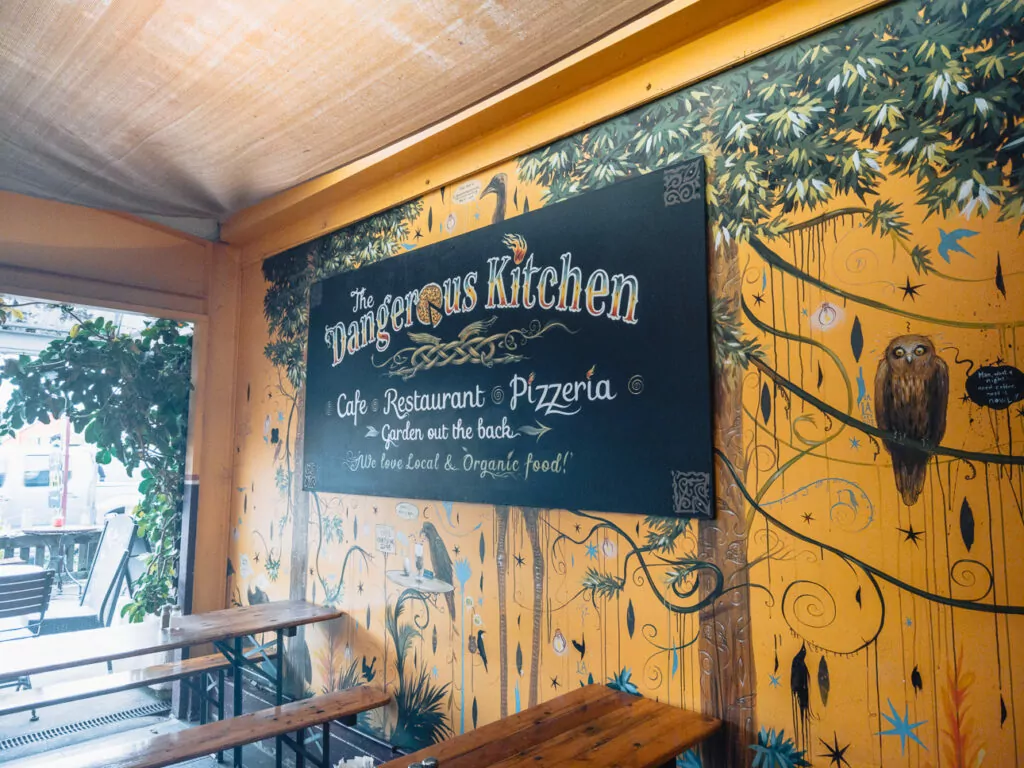
Where to stay in Golden Bay
- Campground: Pohara Beach TOP 10 (Pōhara), Golden Bay Holiday Park (Parapara)
- Budget: Pohara Beach TOP 10 and Golden Bay Holiday Park both have cheap rooms/cabins too, or Mælstrøm End Eco Farmstay is an affordable option near Farewell Spit
- Mid-range: The Rocks Chalets (Tākaka)
- Luxury: Ratanui Lodge (Pōhara)
- Unique: Drift Off Grid Glamping (Tata Beach, another one on my bucket list)
Quick Golden bay tips from a Kiwi
- For the love of God do not mention Jacinda Ardern, she might be considered a saint wherever you’re from but let’s just say most Golden Bay locals aren’t her biggest fan.
- Actually just steer clear of any discussion around the pandemic, vaccinations or healthcare in general to avoid any heated discussions outside the crystal shops. You’ve been warned 🙃
- Fuel prices in Golden Bay will be higher than the self-serve stations before the hill, top up before you head over.
- Tākaka Hill is one of the zigzaggiest roads in New Zealand, drive whatever speed you’re comfortable at but use slow vehicle bays and pull over when it’s safe so locals can pass.
Nelson
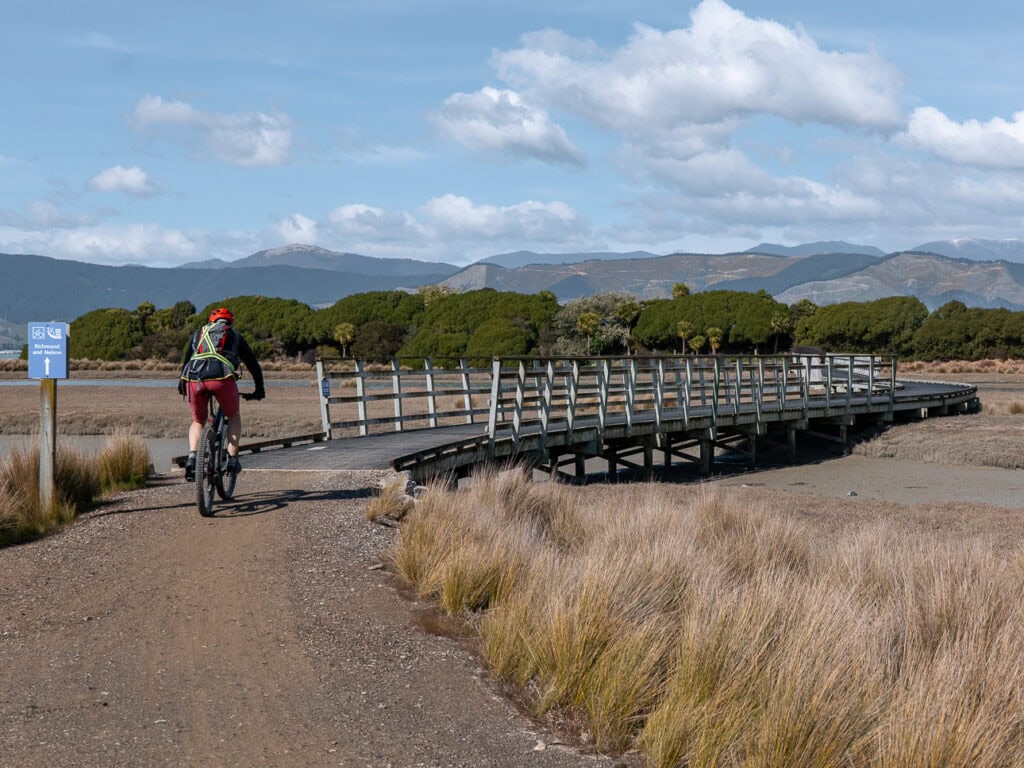
Getting from Golden Bay to Nelson: 1h 50m from Tākaka (99km)
Where to stop between Golden Bay and Nelson
- Mapua Wharf to peruse boutique giftshops and indulge in a long lunch
- Old Factory Corner near Richmond for a brilliant local grocery store and the best cheese scones in the South Island at Grape Escape Café
How long to stay in Nelson: Ideal 1-2 nights / Minimum half day
Why stop in Nelson
If you’ve got sand in your shoes and aching muscles after a few busy days exploring Abel Tasman, Nelson is where you slow down and treat yourself to some wining, dining and market stall retail therapy.
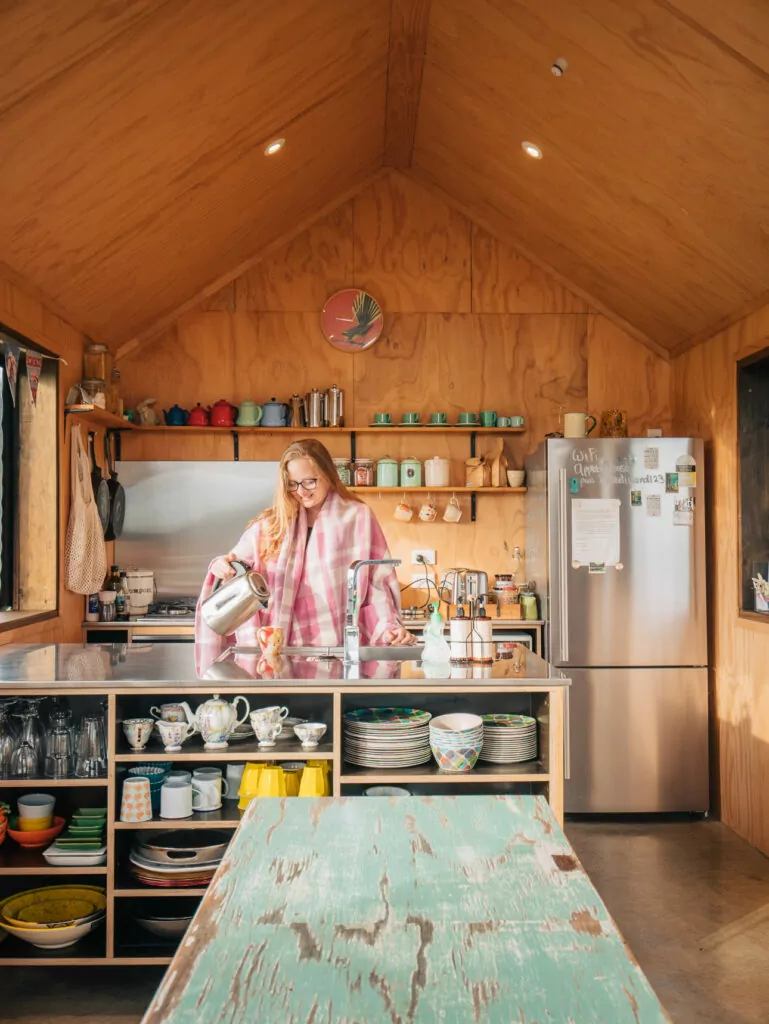
Nelson’s location between Marlborough, the Tasman region and the southern highway towards the mountains makes it an obvious transit point, but stick around and you’ll reap the rewards in the form of legendary restaurants, world-renowned craft tipples and record sunshine hours.
What to prioritise in Nelson
- Cycling the Great Taste Trail. This 175km loop links some of Nelson’s top culinary highlights, classy wineries and casual watering holes with ocean and mountain views along the way, join a guided day ride along the best segment or rent an e-bike to go at your own pace.
- Brook Waimarama Sanctuary. Just a short drive from the city centre is a predator-free reserve that’s abundant with native birds, insects and reptiles. The best way to experience it is on a night tour, where you can spot thousands of glowworms, listen carefully for kiwi calls and learn about conservation efforts from local volunteers.
- The Skywire at Cable Bay Adventure Park. Get strapped into a chairlift on steroids and then fly over the forest canopy at up to 100km/h, before hurtling back to the start backwards!
- Eating and drinking your way around the city. Nelson punches wayyy above its weight for food and booze, from award-winning breweries and roadside orchard stalls to cosy wine bars and hearty pubs. I love Victus for brunch, Salvito’s for pizza and Hopgood’s for a fancier option.
- Supporting local businesses: This city is full of artists, glassblowers, sculptors and potters, so you can browse galleries, visit working studios or pick up one-of-a-kind pieces at the legendary Nelson Market on Saturday mornings.
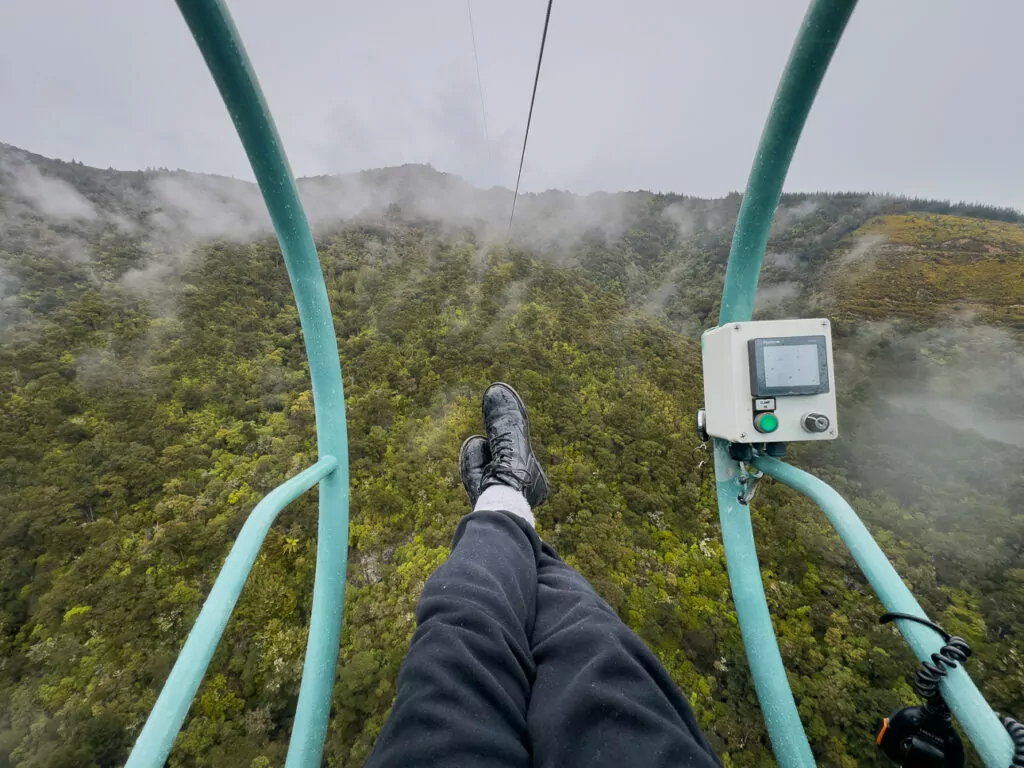
Where to stay in Nelson
- Campground: Tāhuna Beach Holiday Park is one of my South Island faves!
- Budget: Tasman Bay Backpackers or Tāhuna Beach Holiday Park has basic cabins as well
- Mid-range: Arcadia Motel or Tuscany Gardens Motor Lodge
- Luxury: Pihopa Nelson or Pohutakawa Lodge
- Unique: Rabbit Island Huts
Quick Nelson tips from a Kiwi
- Nelson has big supermarkets, pharmacies, clothing chains and outdoor stores that you won’t find in smaller towns, so stock up on anything you need here before the Marlborough > Kaikōura > Hurunui segment of the road trip.
- Parking in most parts of Nelson city is free for the first hour but you still have to enter your number plate on a parking machine or the app to activate it. If you don’t activate it the wardens won’t know when you arrived and you might come back to a ticket.
- Pic’s Peanut Butter World might sound like a tourist trap but if you’re a PB fan you MUST go, at least for brunch.
Picton & the Marlborough Sounds

Getting from Nelson to Picton: About 2h via the scenic Queen Charlotte Drive (113km) or save 10 minutes by going the boring but less windy way (1h 50m, 139km)
Where to stop between Nelson and Picton
- Pelorus Bridge Scenic Reserve for lots of short walks and photo spots (you might recognise it from The Hobbit: The Desolation of Smaug)
- Havelock for a hearty lunch of fresh greenshell mussels
- Cullen Point, Governors Bay Picnic Bench and Wedge Point Ridge for lookouts along Queen Charlotte Drive
And if you’re coming from the North Island: If you’re connecting this South Island road trip with a North Island one then you might want to start or finish the loop in Picton so you can link it with the Cook Strait Ferry.
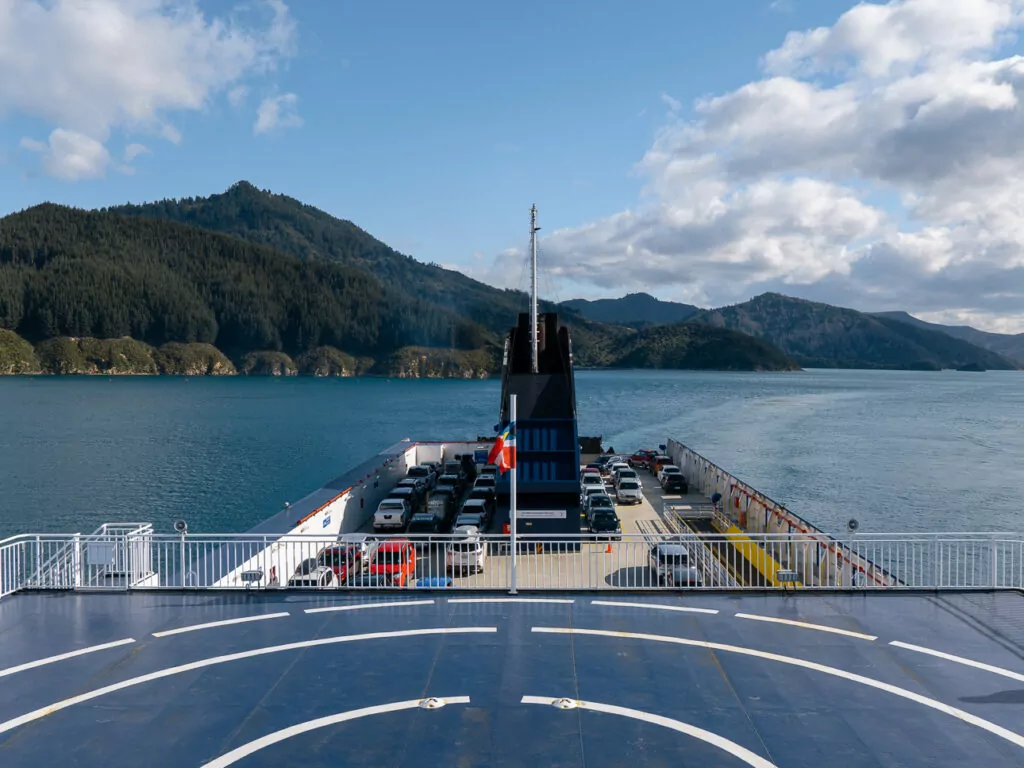
How long to stay in the Marlborough Sounds: Ideal 2-3 nights / Minimum 1 night
Why stop in the Marlborough Sounds
We can thank a period of rapid climate change about 14,000 years ago for the Marlborough Sounds, when ancient river valleys were flooded by the ocean and resulted in this jigsaw puzzle of a landscape. This tiny region holds more than a quarter of the South Island’s coastline!
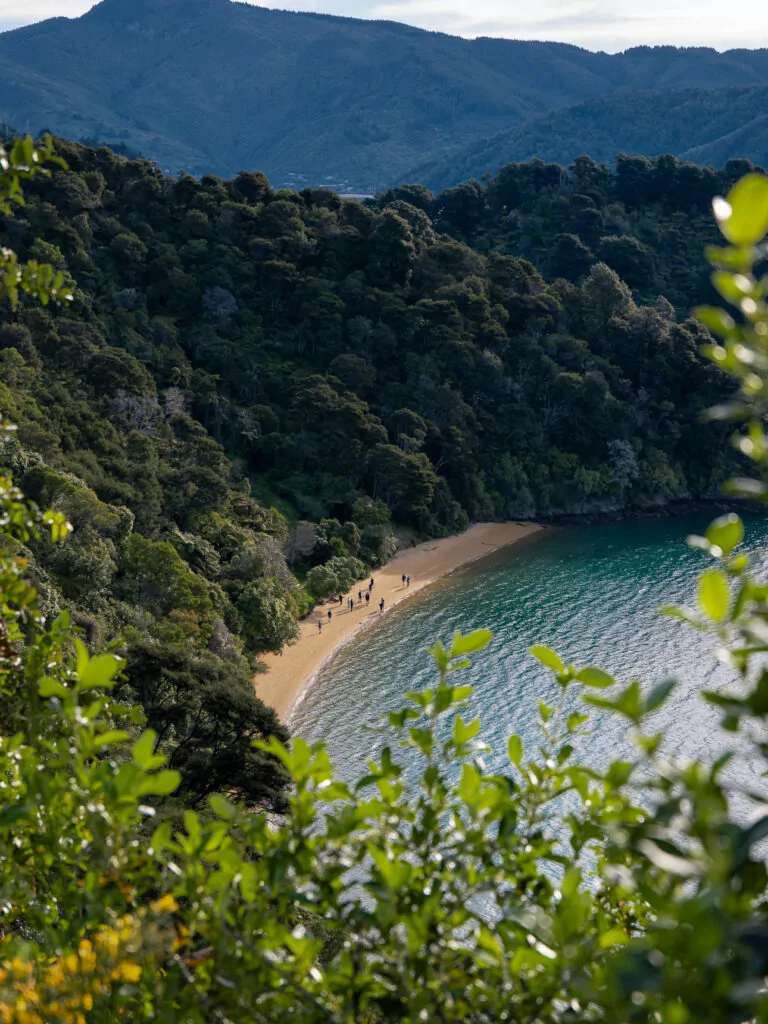
The zigzagging Queen Charlotte Drive offers stunning glimpses down Grove Arm and Pelorus Sound, but the vast majority of the Sounds remain completely inaccessible by car.
What to prioritise in the Marlborough Sounds
- Seeing them from a scenic flight. There’s no better way to understand the magnitude of this maze than to see it through the window of a tiny Cessna. A big ticket purchase but so worth it.
- Swimming with wild dolphins. The local conservation legends at E-Ko Tours run ethical encounters with resident pods in the sheltered waters of Queen Charlotte Sound / Tōtaranui, where conditions are so calm that they offer a no-seasickness guarantee. Not keen on the swim? Join them for a dolphin watching cruise instead.
- A section of the Queen Charlotte Track. The full 73.5km walk takes 3-5 days, but water taxis connect Picton with various points along the route so you can hike or bike the best bits without the multi-day commitment.
- Spotting seabirds and marine life from a kayak. Smooth conditions and crystalline water make the Marlborough Sounds one of the best places to kayak in the South Island, with penguins, dolphins, stingrays and seals commonly spotted by happy paddlers. Rent a kayak to explore independently, book a trip with a local guide, or combine a kayak tour with a self-guided hike or bike on the QCT with Marlborough Sounds Adventure Co.
- Delivering mail to the remote locals. Some residents live so deep in the Sounds that their groceries and online shopping packages are delivered by the iconic Pelorus Mail Boat, and travellers can buy a ticket to join one of the postal routes.
- Going off the grid. Escape into total isolation with a night (or more) at one of the lodges hidden between the hills and the sea, only reachable by water taxi or on foot.
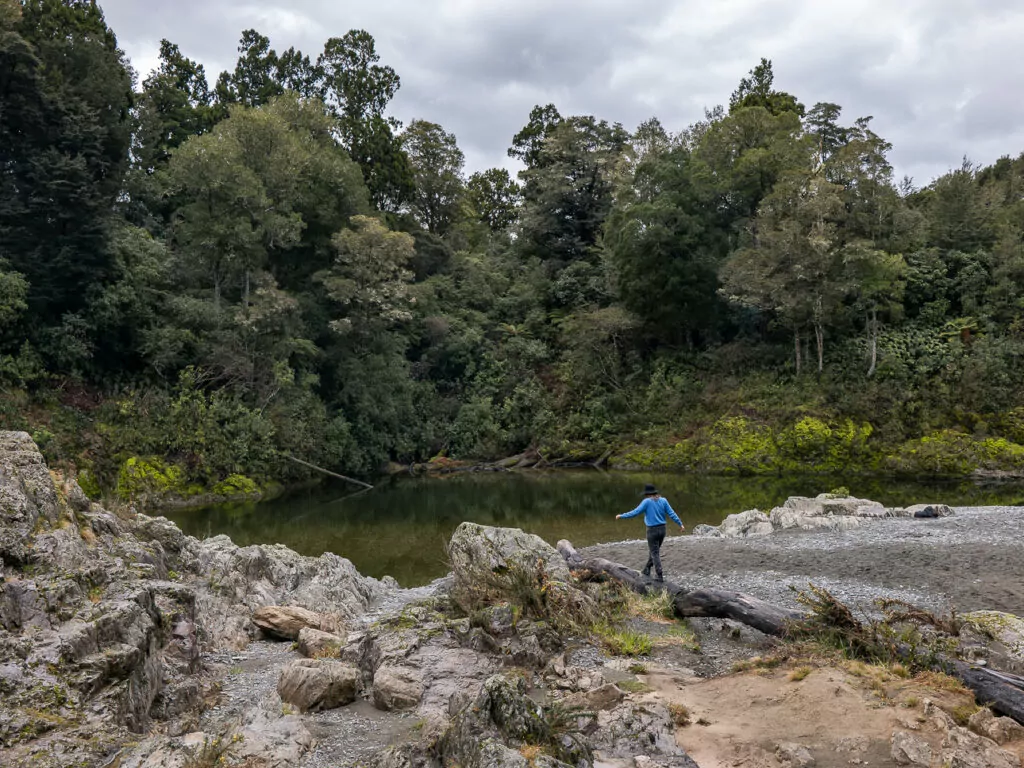
Where to stay in the Marlborough Sounds
- Campground: Tasman Holiday Parks Picton or Momorangi Bay DOC Campground
- Budget: Tombstone Motel, Lodge & Backpackers
- Mid-range: Jasmine Court Motel
- Luxury: Picton Waterfront Apartments or Bay of Many Coves
- Unique: Ngahere Hou Glamping
Quick Marlborough Sounds tips from a Kiwi
- Don’t leave without stopping in at Toastie Lords for a supremely cheesy toasted sandwich 🤤
- Snout Track Carpark has the best sunset view in Picton without needing a hike
- If you’re on a cruise or kayak during the day and notice any red tint in the bays (like the photos below), try to get to the water after dark because it’s a high chance that algae is bioluminescent! It’s not something that can be planned for because it totally depends on sea conditions, tide, wind and weather but if you see it it’ll be a trip highlight (pun intended).
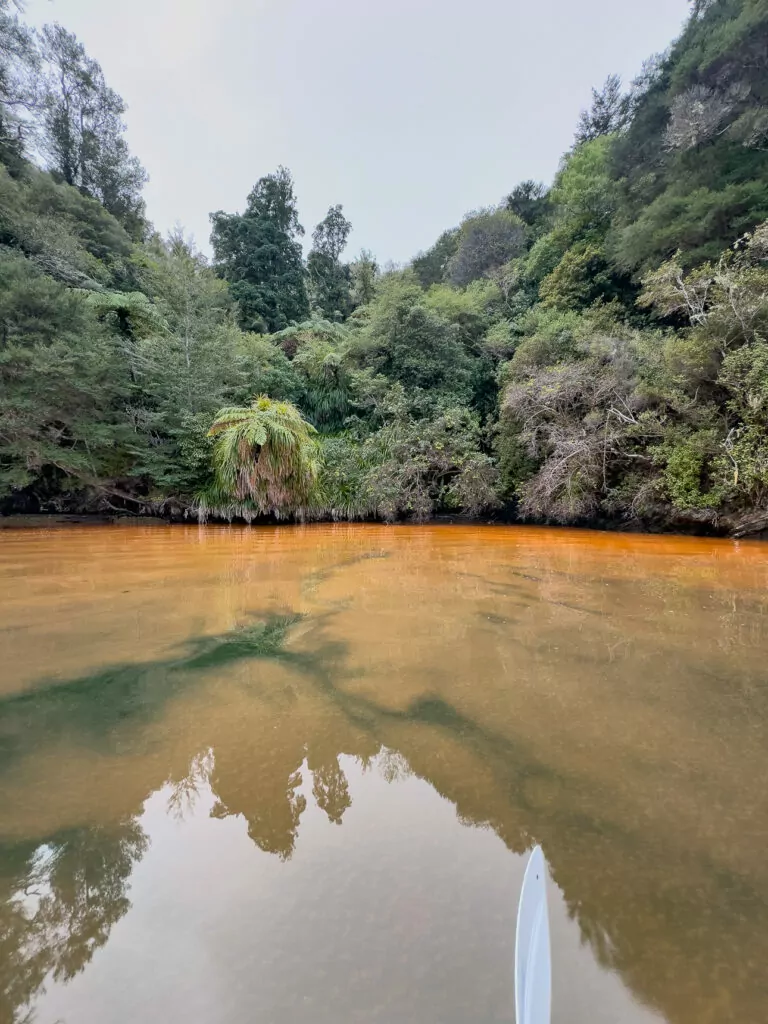
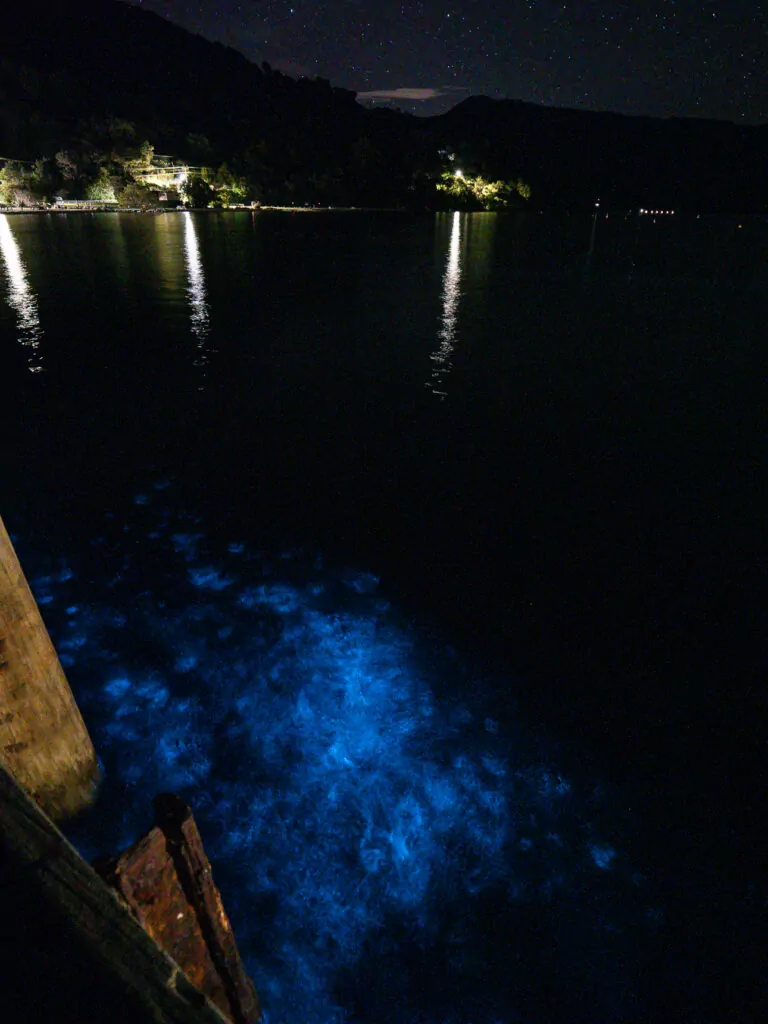
Blenheim & the Marlborough wine region

Getting from Picton to Blenheim: 25 mins (28km)
How long to stay in Blenheim: Ideal 1-2 nights / Minimum day trip
Why stop in Blenheim
Marlborough is the viticultural heart of New Zealand, accounting for more than 75% of the country’s wine production, and the unpretentious town of Blenheim is the perfect base for oenophiles and gourmands looking to taste the region’s specialties.
What to prioritise in Blenheim
- Finding your favourite drop. Though Sauvignon Blanc is the king of this castle, Marlborough’s got wineries serving up all types of varietals to thirsty travellers. Whether you stick to the heavy hitters like Cloudy Bay or discover a boutique bottle you’re obsessed with, you’re guaranteed to go home with your bag clinking.

- Cycling between cellar doors. Flat terrain and dedicated bike paths make two wheels the ideal way to get between tastings, and Explore Marlborough’s bike rental or guided tours include hotel drop-off so you don’t need to worry about driving at the end of the day.
- Sampling regional cuisine. Omgggg the food here is what food should always be: seasonally-led menus that hero local ingredients, expertly paired with wines that elevate the entire experience. Perfection. Go to Arbour for a divine degustation, Harvest for sophisticated dishes made from their daily garden picks, and Frank’s Oyster Bar for fresh seafood and sharing plates.
- Omaka Aviation Heritage Centre. See Peter Jackson’s WWI and WWII aircraft collection, displayed in eerily realistic dioramas. Ideal for a (rare) rainy day or if you need a break from the grapes.
Where to stay in Blenheim
- Campground: Spring Creek Holiday Park
- Budget: Dragonfly Cottage B&B or Stay@10
- Mid-range: Carnmore Chateau or Walnut Block Cottages
- Luxury: 14th Lane Urban Hotel (glorious!) or the Nineteenth
- Unique: The Marlborough (a beautifully preserved convent-turned-boutique hotel)
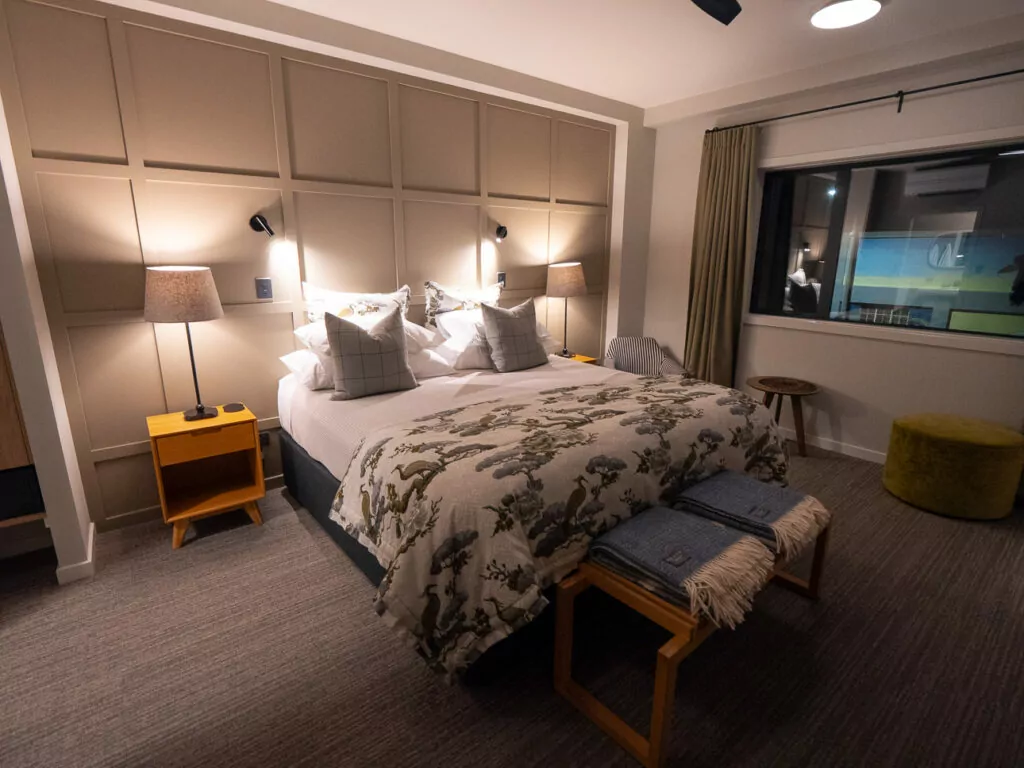

Quick Blenheim tips from a Kiwi
- Most winery restaurants take their last lunch orders around 2.30-3pm, so make sure you find a table before then or you’ll be stuck with the snacks menu.
- If you overindulged and feel a little worse for wear the morning after, Burleigh Pies will satisfy your cravings for greasy goodness.
Kaikōura
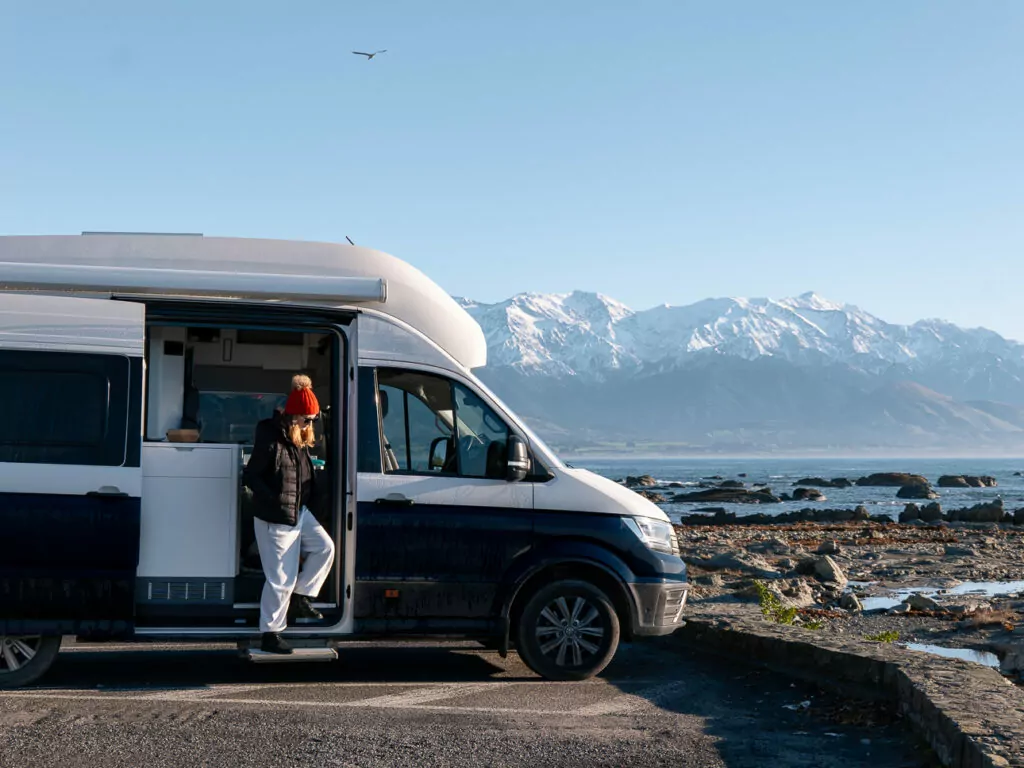
Getting from Blenheim to Kaikōura: 1h 35m (128km)
Where to stop between Blenheim and Kaikōura
- Yealands Estate for the panoramic lookout at the end of the White Road
- Paparoa Point Rest Area, a top contender for most beautiful carpark in New Zealand
- Ohau Point seal colony to watch young seals playing in the rockpools
- Nin’s Bin crayfish stall
How long to stay in Kaikōura: Ideal 2-3 nights / Minimum 1 night
Why stop in Kaikōura
I don’t know if it’s the spectacular mountains + ocean combo, the abundance of cute animals or something more ✨ spiritual ✨ (and I’m not typically a ‘wooey’ person), but Kaikōura somehow just makes people happy!
Too many travellers treat it as a whirlwind whale watching day trip from Christchurch, but those underwater giants are just one part of the equation. Dolphins roam in pods of hundreds, fur seals tumble around the waves at sunrise, and there are ziplines, hiking trails and ultra-scenic lookouts to keep you busy between wildlife encounters.
What to prioritise in Kaikōura
- Swimming with wild dusky dolphins. I’m actually terrified of whales so this might be biased, but my faaavourite Kaikōura experience is an open ocean swim with curious dusky dolphins. It can be bloody cold and certainly not ideal for anyone prone to seasickness, but if you can handle a frozen nose and a bit of swell then the discomfort pales in comparison to the magic.

- Whale watching. Kaikōura’s Pacific coast is one of the best places in the world to spot whales in the wild, with year-round sperm whale sightings and seasonal visits from their migratory friends. Jump on a boat tour to get right up close, or book a whale watching flight for an aerial view of one surfacing from the deep.
- Indulging in fresh kaimoana (seafood). The town is literally named after crayfish (kai = food, kōura = crayfish) so grabbing a fresh one from a roadside caravan is mandatory.
- The Peninsula Walkway. There’s no shortage of vantage points around here but Kaikōura Peninsula Walkway packs some of the best lookouts into a 3.5km clifftop track, which can be turned into an 11-12km loop if you want to walk to and from the town centre.
- Staying up late for the stars. Kaikōura earned International Dark Sky Sanctuary status in 2024, so don’t go to bed before taking a peek at the Milky Way. Kaikōura Lookout, the historic chimney near Fyffe House and the Raramai rest area south of town are my favourite astrophotography spots.
- Connecting with Te Waipounamu (the South Island) on a deeper level. Hear local pūrākau (stories) and learn about the deep cultural significance of this magical place with Māori Tours Kaikōura.
- Taking in the scenery from high up. Zipline above the native bush canopy with alpine and ocean views, tackle the epic day hike to Mt Fyffe Hut and back, or fly over the peninsula and along the Seaward Kaikōura Range on a scenic flight.
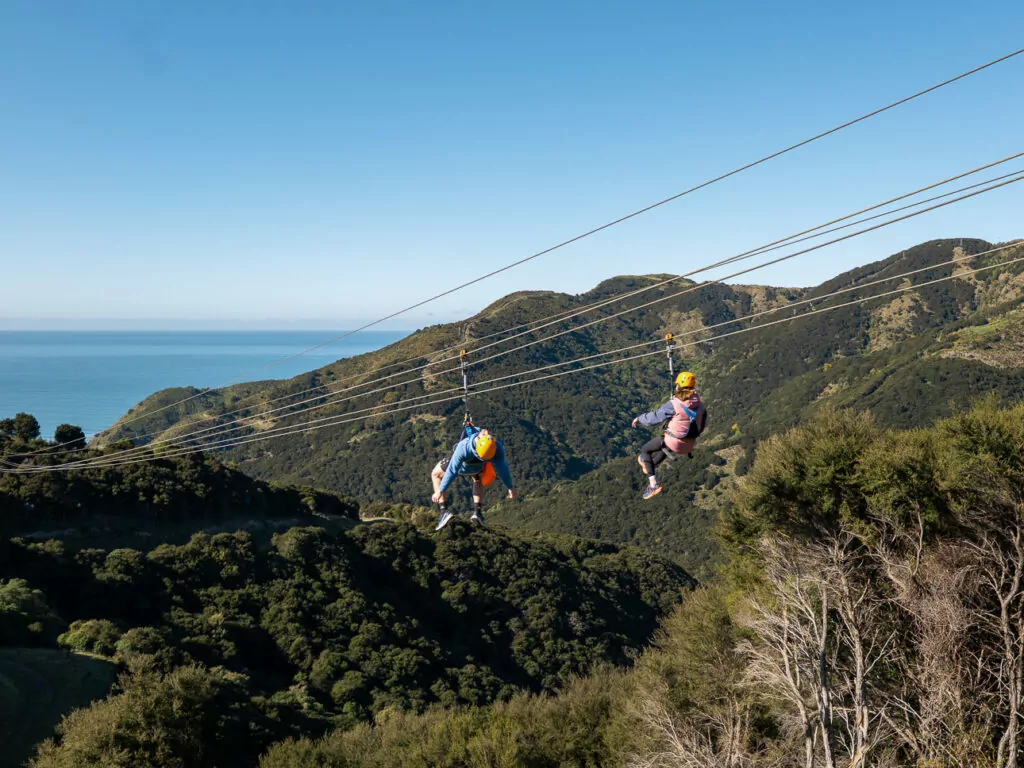
Where to stay in Kaikōura
- Campground: There are some great freedom camping spots if you can nab one (with strict hours and rules, more info here), Donegal House (inland, cheap!), Alpine-Pacific Holiday Park (in town but pricier)
- Budget: Alpine-Pacific for basic cabins, Dolphin Lodge for dorms
- Mid-range: Close to Home has lots of mid-range houses and apartments
- Luxury: Hapuku Lodge & Tree Houses
- Unique: Clifftop Cabins is actual heaven, and there are two off-grid PurePods in the countryside with magical views (Manakau and Kahutara)
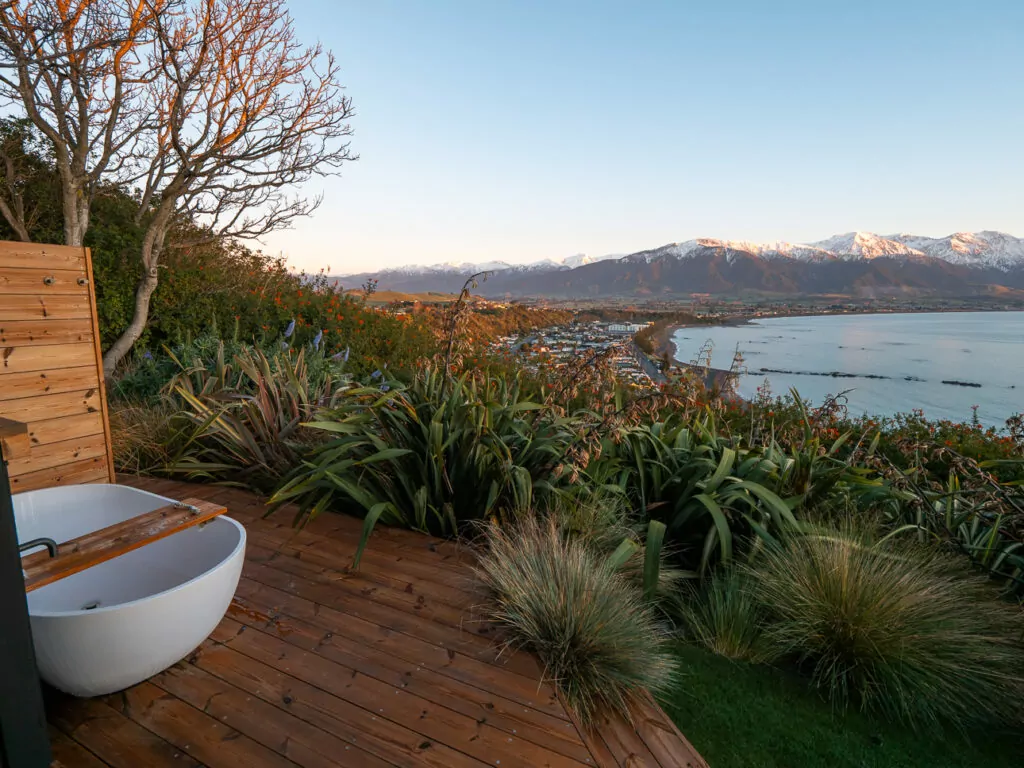
Quick Kaikōura tips from a Kiwi
- The Ohau Point seal colony is one of my favourite places in the country, it’s right on SH1 just north of Kaikōura and there’s a big carpark for safe and easy pulling over. Most people just watch the seals lazing on the rocks just under the viewpoint barrier, but look out towards the water where the waves spill into the rockpools and you’ll usually see young seals practicing their jumps and underwater flips. Pure serotonin 🥺
- Trust me on this one: a Kaikōura sunset is almost always incredible, no matter the conditions. My toxic trait is chronic impatience, and three times now I’ve been caught out by giving up on sunset when the colours fade, heading to the supermarket to grab dinner, and then seeing the sky turn to absolute fire as I’m walking through the carpark. I have too many sunset photos from that damn New World.
- Whale watching and dolphin swimming both book out in summer, so reserve your spot as early as possible.
Waipara Valley & coastal Hurunui
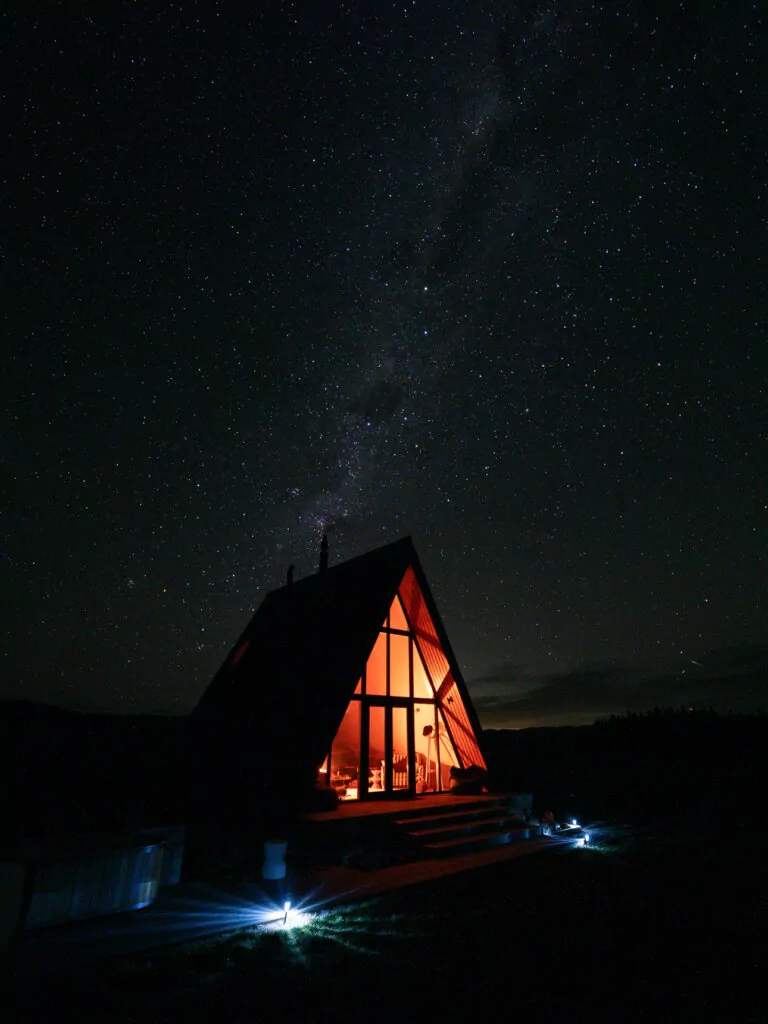
Getting from Kaikōura to Waipara Valley: 1h 35m (123km)
How long to stay in Waipara Valley: Ideal 1-2 nights / Minimum half day
Why stop in Waipara
Too many visitors autopilot along the final stretch of this itinerary without researching if there’s anything worth stopping for. Spoiler alert: there is.
The Waipara wine region is the ultimate place to wind down after an epic South Island road trip before closing the loop in Christchurch, with organic vineyard tasting rooms, some of the best cellar door cuisine in the country, and a handful of quirky side quests that could well end up being trip highlights.
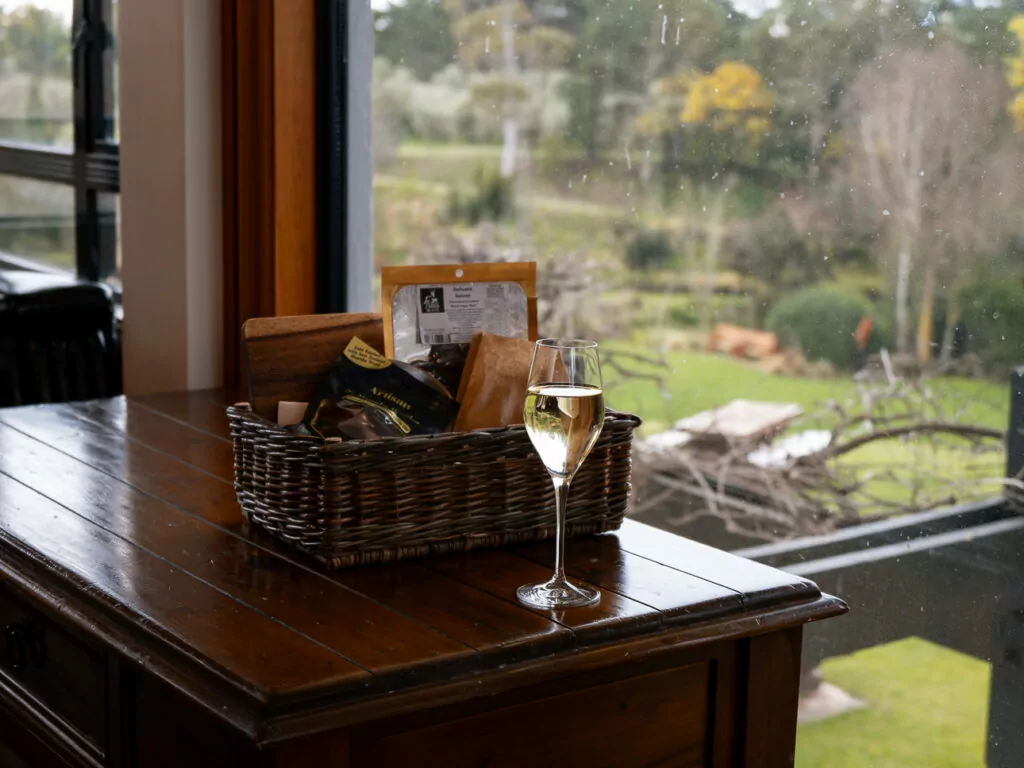
What to prioritise in Waipara
- A food crawl through the valley. The whole Waipara region is a foodie paradise disguised as a rural highway, and you could genuinely have the best dining day of your life here. My number one can’t-miss is Black Estate, I dream about the charcuterie board and lavosh on a weekly basis.
- Getting off the grid. Sleep under the stars at a glass-walled PurePod, book a farm stay to experience true southern hospitality or hunker down in a cosy cabin with an outdoor bathtub and sweeping views.
- Exploring the Hurunui coast. Swap the vines for windswept beaches at Gore Bay and Manuka Bay, drive up to Cathedral Cliffs to see clay hills eroding into rocky pillars, or race through the river gorge with Energy Jet.
- Iron Ridge Quarry Sculpture Park. Under the radar but totally worth a short detour, it’s a 10 min drive off SH1 and you can BYO picnic to enjoy some snacks amongst the artwork and views. It’s just $16 for adults (under 16s are free), open Wed-Sun from early Sept to early June.
Where to stay around Waipara Valley
- Campground & budget: Cheviot Motels, Cabin & Camp
- Mid-range: Hurunui Homestead B&B
- Luxury: Matai Peak Lodge (I want to stay here so badly), Black Estate B&B
- Unique: So many options! Tawanui Farm’s A-Frame Cabin, George’s Road Wine Pods, Ridgeway Farm, Russell’s Cabins and a few more PurePods
- Ridgeway Farm
- Tawanui Farm

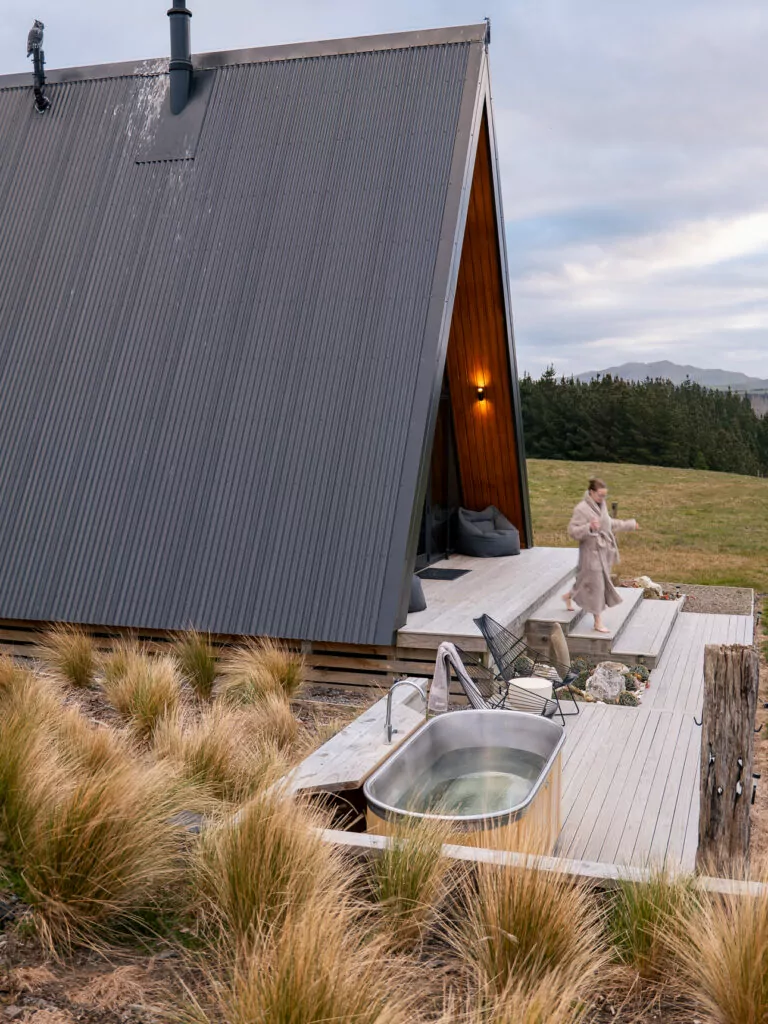
Quick Waipara Valley tips from a Kiwi
- The wine region is less touristy than Central Otago and Marlborough and not all wineries/restaurants are open 7 days, try and time your trip to avoid Tuesday/Wednesday to reduce the risk of being disappointed.
- It’s not just fancy eateries that are good here, there are bakeries, butcheries and greengrocers selling locally-grown, locally-made and locally-farmed products. Markham Street Trader is a brilliant florist/artisan grocer, and there’s also Amberley Fruit & Veges, Kells Kitchen, and Harris Farms in Cheviot.
Variations: Detours, side quests & seasonal swaps
That core itinerary is a perfect loop with no backtracking at all (a work of art if I may say so myself), but there are a small handful of side quests that you could add on if they tick your travel boxes.
Add on Arthur’s Pass
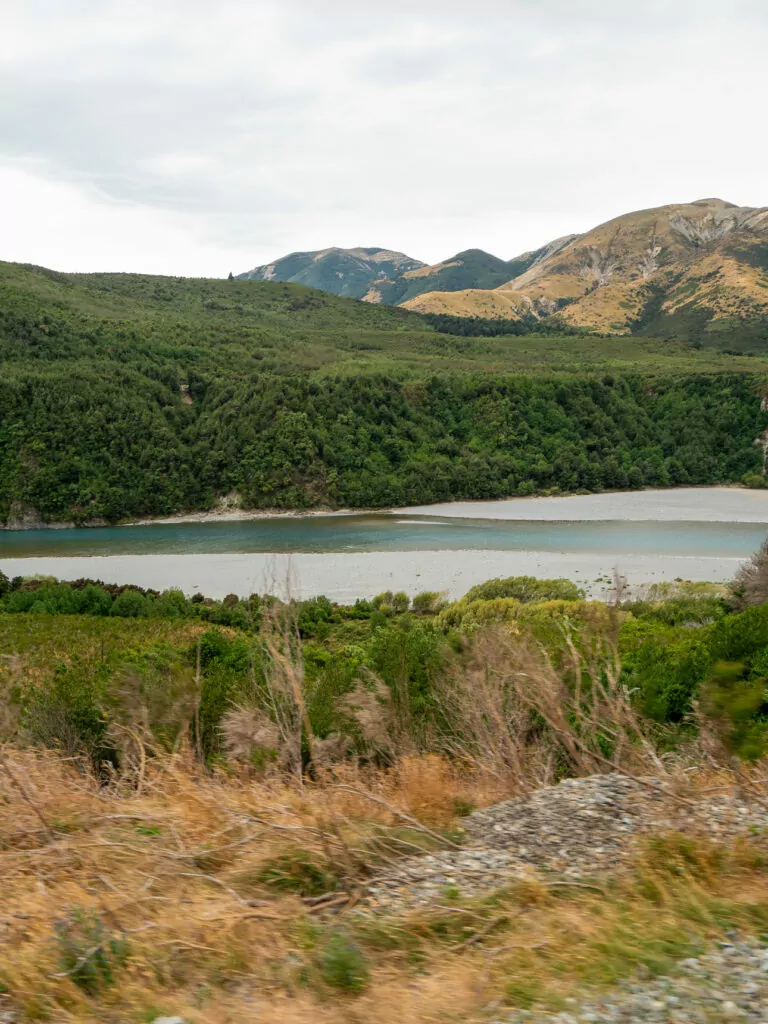
How to fit Arthur’s Pass into your trip
Arthur’s Pass works either as a scenic driving route connecting the West Coast to Canterbury (if you’re not doing the full loop or don’t mind doubling back) or as a day/overnight round trip from Christchurch.
If you’ve got a few days spare on your itinerary, you could also connect Arthur’s Pass with the Lewis Pass and Hanmer Springs side quests below to add a mini loop in the middle of the full island loop.
Why Arthur’s Pass is worth the detour
Arthur’s Pass is the most dramatic of the three roads crossing the Southern Alps, with drastically different landscapes on show along the 3.5h, 240km journey between Christchurch and Greymouth.
You’ll see classic Canterbury farmland, braided rivers and tussock-covered hills, with film locations, engineering marvels and ample backcountry hiking trails branching off along the way.
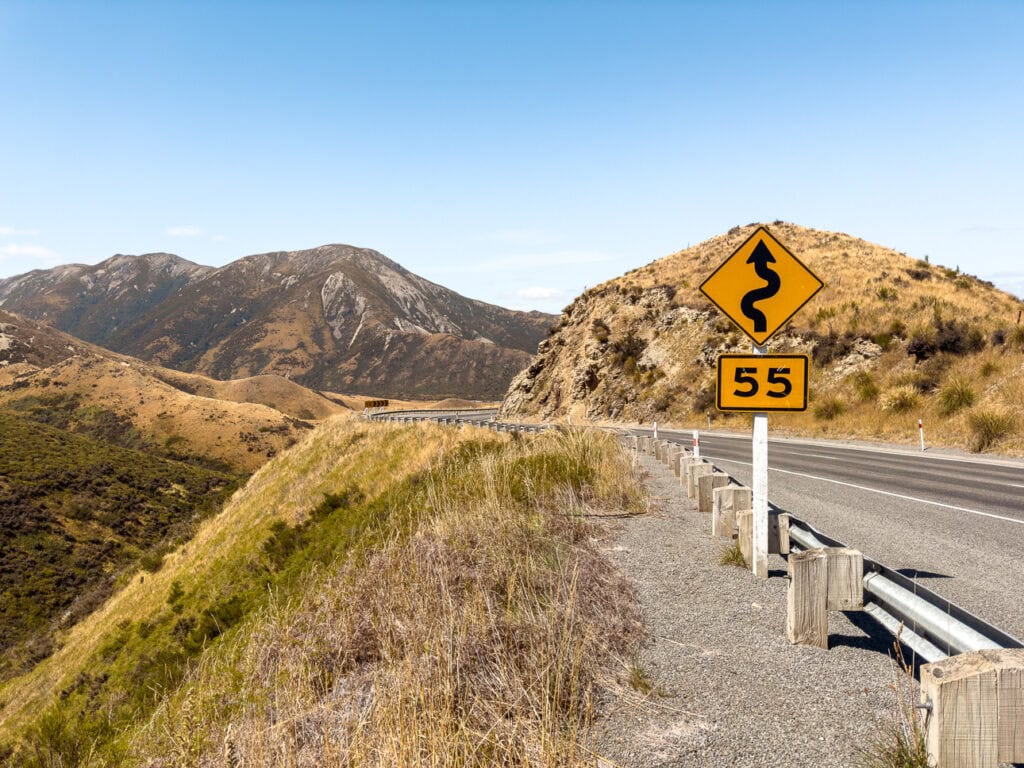
What to prioritise in Arthurs Pass
- National Park walks. The best option for a quick stop is the 1h return Devils Punchbowl Track to a thundering waterfall, but if you’re staying longer and have proper hiking experience then Arthur’s Pass offers some of the most rewarding Southern Alps tramps.
- Seeing cheeky kea at the Otira Viaduct. This massive 440m bridge was built to replace a treacherous zigzag road prone to avalanches, and the lookout above it is a common spot for kea (alpine parrots) to congregate. They might start gnawing at your windscreen wipers but don’t mistake their naughty behaviour for desperate hunger, they’re just scavengers looking to get some treats from unknowing tourists. As with all wildlife in New Zealand, do not feed them.
- Walking through Narnia. On the Canterbury side of Arthur’s Pass is Kura Tāwhiti/Castle Hill, a field of giant limestone boulders that served as the backdrop in The Chronicles of Narnia: The Lion, the Witch and the Wardrobe. It’s more than just a movie set though, the site holds deep cultural significance for the local iwi (tribe) marked by three beautiful carved pou whenua.
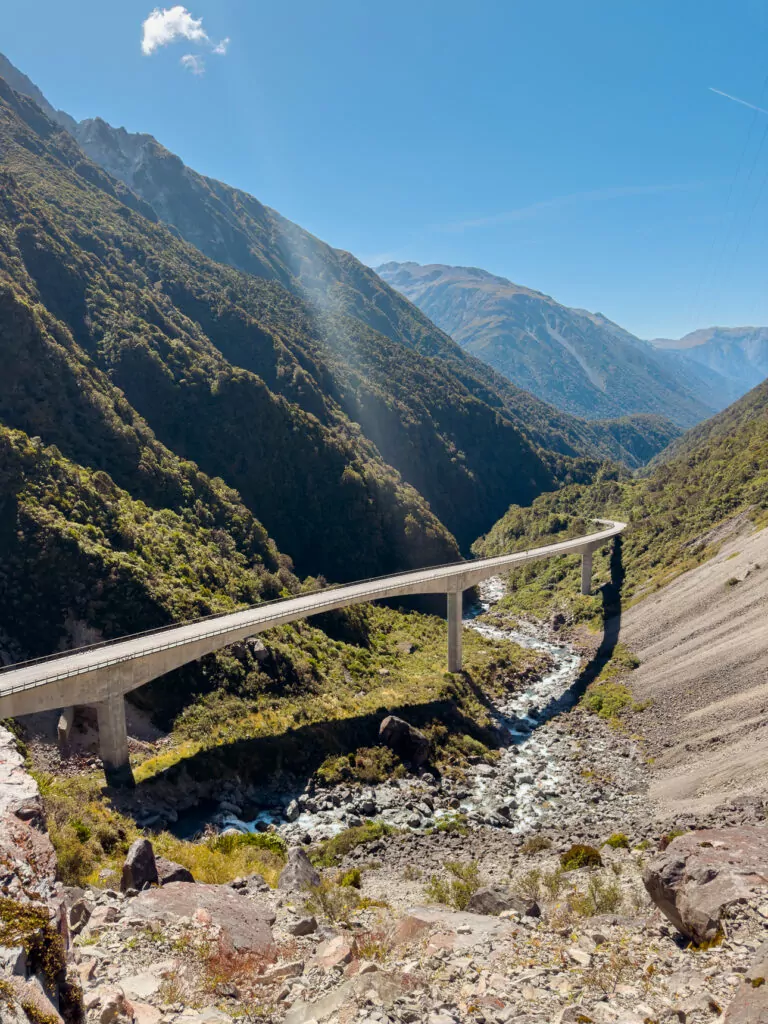
Where to stay around Arthur’s Pass
- Campground: Jackson’s Retreat Alpine Holiday Park
- Budget: Smylies Accommodation, Forest Lodge
- Mid-range: Bahara Accommodation, Rata Lodge
- Luxury: Flockhill Lodge (suuuper fancy) or Lake Brunner Eco Lodge (northwest of Arthur’s Pass)
- Unique: Arthur’s Pass Ecolodge (the view 🤩)
Quick Arthur’s Pass tips from a Kiwi
- There are only a few cafes along the whole pass and they all have very average reviews, pack a picnic lunch instead.
- Or if you’re keen to elevate your Arthur’s Pass experience, the ultra-luxe Flockhill Lodge offers set menu lunch and dinner sittings Friday-Sunday, advance bookings essential.
- Want to see the landscapes from both the road and the train without doubling back? Check if Transfercar or Imoova have any car relocation deals from Greymouth to Christchurch or vice versa, then book the TranzAlpine train for the other direction. Relocations normally aren’t posted until a few weeks before the travel dates so you won’t be able to confirm this until closer to your trip, but if you’ve got some flexibility it can work out perfectly.
Add on Lewis Pass
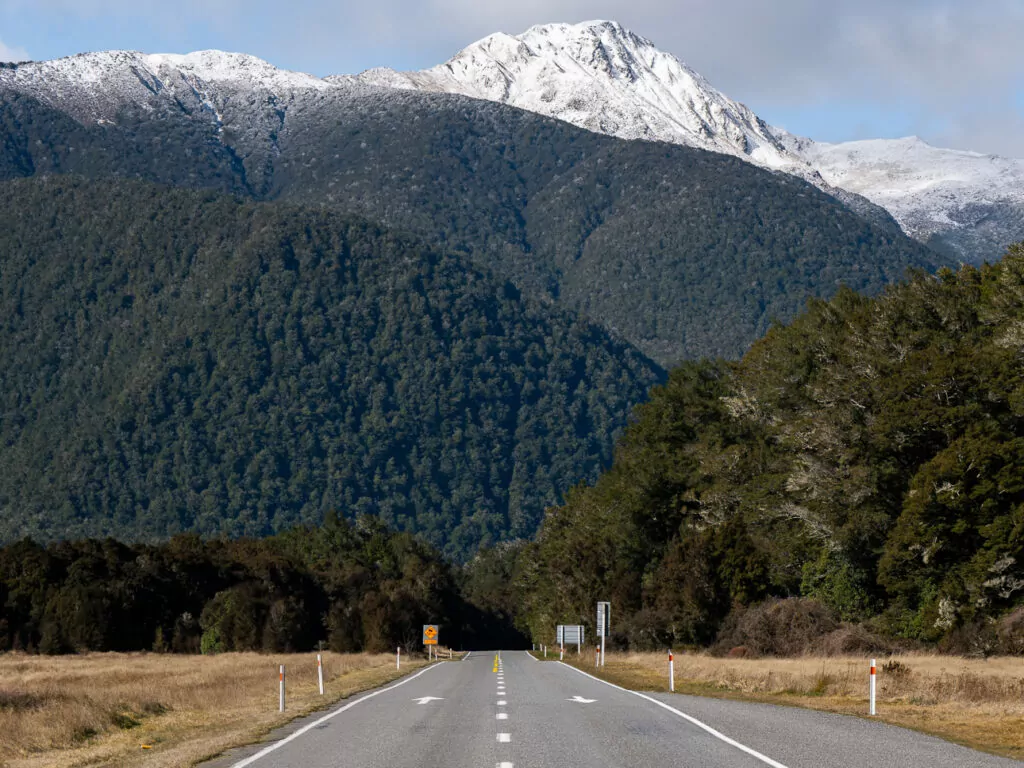
How to fit Lewis Pass into your trip
Lewis Pass works as a scenic shortcut if you want to skip the top of the South Island and head directly from the West Coast to North Canterbury.
From Greymouth you’d head inland via Reefton instead of following the Buller Gorge, then take SH7 past Maruia Hot Springs and over Lewis Pass, connecting with SH1 in the heart of the Waipara wine region. Hanmer Springs is a short detour off SH7 on the eastern side of the alpine pass.
As I mentioned above, Lewis Pass and Arthur’s Pass could be easily linked to form a mini loop as a simple add on to this full South Island loop.
Why Lewis Pass is worth the detour
Lewis Pass is much moodier and Twilighty (strong ‘hoa hoa hoa’ vibes 😶🌫️) than the striking contrasts of Arthur’s Pass, but it’s generally free of tour buses and links worthwhile side quests like Reefton, Maruia Hot Springs and Hanmer Springs.
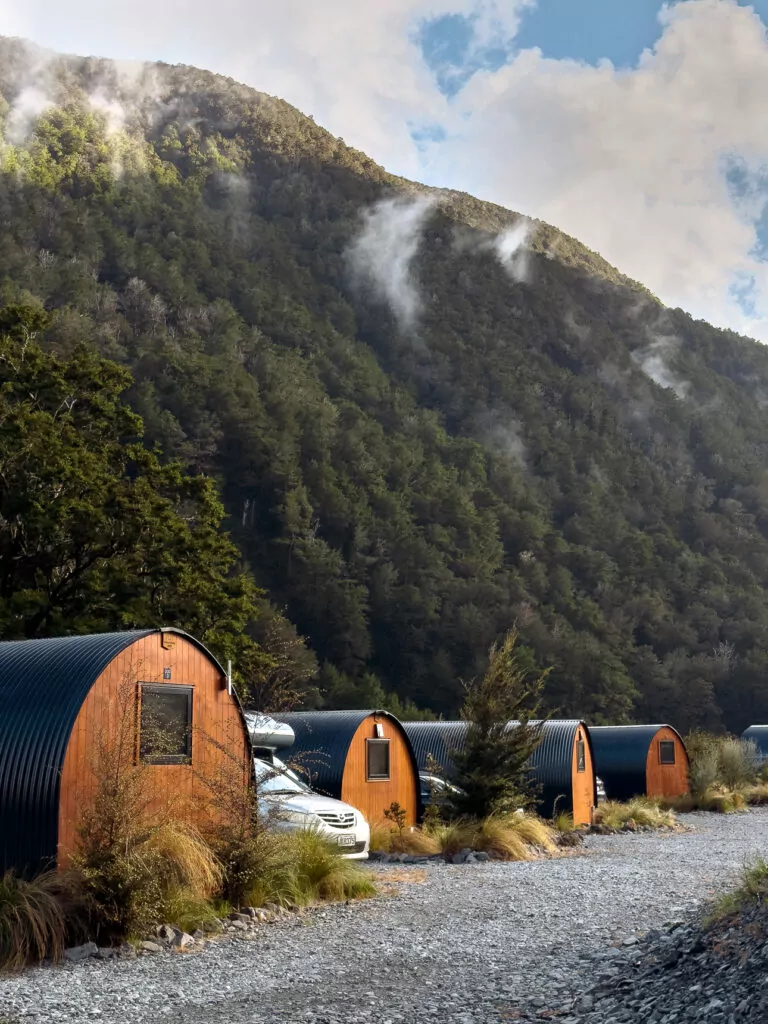
What to prioritise along Lewis Pass
- Maruia Hot Springs. Located on the western side of Lewis Pass is one of the South Island’s best-kept secrets, a boutique wellness resort called Maruia Hot Springs, where you can soak in geothermal waters in rock pools at the base of the Southern Alps.
- A quick leg stretch. There’s an easy 20-minute loop track with excellent alpine views right at the top of Lewis Pass, perfect to break up the drive with some fresh mountain air.
- Trying your luck at catching trout. This part of the country is a prime spot for flyfishing and beginners can learn how to flycast from expert local guides.
- The tiny town of Reefton. With an award-winning gin distillery, some genuinely incredible antique shops (and I’m really not an antique shop kind of girl!) and charming heritage facades, the historic gold-mining town of Reefton is reaping the rewards of a rich-lister’s hyperfixation to revitalise it.
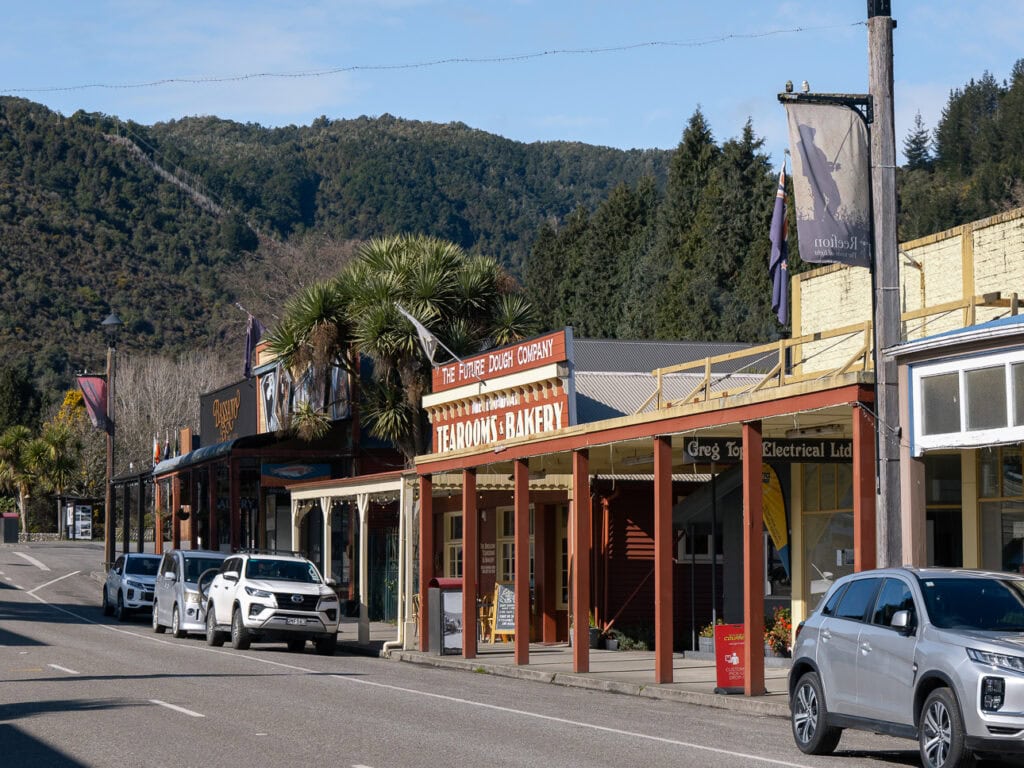
Where to stay along the Lewis Pass
- Campground: Maruia Hot Springs campground and Marble Hill DOC campsite (both unpowered)
- Budget: The Nurses Home (Reefton)
- Mid-range: Maruia Motels, Lewis Pass Motels
- Unique: Maruia Hot Springs glamping pods or fancy suites
Add on Hanmer Springs
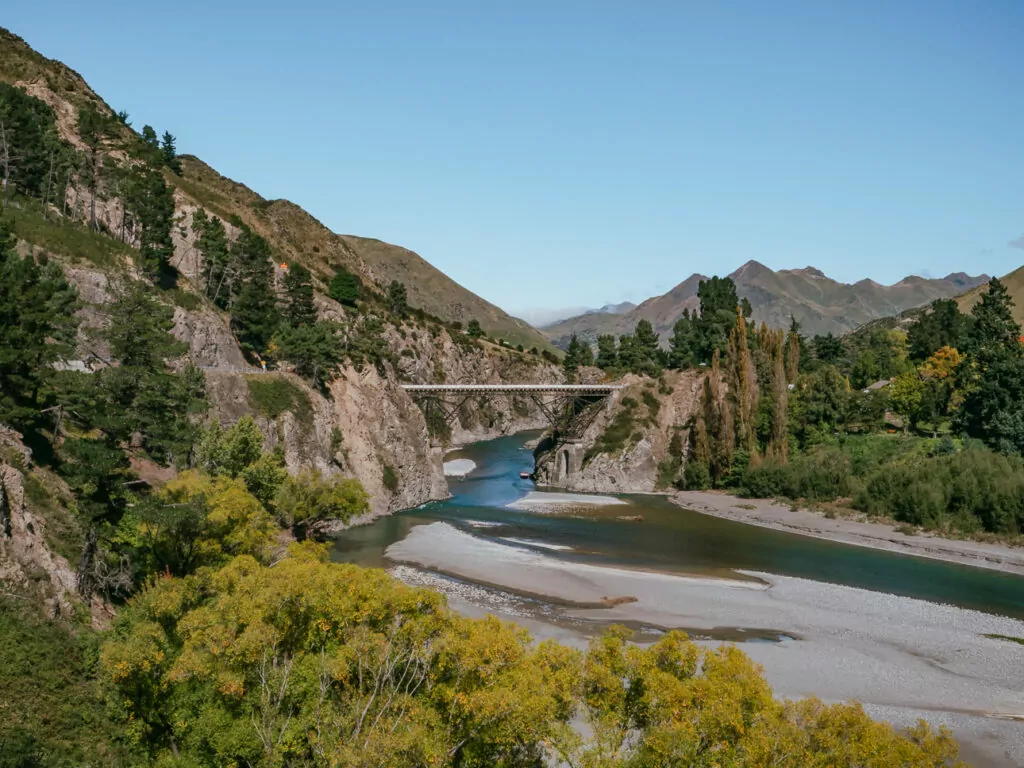
How to fit Hanmer Springs into your trip
If you’re taking the Lewis Pass detour/shortcut above, Hanmer Springs is right along that route.
If you’re sticking to the main coastal loop around the island, Hanmer Springs is an easy detour between Kaikōura (about 2h to Hanmer) and Waipara (about 1h from Hanmer).
How long to stay in Hanmer Springs: Ideal 1-2 nights / Minimum day trip
Why Hanmer Springs is worth the detour
This little alpine village has the perfect ratio of relaxation to adventure, framed by mountains and elevated with top tier eateries and lush stays.
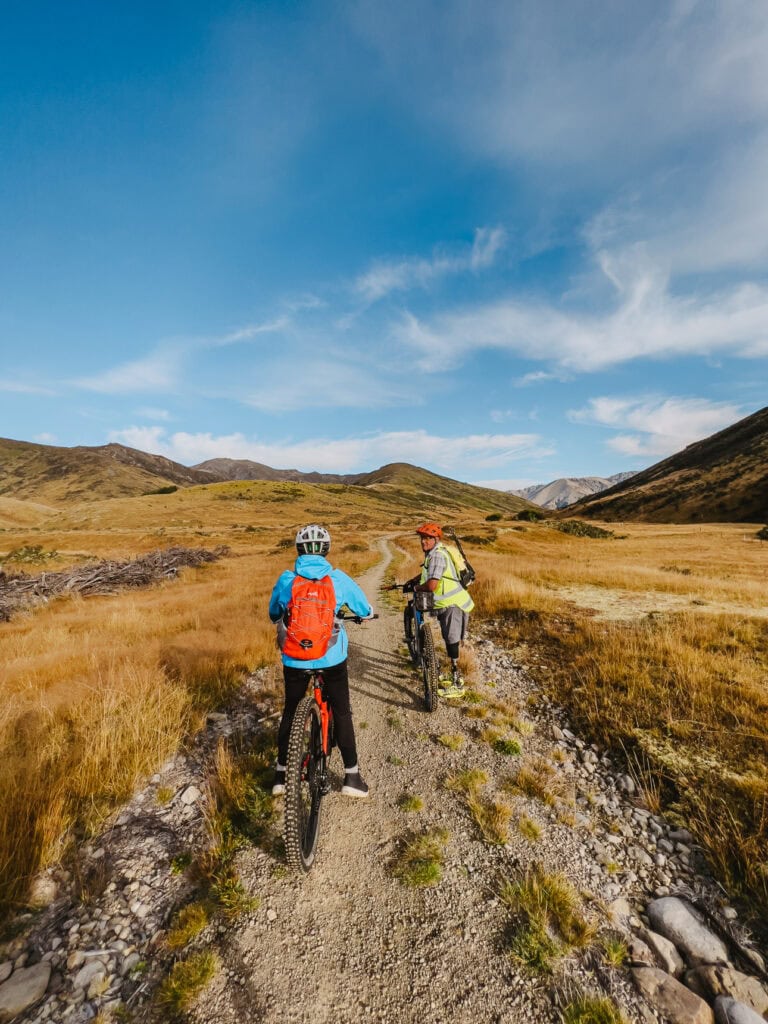
What to prioritise in Hanmer Springs
- The hot pools. It’s literally the town’s name, you can’t come here without getting in the water! Hanmer Springs Thermal Pools is New Zealand’s biggest hot pool complex, with more than 20 pools, a lazy river, hydroslides and a spa next door for ultimate pampering.
- Hanmer Forest & backcountry adventures. From short walks like the Conical Hill Track (1.5h return) and the Forest Amble Sculpture Walk (30 min loop) to more intrepid hikes and mountain biking trails, outdoor adventurers have ample opportunities to get out and about.
- Good value thrill activities. If bungy jumping, jetboating and quad biking are on your New Zealand bucket list, Hanmer Springs offers all of these for significantly less than you’d pay in the major tourist hubs.
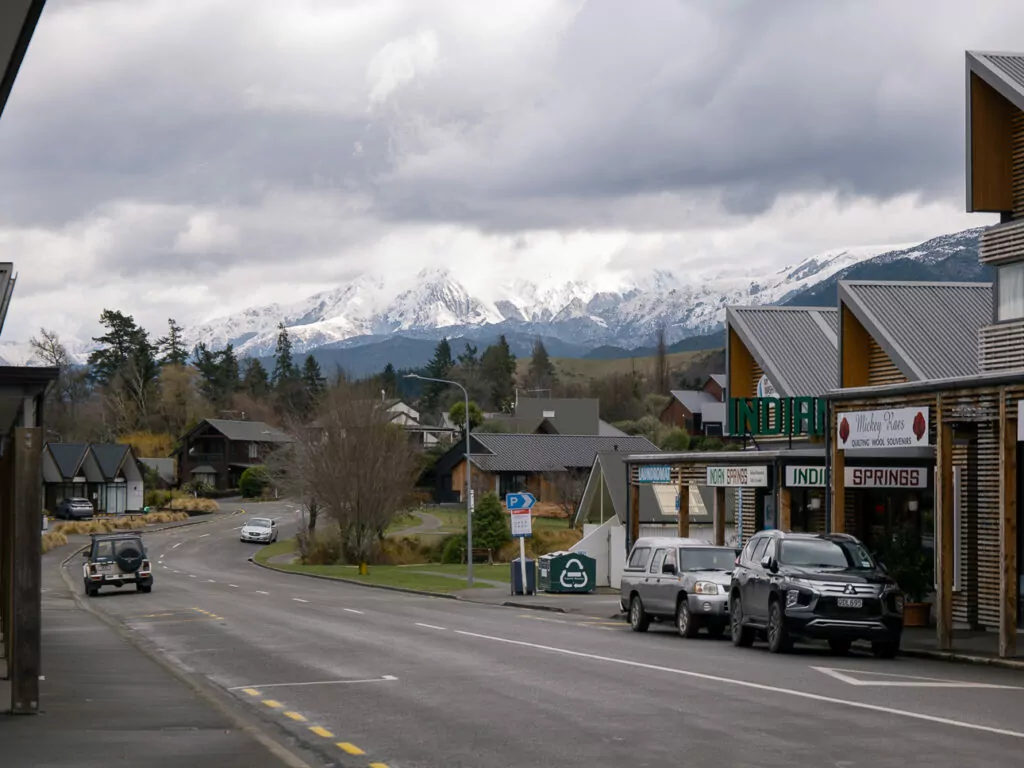
Where to stay in Hanmer Springs
- Campground: Hanmer Springs TOP 10
- Budget: Kakapo Lodge, TOP 10 has affordable rooms as well
- Mid-range: Settlers Boutique Motel
- Luxury: Amuri Estate, St James Premium Accommodation
- Unique: Hanmer Glamping (geodesic domes), Waiata Shepherds Hut (tiny home)
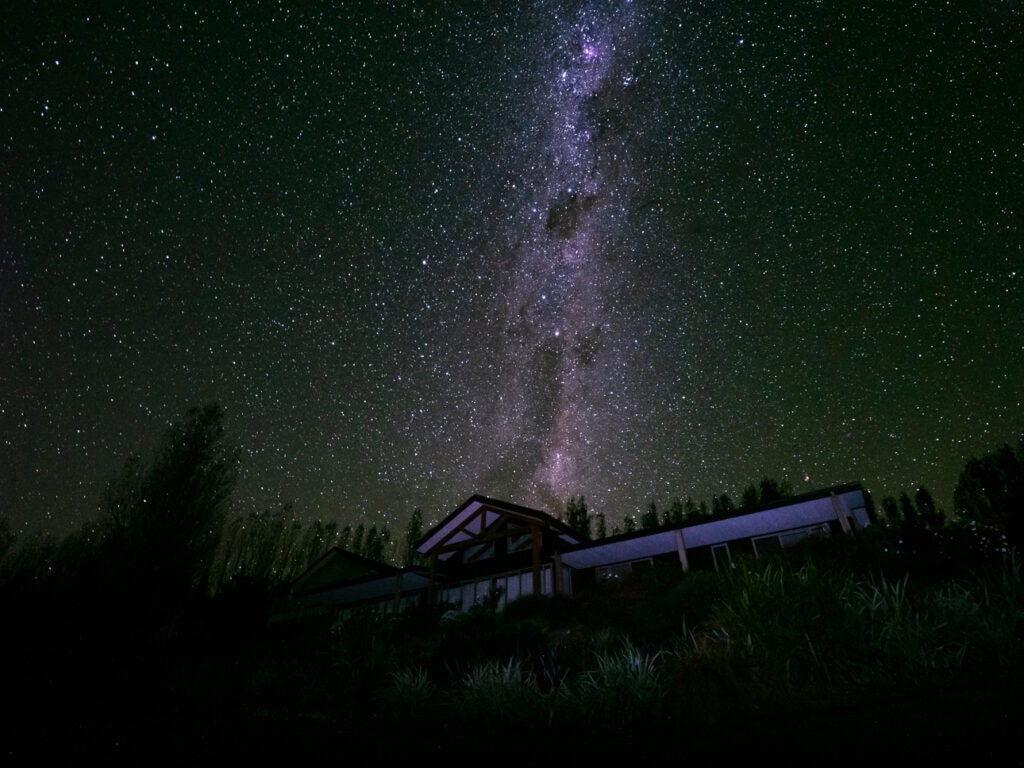
Quick Hanmer Springs tips from a Kiwi
- St James Cycle Trail is my favourite backcountry bike trail in NZ. Is it the only backcountry bike trail I’ve been on? Yes, but it truly is epic. You can rent bikes from Hanmer Adventure.
- Hanmer Springs is a local favourite weekend escape for Christchurch residents, especially over summer for hiking/biking and over winter for skiing, so visit mid-week to avoid the biggest crowds.
- Head to PJ’s Pies or Hanmer Sushi for a quick bites and No. 31 for a fancier sit-down dinner. Thank me later.
Add on Akaroa & Banks Peninsula
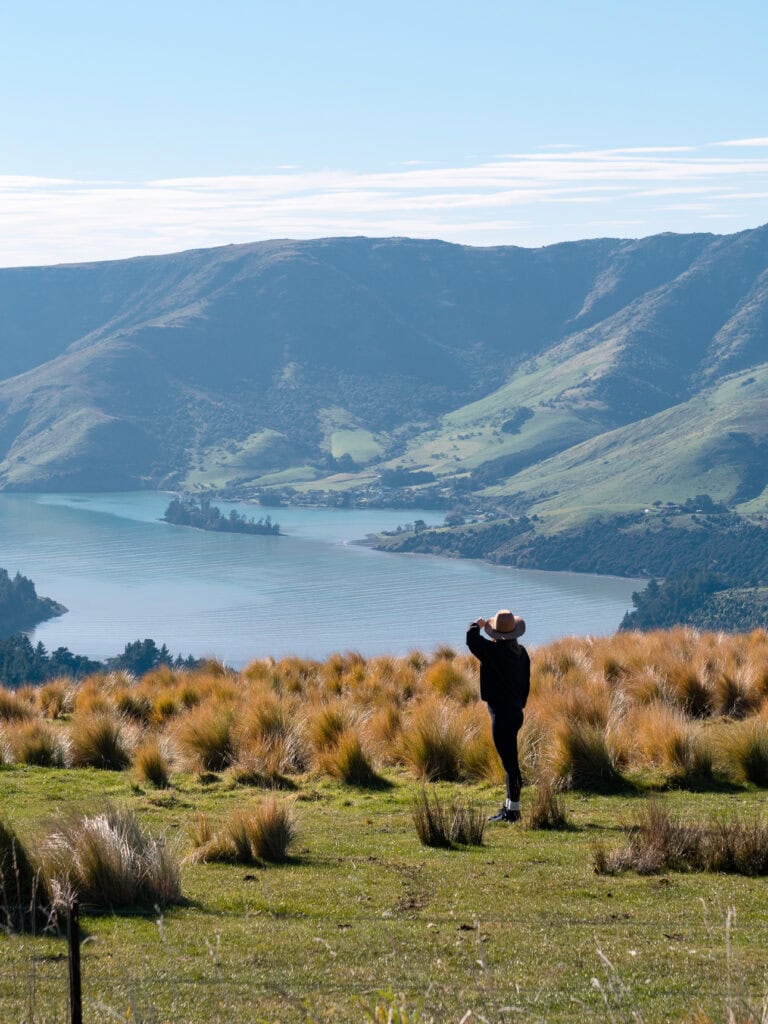
How to fit Akaroa & Banks Peninsula into your trip
Super simple, just a round trip from Christchurch or a detour on your way between Christchurch and Tekapo.
Why Akaroa is worth the detour
Akaroa’s an easy and popular day trip from Christchurch (1h 30m from the city centre) but an overnight stay on Banks Peninsula lets you experience it in a way most visitors don’t.
You can drive up to the Summit Road viewpoints for sunrise, enjoy a slow breakfast at a harbour café, then spend the day on one of the less-trafficked hiking trails around the peninsula’s volcanic landscapes.
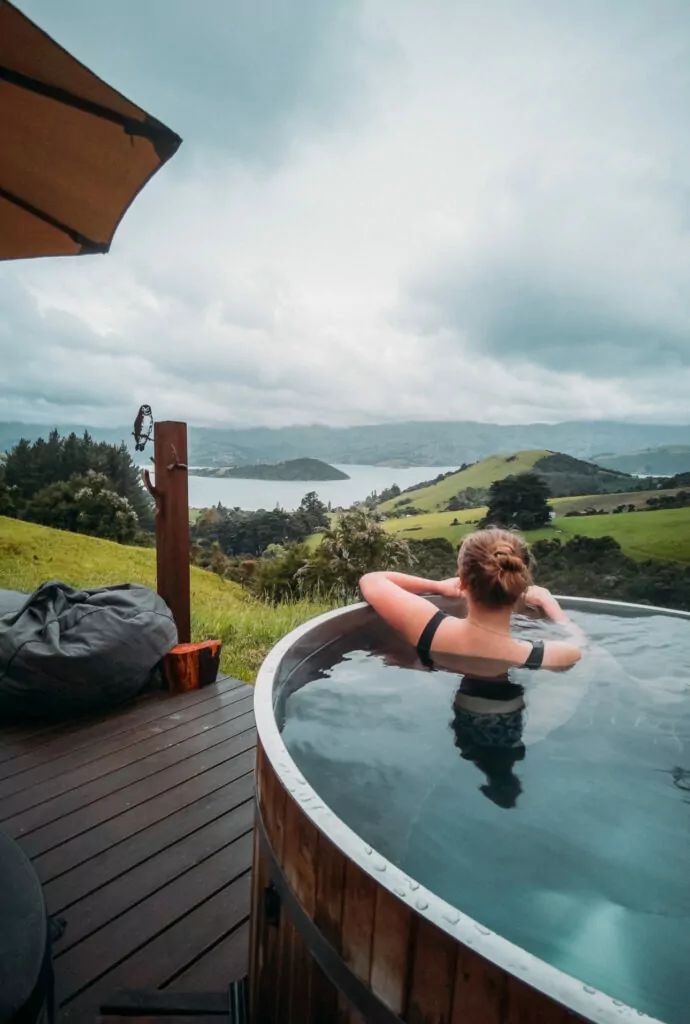
What to prioritise around Akaroa & Banks Peninsula
- Swimming with Hector’s dolphins. Akaroa Harbour is a sanctuary for the rare Hector’s dolphins, and you can actually get in the water with them on a (strictly regulated) guided tour.
- Scenic drives. Google Maps will tell you to take SH75 all the way to Akaroa which is admittedly impressive, but I’ve got a longer Banks Pensinula route with some epic stops along the way if you want to make a day of it:
- But first: Some of these roads are narrow with tight corners, farm vehicles and steep drop offs, only follow this if you’re a confident driver. I did it in a 6m campervan which I would absolutely not recommend, I’m a very confident driver used to New Zealand roads and big vehicles but there were a few moments too sketchy for my liking!
- From Christchurch put the Monument Track North into your Maps, this is a short walk if you’re up for an adventure but also the start of a stunning downhill drive towards the bright blue inlet of Port Levy. Map yourself to Port Levy Beach before the next stop.
- From here, map to Hay Scenic Reserve Reserve Walk for a little-known nature walk with loads of bird life
- Then to this viewpoint on the Summit Road, now you’ve connected with the famously precarious road that gives the best views of the pensinula!
- Exploring the French Connection. A slice of France on the opposite end of the world, the seaside village of Akaroa was founded (and almost colonised) by French explorers and still holds true to its roots with French street names, French-inspired cuisine and an annual French festival.
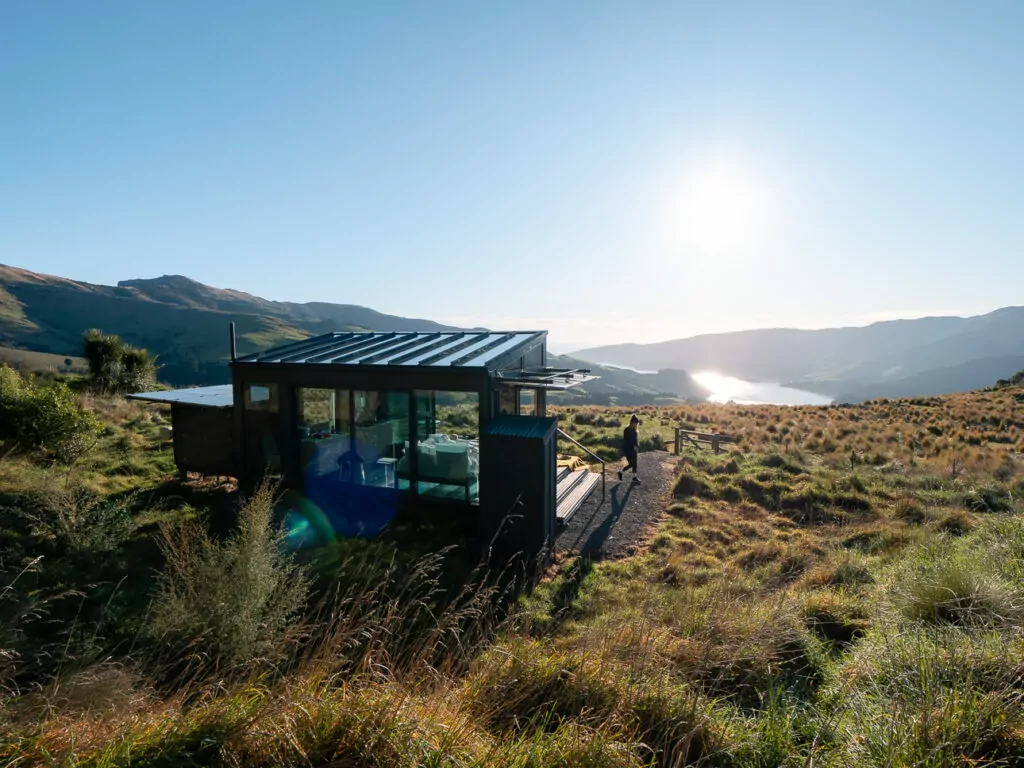
Where to stay in Akaroa & Banks Peninsula
- Campground: Duvauchelle Holiday Park or Akaroa TOP 10 Holiday Park
- Budget: Akaroa TOP 10, Halfmoon Cottage
- Mid-range: Akaroa Criterion Motel, French Bay House
- Luxury: Annandale Coastal Farm Escape
- Unique: Pōhue PurePod on the Port Levy side (adore this one!), Silo Stay, Te Wepu Glamping Pods
Quick Banks Peninsula tips from a Kiwi
- If you love cheese (me too 🙋🏼♀️) pop in to Barrys Bay Cheese, you can see into their factory from the cheese shop during their production season from September to May
Seasonal swaps
While the core loop itinerary can be done at any time of year, there are some seasonal differences that can impact your booking priorities and the day-by-day breakdown.
Here’s how to adjust your planning for the two main seasons.
🌞 Road-tripping in peak summer (Dec-Feb)
- Book your transport first: Campervan and car rental prices skyrocket for summer and fleets can sell out months in advance. Lock in your vehicle before making any other plans or you might find yourself with non-refundable bookings and no way to get there.
- Secure non-negotiables early: Once your trusty chariot’s confirmed, go through your rough itinerary and note down the must-see places and must-do activities. Check availability along your planned route, move things around if you have to, and get those bookings locked in before filling in the gaps.
- And still book everything else in advance: A South Island summer is not the time to wing it. Major activities like Fiordland cruises, Lord of the Rings tours, heli-hikes, whale watching and coastal accommodation often sell out weeks ahead.
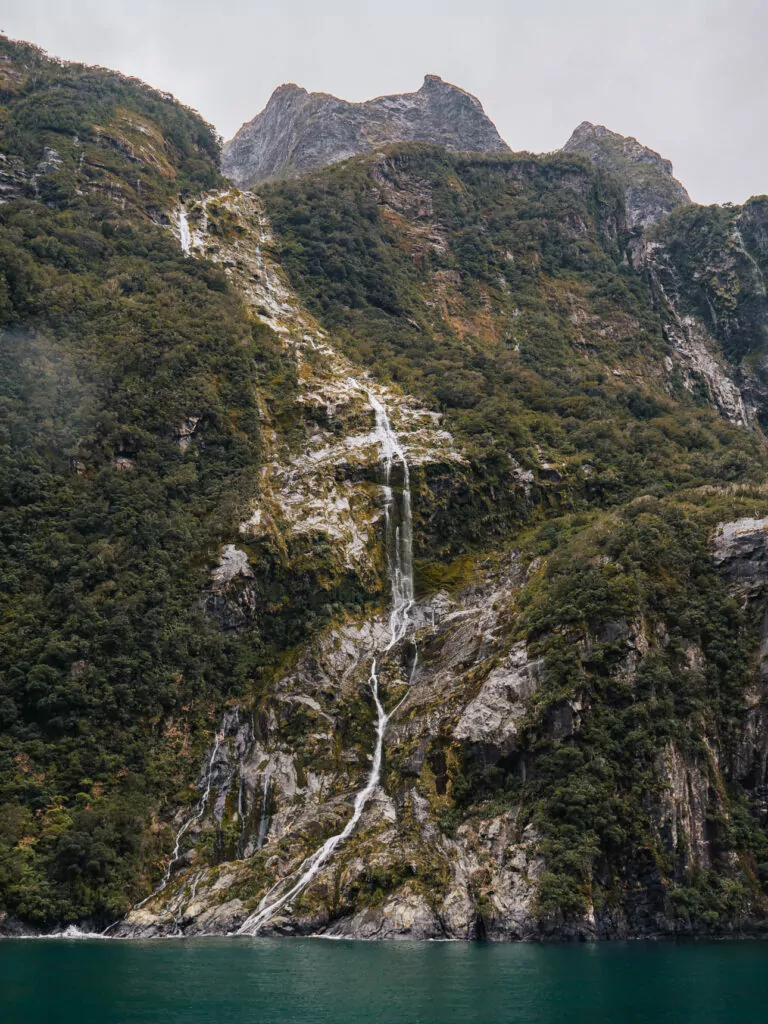
- Plan for Great Walks & backcountry huts: Popular tracks and DOC huts can sell out months in advance, with the Milford and Kepler Tracks often being fully booked within hours of going live. Bookings typically open late May for the following summer, find the full info here and set a calendar alert so you don’t miss out.
- Catch the lupins: The Mackenzie Basin lights up with pink and purple lupins in early summer, usually peaking in the first half of December.
- Managing the heat: Central Otago and other inland spots can get uncomfortably hot in the summer months (frequent highs of 30°C+), if you prefer cooler temps then spend more time along the coast or near lakes for easy access to cold plunges.
❄️ Road tripping in winter (Jun-Aug)
- Account for limited daylight: Winter days are short, giving you between 8-10 hours of proper daylight for sightseeing. Give yourself at least two nights in the super scenic spots so you’ve got a full day to actually enjoy the views.
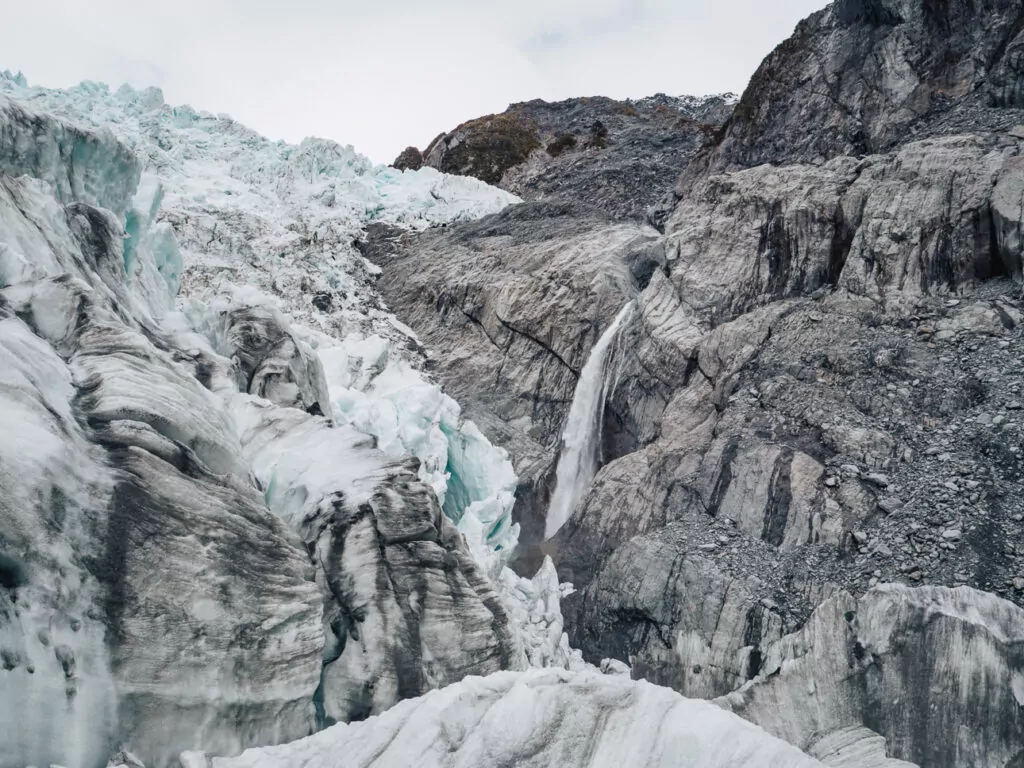
- Avoid early starts: Black ice is a serious hazard on South Island roads in winter, it can occur anywhere that drops to sub-zero temps (which is a lot of places haha) and it’s almost impossible to see until it’s too late. Plan to start any drives after 10am once the sun’s had the chance to melt frozen patches, and aim to be off the road by 5pm. Extra important for high-sided campervans which are way harder to control if you lose traction around a corner.
- Ski season: While most of the island is in low season during the colder months, ski hubs like Queenstown and Wānaka are packed with snow-seekers, so book ahead or prioritise other spots to avoid the après-ski crowds.
- Build in a weather buffer: Heavy snow can close alpine passes with very little notice, ensure your itinerary has a bit of flexibility so a road closure doesn’t derail your entire trip. Same goes for weather-dependent bucket list stuff like scenic flights or heli-hikes, always book these for your first day in a destination with one or two spare days afterwards in case your activity gets postponed.
- Confirm availability in low season destinations: Summer-focused or remote regions like the Marlborough Sounds and the West Coast can quieten down significantly in the cooler months. Check activity schedules and restaurant opening hours before you plan out your day because some businesses are seasonal.
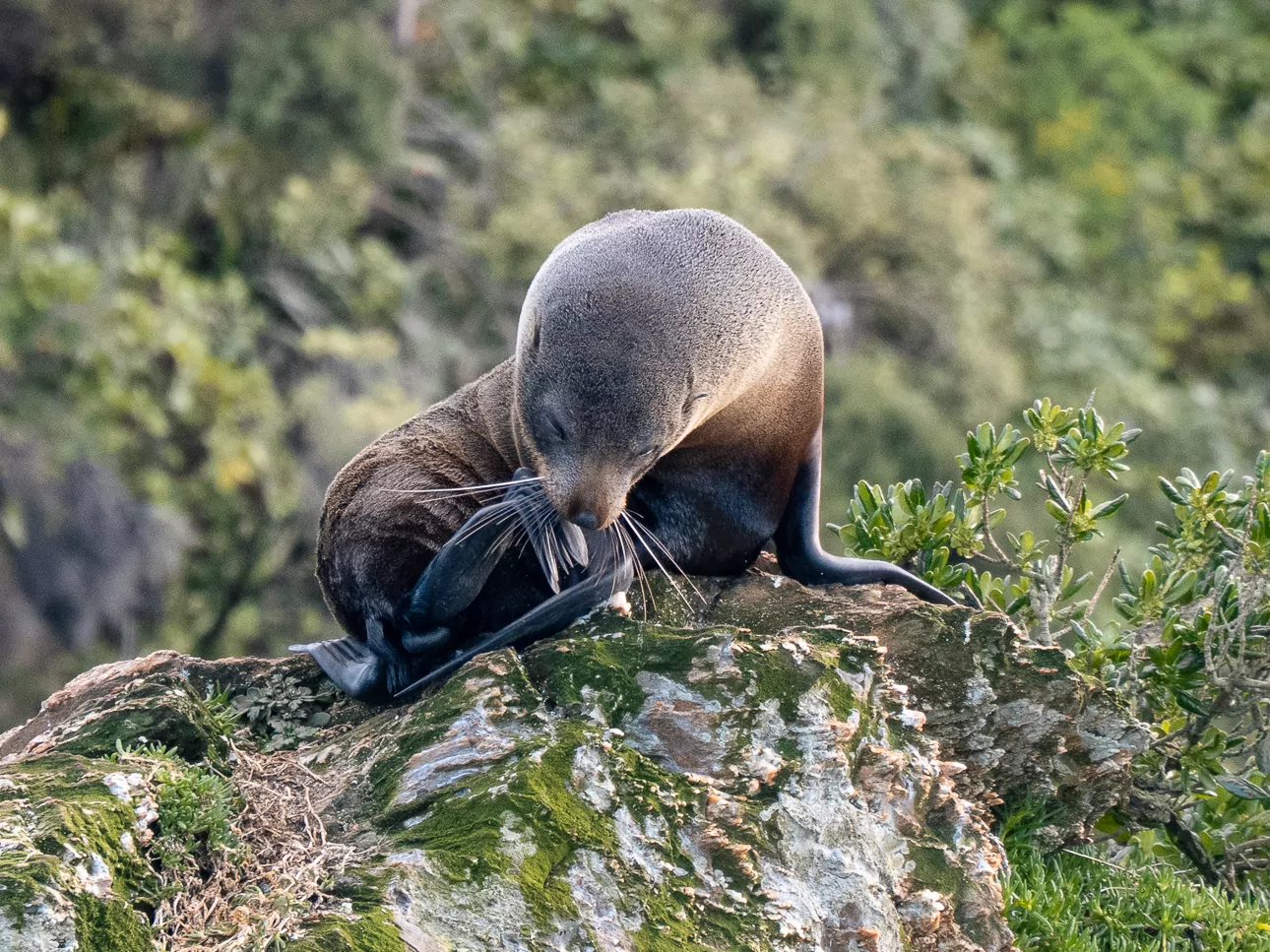
- Prioritise cosy experiences: This is the best time of the year to hit the hot pool circuit, enjoy long winery lunches by the fire and treat yourself to unique stays in (heated) glamping spots.
- Plan stargazing around the moon: Long nights and crisp, clear air make for brilliant stargazing conditions, especially in the Aoraki Mackenzie International Dark Sky Reserve, but a full moon can hamper your astral aspirations. Check the lunar cycle before you plan the direction of your loop and try to time your Mackenzie Basin visit as close to the new moon as possible for the darkest skies. If the dates don’t line up for that region, Stewart Island / Rakiura and Kaikōura are both Dark Sky Sanctuaries with stargazing experiences and protected skies.
South Island road trip timeframes & pacing options
This full South Island loop is a massive undertaking. To make it around the entire island without driving burnout or travel fatigue, you need to be strategic about how you allocate your days.
I don’t want to be dramatic but choosing your pace is probably the single most important part of your road trip planning process. It’s a personal decision that depends entirely on your priorities, budget and timeframe, I can’t tell you the perfect number of days to spend in each place, but here are my suggestions for 4, 6 and 8-week trips to keep things manageable.
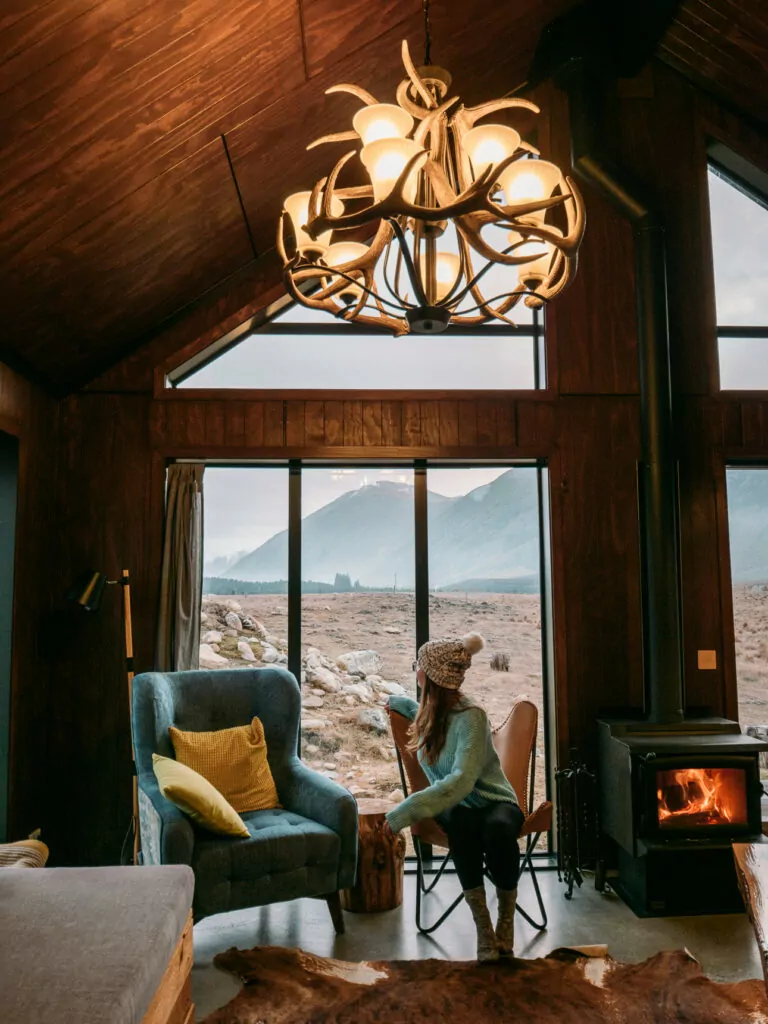
What to consider before picking your pace
- Staying overnight in “day trip” destinations: Places like Milford Sound, Aoraki / Mount Cook and Tekapo are popular day trip locations that are packed with tour buses between 10am and 5pm, overnight stays let you experience them at their quietest.
- Balancing the icons with regional gems: With two weeks in the South Island I can understand sticking to the major highlights, but with a month or more you’ve got enough time to split your trip between the deservedly-popular tourist hubs and much-needed circuit breakers in calmer, less-visited regions.
- Sticking to a 2-3 night rule: Moving accommodation or packing up a campervan every single day for a month is exhausting (been there, done that, 0/10 would not recommend). Try to stick to a minimum of two nights anywhere you’re doing organised activities or hikes so you’ve got buffer time for weather disruptions, and choose a 3-4 night hub every two weeks or so to give yourself time for laundry, sleep ins and a bit of downtime.
- The reality of suggested drive times: Google Maps drive times in the South Island are accurate for local drivers who know the roads and are literally just trying to get from A to B, but for non-Kiwis in rental vehicles who aren’t used to the harsh environment and don’t realise they’ll want to stop for photos around every second bend, those estimates are unreliable. Add a 25% buffer to all drives if you’re confident behind the wheel, add 50% if it’s your first time driving on the left side of the road or in a camper.
- Prioritising doing, not just driving: You don’t want to spend thousands of dollars coming all the way here just to see the South Island through a car window, so be sure to lock in actual experiences along your trip rather than just seeing the sights.
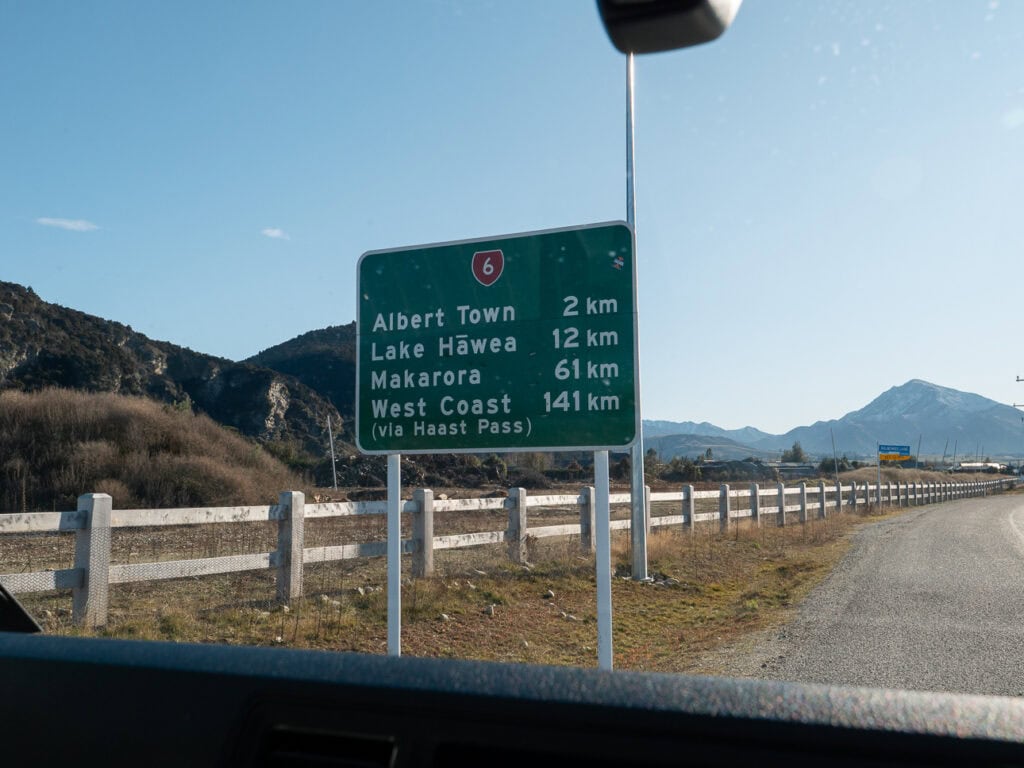
Fast-paced: Full South Island loop road trip in 4 weeks
This four week South Island road trip completes the full loop and covers the major highlights at a steady pace. There’s not a huge amount of downtime, but most travel days are just 1.5h-2.5h on the road, with only two or three drives past the 4h mark.
⭐ Best for: High-energy first-time visitors, late September to early April (later sunsets due to daylight saving time), and travellers comfortable with moving accommodation/campground every couple of nights.
- Christchurch: 2 nights
- Tekapo: 2 nights
- Aoraki / Mount Cook: 1 night
- Ōamaru & Waitaki Valley: 1 night
- Dunedin & the Otago Peninsula: 2 nights
- The Catlins: 2 nights
- Fiordland: 2 nights (choose/split between Te Anau, Milford or Doubtful Sound)
- Queenstown: 3 nights
- Wānaka: 2 nights
- Glacier Country: 2 nights
- Hokitika or Punakaiki: 1 night
- Abel Tasman National Park: 2 nights (short detour via Punakaiki)
- Blenheim & the Marlborough Sounds: 2 nights
- Kaikōura: 2 nights
- Waipara Valley: Lunch stop
- Christchurch: 1 night
- Total: 27 nights (leaves 1 buffer day)
- Doesn’t include: Golden Bay, Nelson Lakes, Stewart Island, Hanmer Springs, Arthur’s Pass & Lewis Pass
- Longest drive day: Hokitika to Abel Tasman, approx 4h 30m
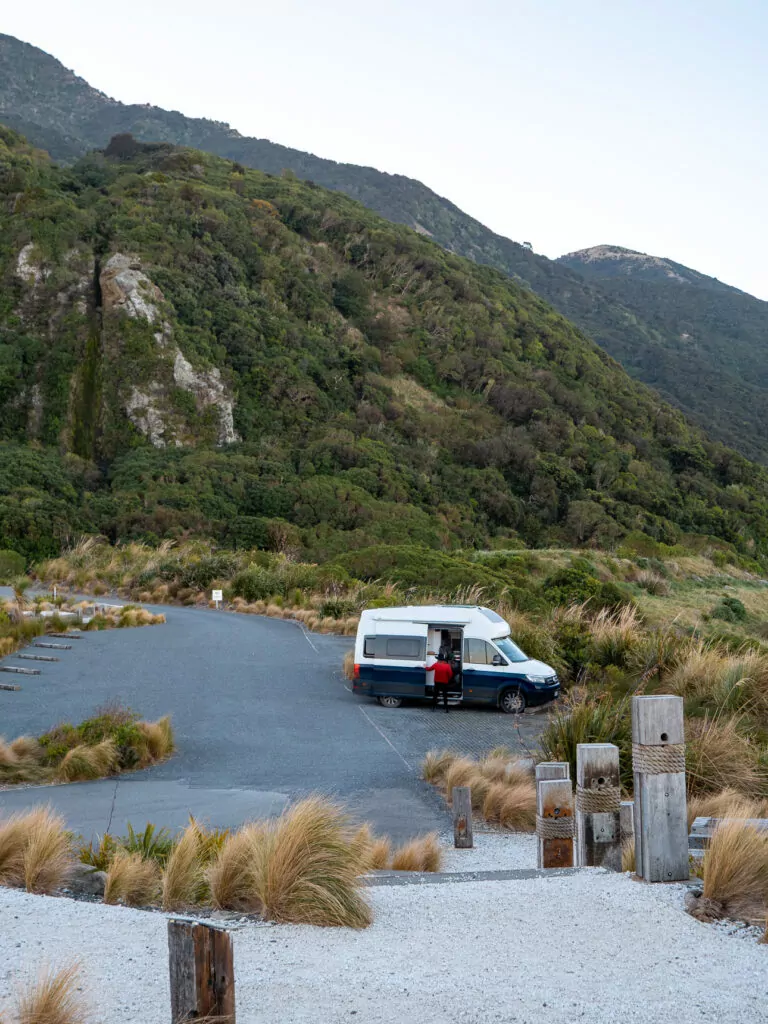
Ideal pace: Full South Island loop road trip in 6 weeks
This six week itinerary is the sweet spot for a South Island road trip. You’ll have time to slow down in regions that often get skipped, fit in Stewart Island, and have wiggle room for weather-dependent activities.
The drive-to-exploring ratio is very manageable, around 2-3 hours every 2-3 days, with a few longer hub stays and three buffer days that can be strategically added for Great Walks, wine regions or recharging your batteries.
⭐ Best for: Outdoor adventurers who need weather windows, photography enthusiasts and anyone who wants to see the icons without the stress.
- Christchurch: 2 nights
- Tekapo: 2 nights
- Aoraki / Mount Cook: 2 nights
- Ōamaru & Waitaki Valley: 1 night
- Dunedin & the Otago Peninsula: 2 nights
- The Catlins: 2 nights
- Stewart Island: 2 nights
- Fiordland: 3 nights (split between Te Anau, Milford or Doubtful Sound)
- Queenstown: 4 nights
- Wānaka: 2 nights
- Glacier Country: 3 nights
- Hokitika: 1 night
- Punakaiki & upper West Coast: 1 night
- Abel Tasman National Park & Golden Bay: 4 nights
- Marlborough Sounds: 2 nights
- Blenheim & Marlborough wine region: 2 nights
- Kaikōura: 2 nights
- Waipara Valley & Hurunui: 1 night
- Christchurch: 1 night
- Total: 39 nights (leaves 3 buffer days, I’d recommend adding one to Dunedin or the Catlins to have a rest after a busy start)
- Doesn’t include: Nelson Lakes, Hanmer Springs, Arthur’s Pass & Lewis Pass
- Longest drive day: Wānaka to Glacier Country via Haast Pass, approx 4h
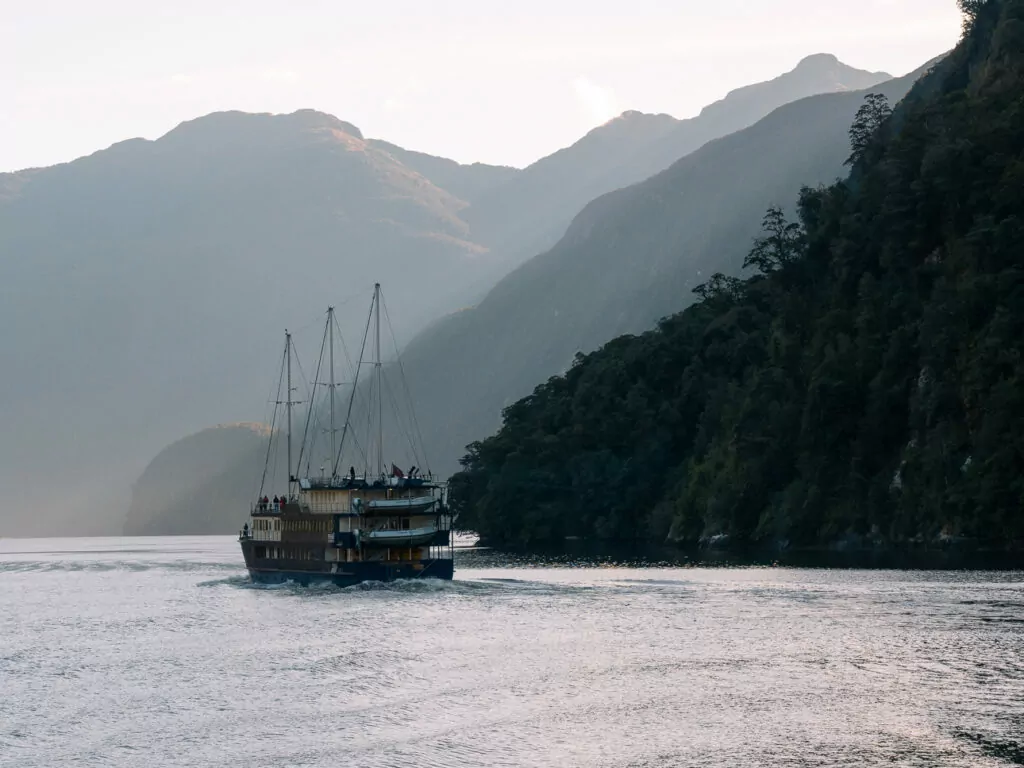
Relaxed pace: Full South Island loop road trip in 8 weeks
The ultimate South Island slow travel experience!
This timeframe allows you to hit every single spot on the list, including the extra alpine loop across Arthur’s Pass and back over Lewis Pass via Hanmer Springs, with four buffer days to add wherever you want to linger longer.
⭐ Best for: Van lifers, digital nomads, retirees, backcountry hikers, winter travel, or anyone else lucky enough to have two months off to truly disconnect.
- Christchurch: 2 nights
- Tekapo: 3 nights
- Aoraki / Mount Cook: 2 nights
- Ōamaru & Waitaki Valley: 2 nights
- Dunedin & the Otago Peninsula: 3 nights
- The Catlins: 3 nights
- Stewart Island: 3 nights
- Fiordland: 4 nights (time for Milford + Doubtful Sound + time in Te Anau)
- Queenstown: 4 nights
- Wānaka: 3 nights
- Glacier Country: 3 nights
- Hokitika: 2 nights
- Time for the additional alpine loop! This looks messy but it’s the best way to add in the mountain passes without too much backtracking, the only double up is a single 12km stretch of road.
- Drive Arthur’s Pass from Hokitika to Waipara Valley
- Waipara Valley: 1 night
- Hanmer Springs: 2 nights
- Punakaiki & upper West Coast: 1 night (drive via Lewis Pass back to the West Coast)
- Abel Tasman National Park & Golden Bay: 5 nights
- Marlborough Sounds: 3 nights
- Blenheim & Marlborough wine region: 2 nights
- Kaikōura: 3 nights
- Christchurch: 1 night
- Total: 52 nights (leaves 4 buffer days)
- Doesn’t include: An overnight in Nelson Lakes or Akaroa/Banks Peninsula but you could use buffer days
- Longest drive day: Wānaka to Glacier Country via Haast Pass, approx 4h
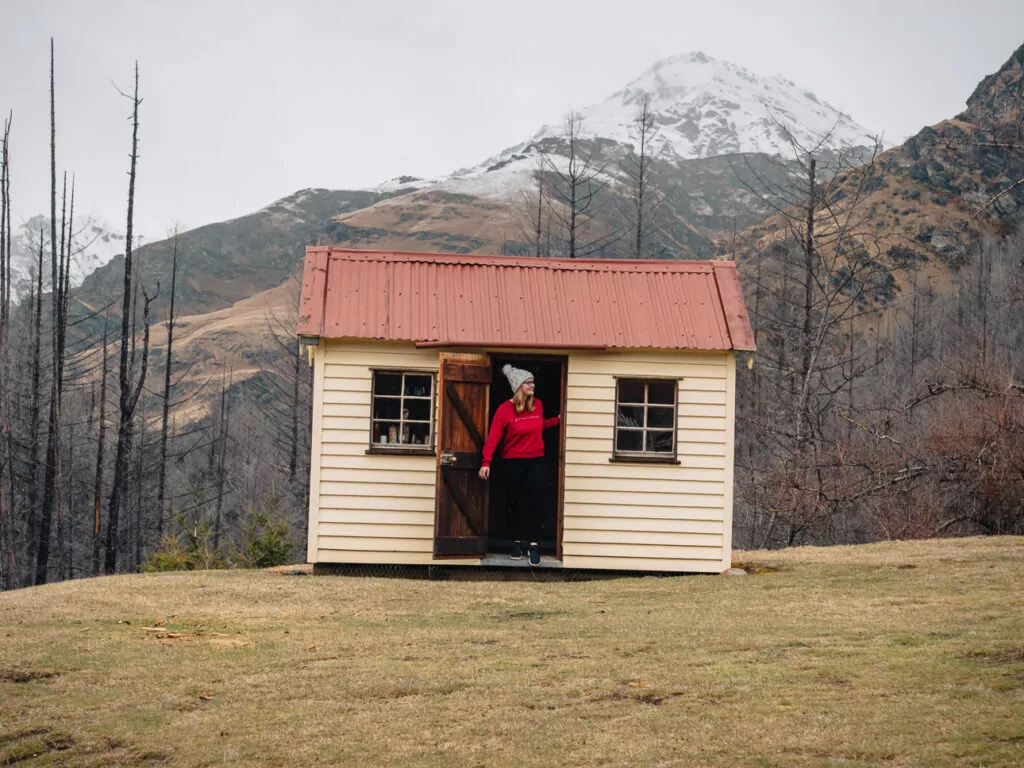
Practical planning for a South Island road trip
Okay so we’ve covered where to go, how long to stay and what to do, now there are some final practicalities you’ll want to consider before you hit the road.
I’ve kept these brief because I go wayyy more in-depth in my full South Island travel guide, so head over there for all the nitty-gritty details, but this’ll give you a solid starting point.
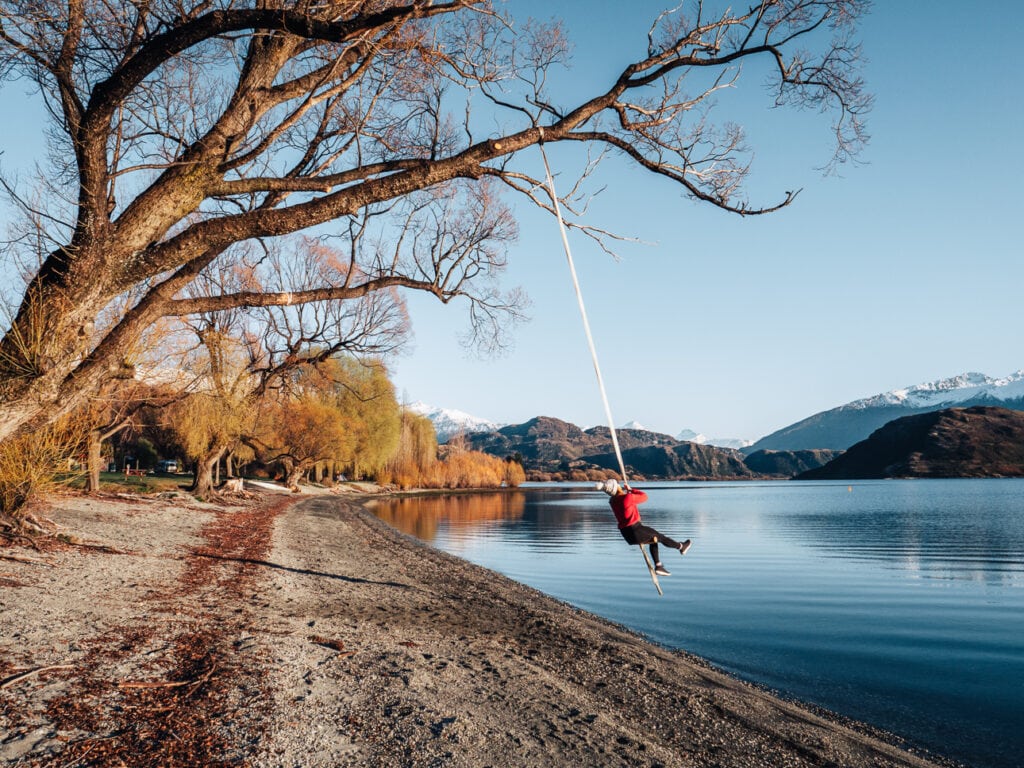
How much to budget for a South Island road trip
Budget varies wildly depending on your travel style, chosen season and how many big ticket activities you want to do, but here are some rough daily ranges to work with (per person per day in NZD based on two people travelling in shoulder season):
- Budget travellers (hostels or campgrounds, cooking your own meals, basic campervan or rental car, free hikes and cheap activities): $100-150/day
- In-between travellers (comfortable motels or apartments, mid-range vehicle booked well in advance, combo of self-catering + dining out, a mix of free and paid activities, the odd splurge on a special stay or bucket list experience): $200-300/day
- Treat yourself travellers (boutique stays and luxury hotels, modern rental car or fancy motorhome, restaurant and café meals, saying yes to all the fun stuff): $500+/day
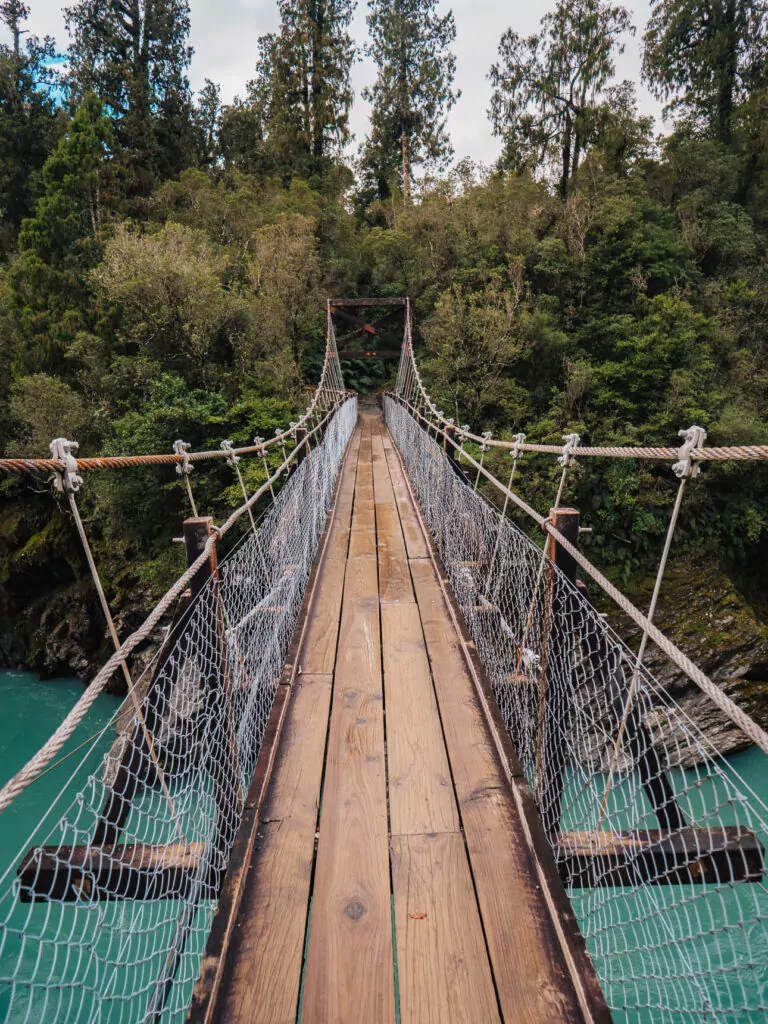
These are averages across a full trip covering accommodation, transport, fuel, food and typical activities.
If you’re solo (with no one to share transport/accomm costs with), have kids with you (who rudely don’t contribute to the budget), plan on doing something super pricey like a glacier ice climb or luxury lodge stay, or you’re booking last minute, you’ll need to account for these separately.
For a more detailed breakdown of typical South Island costs as well as some easy ways to save $$$, check out my South Island travel guide.

Driving tips for the South Island
If you’ve never driven in New Zealand before, here’s what you need to know:
- We drive on the left. Be extra alert at intersections and make sure you don’t cross the centre line when taking sharp corners, these are where most tourists slip up.
- There are one-lane bridges along this route. A few are managed with traffic lights but many aren’t, so you need to pay close attention to signage to know whether you have right of way or are required stop for cars coming the other way.
- Let people pass you if you’re slow. Driving slower than the speed limit is totally fine in New Zealand as long as you keep left and pull over as soon as it’s safe to let other vehicles pass.
- Check for road closures before a big drive day. If you’re planning a long trip between regions you should check the NZTA Journey Planner for current road closures or delays, especially in winter when ice and snow can cause temporary closures of the alpine passes.
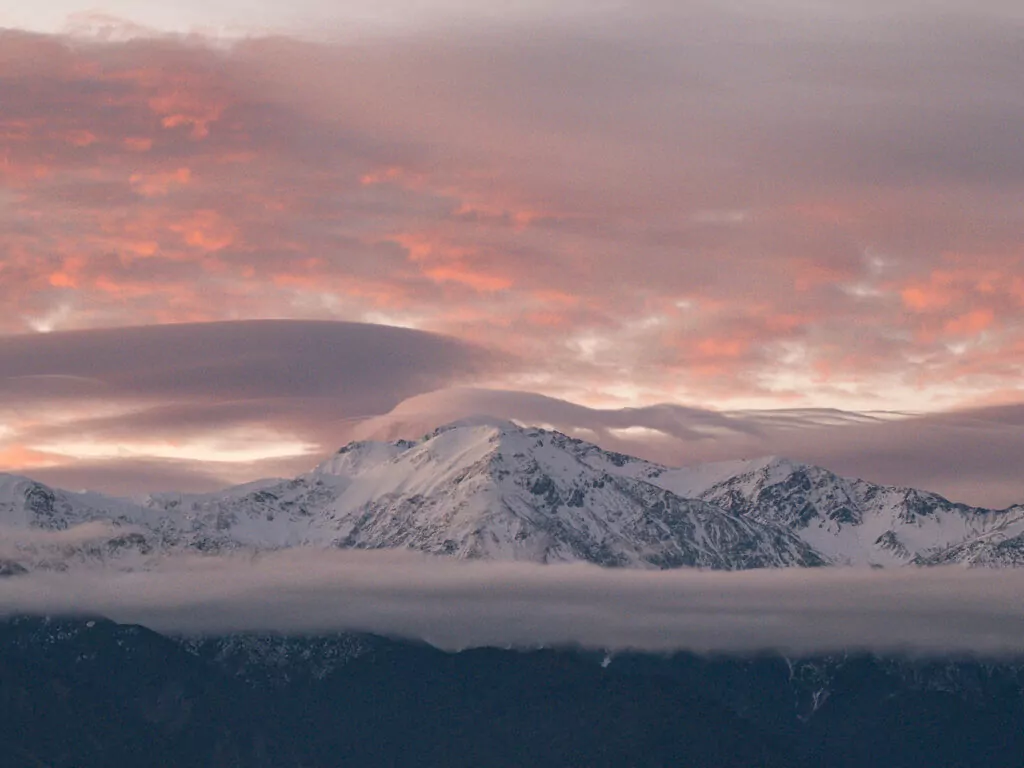
What to pack for a South Island road trip
The South Island’s weather is unpredictable all year, so you kind of need to be prepared for all eventualities at all times. Even in the middle of summer it could be toasty warm up in Abel Tasman but single digits during the day in Queenstown!
Year-round essentials:
- Layers, layers, layers. Opt for lightweight, breathable materials that are easy to wash and quick to dry.
- A decent rain coat, the rain here is no joke
- A warm puffer jacket that’s light enough to always keep with you in a day bag in case of a rapid temperature drop
- Comfortable walking shoes with grip
- Toiletries that you can’t live without, NZ doesn’t always stock international brands and many South Island destinations only carry limited stock anyway
- Swimwear for beaches in summer and hot pools in winter
- SPF 30+ sunscreen (I use SPF 50 on my face), a sun hat and insect repellent (though you’ll probably find better stuff here to be honest)
- A reusable water bottle, tap water is completely fine to drink in cities, towns and most tourist areas in the South Island. Severe weather events can sometimes impact local water supplies but if this is the case your accommodation will let you know.
Winter extras:
- A beanie, scarf and gloves
- Thermal base layers
If you forget something you’ll find the best range of well-stocked shops in Christchurch, Dunedin, Queenstown and Nelson.
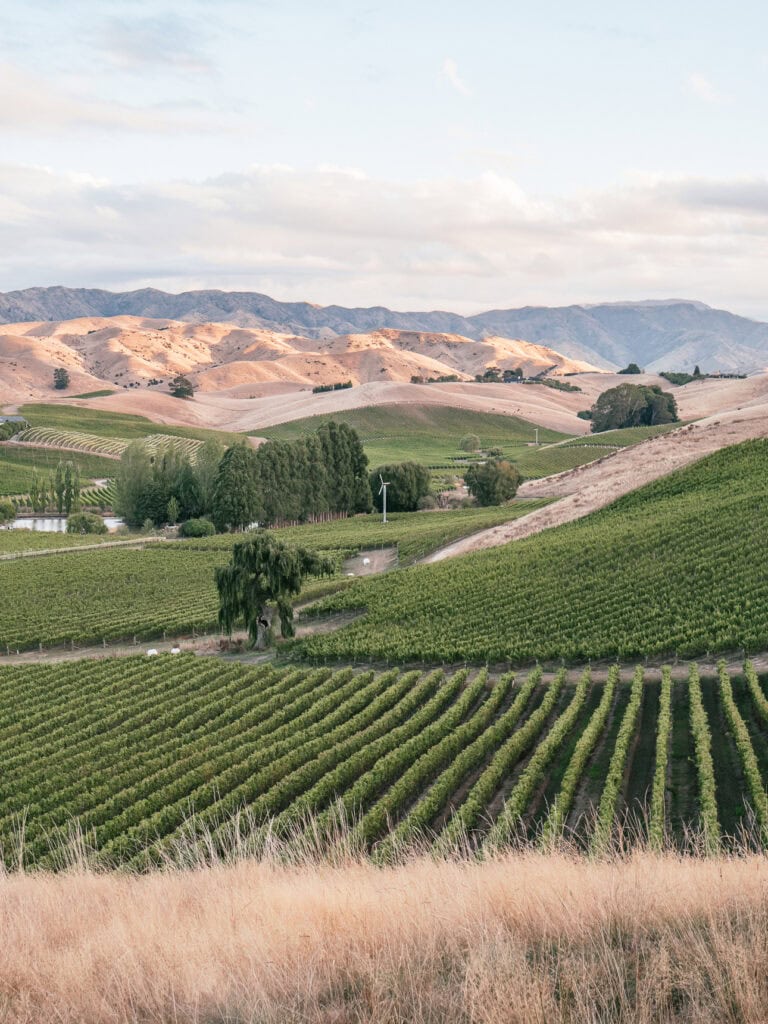
Staying safe & connected
The South Island is widely regarded as being a very safe destination in terms of crime, the biggest risks to any travellers are the environment and their own bad decisions 🙃
Safety basics:
- Weather events: Rain and wind can roll in without warning and cause havoc for any outdoor adventures or long drives. Check MetService for the most accurate forecast and trail conditions on the DOC website before heading out on any walks, pack a warm layer even if the skies are blue when you set off, and take any weather warnings seriously, especially if you’re in a high-sided campervan a.k.a. a land yacht 🌬️
- Water safety: The South Island’s beaches and rivers are beautiful but can be dangerous, with icy temps and strong currents below the surface. Don’t swim unless you’re certain it’s safe.
- Wildlife: There are no snakes in New Zealand and wild-animal-related injuries are exceedingly rare, but keep your distance from all wild animals (especially seals and sea lions) for your safety and theirs.
- Patchy coverage: Phone signal can vary across the island, with significant dead zones in Fiordland, the Catlins and along the West Coast. Download offline maps and screenshot any important info like accommodation contact details and DOC track details before you leave WiFi.
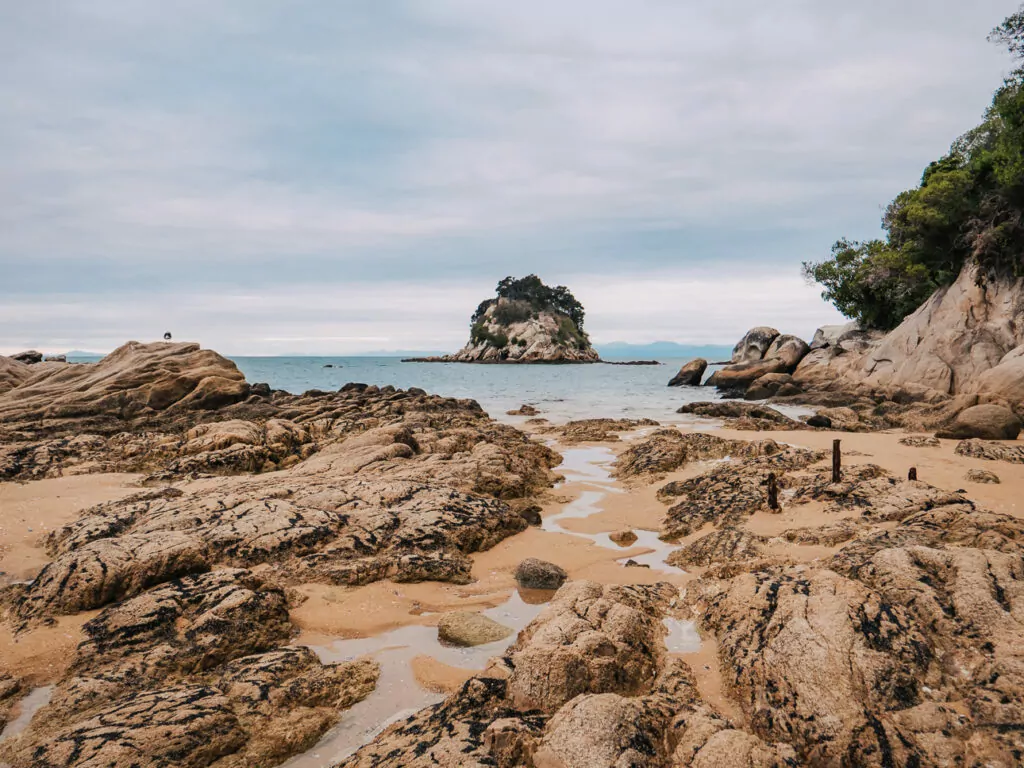
- Crime: Crime against tourists is very rare in the South Island and Kiwis are generally very friendly and willing to help if you’re in a bind. That said, opportunistic rental car/campervan break-ins are infrequent but a known issue, particularly at remote trailheads or lookouts if there are valuables visible inside. Take typical precautions like hiding expensive things, locking your doors and always get comprehensive travel insurance that covers theft or damage.
- In an emergency: Dial 111 for police, fire or ambulance.
Useful apps and websites
- DOC for official track info and hut/campsite bookings
- Rankers and CamperMate for campground reviews, freedom camping spots, dump stations and more vanlife stuff
- MetService and the Windy app for the most accurate weather forecasts (though take any forecast with a grain of salt)
- Bookme for last minute activity deals
- Gaspy for current fuel prices all around the island
- Grocer to compare food prices at supermarkets
- MobiMatter for the best value NZ eSIMs
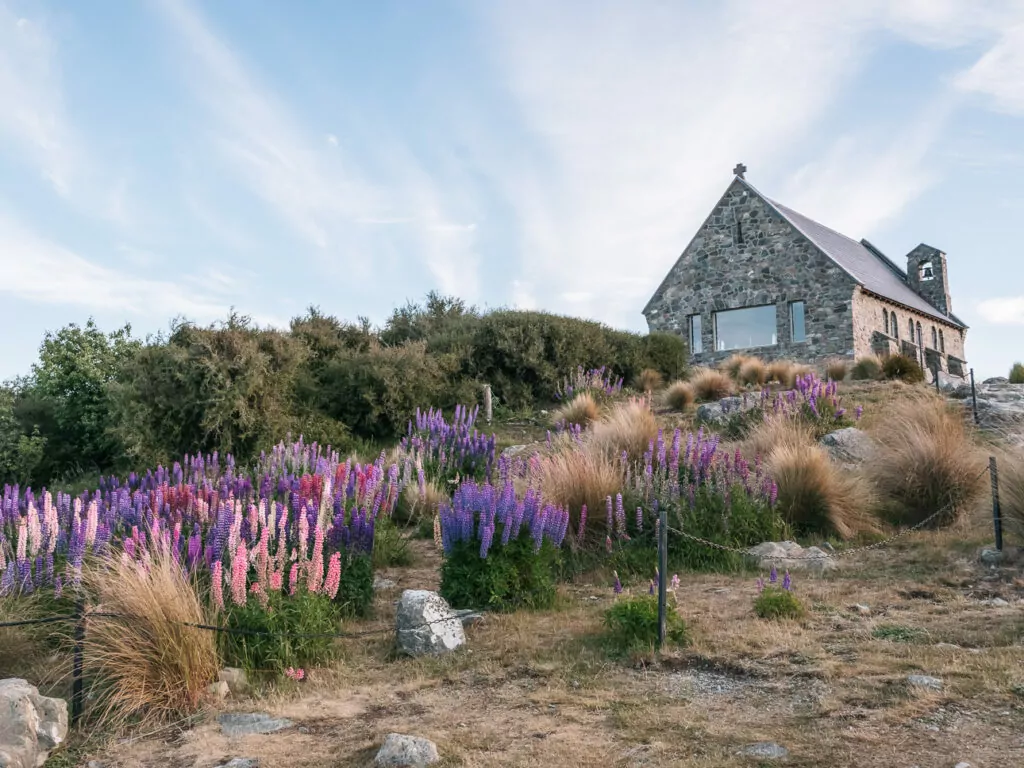
South Island road trip FAQs
Is one month enough for the South Island?
Yes, one month is enough to complete a full loop of the South Island if you follow this road trip route. Four weeks lets you cover the loop at a fast pace, six weeks is the sweet spot if you want more breathing room, eight weeks lets you truly slow down.
Is it better to start a South Island road trip in Christchurch or Queenstown?
Christchurch is better for most travellers. It has more international connections, bigger rental fleets and (typically) cheaper vehicle rates than Queenstown. Queenstown has better views from the plane and more things to do that don’t require your own vehicle though, which can save you a few days of rental if it’s the start/end of your trip, but higher rental costs can cancel that out.
Do I need an international driving permit for New Zealand?
You don’t need an IDP in New Zealand if your current driver’s licence is in English. If your home licence isn’t in English, you’ll need an accurate English translation or an IDP, alongside your current home licence.
Do I need a 4WD for the South Island?
A standard 2WD is totally fine for the main tourist route in the South Island, but a 4WD or AWD will provide extra comfort and safety on winding roads and in winter.
Is it safe to drive in the South Island in winter?
Yes, but you need to be prepared and take extra caution. Roads can be icy in the mornings and after dark, and you’ll need to carry snow chains for alpine passes (they’re mandatory in cold temps, even for 4WDs).
Do I need snow chains in the South Island?
If you’re travelling on alpine passes like Haast Pass, Lindis Pass, Arthur’s Pass, Lewis Pass, the Milford Sound Highway or the Crown Range (Queenstown to Wānaka) you definitely need to carry snow chains from June to September, and they might be required outside of these months if there’s an unseasonal snow dump.
Do I need a 4WD for the South Island in winter?
A 4WD isn’t a legal requirement for winter driving in the South Island, but it’s a safer and more comfortable option for sure. 4WDs and AWDs see high demand in winter though and can get booked up, especially in Queenstown, so lock yours in early.
Are the roads in the South Island sealed?
All roads on this South Island road trip are sealed but some off-grid accommodation or side quests (like the road from Glenorchy to Paradise and the road to Ōmārama Clay Cliffs) might have unsealed gravel roads. Many rental operators have a blanket ‘no unsealed roads’ rule in their T&Cs, so check this before you venture beyond the paved network.
Is petrol expensive in the South Island?
It varies hugely across the island, but as of 2026 fuel in NZ is more expensive than North America and Australia, and cheaper than Europe and the UK. The West Coast is particularly expensive for fuel so top up in Wānaka before you hit the Haast Pass to avoid needing a full tank at the highest prices.
Is it hard to drive a campervan in the South Island?
It can be if you’re not used to it. Many main roads are narrow with lots of sharp corners, high-sided vans catch the wind, and navigating crowded carparks or busy town streets can be stressful. Take it easy, give yourself extra time to avoid rushing, and drive defensively.
Should I drive the South Island clockwise or anti-clockwise?
Either works! Choose your direction based on weather, crowds or the lunar cycle if you want to be in designated Dark Sky areas for peak stargazing around the new moon.
Final thoughts & next steps for your South Island road trip
We just covered more than 3000kms, 25+ destinations and hundreds of bucket list experiences, with countless mind-blowing photo spots along the way 🤯
If you’ve made it this far, you’re either seriously committed to planning the ultimate South Island road trip orrrr you’re procrastinating something super important but super boring. Maybe even both 🙃
I know this was a lot of information to digest, so if your brain feels like mush then take a screen break and put your planning on the backburner for a bit, but bookmark this itinerary for easy access when you’re ready to finalise your route and lock in your bookings.
And if travel planning puts you into a state of flow (me too) and you want to keep up the momentum, I’ve got more for you:
- Need to sort the nitty-gritty? Head over to my comprehensive South Island travel guide for the practical logistics I didn’t cover here, like how to balance your budget, pick a season and travel responsibly.
- Want more destination inspo before you lock in your stops? Check out my full guide on the 30 best places to visit in the South Island for visual inspiration to make sure you don’t miss out on somewhere you might fall in love with.
- Only got two weeks? No stress! This full loop isn’t right for you but you can check out my Top of the South Island road trip itinerary, link my Queenstown to Christchurch road trip with my West Coast road trip, or see my other South Island itineraries for shorter stays.
MY GO-TO TRAVEL PLANNING RESOURCES
Flights ✈️ I use Skyscanner to find the best flights for my trip and then I’ll always book direct with the airline to protect myself from having to deal with dodgy third parties if anything goes wrong.
Trains 🚂 If I’m travelling through Europe, I try to travel by train wherever possible! For an extended trip (2+ weeks) I’ll calculate if a Eurail Pass is worth it, or I’ll book point-to-point tickets through RailEurope or the local train operator.
Accommodation 🛎️ I book almost all of my accommodation through booking.com, they have a user-friendly website + app and many of their options are free cancellation, easily cancelled with a simple click of a button.
Activities 🗽I use GetYourGuide, Klook and Viator to look for activities in the places I visit, or I just Google ‘things to do in [city]’! P.S. If you book anything on Klook you can use the promocode FINDINGALEXXKLOOK to get 10% off
Travel cards 💳 I’m a Wise gal through and through, they’ve been my chosen travel card for more than five years now. You can easily top up your card from your bank account or through Apple Pay, convert your money to local currency, and spend money with minimal fees and the best exchange rates around.
Travel insurance 🩺 I use Cover-More NZ travel insurance for my own trips, I have a comprehensive policy and I’ve only had good experiences with them. Cover-More also has an Australian company, but if you’re from elsewhere then two popular insurance options for global travellers are SafetyWing (cheaper policy, lower coverage) and World Nomads (more expensive but significantly better coverage).
Luggage 💼 I travel with Samsonite Cosmolite suitcases, one 75cm check in bag and a 55cm carry on bag, and I absolutely adore them and will never travel with anything else! They are SUPER lightweight (2.8kg and 1.9kg respectively) so I have much more space for my actual stuff.
Camera gear 📸 I use a iPhone 15 Pro Max for phone photos/videos, and my camera kit includes a Lumix S9 (incredible lightweight full-frame camera, a game changer for travel creators!) with a 20-60mm lens, a Lumix G9 with an 8-18mm and 12-60mm lens, a DJI Mini 3 Pro drone and a GoPro Hero 10. I do all my writing and editing on my ASUS Zenbook 14, it’s lightweight but powerful enough for photo editing and intense blogging sessions.

Such a good itinerary! You’ve got all the best spots. I also love the drive from Wanaka/Cromwell to Dunedin via Clyde – it’s such a beautiful drive and Clyde is such a cute little town 💖 So hard to try and fit everything in though!