
Solo female travel in India: An honest & ultra-detailed guide
Some links in this post are affiliate links, which means I earn a small commission if you book through them. This support helps keep this site running, the suitcase wheels spinning, and lets me keep writing ultra-detailed travel guides that are free for you to use to plan your next adventure. Read more in my privacy policy.
When you tell people you’re travelling to India as a solo female traveller, the response pretty much always falls into one of two camps: “omg it’s at the top of my bucket list” or “you couldn’t even pay me to go there”, and there’s no in between.
It’s safe to say that India is one of the most polarising destinations on the planet, especially if you’re a woman travelling alone. This country can be captivating, overstimulating, confronting, uplifting, chaotic and peaceful, and you can experience all of those in a matter of hours!
There’s no denying that a trip here demands more preparation and some extra precautions than most places on the typical solo travel circuit, but if you do your research (which you already are 👏🏼) and know what to expect on the ground, it’s well worth the effort.
I first visited India back in 2019 during my rookie year of full-time travel, and recently returned in 2026 for a completely different adventure. I’ve stayed at homestays, hostels, havelis and luxury hotels, used public transport and private drivers, wandered cities solo, joined a small group tour and organised my own local day guides.
Having experienced the overwhelming mayhem as a solo newbie and then coming back for round two as a seasoned solo female traveller, I’ve learnt exactly what it takes to navigate this intense but incredible country with confidence.
This guide is a massive brain dump of my absolute best advice for solo travel in India. We’ll cover practical safety tips (no fearmongering, no sugarcoating), cultural norms that will directly affect your travel experience as a woman, what to wear to stay cool in the heat without attracting unwanted attention, and how to maximise the magic during your trip.
In this India solo female travel guide:
Quick summary of solo female travel in India in 2026: What to expect
Is India safe for solo female travellers? India certainly can be safe for women travelling alone, but it requires a higher level of vigilance, preparation and street smarts than more solo-friendly destinations in Europe, Southeast Asia or Australasia.
Top 10 tips for solo female travellers in India:
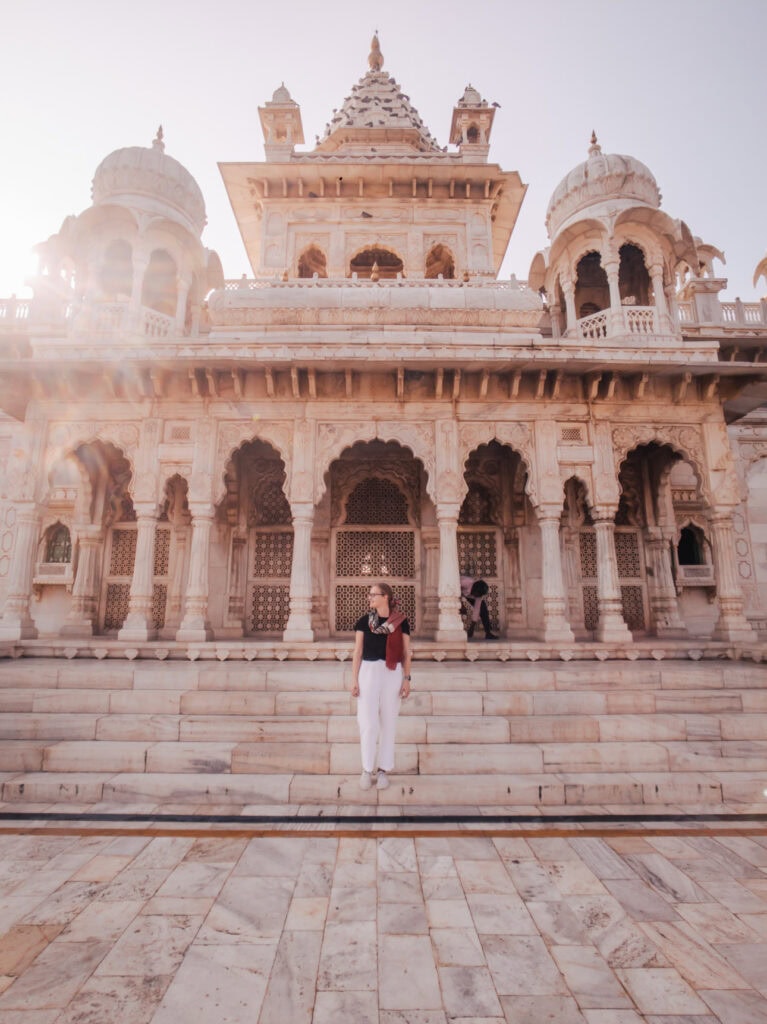
What to wear: Stick to loose-fitting clothes that cover shoulders, chest and knees, avoid anything see-through, and carry a lightweight scarf to cover your hair if you want to blend into a crowd. Some religious sites do have strict dress codes but not all, and in rural areas or at community experiences dressing conservatively shows cultural respect, big cities are more lax but tight or revealing clothes will attract (more) attention.
How to get around: Small group tours are ideal for solo female travellers, they let you explore India with travel buddies (likely other solo travellers!) and an expert guide with minimal logistical stress. If you’d rather go independently then private drivers and local day guides are relatively affordable, easier and much more comfortable than navigating public transport. Buses and trains can be totally fine but comfort and security depend on the provider and carriage class you book.
Health & wellness: Drink bottled or filtered water, eat freshly cooked street food, wear a seatbelt when available, pack high-quality masks (like N95s) for bad air quality, and take out comprehensive travel insurance.
What’s great about India for solo women:
- Many local women feel very protective of solo female travellers (and they won’t mince their words telling you that you’re crazy for doing it haha) and will be happy to help if you’re in any trouble
What to be aware of as a solo female traveller in India
What type of travellers India is best for…
India is not ideal for…
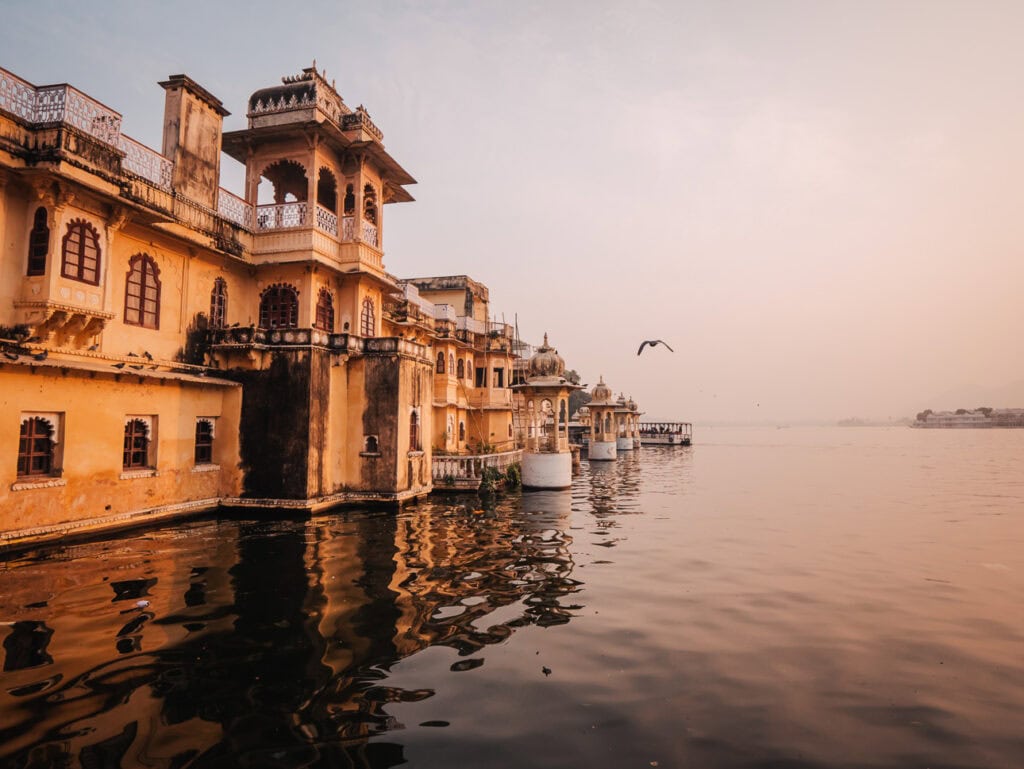
My honest experience as a solo female traveller in India (2019 + 2026)
Despite following almost the exact same route, my two solo trips to India were entirely different experiences and taught me very specific lessons, so let me share them with you.
2019: Solo travel rookie with a private driver
I first landed in India in December 2019 during my sixth month of full-time solo travel, it was country #22 in my ’52 countries in 52 weeks’ project but it was probably the place that felt the most daunting (and definitely sparked the most negative reactions from friends and family).
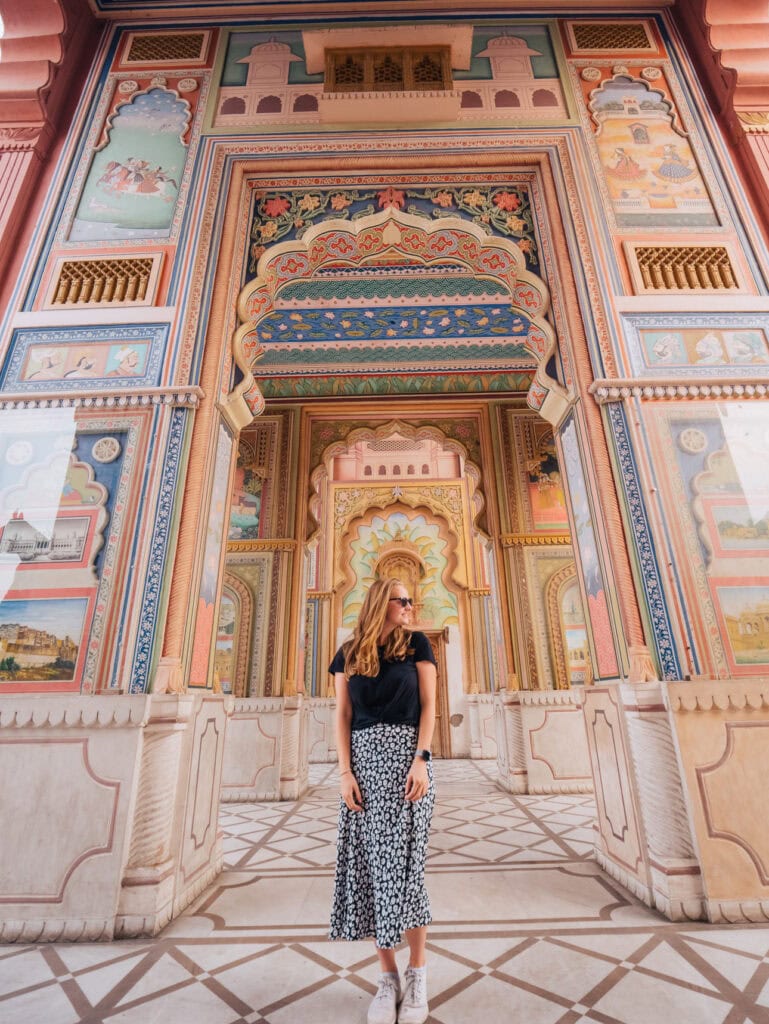
I’d met a handful of fellow female travellers in hostels leading up to that trip who’d shared their India experiences with me, and the most persistent theme woven throughout all of their stories was that public transport was where almost every scary interaction took place.
I was also limited to just 10 days in India and as part of a massive trip I reeeeally didn’t have the capacity to organise all the logistics of getting from A to B each day, so I knew I needed to take a safe and sensible approach rather than winging it.
Unfortunately my dates didn’t align with any tours that fit my budget so I decided to book a private driver for the trip instead, I used Kalka Travels for this (top-rated, 4.9/5 on TripAdvisor from 900+ reviews) and Bobby (the founder) helped me plan out my Golden Triangle and Rajasthan itinerary. He was brilliant to deal with, highly recommend.
I arrived in Delhi late at night and quickly learnt a few important lessons:
The hostel I stayed at doesn’t exist anymore but it had decent reviews (at least 8/10, I never book anything less than that) and cost me about $4USD per night for a female-only dorm. At check in the front desk guys said they had a rooftop where people were hanging out, so after putting my stuff into my dorm room I headed upstairs.
There were about 20 local guys up there, hostel workers and their friends, and a couple of very drunk female travellers which immediately made me feel uncomfortable. I wanted an excuse to leave so I said I needed to go get my portable charger and went back to my dorm room.
I asked other girls in the dorm if they knew the female travellers on the rooftop and found out they’d been staying there for a few weeks and often drank with the hostel staff, plus some of their friends were sober in the other dorm so they had trusted people who could (should) keep an eye on them. It didn’t completely sit right with me but it was the first time I’d been in a situation like that and didn’t know what else I could do to help.
20 minutes later I was in bed watching Netflix with the privacy curtain on my pod closed when I felt a tap on my shoulder. I turned around and it was the hostel guy who checked me in, he said “you told us you were gonna come back upstairs, why are you in bed?” and omg cue the panic. This guy walked into our female-only dorm room, pulled back my closed privacy curtain, and touched my shoulder while I was lying in bed to question why I wasn’t hanging out with them. RED FLAG 🚩
I nervously laughed it off (a classic stress response) and said I was tired so he left, the other girls and I all looked at each other completely shocked and collectively decided to put our suitcases in front of the door to stop anyone else coming in.
This guy *probably* wasn’t a physical threat and might not have even realised that what he did was totally inappropriate, but the blatant disregard for personal space and the entitlement to my time and social interaction felt suuuper icky and really set a defensive tone for the rest of the trip which sucked.
The night passed without any further issues and I left my honest hostel review as soon as I was in the safety of my private car the next morning.
If that whole thing had happened to me now as a much more experienced solo female traveller, I absolutely would’ve dealt with it differently:
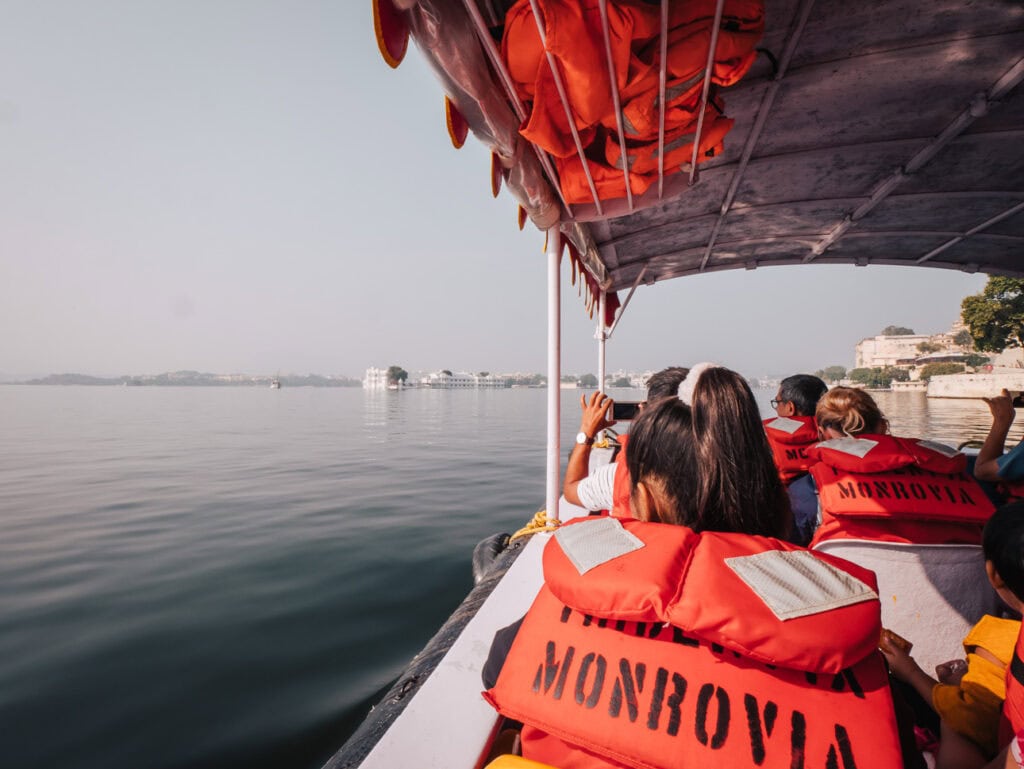
The rest of my 2019 trip was pretty uneventful, in a good way and a not-so-good way.
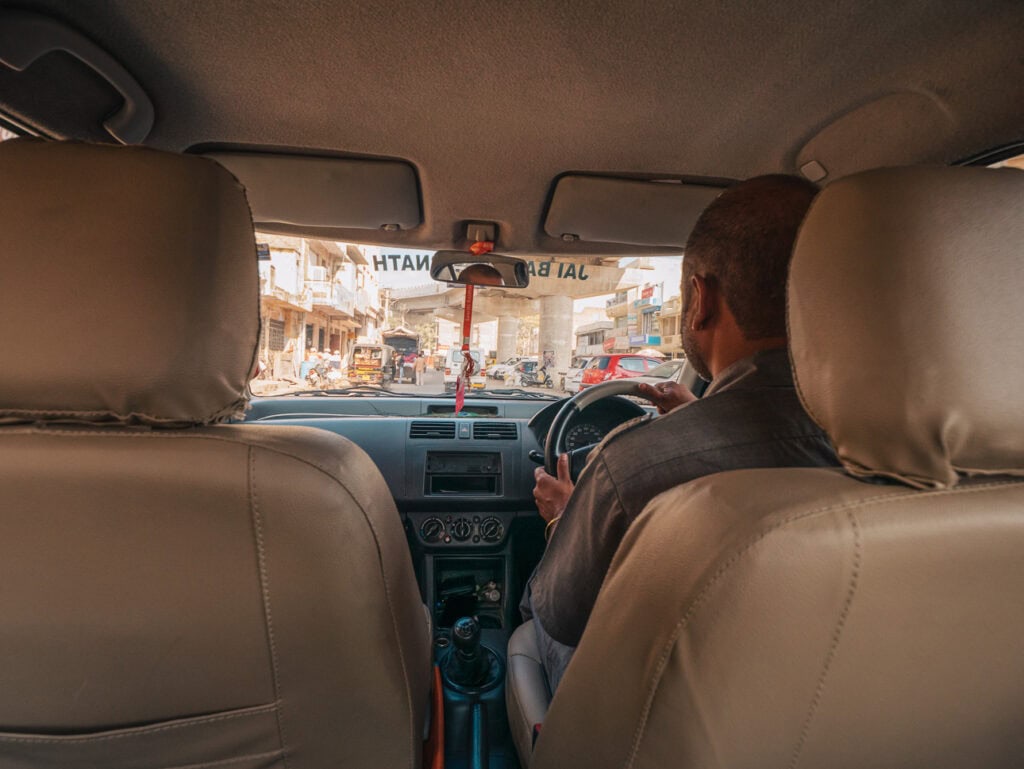
My driver from Kalka Travels, Raj, was so friendly and made me feel completely safe and comfortable the entire time. His English was pretty good, he was a pro at navigating the diabolical Indian roads, and having door-to-door service made the whole trip stress-free.
I hired local guides in each city to show me around the highlights, it was surprisingly affordable and meant I could get the most out of my short visits, plus they could tailor the day’s plans to my interests and preferred pace which was brilliant.
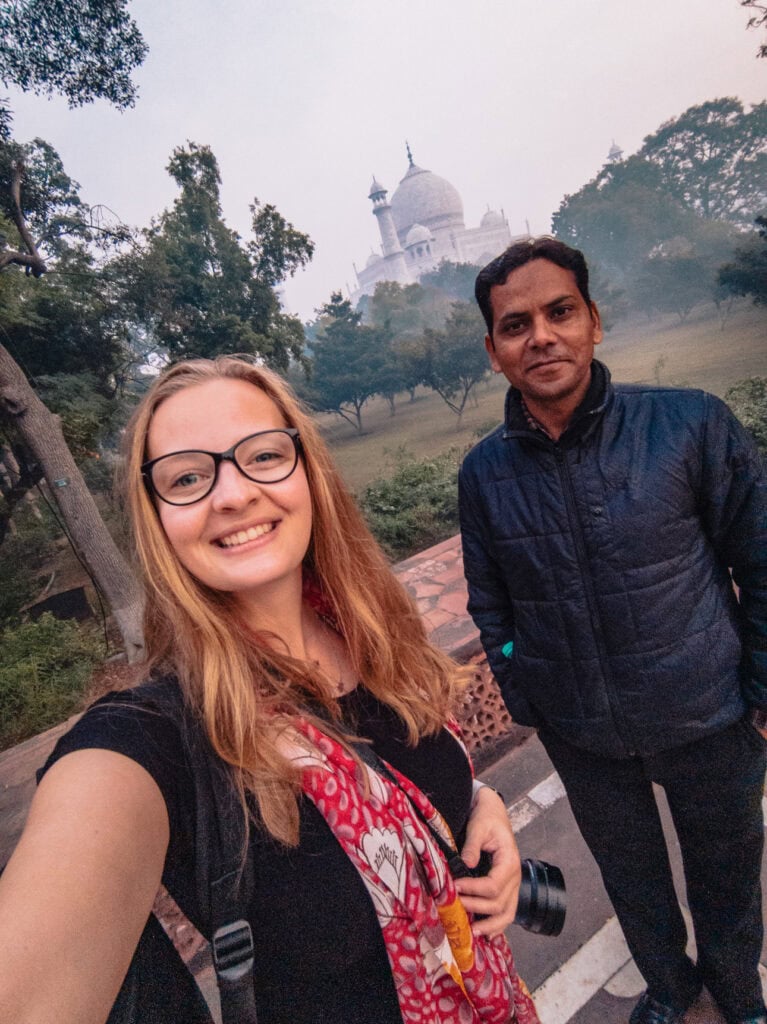
People still stared and would come and ask me for photos, but if anyone was too pushy or rude the guide would always step in. There were a few instances of harassment that I witnessed or heard about from other travellers that I’ll explain more about in the safety section, but for me personally I didn’t ever feel like I was unsafe or at any risk of actual harm.
The unintended downside of this level of support and security was that my India experience felt very sanitised and insulated, like I was seeing the country from behind a layer of glass rather than actually immersing myself in it.
Limited time with each city guide meant that our conversations never really moved past the history of the destination and there wasn’t enough time to build rapport to be able to ask the heavy questions about the things I was seeing, like extreme poverty and visible gender inequality in society.
The dynamic with my driver and guides was also a bit of a weird one to navigate because I hadn’t experienced that level of power imbalance on my travels before.
In the tourism industry in India there’s a strict culture of formality and deference to visitors, especially anyone with fair skin, and while it comes from a place of respect (and a history of colonisation because traditionally lighter skin = higher social status, but that’s a TED Talk for another day), it can be very awkward and uncomfortable when you’re not used to it. As a Kiwi I’m just ultra-casual by nature 🙃 so getting the royal treatment was very unfamiliar territory and I didn’t really know how to deal with it.
When I wasn’t with Raj or a local guide I definitely didn’t feel confident wandering anywhere solo, which meant instead of finding local restaurants (the best way to get under the skin of a destination in my opinion!) I ended up eating at my hotel every single night.
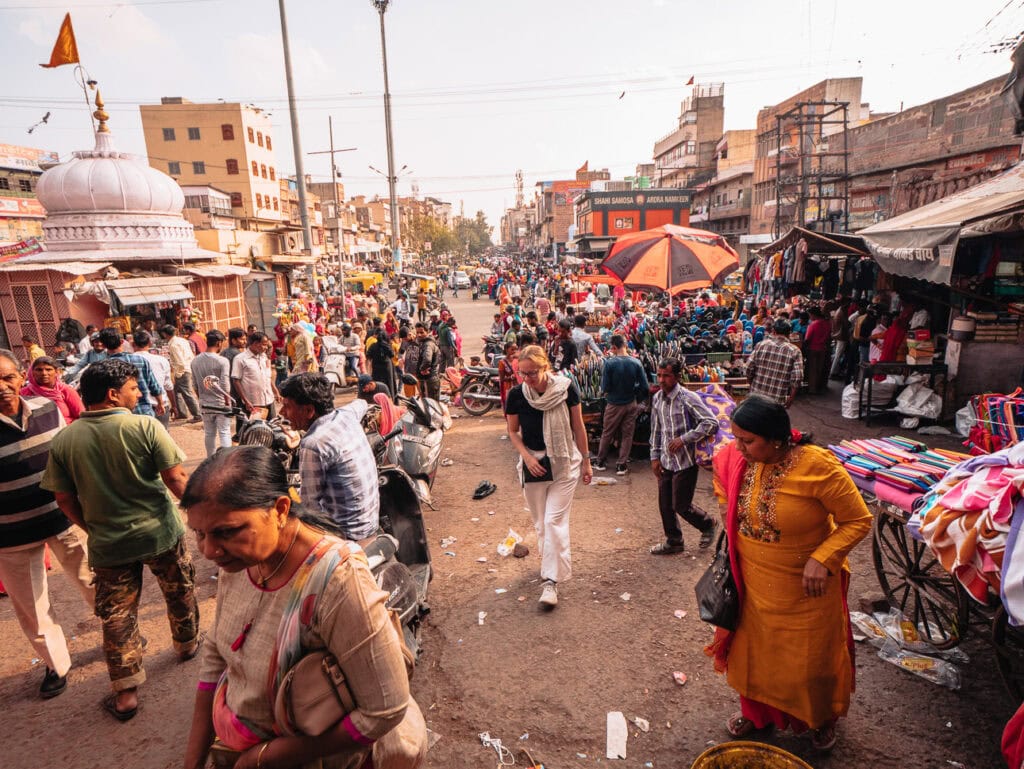
Let me be clear, I don’t regret choosing this style of travel for that particular trip because it was the right call for my timeframe, my budget and where I was at in terms of solo travel confidence. I knew a tour would’ve been ideal but since the dates didn’t work, the private driver + guides safety net was absolutely a better choice for me vs. planning a full itinerary and navigating public transport alone.
Butttt while I ticked off the main icons with easy journeys between them and minimal logistical stress, I still left India feeling like I’d barely scratched the surface beyond sightseeing and had missed any authentic culture or genuine human connection.
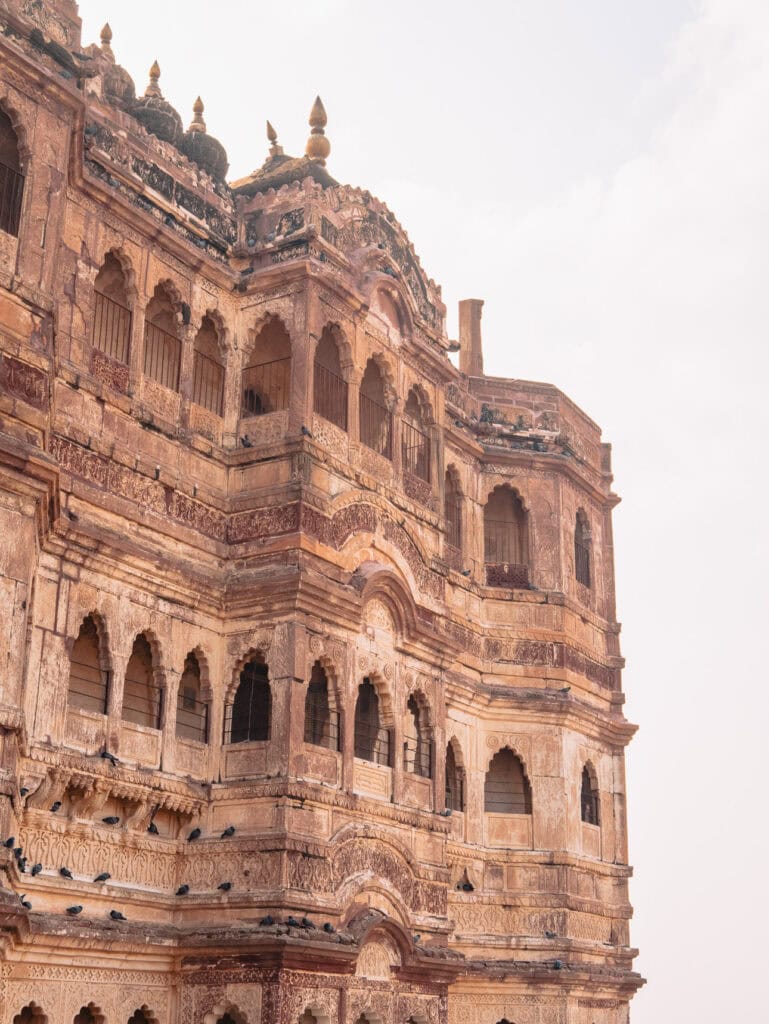
2026: Returning as a solo travel pro on a small group tour
I’ll be totally honest, even after more than five years of full-time solo travel and 60+ countries under my belt, India: The Sequel wasn’t high on my travel bucket list. The logistics still felt daunting, even more so knowing that any return trip would need to dig deeper with more cultural immersion for it to be worth it, which would require an extra layer of preparation.
Luckily the perfect opportunity came up to head back to India for the India Classic tour with One Life Adventures. I’d done three tours with them already (Japan, Sri Lanka and the Philippines) so I was easily convinced!
The itinerary was almost identical to my first trip which actually made it even more tempting, because I was so keen to be able to compare what it felt like to see those places in three different ways:
I’m a travel nerd 🤓 so any chance to analyse how travel style impacts enjoyment of a particular destination is riiiight up my alley.
The result of my little India solo travel experiment was super clear: six of the exact same cities but with wildly different levels of cultural immersion, human connection and how much I truly liked being there. The tour wasn’t perfect, but it was exponentially more fun than my first solo visit.
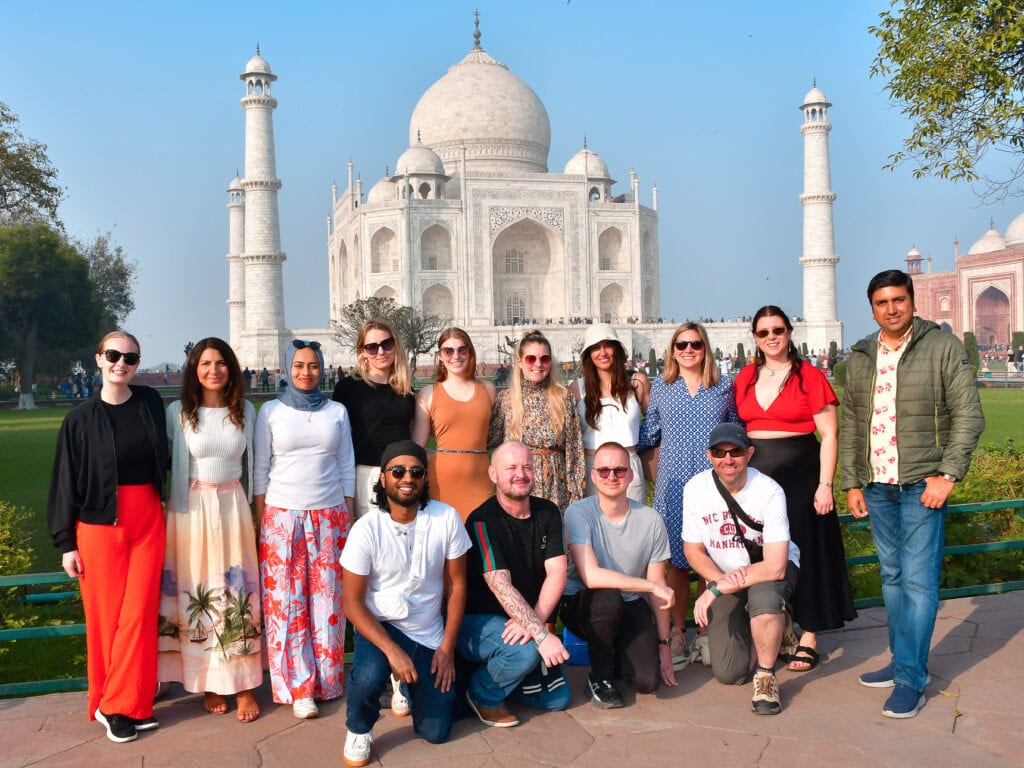
Our India crew was 14 in total for the first six days (the shorter India Snapshot tour) and then nine of us continued for the full 12-day India Classic tour. The group was mostly made up of solo travellers (but a couple of couples + a friend duo) and everyone was between mid-20s and early 40s.
Our local guide, Abhi, somehow managed to be both a bridge to the culture and a buffer from the bedlam at the same time, which is quite a feat!
Abhi’s English was perfect, he was my age and his years of tourism experience with groups like ours meant he was very much ‘on our level’, rather than falling into the traditional hierarchy of 👑 esteemed Western visitors 👑 and the staff who serve and defer to them. This alone made SUCH a difference and was far more aligned with my travel values.
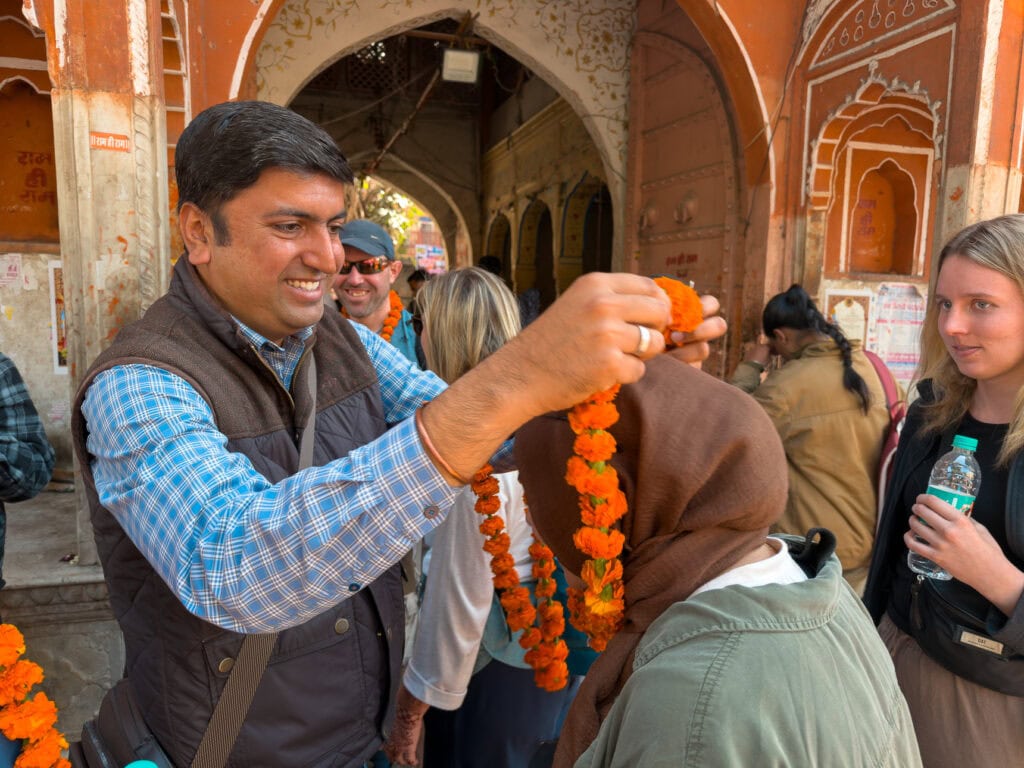
Having the same person with us for the full two weeks meant there was time to build trust and friendship, and we had the chance to ask about heavier topics like gender inequality, arranged marriages, religious conflicts and politics, things I wouldn’t have felt that comfortable bringing up to a guide I’d only hired for four hours. It was a total shift from the first trip’s history lessons to actually understanding how the country works.
The One Life Adventures itinerary was also packed with the kind of cultural immersion that I completely missed out on the first time round, like cooking classes, an overnight sleeper train, a Bollywood movie, visiting a café run by acid attack survivors, and optional add ons which were wayyyy more fun with travel buddies like a Filmi dance class and getting our birth charts read by an astrologer.
Outside of the organised stuff, getting my bearings from our orientation tours and having deeper cultural context meant that I felt much more confident and empowered to get out and about during my free time. I navigated the metro and hailed tuktuks, stumbled across local eateries I never would’ve found otherwise, and felt like my true travel self rather than feeling so out of my depth like I did last time.
The extra years of solo travel contributed to this I’m sure, but I think the tour format deserves most of the credit.
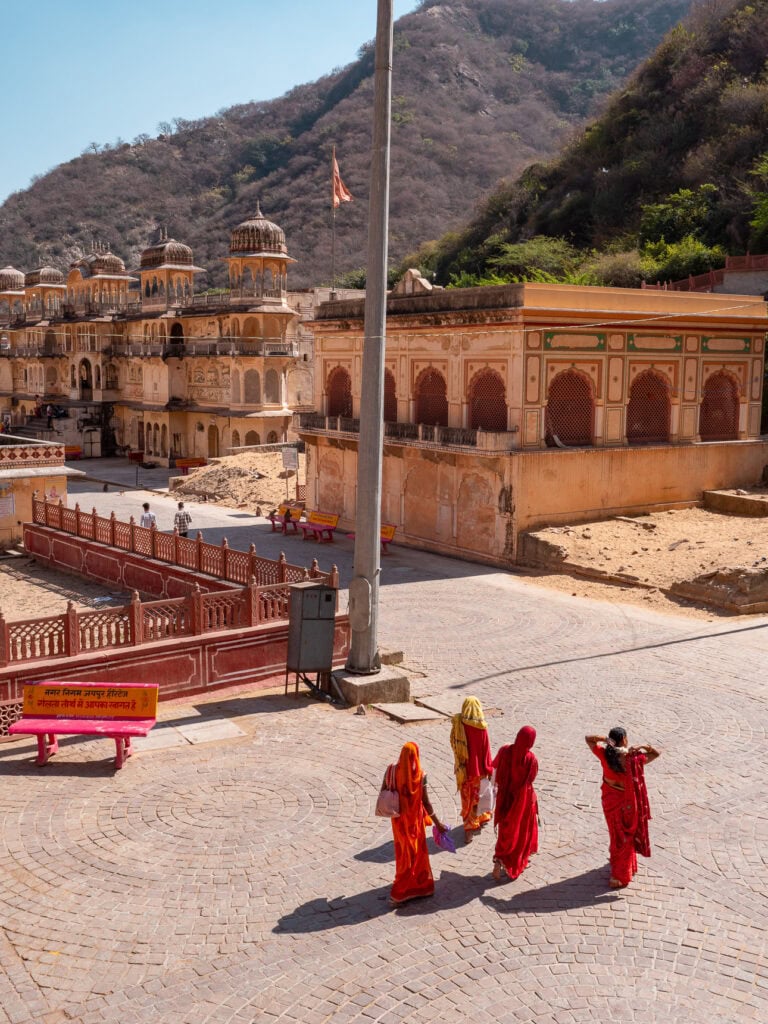
Exploring on a small group tour wasn’t without its compromises though.
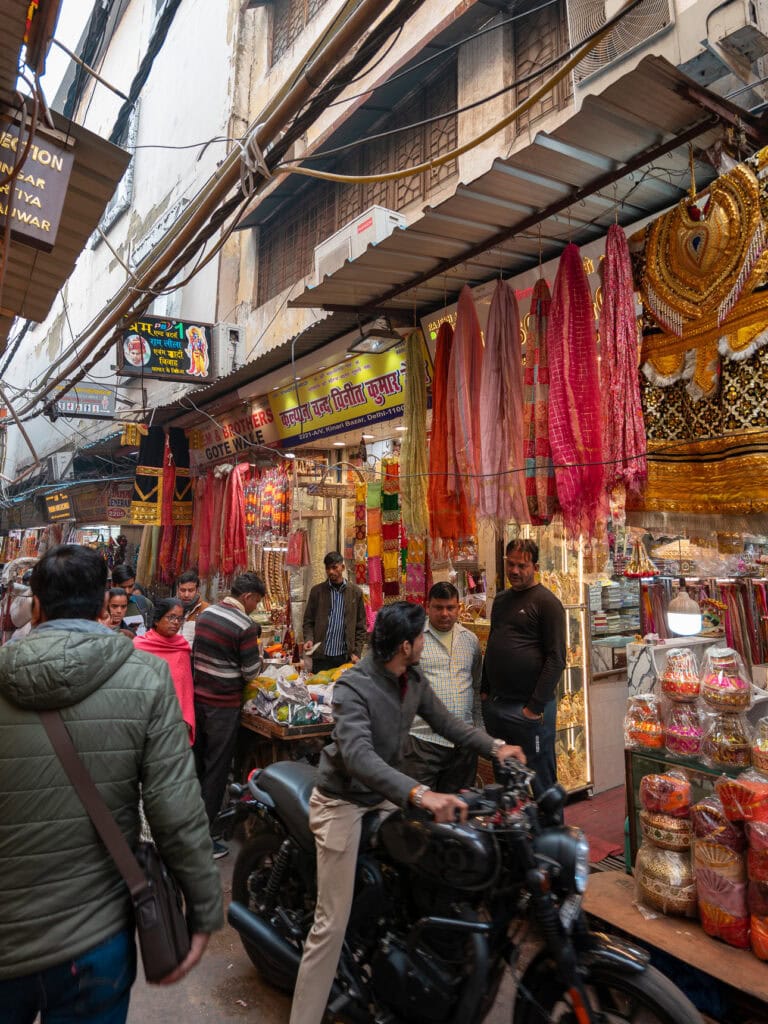
Compared to my private driver trip it was significantly more exhausting, with early wake ups for half-day public buses, a five hour train where the air con decided to die halfway through, and walking tours through utter pandemonium in spice markets and old city bazaars.
The sensory overload hit me 10x worse because we were actually amongst the chaos, rather than driving past it from the comfort of a Hyundai Sonata. There may have been a moment where I was walking down the street with my fingers plugging my ears because I was 95% of the way to a full meltdown 🫠
That immersion came at a cost to my eardrums and energy levels, but it’s undoubtedly what made my second solo trip infinitely more meaningful, more authentic and more memorable.
Is India safe for solo female travellers?
The short answer is yes, India can be safe for women travelling solo, but it demands more energy, awareness and research than most places you’ve probably been before.
There are genuine risks here that solo travellers need to know about and I’m not going to downplay them, but at the same time lots of the scary stuff you read about online or hear through the grapevine is either outdated, exaggerated for clicks or lacking context.
The main safety concerns in India are mostly manageable if you know what to expect, take practical steps to protect yourself, and do a bit of work to understand the nuances behind the headlines.
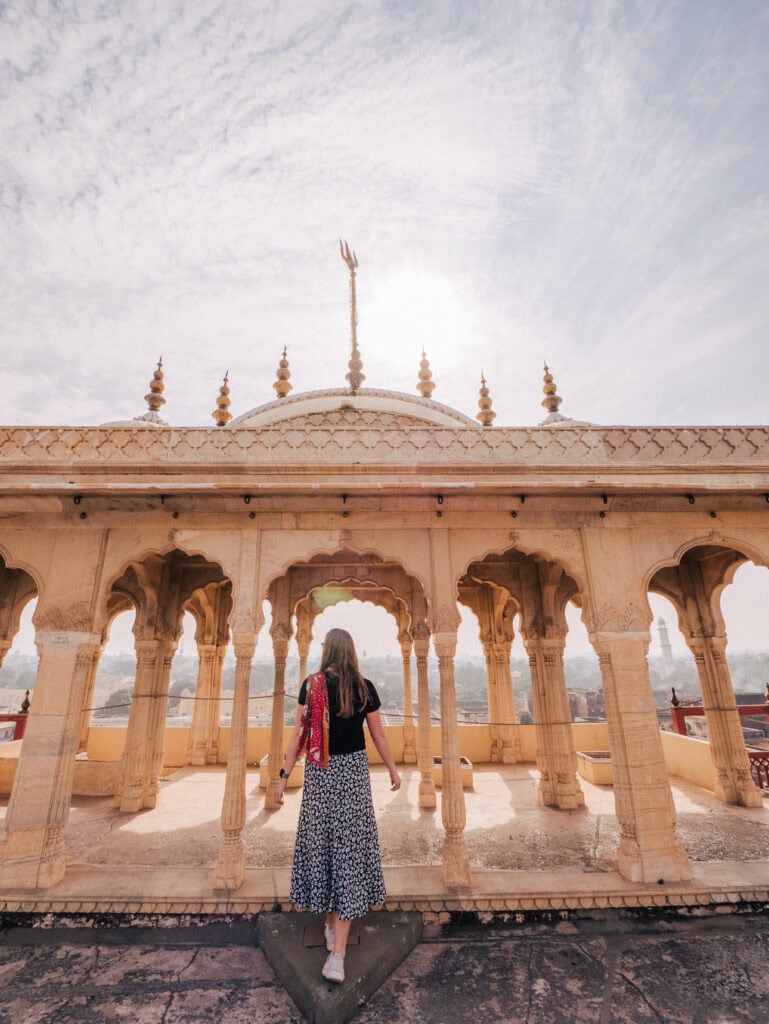
Before we get into the specifics, I want to flag something I mention in all my solo female travel guides:
There is a difference between feeling uncomfortable and actually being in danger.
India will push you way out of your comfort zone, that’s pretty much guaranteed! The staring, the crowds, the visible gender inequality, the extreme poverty, the hyperstimulation, all of this can be overwhelming and make you feel like you’re swimming in uncharted waters with someone trying to sell you Taj Mahal souvenirs from a rowboat while you’re trying to keep your head above the surface 🙃
But it is so important to remember that discomfort ≠ danger, and learning to tell the difference between the two is one of the most valuable skills you can develop as a solo female traveller. This isn’t a quick thing either, it comes with experience in different places and across different cultures, open-mindedness and intentional mindset shifts.
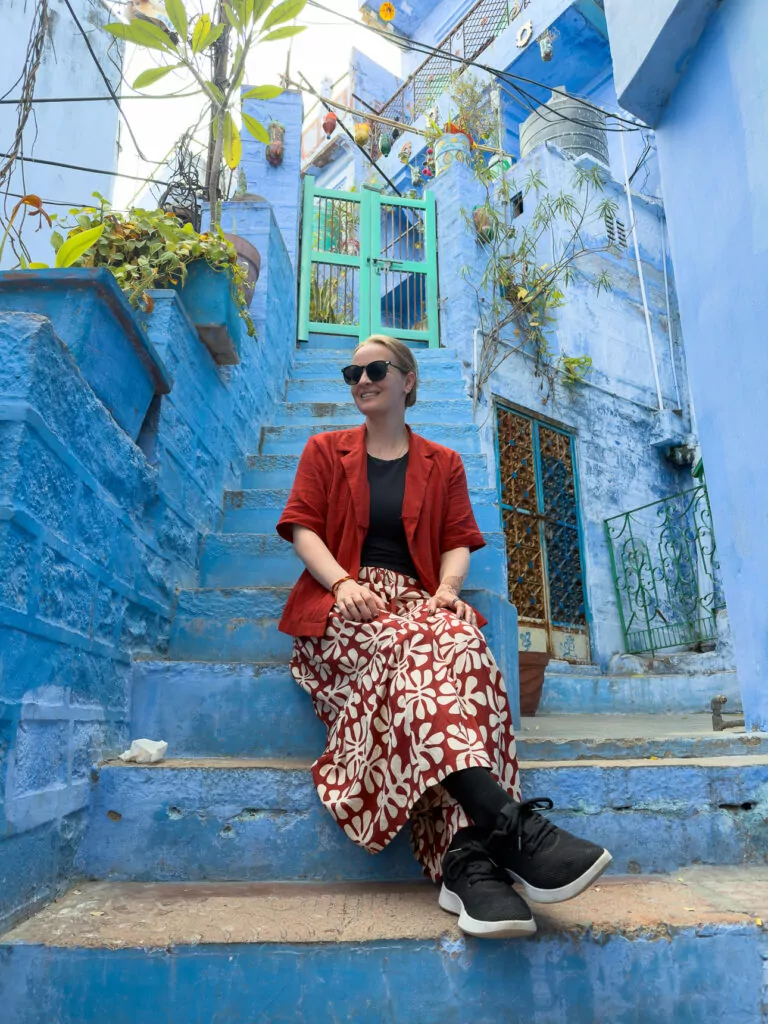
That said, always trust your gut and if a situation feels off, get out ASAP and analyse later. Better to overreact than underreact, your safety is always top priority.
Here’s what you need to know about the specific safety concerns for solo female travellers in India.
Sexual harassment & gender-based violence
Let’s get the big one out of the way first.
India has a well-documented problem with sexual harassment and violence against women, and pretending otherwise doesn’t help anyone.
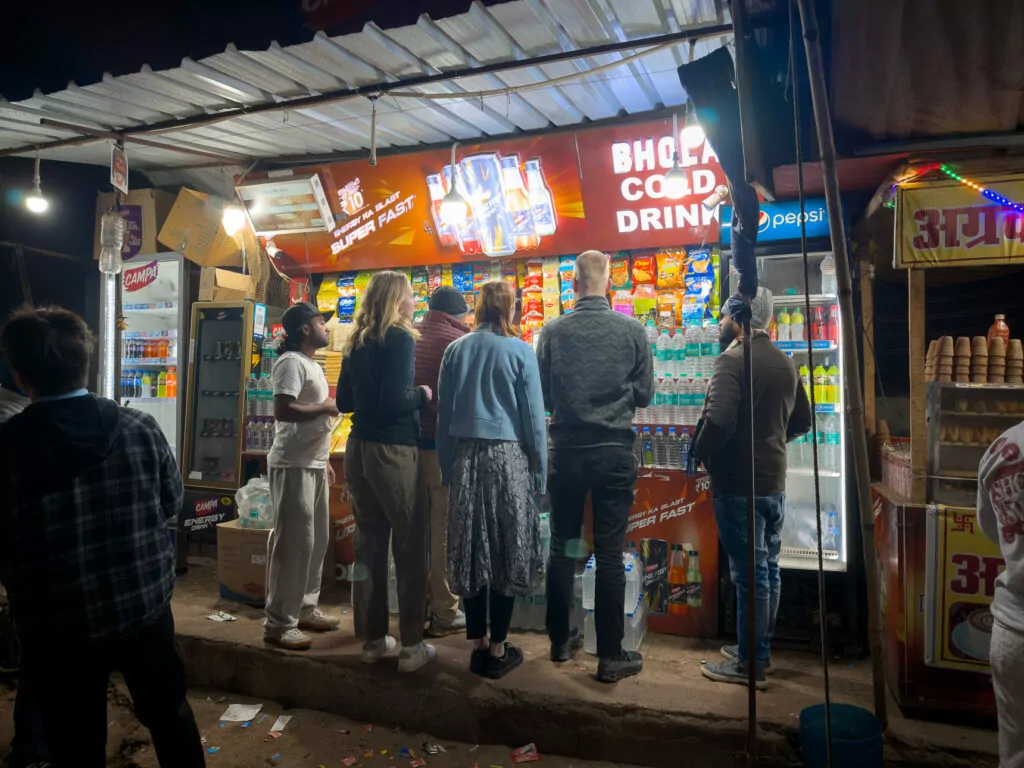
It’s a deeply-rooted societal issue that Indian women themselves have been fighting hard to change for decades, but unfortunately the cycle is fairly routine: a high-profile case sparks global outrage, women and allies protest, leaders condemn the violence, aaaand not much happens after that.
Some laws have been enacted in the past 20 years to supposedly provide better protection for women and harsher penalties for perpetrators, but enforcement is weak and conviction rates for gender-based violence are woefully low.
I certainly don’t want to minimise this horrendous reality for women in India, but let me bring this back to the context of solo female travel safety. The data does suggest that the majority of violence against women in India occurs between people who know each other, in families, workplaces and rural communities with strict patriarchal norms and cultural practices, rather than against foreign visitors in urban centres and tourist spots.
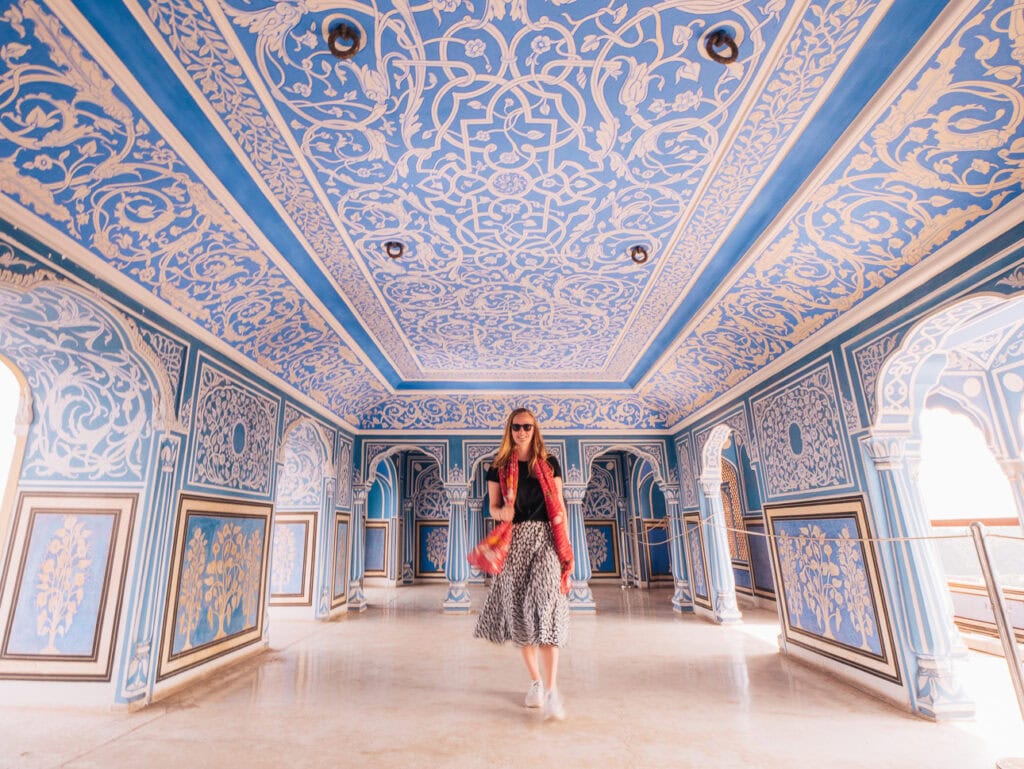
What solo female travellers are much more likely to encounter is opportunistic sexual harassment in public, things like intense staring, taking photos of you without asking, following you, suggestive comments, persistent hassling, groping and ‘accidentally’ brushing past you in densely crowded places or on public transport.
This kind of behaviour is commonly referred to as “eve-teasing” which is problematic in itself, framing sexual harassment as some kind of playful banter. That gives you a pretty good indication of how (un)seriously it’s treated.
I personally haven’t experienced anything beyond some creepy staring and having photos taken of me without my permission, but I have heard more than a few anecdotes from fellow female travellers who unfortunately have been victims of more serious harassment.
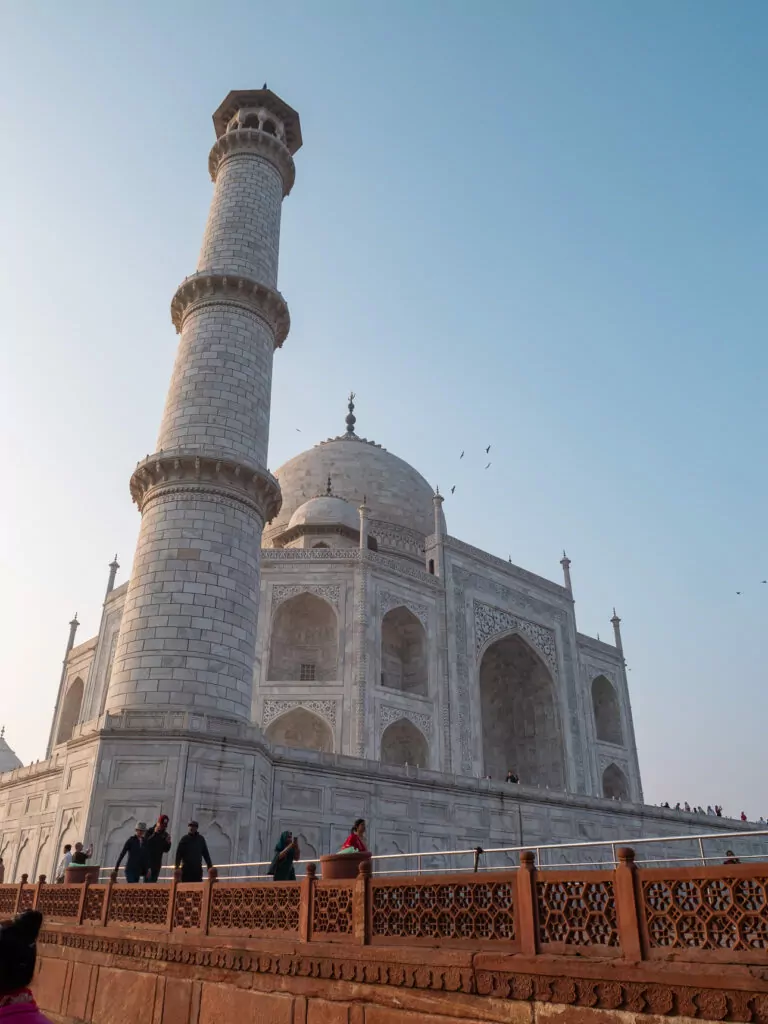
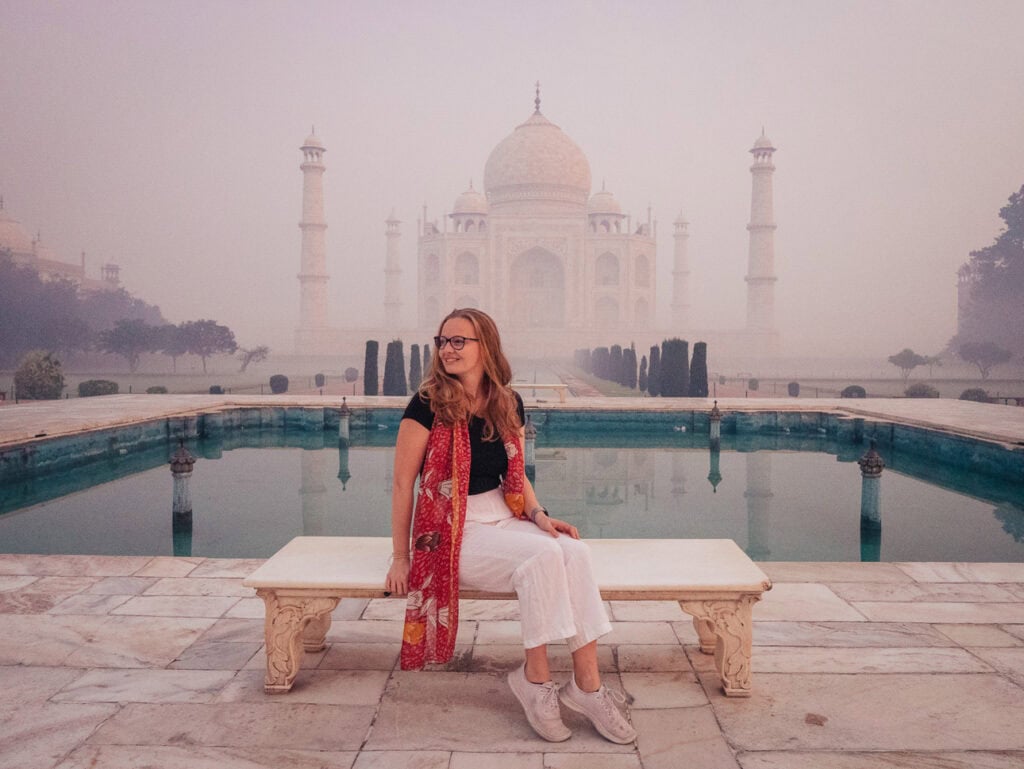
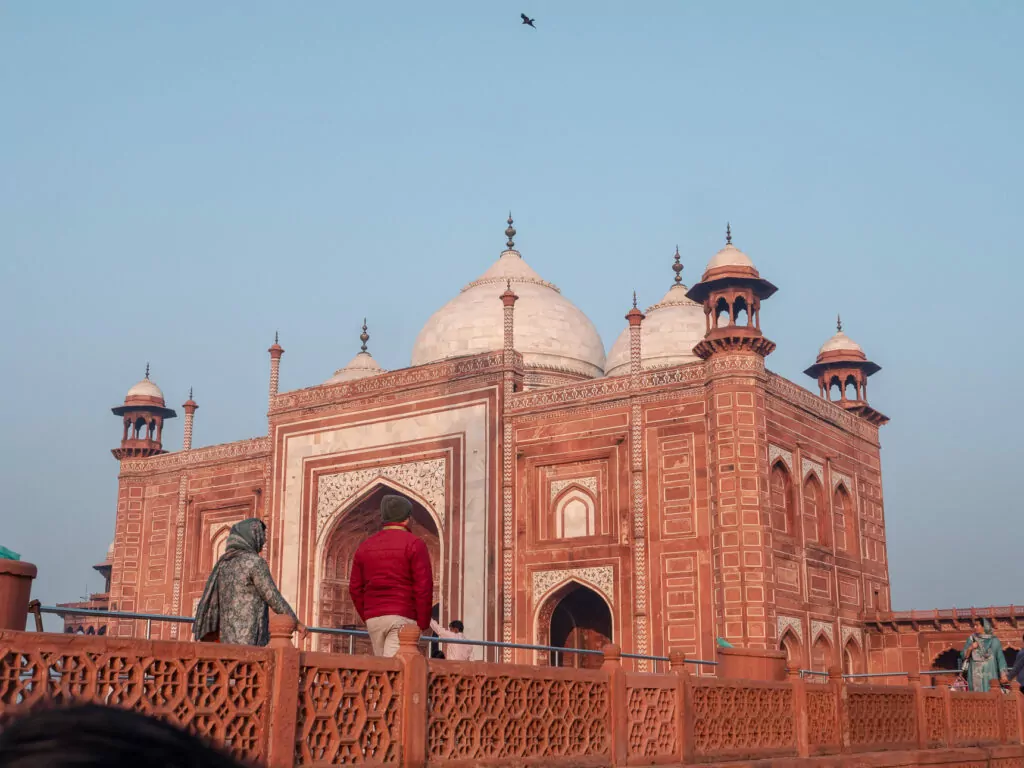
One of our tourmates was groped by a young guy at the Taj Mahal when she agreed to take a photo with his group of friends, a disgusting violation in broad daylight at a landmark crawling with security and a really shitty thing for her to deal with on day two of a bucket list trip. Another friend told me about the time she took a night bus with a female travel buddy and they woke up in the middle of the night to a man brushing their hair 😧 NOPE.
Public sexual harassment like this isn’t a problem unique to India, bad people exist everywhere and a country of 1.4 billion people is going to have its fair share, but it’s clear that long-standing patriarchal attitudes and a lack of legal consequences have helped normalise predatory behaviour.
None of this is your fault if it happens to you, but there are some practical ways you can reduce the risk:
- If anything serious happens, report it to the tourist police immediately and contact your travel insurance provider if you need medical help or support getting home. The justice system is notoriously slow (though crimes against foreigners are often taken more seriously and expedited), but you’ll need a police report for any insurance claims anyway.
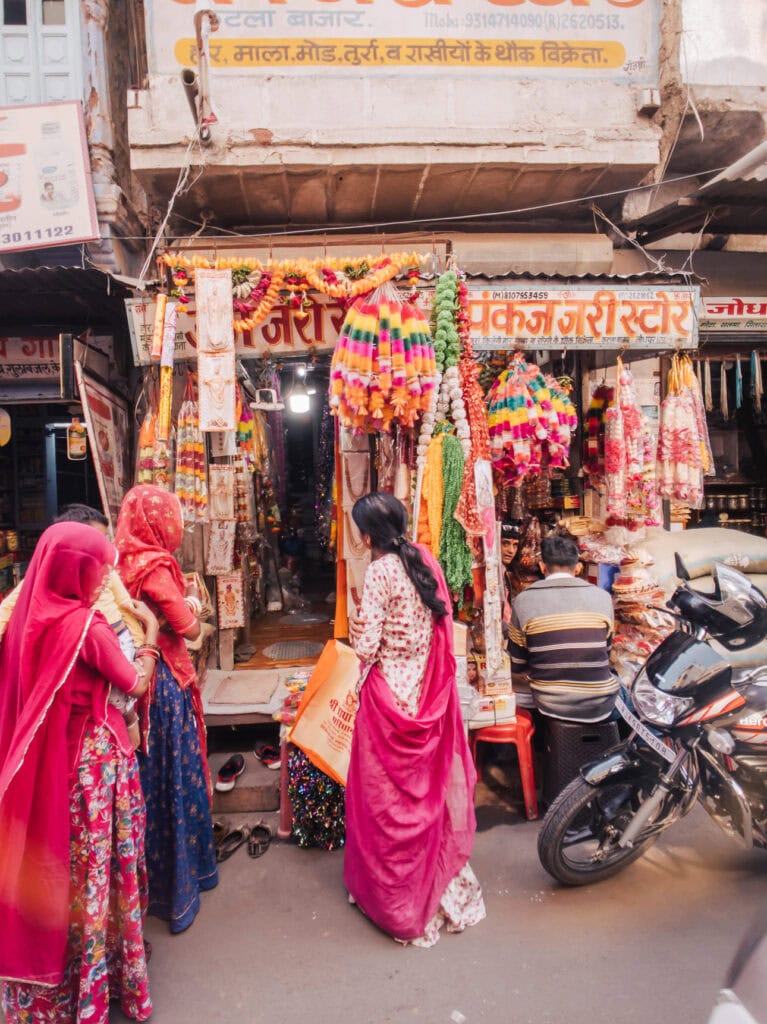
Holi deserves a specific warning, the colour-throwing party is an iconic India experience but the combo of alcohol consumption, insane crowds and physical contact being part of the celebration result in an environment where harassment is easily perpetrated and widely justified. A 2025 study found that assaults against women increase as much as 170% during the festival.
If Holi is on your bucket list then go with trusted people (a tour group or fellow female travellers) and stick to organised events with security or smaller family-oriented parties.
If there’s one thing you take away from this post before your India trip, it’s that you don’t owe anyone your time, your energy, your personal space or your politeness at the expense of your safety. Many societies around the globe expect women to be kind, respectful and non-confrontational, and this is exactly what opportunists and predators try and take advantage of.
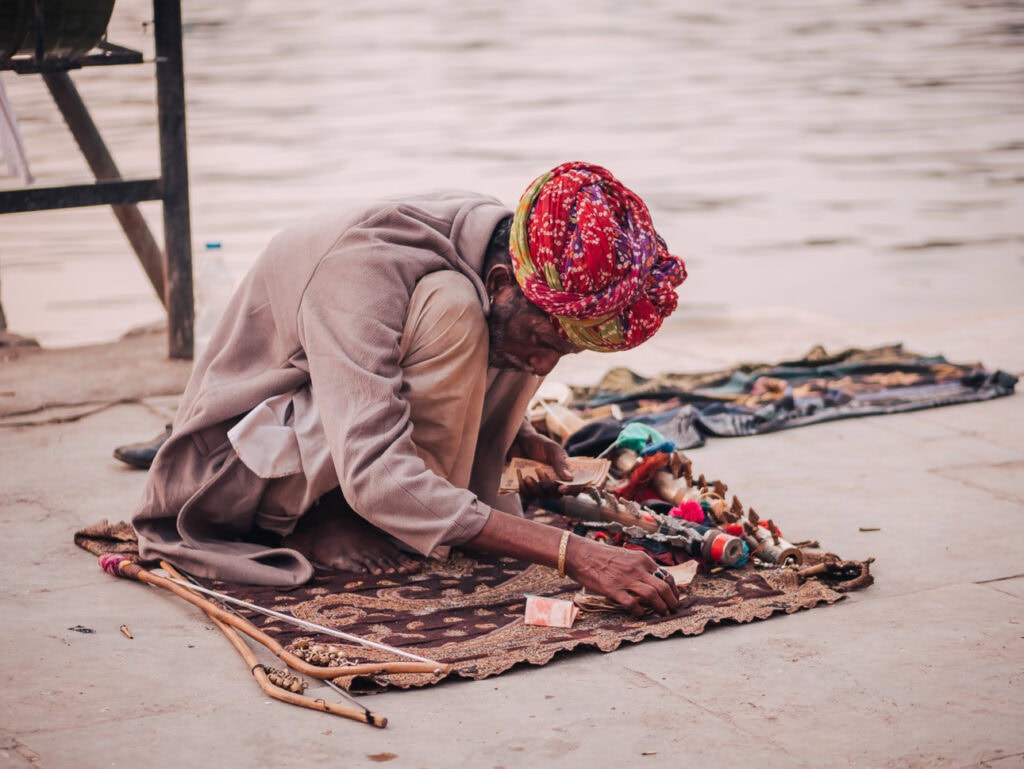
Petty crime
Petty crime in India follows the same patterns as most major travel destinations around the world.
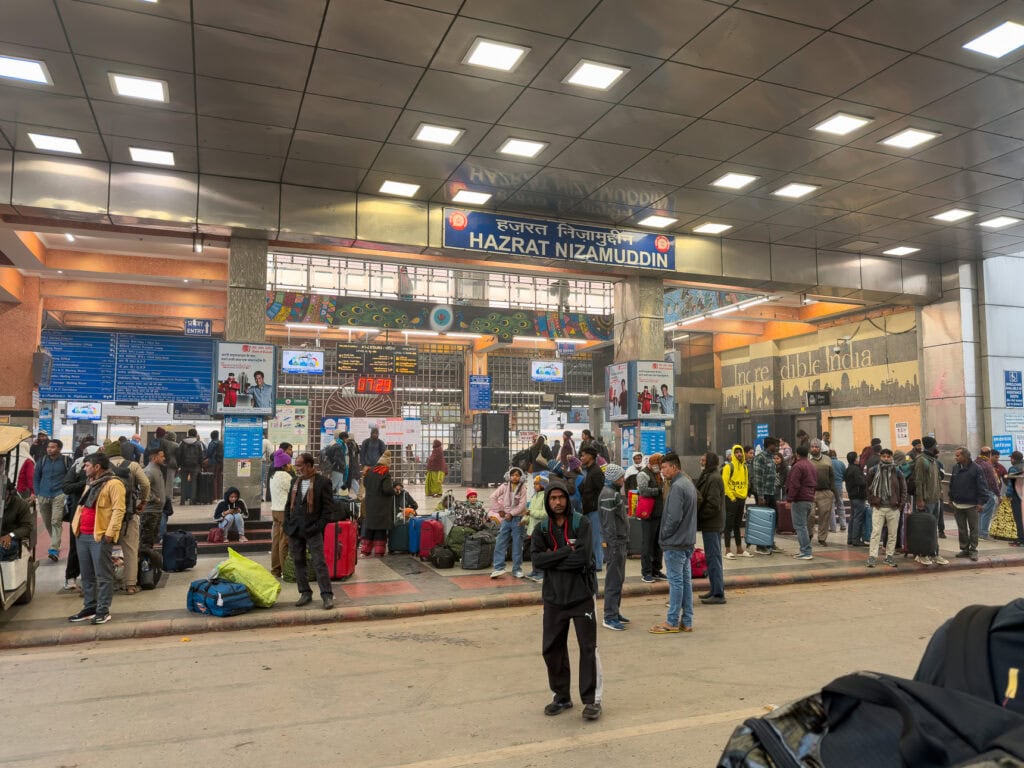
Pickpocketing, bag snatching and opportunistic theft are most likely to occur in busy places like train stations, markets, landmarks and at festivals, or anywhere where your guard is let down like on a night out.
The frenzy of Indian crowds makes it easy to get distracted, which is what thieves rely on, and if you’re travelling solo you might be a tempting target for an opportunistic crook.
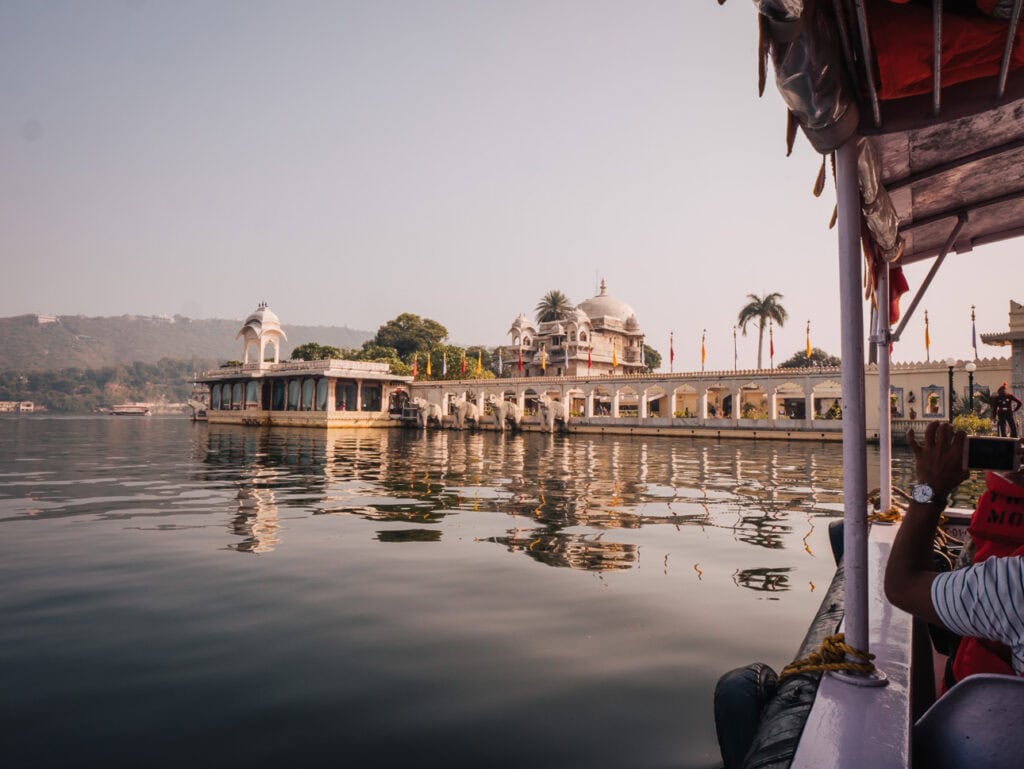
There are some common sense precautions to take to protect yourself and your stuff:
Scams
India’s scam game is next level, and solo travellers are often seen as easy marks because it’s a lot easier for a scammer to trick one person vs. a group of friends.
Most of these aren’t physically dangerous, they’re just sneaky ways to swindle you out of your hard-earned travel money, and they can range from losing chump change to major financial damage. When you’re travelling alone though, getting tricked out of even a small amount of cash can knock your confidence and put you on edge for the rest of the trip.
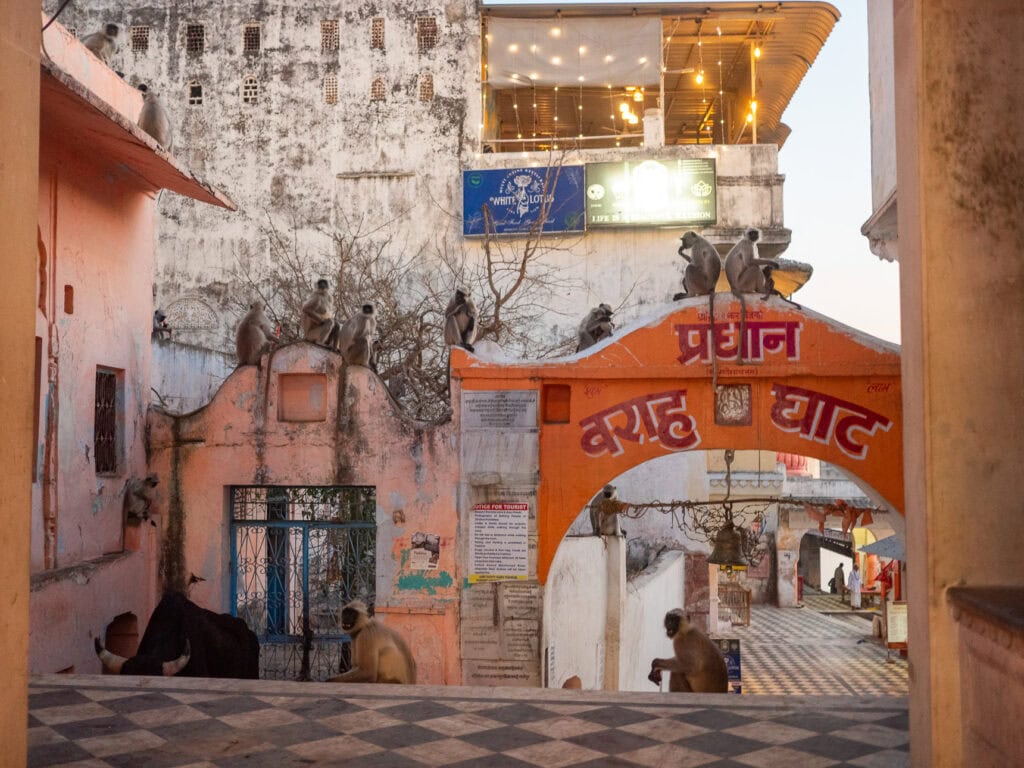
On my first India trip a girl at my Pushkar hostel fell victim to a scam in a baaad way.
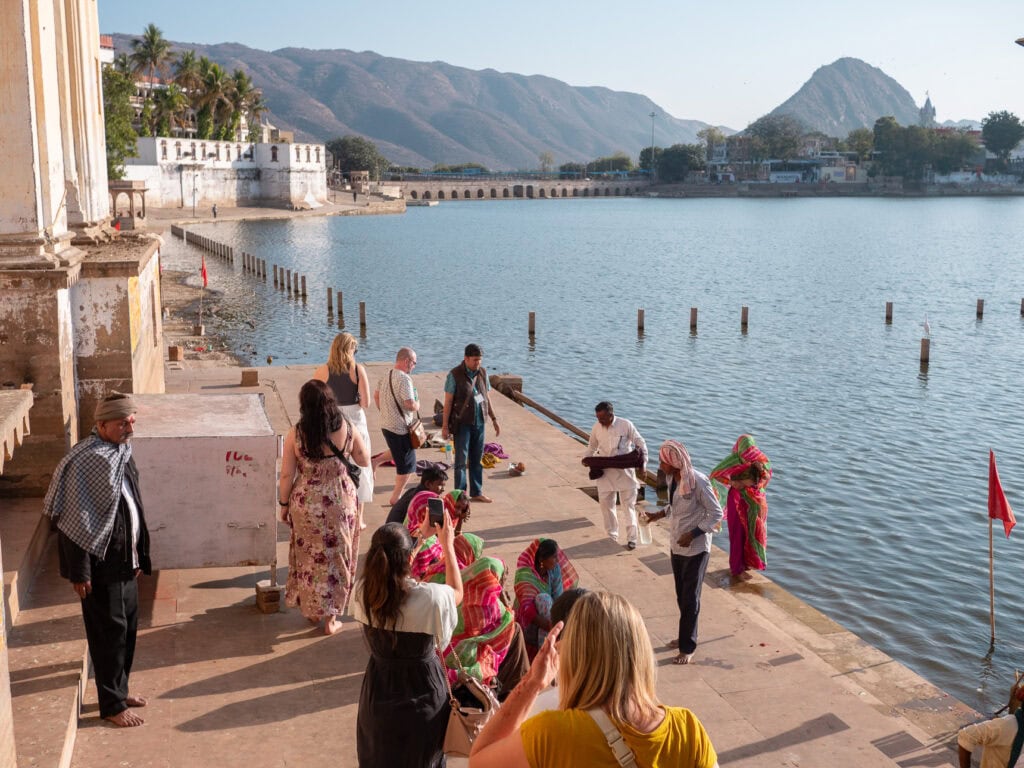
She was preyed upon by a friendly ‘brahmin’ (priest) who took her down to the water for a ‘blessing’, before telling her that he had actually cursed her family and she had to give him all the money in her bag for him to remove the curse.
It was her first time ever travelling solo, fear got the better of her and she obeyed, but unfortunately she was carrying 500EUR worth of cash (she’d just withdrawn money when she was approached) and came back to the hostel in tears, traumatised and totally broke. Ouch 🥺
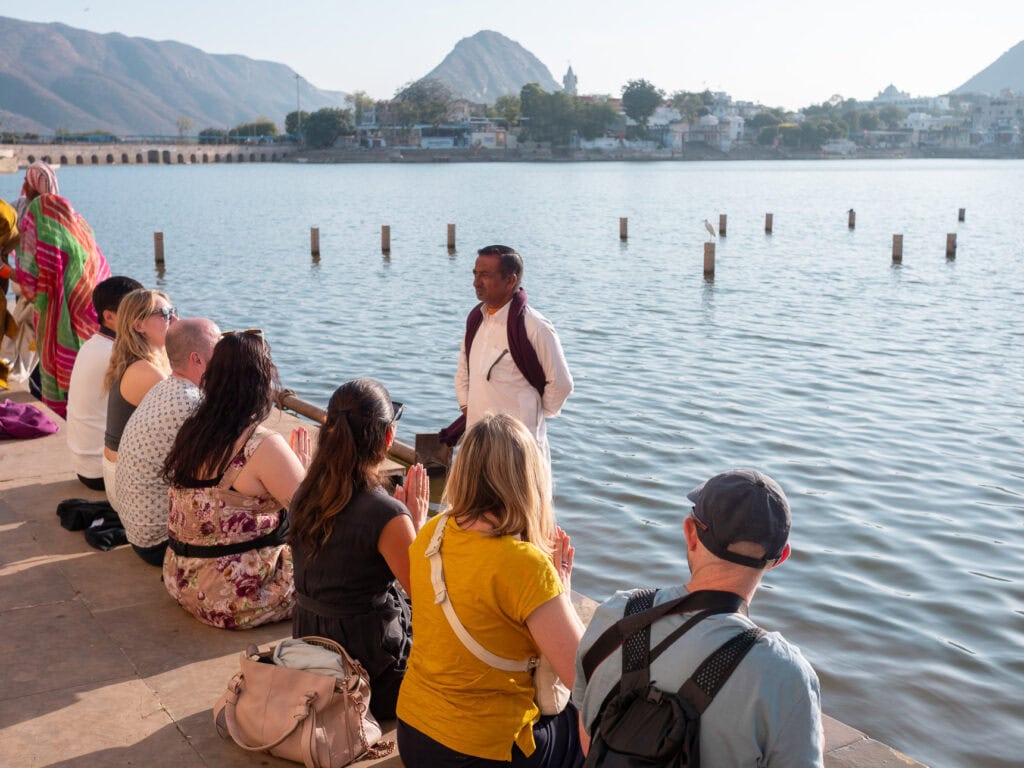
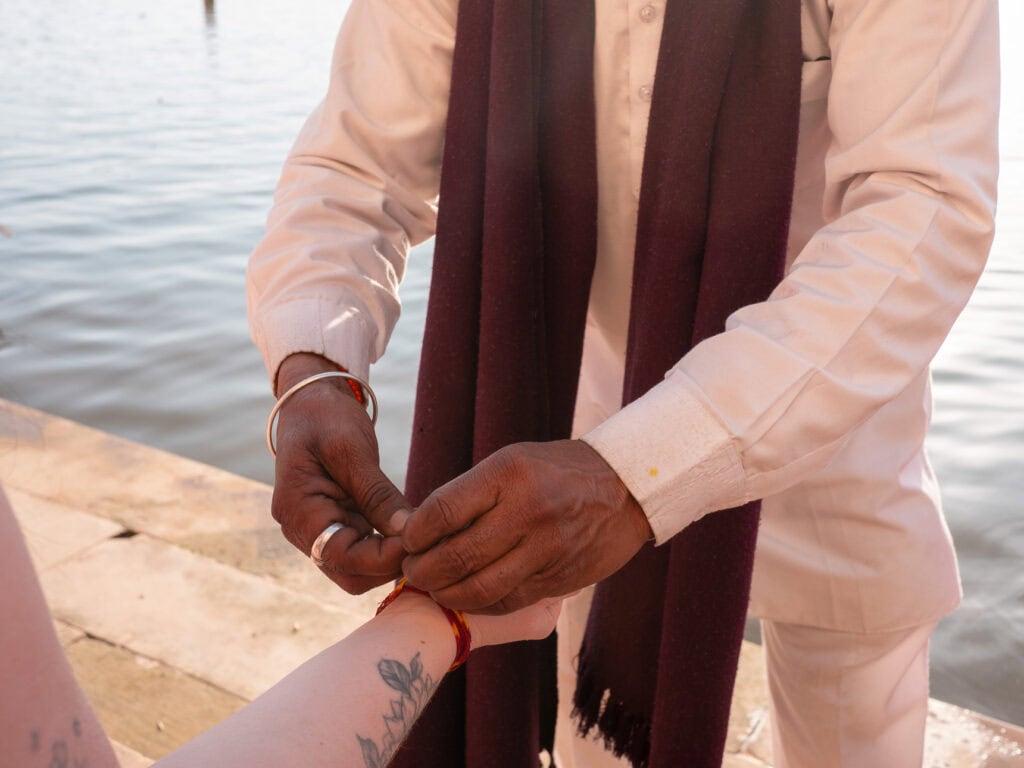
During my tour on my second trip, we had a Brahmin blessing in Pushkar included in our itinerary to experience the genuine ritual with an actual priest on the lakefront, and he gave us our red threaded bracelet known as a “Pushkar Passport” which signals to the scammers that you’re not going to fall for their ploy.
Here are some other common scams to be aware of:
Fake hotel listings
This scam needs its own section because it actually shocked me how much of an issue it is in Delhi, I hadn’t seen anything about it until I was looking for an airport hotel for my late night arrival and almost got scammed myself.
Luckily I realised what was happening before putting in my credit card details, but landing in the middle of the night and turning up to a dodgy hotel as a woman travelling alone (after my arrival night issue on my first trip) would’ve been enough to make me go back to the airport and leave immediately.
Fake hotel listings on booking.com and other platforms pop up like mushrooms, as in hundreds of fraudulent properties appearing every single week to replace the ones that were removed the week before. It’s WILD.
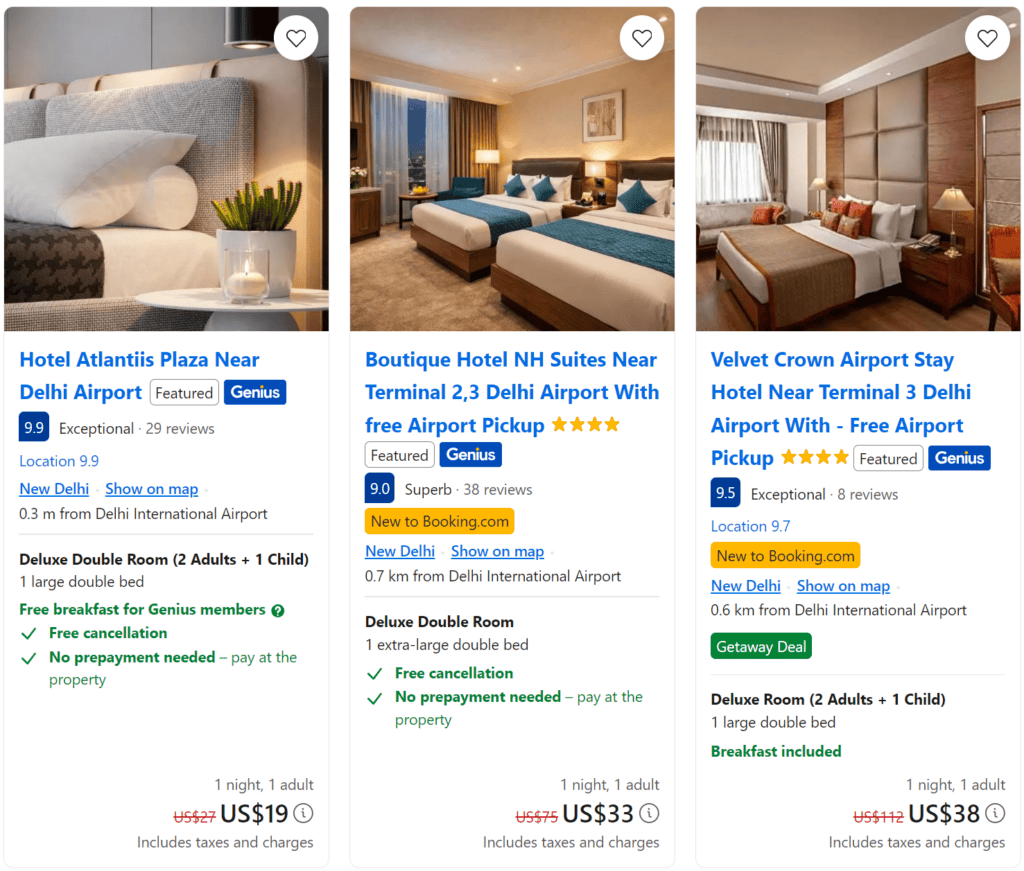
The scam is to convince you you’re getting a brilliant deal for a top-rated hotel in a safe area, take your money, then when you arrive you find out it’s nothing at all like the photos, it’s in a completely different location to where it was pinned on the map, the hotel you booked is full so they have to give you a room at another hotel, or the hotel doesn’t exist at all.
The red flags to watch out for are:
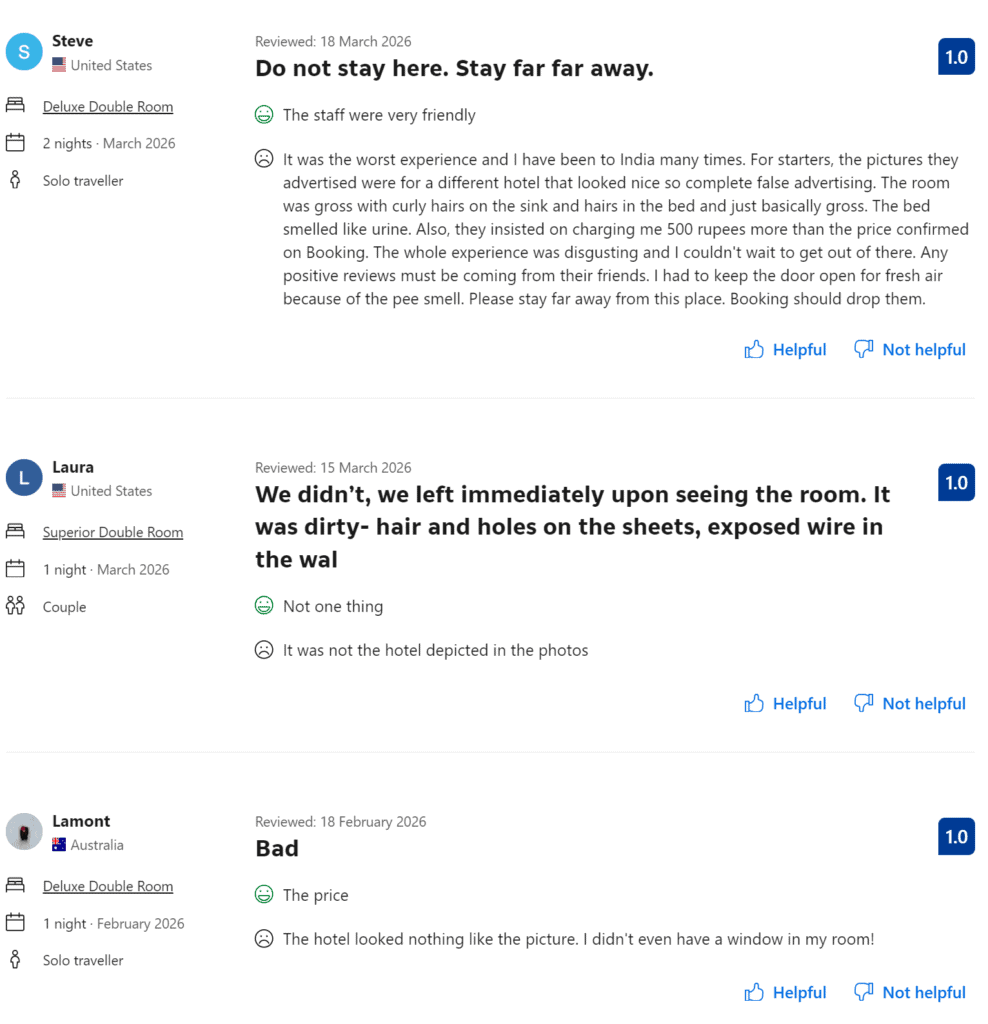
And some tips to protect yourself:
This scam does seem to be mostly localised to Delhi, and specifically around the airport/Aerocity/Mahipalpur areas, but these tips are all good habits to get into when booking accommodation anywhere.
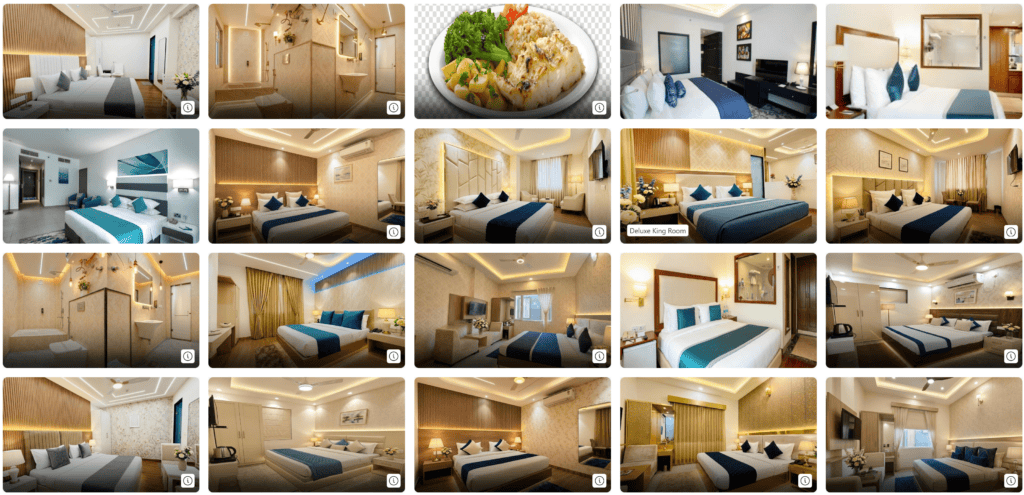
And if you are looking for a Delhi airport hotel as a solo female traveller, let me share the results of my hours of research to save you time and stress:
Food safety
The first thing to know here is that not every case of “Delhi Belly” is actually food poisoning, a lot of dodgy stomach situations might just be your digestive system reacting to levels of oil, spices and chilli it’s never seen before. Still painful and inconvenient to deal, but a gurgling gut doesn’t necessarily mean you’ve ingested a parasite 🦠
That said, food and waterborne illness is still a real risk and you need to take it seriously.
Tummy issues aren’t any more likely to happen to solo travellers than couples or groups of friends, but if you do get sick when you’re travelling alone, you won’t have anyone to run out and get water, plain rice or medication for you. But on the plus side you get the bathroom all to yourself, so you win some, you lose some 🤷🏼♀️
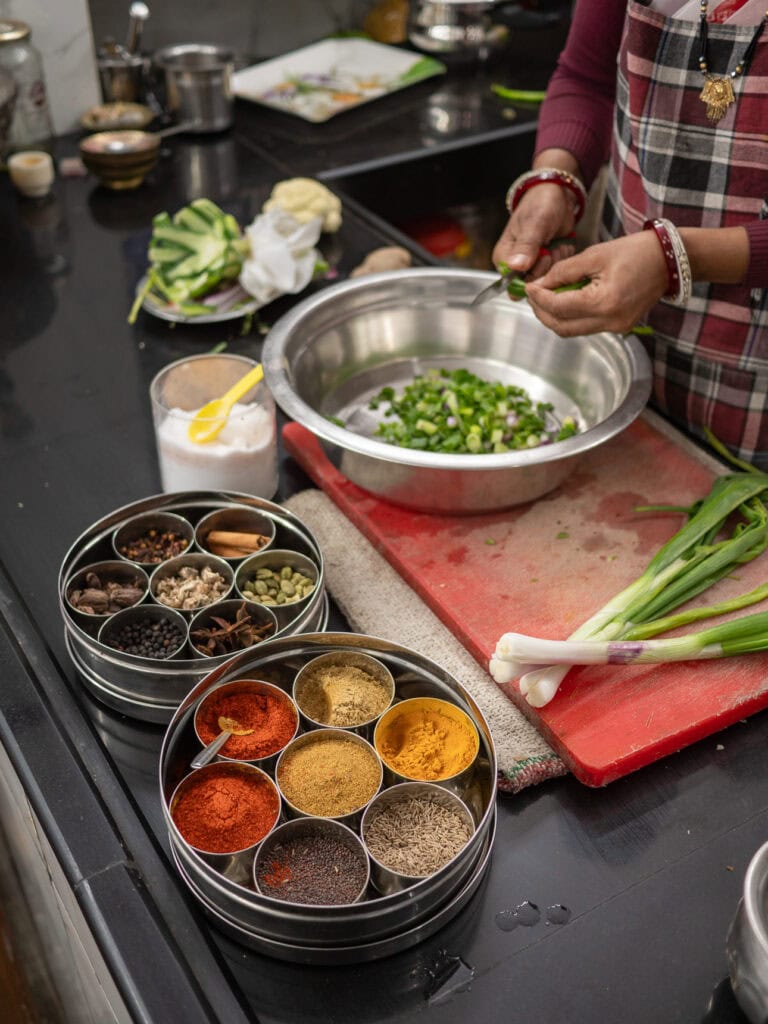
These are the golden rules to minimise the risk:
One tip from my last trip: Swiggy is India’s version of UberEats, available in most cities, so if you do find yourself confined to your hotel room you’ll always be able to order plain rice and bottled water through that.
Health concerns & medical care
There are other health-related things to be aware of beyond just what you eat and drink.
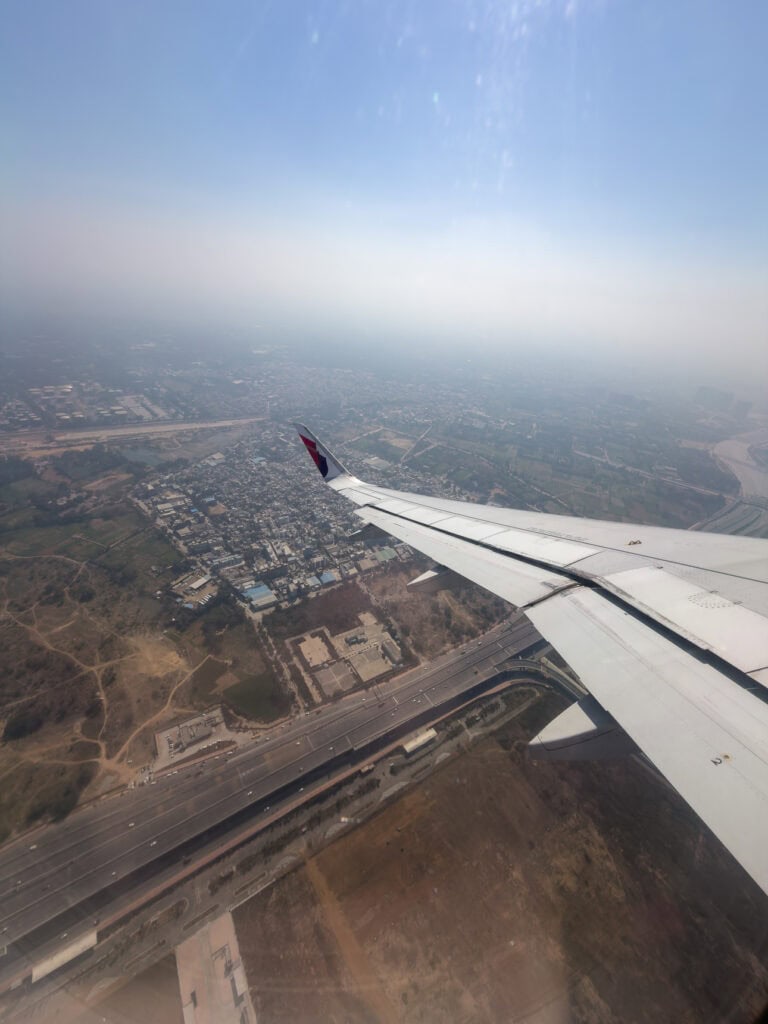
Air quality is a big one, particularly in North India during winter (October to February). Nine spots in the top 20 most polluted places in the world in 2025 were in India 🤯 and you can feel it in your throat and lungs, especially in Delhi and Agra.
N95 masks are the easiest form of protection, and try to limit your time outside if the air quality is particularly bad.
Some other things to be aware of:
Road safety
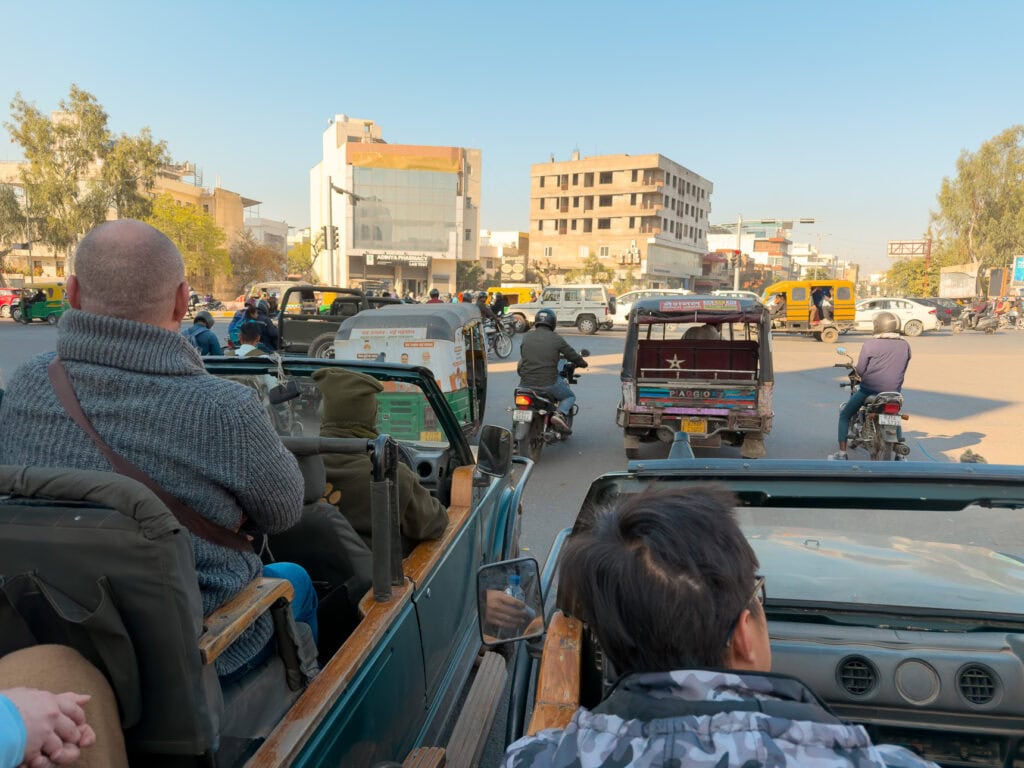
India’s roads are nothing short of terrifying.
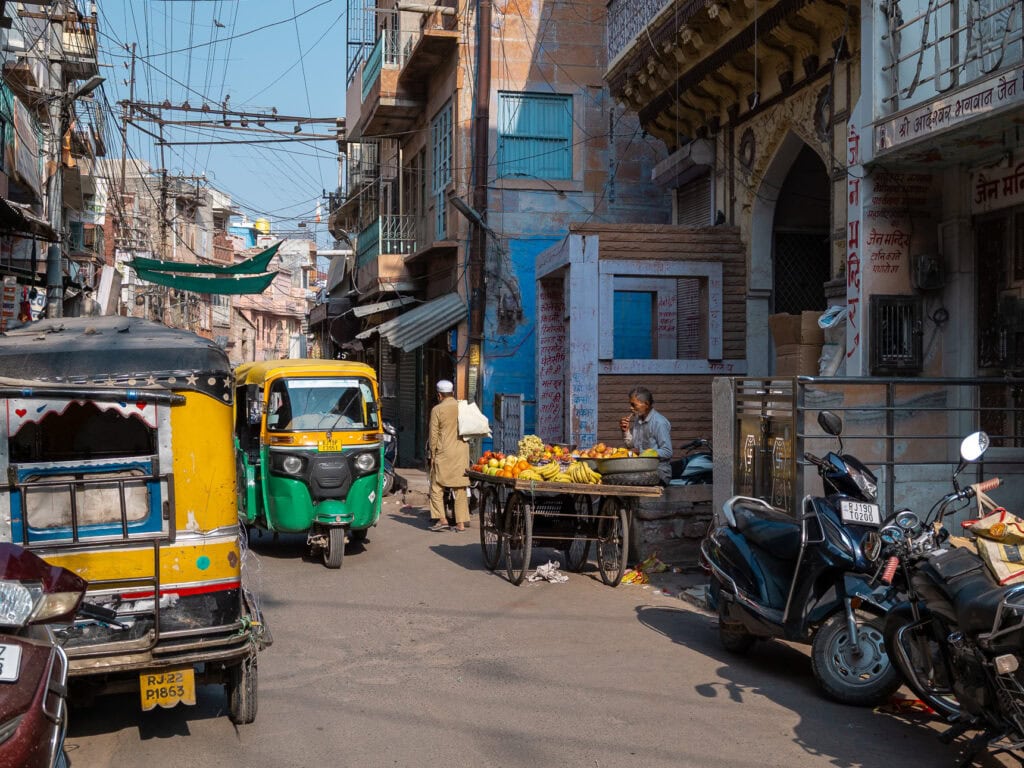
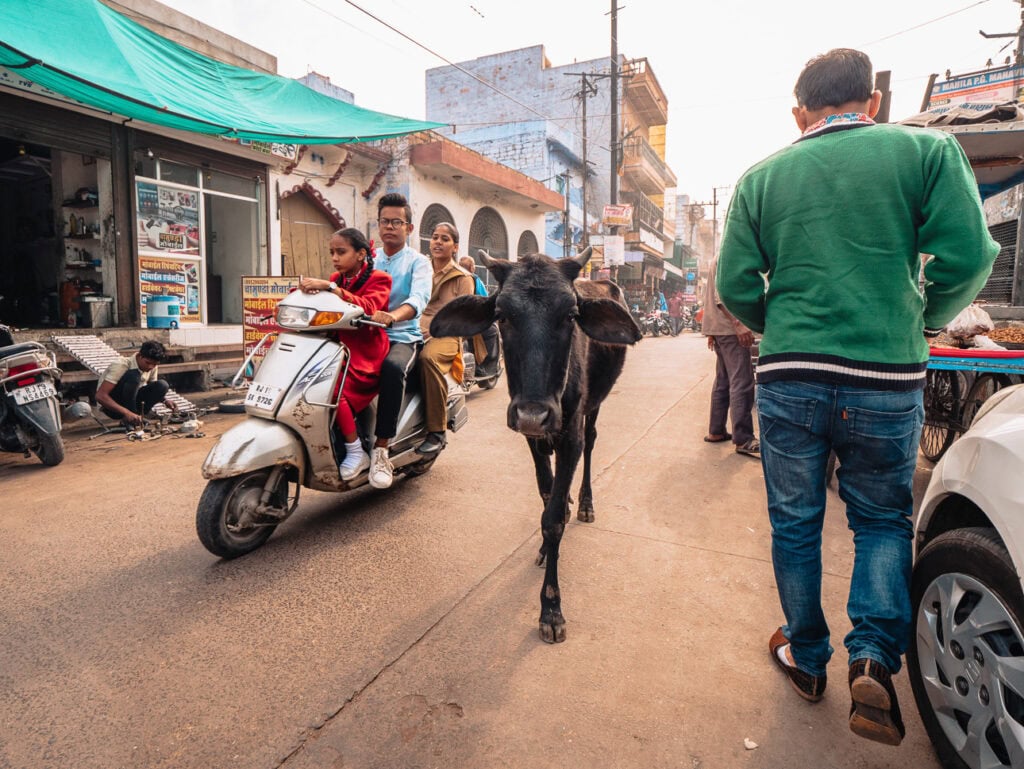
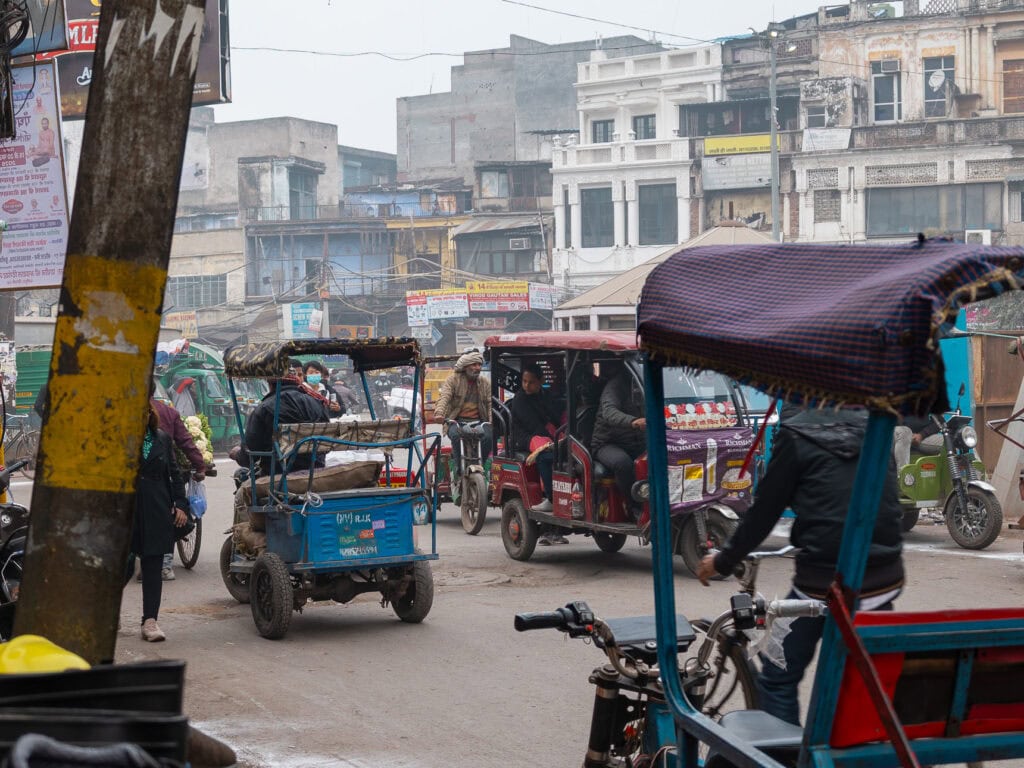
Lanes are merely suggestions, indicators are used sparingly if at all, vehicles share the highways with dogs and cows, and drivers honk their horns so relentlessly that I swear I heard phantom honking for days after I’d left 🫠
Always wear a seatbelt when one’s available, ask your Uber/taxi/tuktuk driver to slow down if you feel unsafe, and if you’re hiring a private driver, book through a reputable company with lots of reviews (I can personally vouch for Kalka Travels).
If you’re a pedestrian needing to cross a road, the most important thing is to be confident and commit! Put your hand out, make eye contact and walk steadily. Drivers will go around you if they can predict your pace, if you hesitate that’s what’ll cause confusion.
Safety around animals
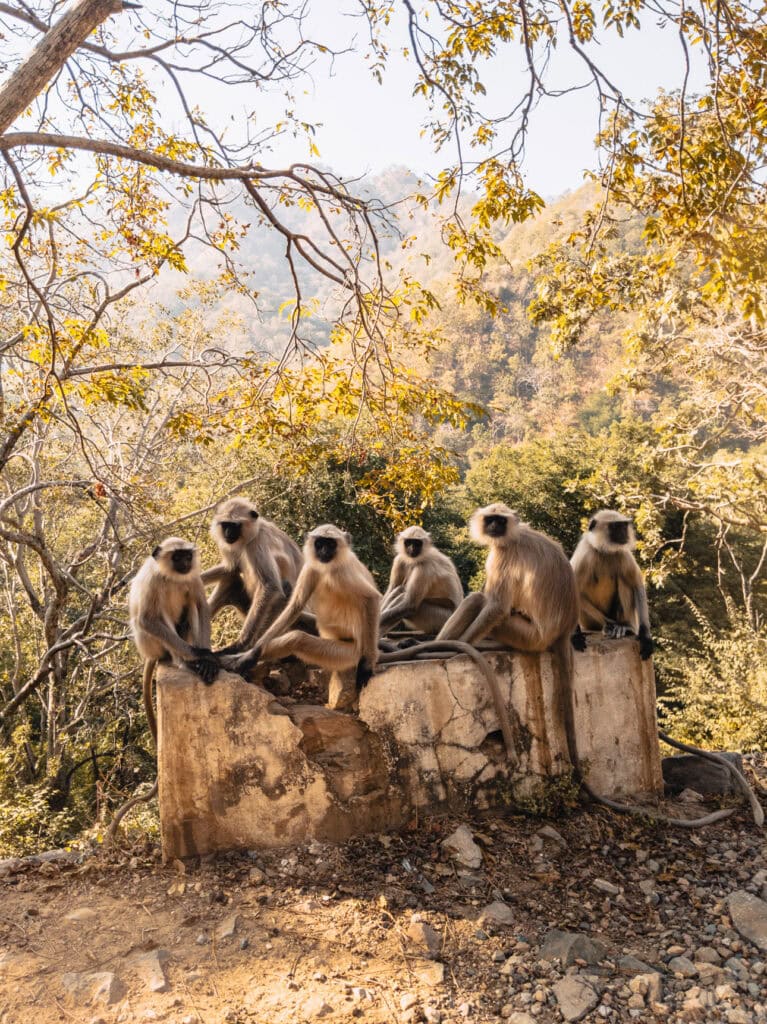
You’ll encounter a lot of animals roaming the streets in India, like dogs, cats, cows, monkeys, camels, even the odd elephant.
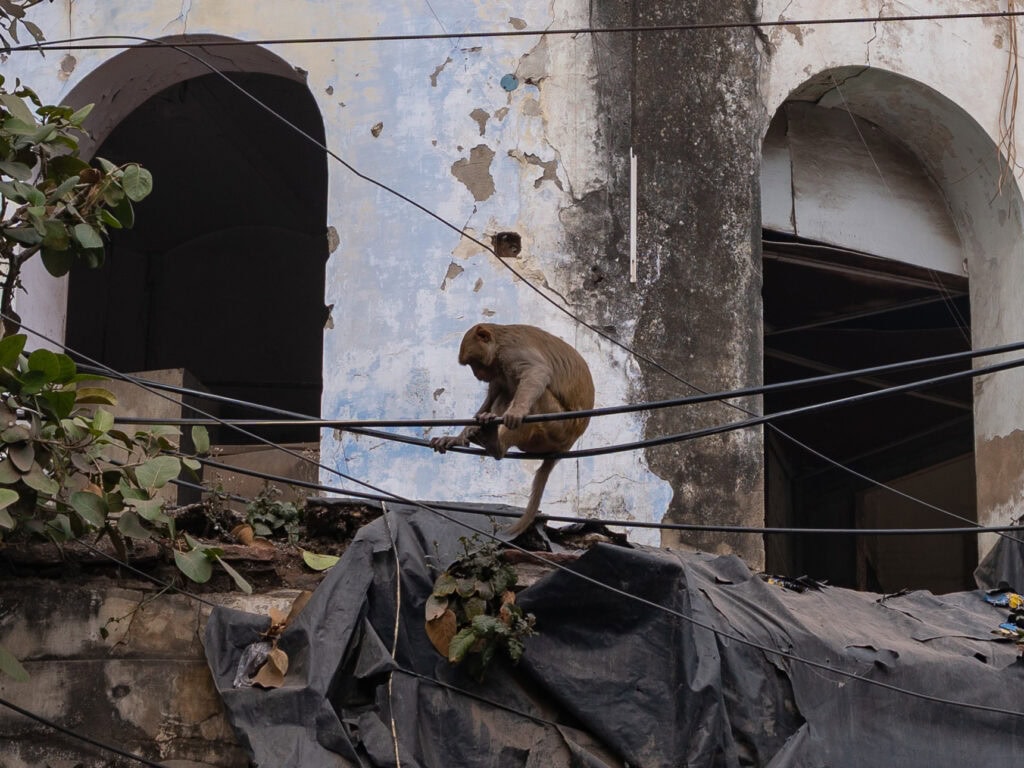
Most are so used to the constant noise and movement of humans and vehicles that they barely react to what’s going on around them, but there are a few things to keep in mind to stay safe:
The conditions that many animals live in are so dire, if you’re an animal lover then be prepared for this to hurt your soul.
Geotagging on social media & dating apps
One rule I live by as a solo female traveller is to never share my current location online, and that goes for both social media and dating apps.
Geotagging a place on Instagram Stories with a public profile means it can get pushed out to anyone browsing that location, so literally thousands of men could see it and all it takes is one creep with too much time on his hands to decide to go looking for you.
If you’ve shared things in real-time, tagged your hotel or uploaded from the same day showing what you’re wearing, that could be scarily easy.
Only share locations once you’ve moved from a destination, ideally once you’ve left the city but at the very least after you’ve left the landmark, restaurant or checked out of the hotel.
Dating apps are another one to think about in India, the same pervasive patriarchal attitudes around entitlement to women’s attention that fuel street harassment can extend into digital spaces too.
It’s not uncommon for men to bypass the app entirely and seek you out on other platforms if you’ve got a unique name, your employer, your social media handles or any other identifying features on your dating profile. Deactivate before you land in India, or at a minimum remove anything that makes you easily searchable.
Regional conflicts & political activity
This one is mostly a non-issue if you’re sticking to the typical tourist trail of the Golden Triangle and Rajasthan in the north, or Goa, Kerala and Tamil Nadu in the south, but if you’re looking to go beyond the beaten track then it’s best to check your government travel advisory for up to date info.
Cultural norms that impact solo female travellers in India
India’s home to a myriad of different cultures, and norms around gender, personal space, religion and social interaction can vary hugely from the north to the south, big cities to rural communities, and even from one neighbourhood to another.
Remember the discomfort ≠ danger thing I mentioned in the safety section? This is the discomfort side, things that aren’t inherently dangerous but that might catch you off guard, intimidate you or put you in an awkward position if you’re not expecting it.
The best thing you can do is to observe what’s going on around you and adapt your behaviour/clothing/communication to align, but here are some of the cultural norms that are most likely to affect your experience as a solo female traveller.
Getting stared at
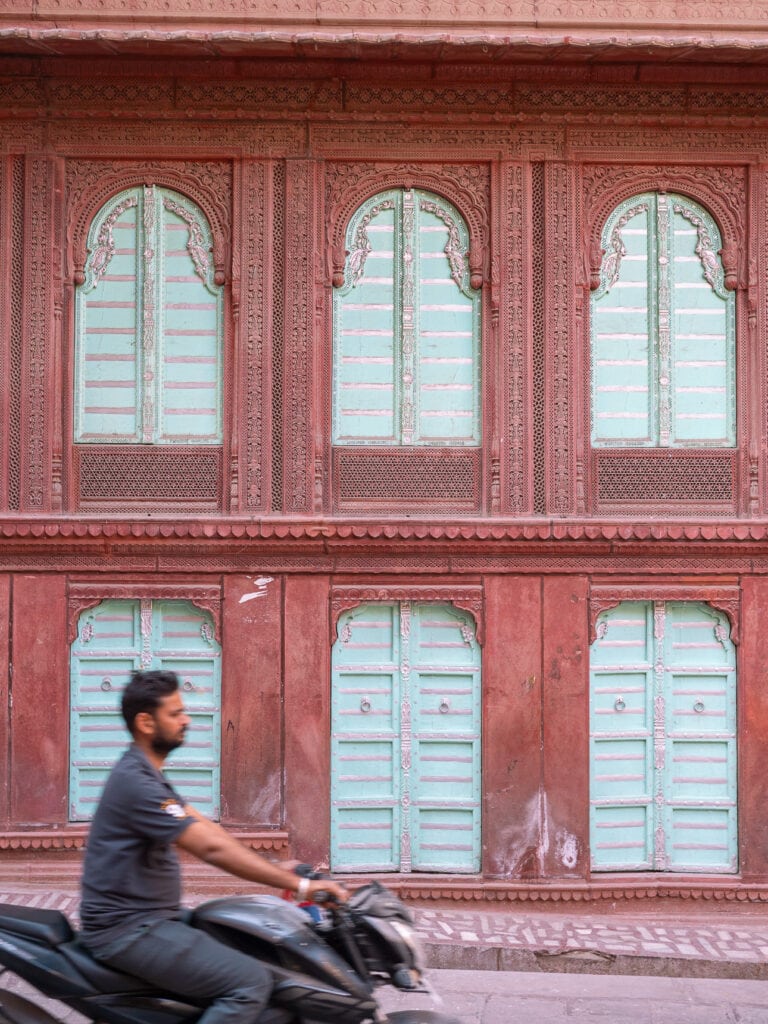
If you look visibly foreign, you’re going to be stared at, and there’s truly nothing you can do to stop it completely. And I don’t mean the occasional side eye, I mean full-on, prolonged, unbroken eye contact from men, women, kids, sometimes entire families at the same time, even little old ladies.
It can feel icky because staring is considered rude in many countries, and intense staring (from anyone old enough to know better) can be seen as a sign of aggression, intimidation or judgement.
In India on the other hand it’s just totally normal, socially acceptable and almost always stems from curiosity rather than malice. Once you consider that you might be the most interesting thing someone’s seen all day/week/ever, it’s a bit easier to brush off and ignore.
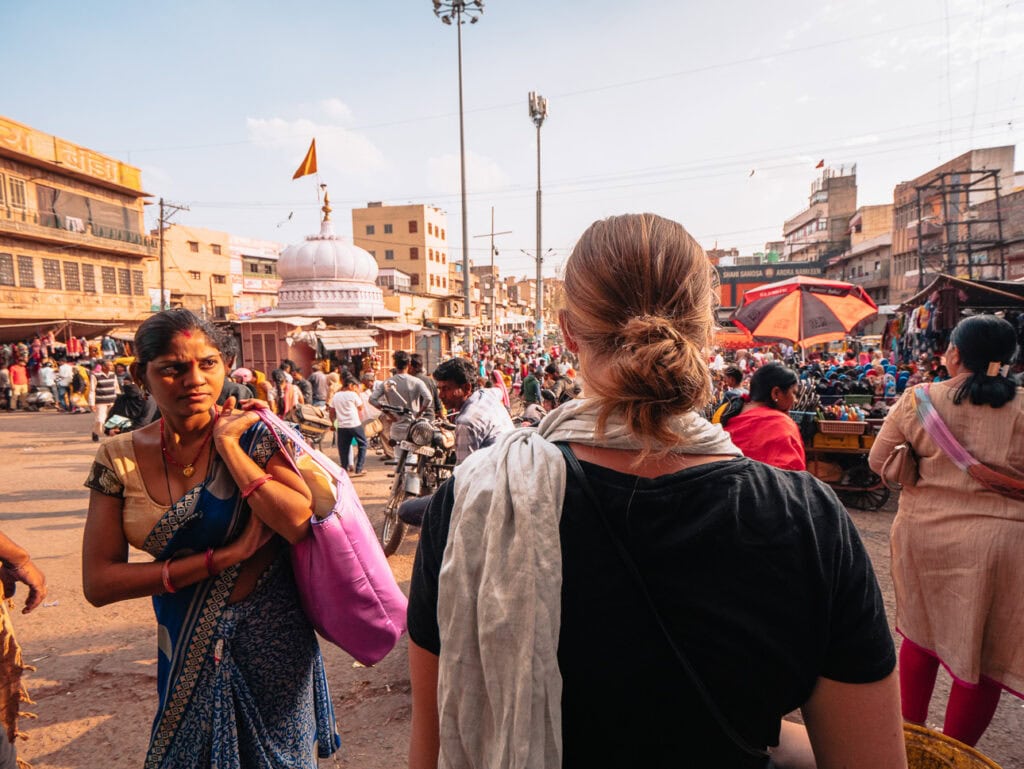
You can’t stop people from staring at you but there are some things that make it easier to deal with:
If anyone staring at you is making you feel threatened, remove yourself from the situation immediately and get somewhere safe, ideally somewhere with local women, tour guides or other travellers (like a hotel or touristy restaurant) where you can take a breath and let your nervous system calm down before heading back out.
Requests for photos
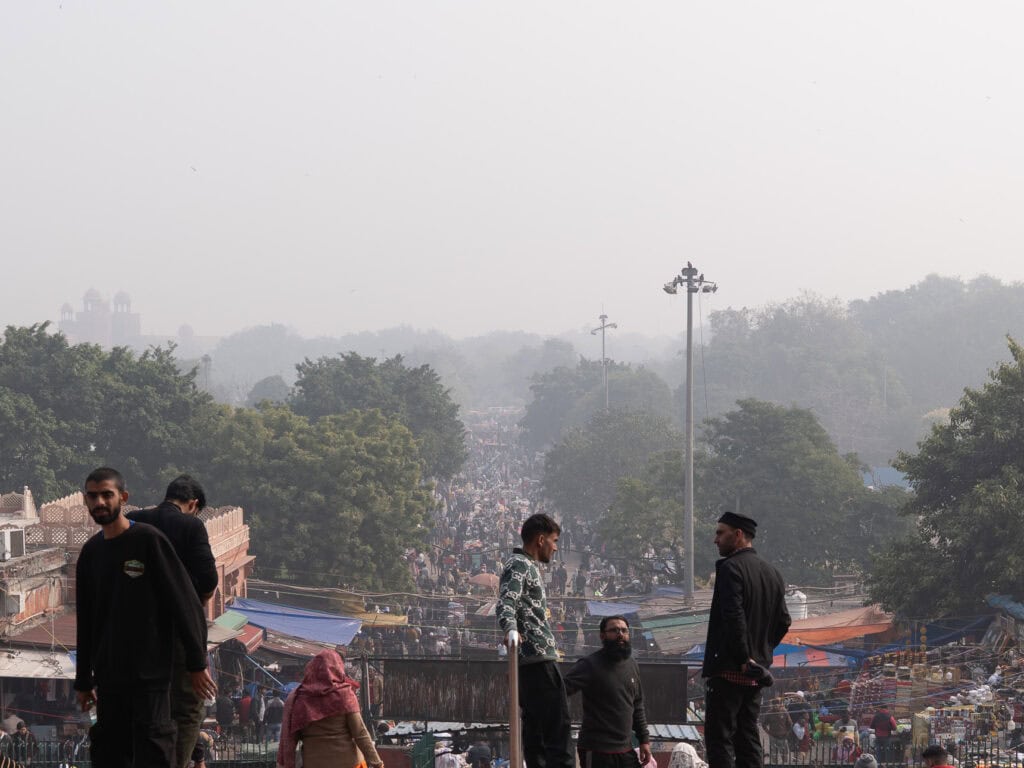
Getting asked for photos is something most obviously foreign travellers will experience in India, particularly at major landmarks with domestic tourists who have minimal exposure to non-Indians in their daily life. To some people, you’re basically a celebrity!
If you’ve got light skin, light hair or light eyes then you’ll get even more attention, there’s a deep cultural admiration and fascination with fairer features (another product of colonisation), and for locals from outside of the urban centres, having proof that they’ve met you is a big deal.
Like the staring, the vast majority of photo requests will be harmless and well-intentioned, but how people choose to go about it varies wildly and this is what can make it so uncomfortable.
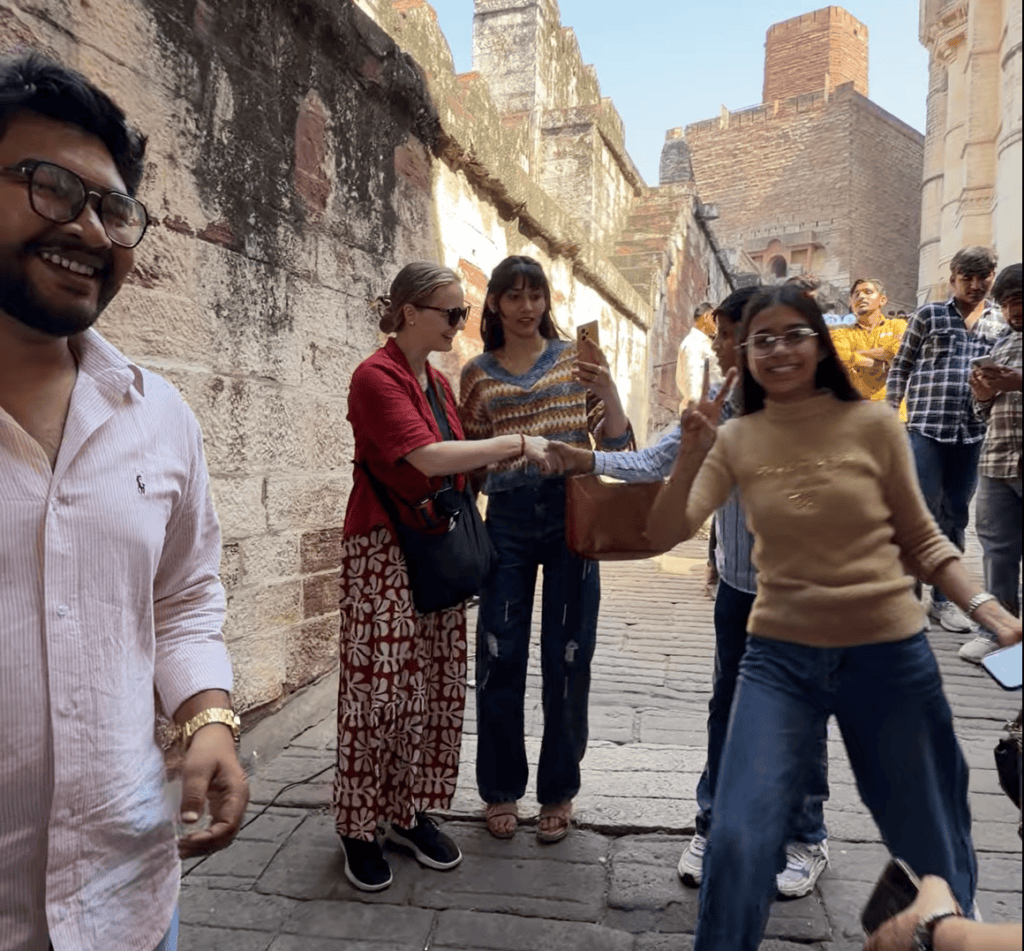
You might get a family asking politely, a group of school kids excitedly running up to you, teenage boys interrupting your conversation with someone, a shy girl sneaking a photo of you behind a pillar, or a guy physically blocking your path to take a selfie with you without asking at all.
Some people might be happy for a group shot, some want one per family member, and I’ve even had babies handed to me while the mum stands next to me and the dad takes the photo, more than once!
The funniest request I’ve had was at an outlet mall in the middle of nowhere where our bus had stopped for a toilet break, clearly somewhere tourists wouldn’t normally go, and two old ladies dressed in the most beautiful traditional outfits jingled their way across the carpark to ask my tour guide to take a photo of the three of us, with his phone 😂 he explained that if he took it on his phone then they wouldn’t have the photo, they looked disappointed and rushed off to get one of their sons.
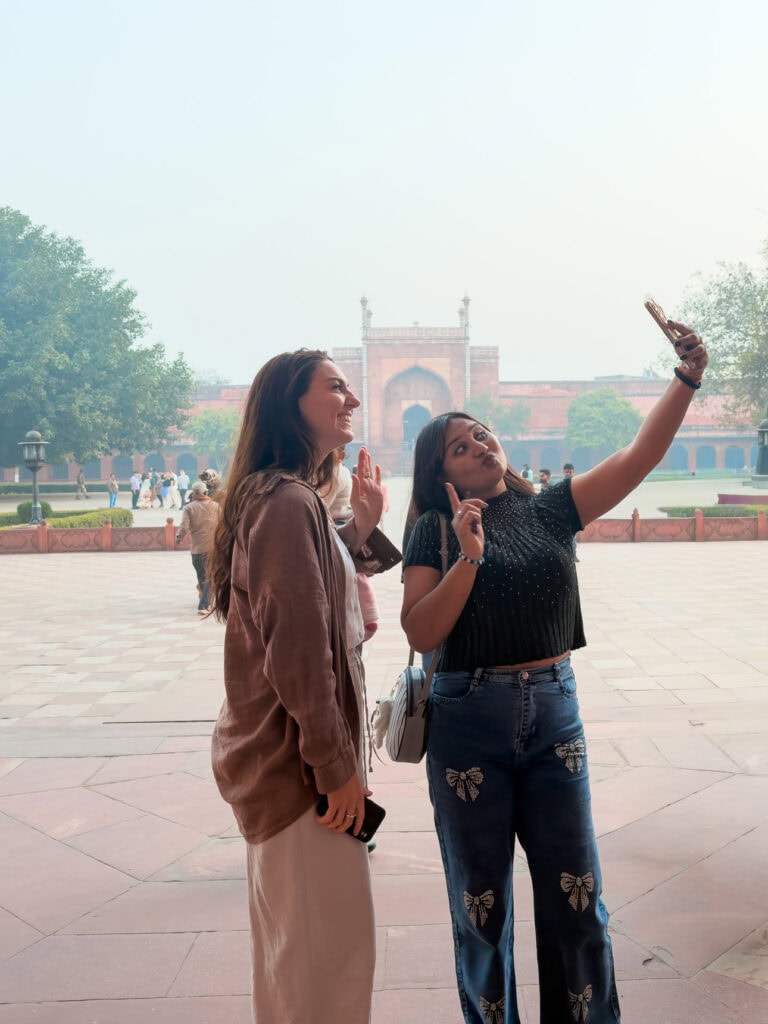
They came back 15 minutes later and one wrapped her arms around me while the other one squished my cheeks like I was a baby haha safe to say they were excited.
Whether you agree to photos or not is totally up to you. If it weirds you out too much then you’re well within your right to say no, but if the approach was respectful and you feel comfortable around the person/people then chances are you’ll be the highlight of their day.
Personally I’ll always say yes to girls and women, and if boys/men ask me politely in a public space with other tourists around I’ll usually agree if I’ve got time.
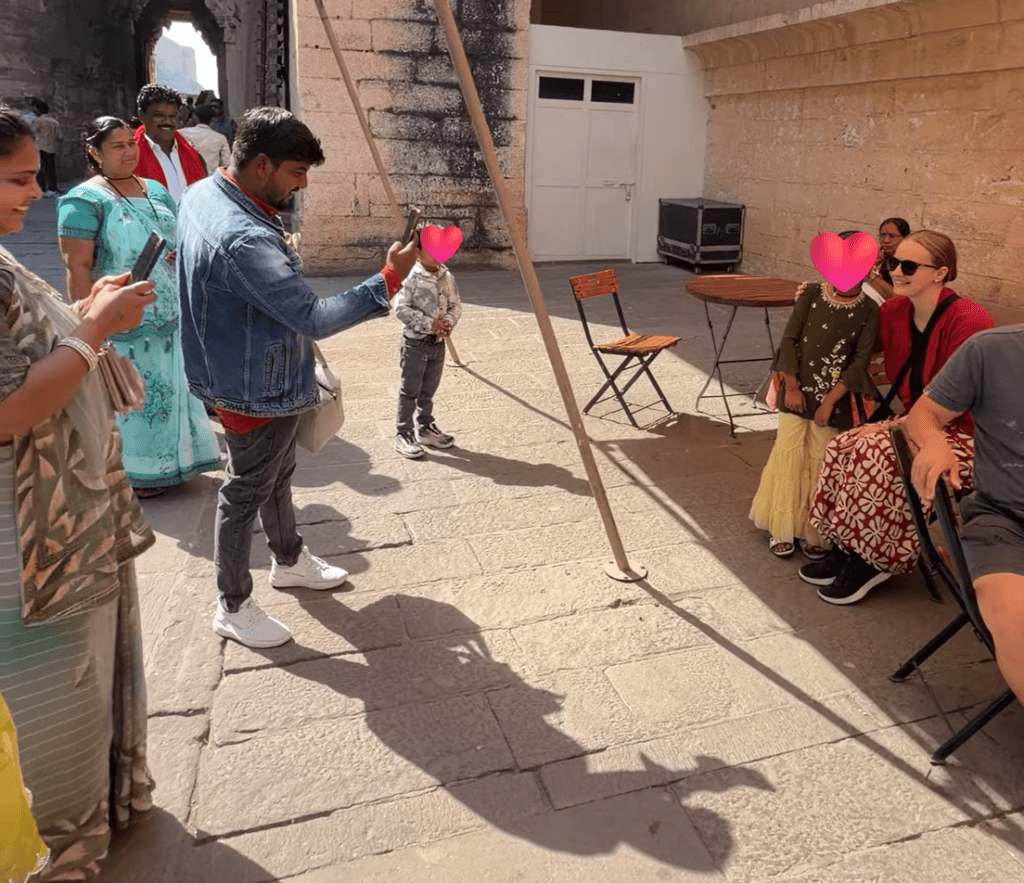
Joining a group tour or booking a local guide won’t stop the photo requests entirely but it will dampen them and they’ll feel less intimidating, solo travellers are definitely approached more often and you’ll notice the difference even if you ditch your group temporarily for a solo wander.
Fair warning though, it can snowball 🙃 Say yes to one family and other groups might notice and want to try their luck too, next thing you know you’ve got a queue of strangers waiting patiently for their turn to catch you on camera. Keep that in mind if you’re short on time!
If you decline then you do need to be firm and assertive, if you’re too polite with your rejection then it can be interpreted as just playing hard to get and it’s not uncommon for teenage boys/young men to follow you around and pester you until you say yes or shut it down properly. Don’t feel bad about being blunt.
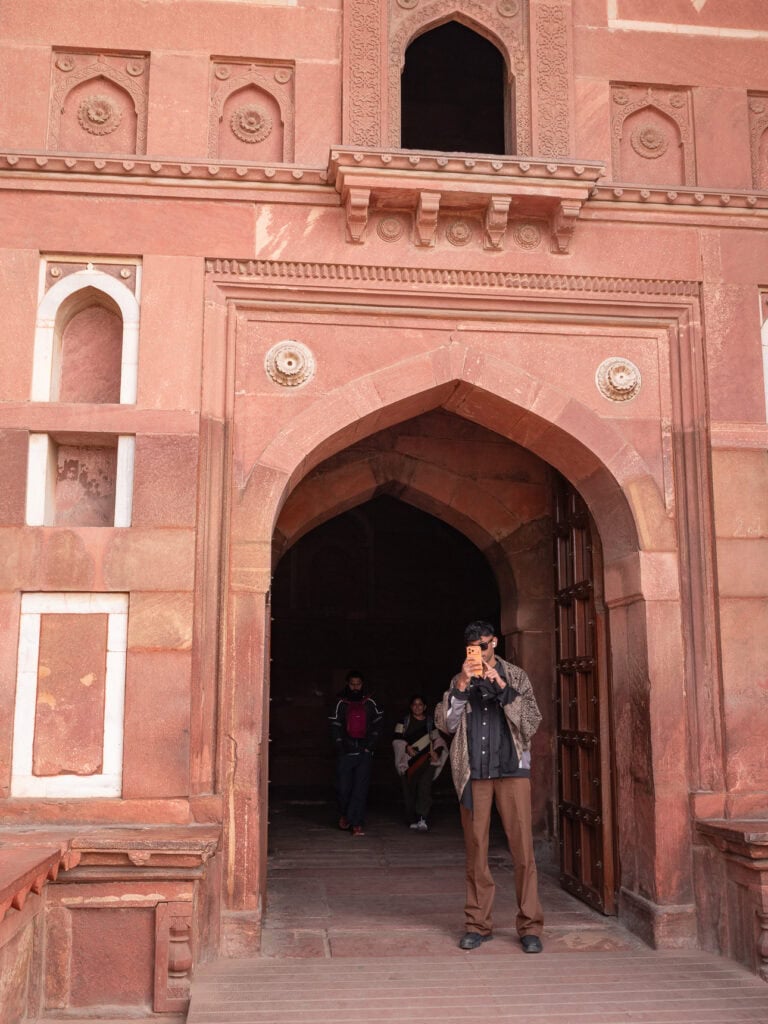
On a more serious note, I mentioned earlier that one of my friends was taking a photo with a group of young guys and one of them intentionally grabbed her ass, which is sexual harassment. Situations like this come down to creeps taking advantage of close physical proximity, feeling entitled to women’s bodies and thinking that they can do what they want without consequences, and it’s completely unacceptable regardless of cultural norms.
I’m not telling you that to scare you out of agreeing to photos with anyone, and I haven’t personally experienced any physical harassment during my many photo sessions with local men of all ages, but it’s worth keeping in mind that any close contact environments (crowds, public transport, group photos) are where opportunistic predators are most likely to try their luck.
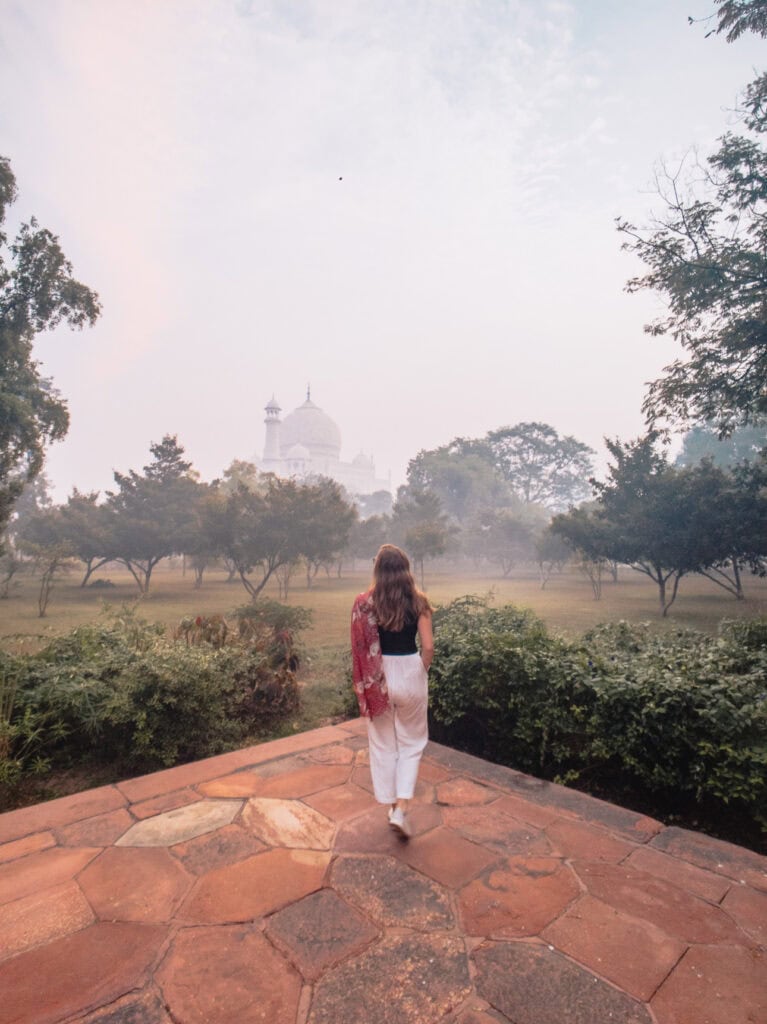
Dining solo in India
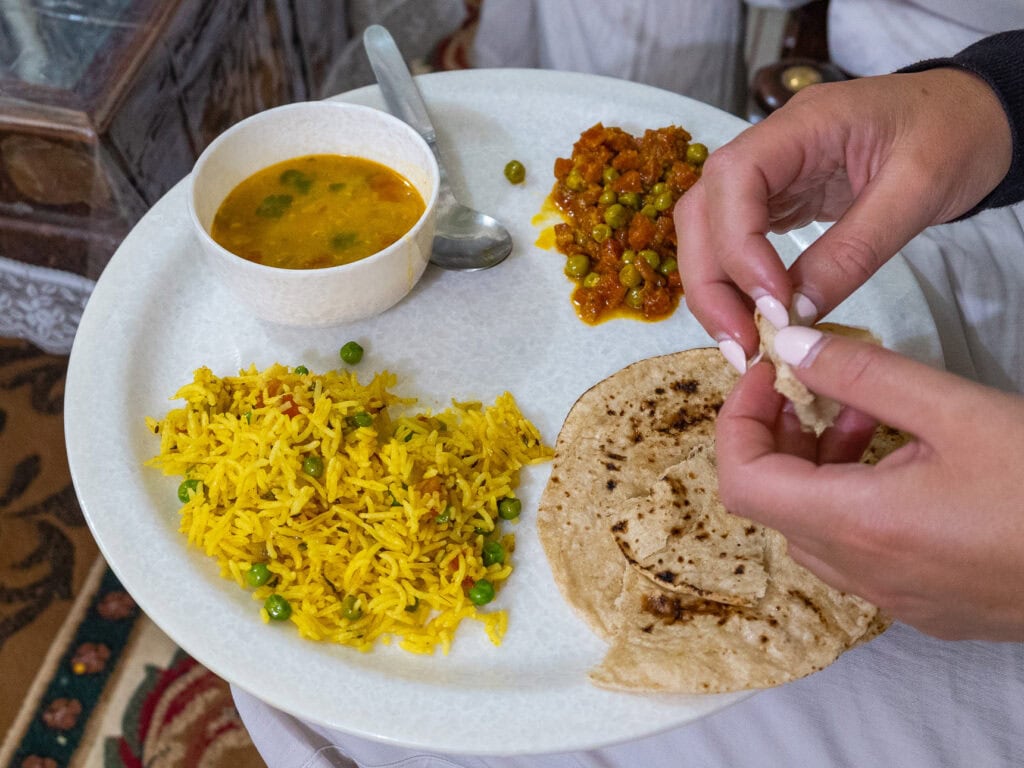
Eating alone in India definitely comes with its own set of cultural quirks, but the food is way too good to hide in the back corner of your hotel restaurant every night!
Meals are a communal thing here and seeing local women dining solo outside of business districts or student hubs is pretty rare, so sitting down at a table for one might earn you some confused looks.
Here are a few ways to make solo dining less scary:
What to wear in India as a solo female traveller
What you should pack for your India trip will really depend on where you’re going and when, because contrary to popular belief, the country isn’t always swelteringly hot and humid. Who knew?!
India’s climate ranges from cold winter nights in Delhi and Rajasthan to intense sticky heat in the south during monsoon season, so you’ll need to do a bit of research on the typical weather patterns for your route and dates.
Regardless of the weather though, the biggest consideration as a solo female traveller is modesty.
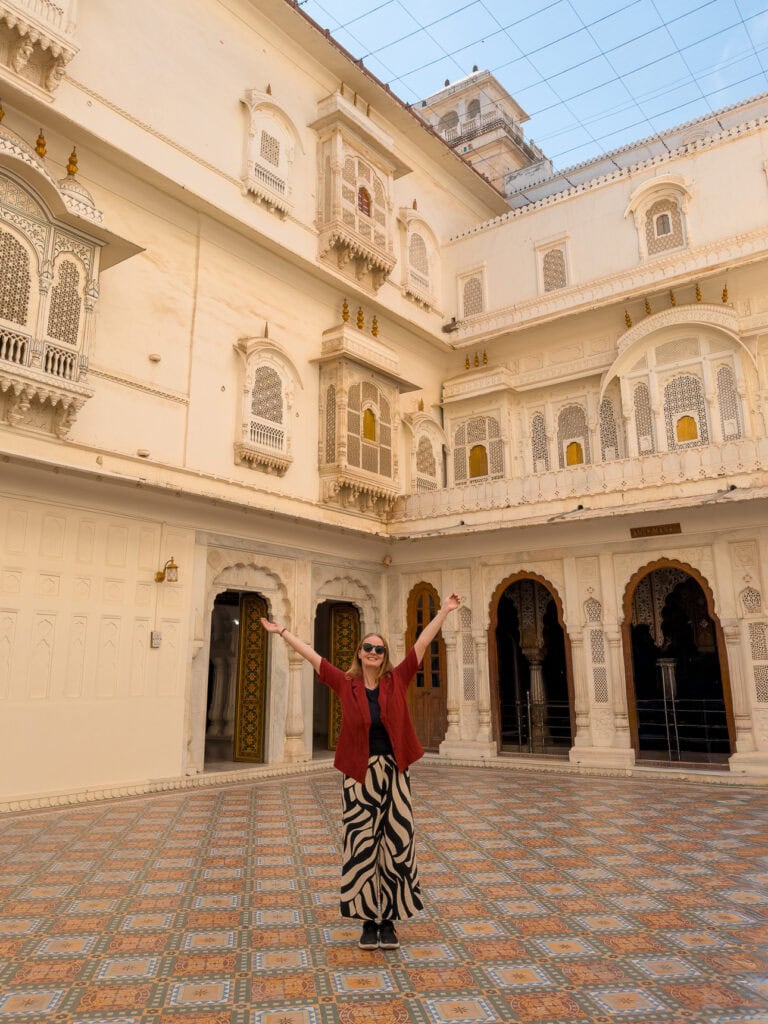
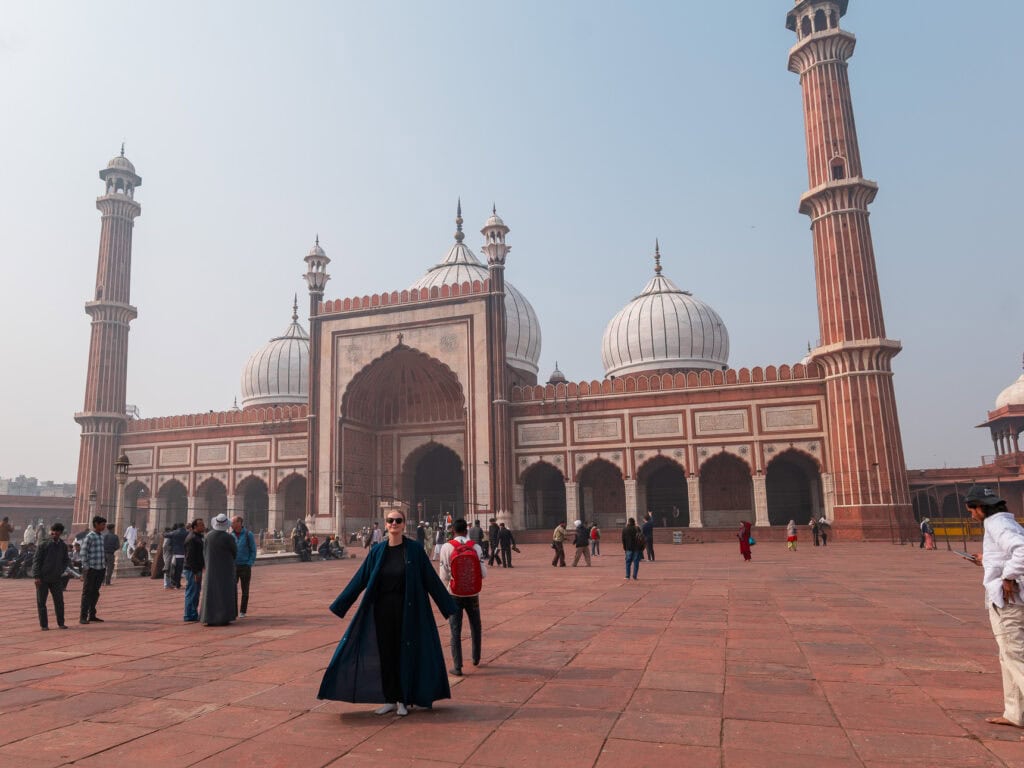
There’s no legal requirement to cover up and in the main tourist spots you’ll see people wearing all sorts of outfits, but keeping your shoulders, cleavage and knees covered with loose-fitting clothes is highly recommended. It shows respect for local culture, it reduces unwanted attention, and many temples and religious sites mandate it anyway.
What’s considered appropriate also varies depending on where you are, with rural communities or holy towns like Varanasi and Pushkar requiring a more conservative approach for a comfortable visit, compared to modern urban centres or beach hubs.
Here’s what I’d recommend based on my trips:
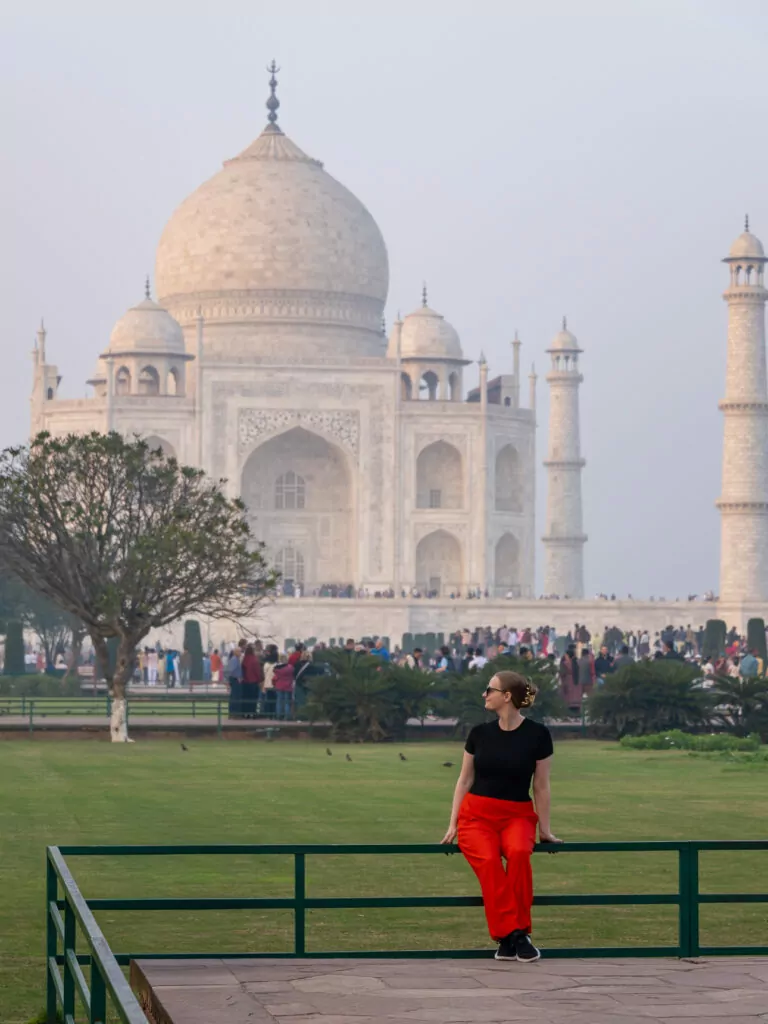
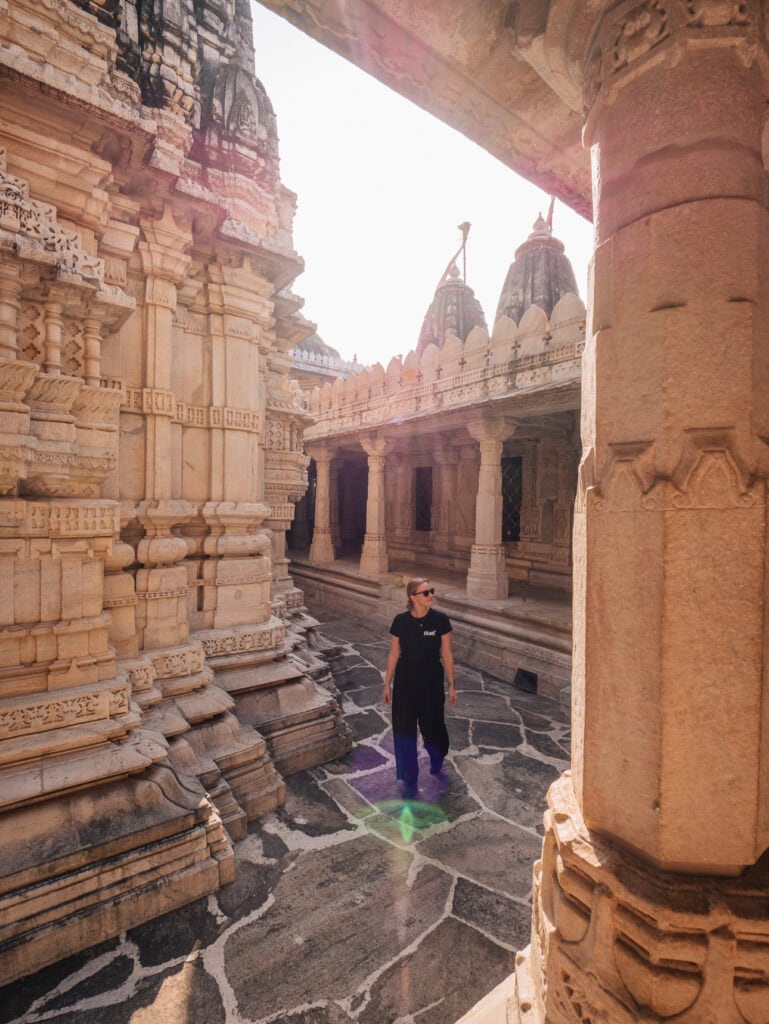
For religious sites, rules vary by religion and the specific location you’re visiting:
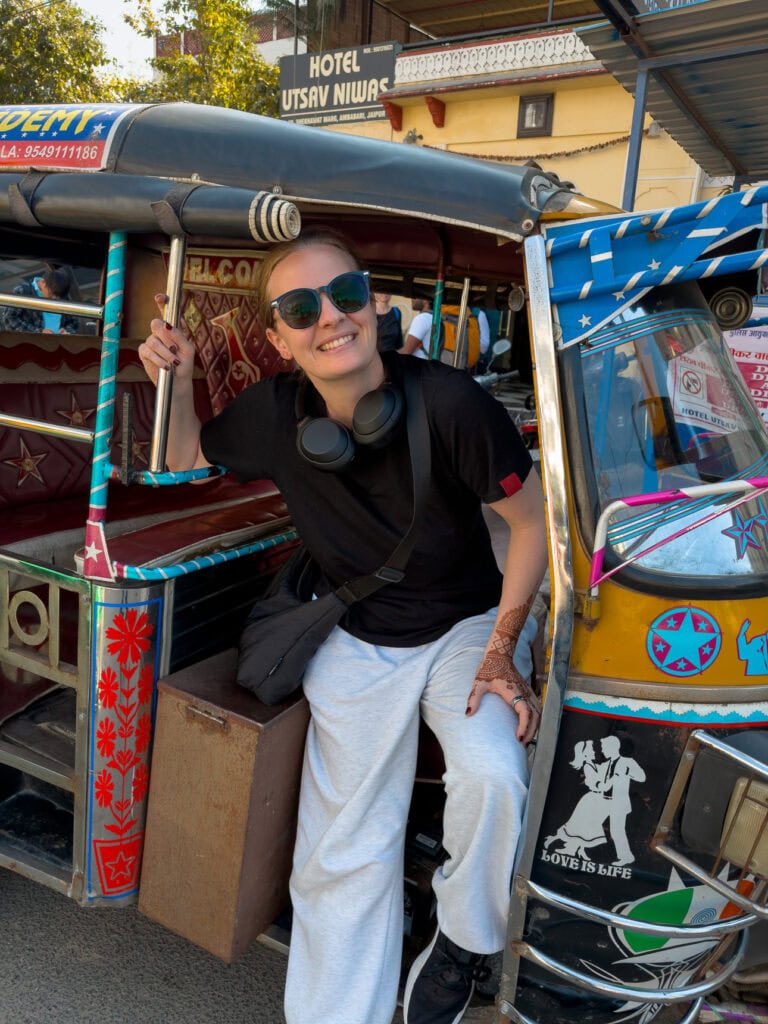
You definitely don’t need to go out and buy a full India-specific wardrobe before you fly, a capsule suitcase of loose, breathable basics and a scarf will cover 90% of situations.
Planning a solo trip to India
India takes a bit more logistical planning than most solo travel destinations, here’s what you need to know to get the basics of your trip pieced together.
When to visit India
October to March is by far the best window for comfortable sightseeing throughout India, with pleasant temperatures and dry season across most of the country.
That said, climate varies wildly by region so what to expect will depend on where you’re heading to.
The north can get chillier than you might expect in winter, Delhi and Agra regularly drop below 10°C at night between December and February, so you’ll want a proper jacket for evening exploring or early mornings. Sunny days are dreamy though, t-shirt weather without feeling like you’re cooking from the inside out.
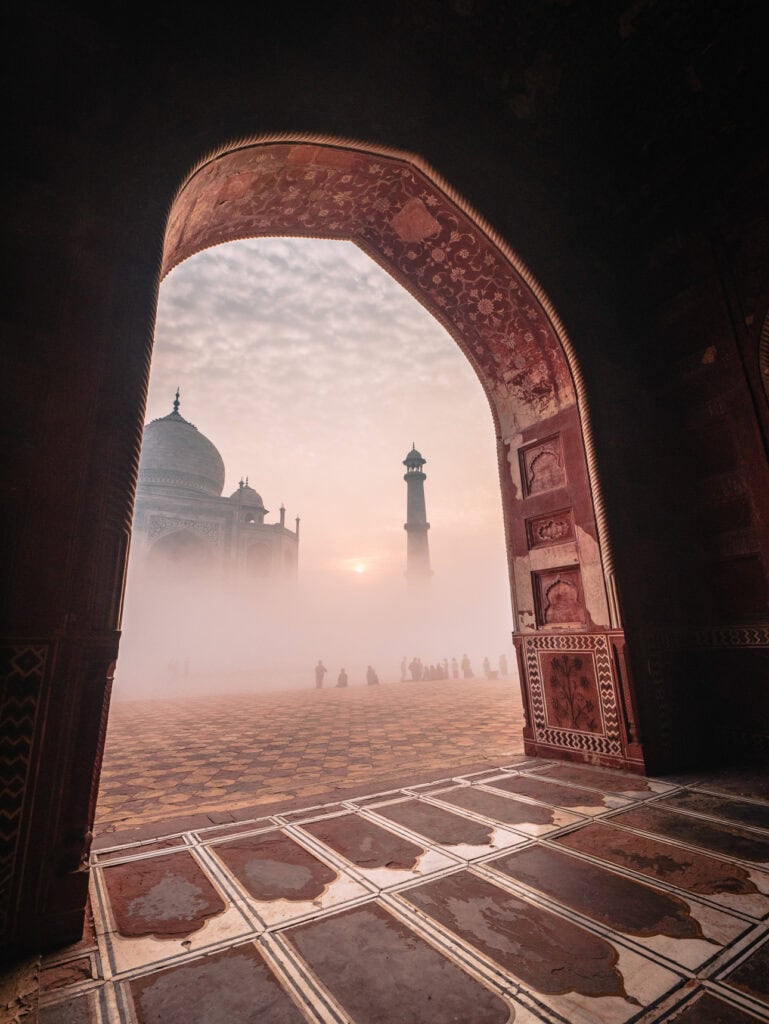
The south on the other hand stays warm year-round, with coastal spots like Goa and Kerala sitting between 20-30°C during those same months.
April to June is peak summer and most of the country is oppressively hot, with temps exceeding 40°C in the north and unbearable humidity in the south. Unless you thrive in extreme heat, give these months a miss.
Monsoon season (roughly June to September) brings heavy rainfall, flooding and transport disruptions, particularly in July and August. Prices drop and crowds thin out which miiiight sound appealing to bargain hunters, but navigating logistics as a solo traveller becomes significantly more stressful when public transport grinds to a halt and infrastructure starts failing. Rainy season is no joke.
If you’re visiting in October/November cross-check your dates with Diwali to either include the celebration in your plans or work around it to avoid higher prices and crowds, and same goes for Holi (between late February and mid-March).
Getting around as a solo traveller
There are three main ways to explore India and which one suits you best will depend on your budget, your confidence level and how much logistical madness you’re willing to deal with.
Small group tours
Small group tours are my top pick for solo female travellers for a number of reasons:
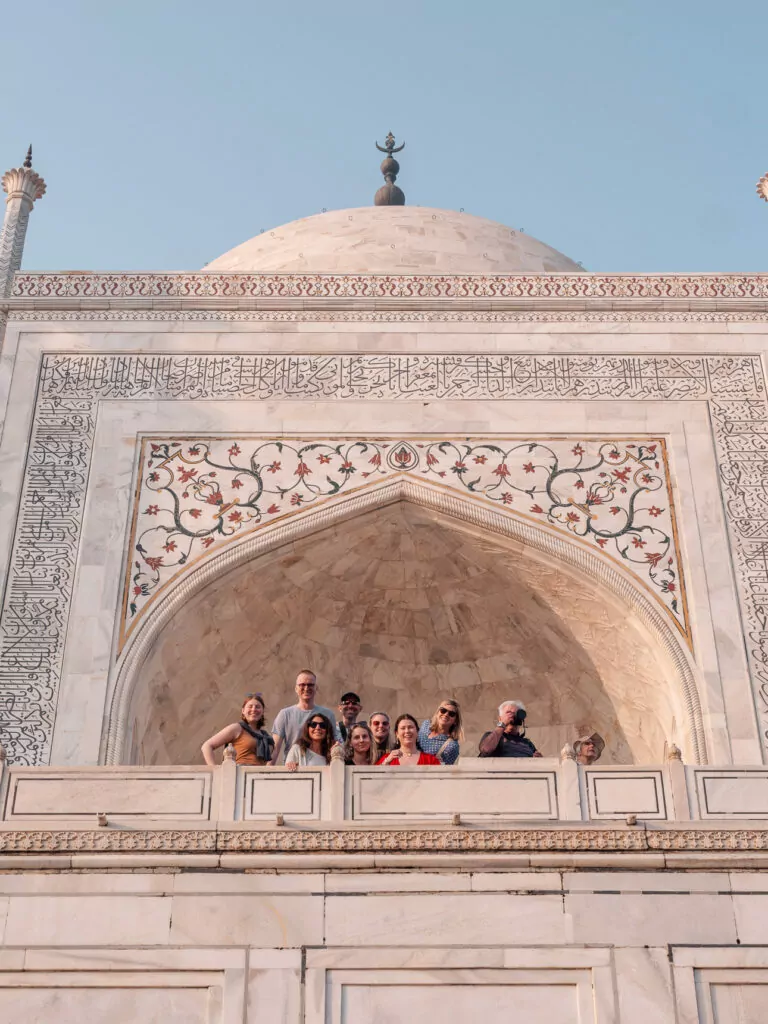
The India Classic tour with One Life Adventures was ideal for me, 12 days covering the Golden Triangle and Rajasthan with a legendary local guide, loads of included activities and a group of mostly solo travellers. Read my full review here and save 10% off your tour (any One Life tour!) when you book direct on their website with the code FINDINGALEXX.
Hiring a private driver
If tours aren’t your vibe or the dates don’t work, hiring a private driver gives you total flexibility without any of the navigational nightmares.
Here’s how it works:
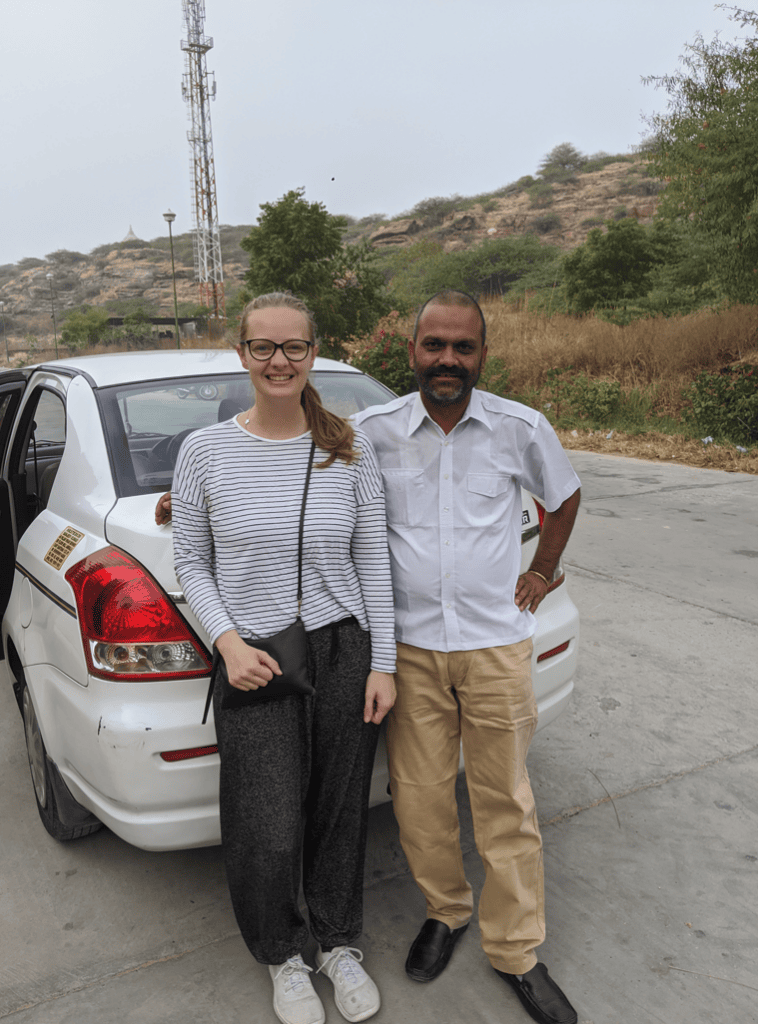
It’s also way more affordable than you might expect, probably among the few countries in the world where a private driver isn’t immediately out of reach for most mid-range solo female travellers.
In 2026 the cheapest cars start from about $35-55USD per day for basic economy sedans, $55-70USD for a ‘comfort’ sedan with more space and better suspension for the potholey roads, and luxury cars will set you back anywhere from $150USD+.
The main trade off with hiring a private driver is that you don’t automatically get the authentic cultural immersion as you would with a good small group tour, it’s often pretty point-to-point and can skip the messy, chaotic, fascinating bits in between that make the country so special.
Local guides or organised day tours in each city can help fill that gap and you can seek out cultural experiences to add to your private driver itinerary too, but finding Bollywood dance classes or street food tours to fit your itinerary takes time and effort, plus I find they’re usually more fun with other people!
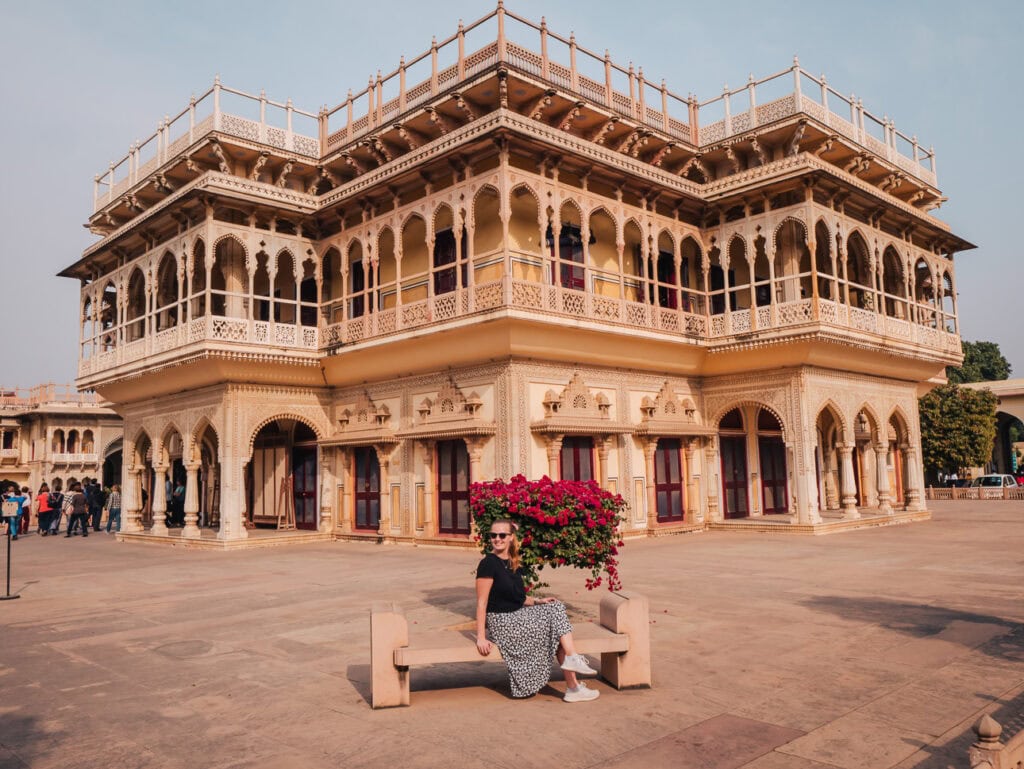
Using public transport
Public transport is the budget option and it’s doable as a solo female traveller, but you need to go in with realistic expectations and a gooood tolerance for unpredictability and discomfort.
Trains are the backbone of long-distance travel in India, connecting popular tourist spots like Delhi and Agra, Ajmer and Udaipur, and Mumbai and Goa. Bookings generally open 60 days in advance and get booked out early, you need to lock in your seats as soon as you confirm your accommodation or you risk having to pay for an expensive one way car journey.
You might have seen those viral videos of thousands of people on a train platform trying to squeeze into a slowly-departing carriage like sardines and vowed to never set foot on an Indian train in your life, but this is a specific class of travel and clearly isn’t recommended for solo female travellers. Avoid unreserved (GN), 2nd class (2S) or the basic Sleeper Class (SL), they have no air con and openable windows which means loads of dirt and dust.
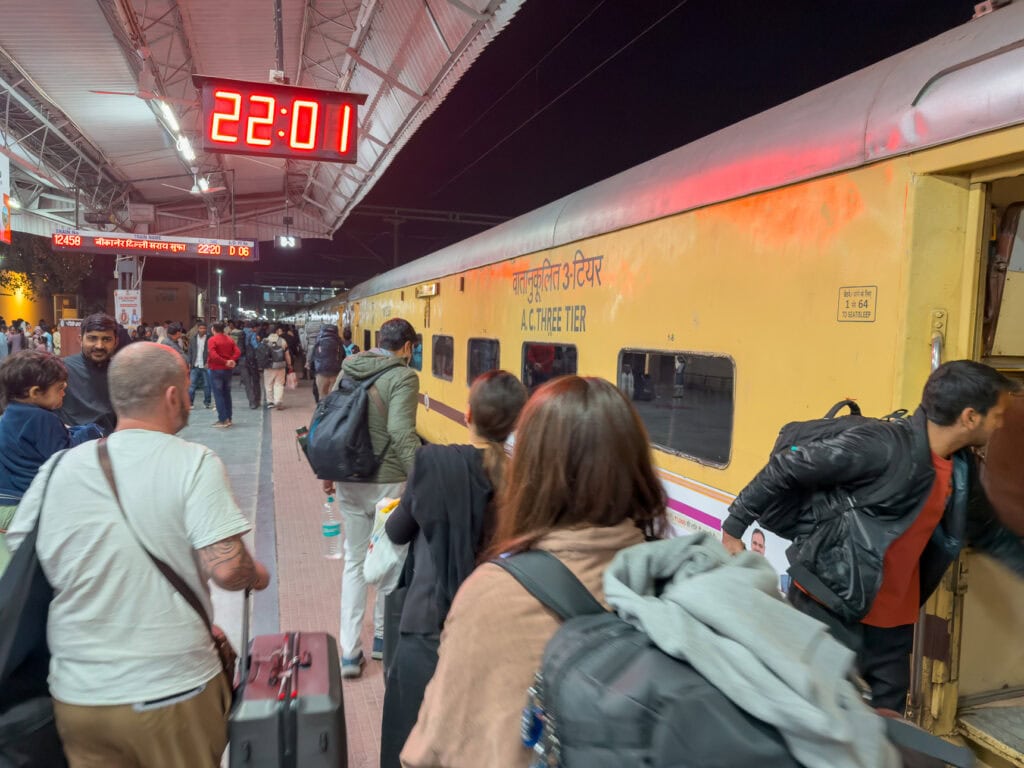
The air-conditioned classes are completely different though!
AC Chair Car (CC) is what we took from Delhi to Agra and Ajmer to Udaipur, not dissimilar to older 2nd class trains in many European countries, with a 2-3 seat layout, decent recline and a tray table, plus our early morning train included breakfast. Some services have Executive Chair (EC) which is basically 1st class if you want a fancier daytime journey.
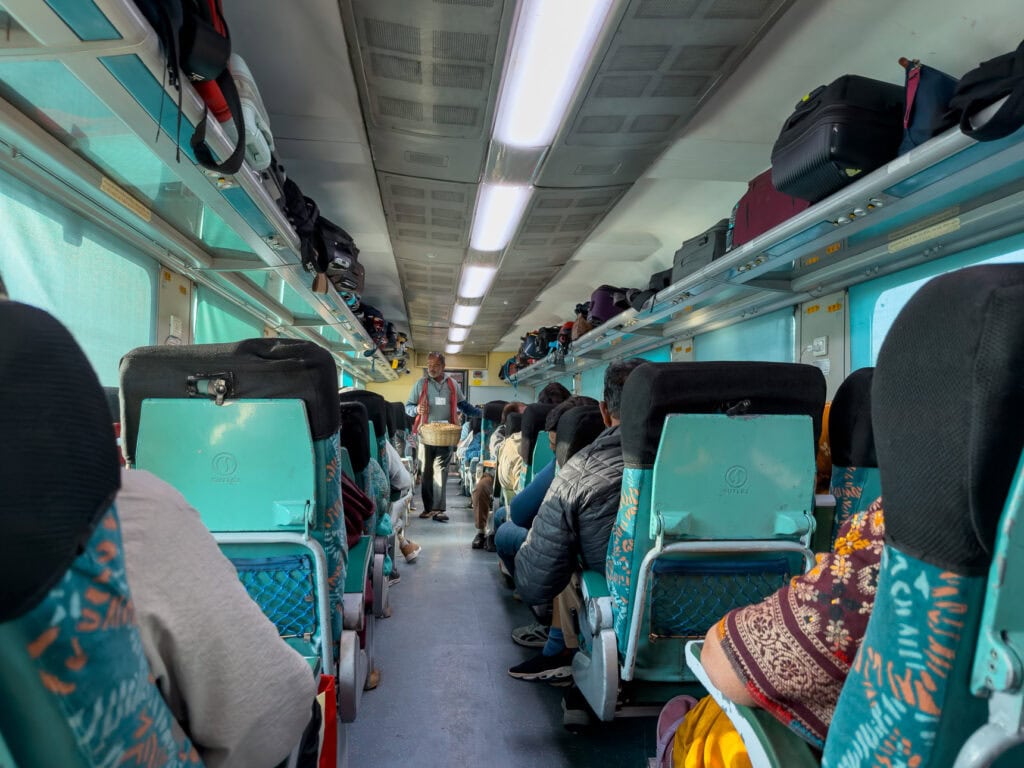
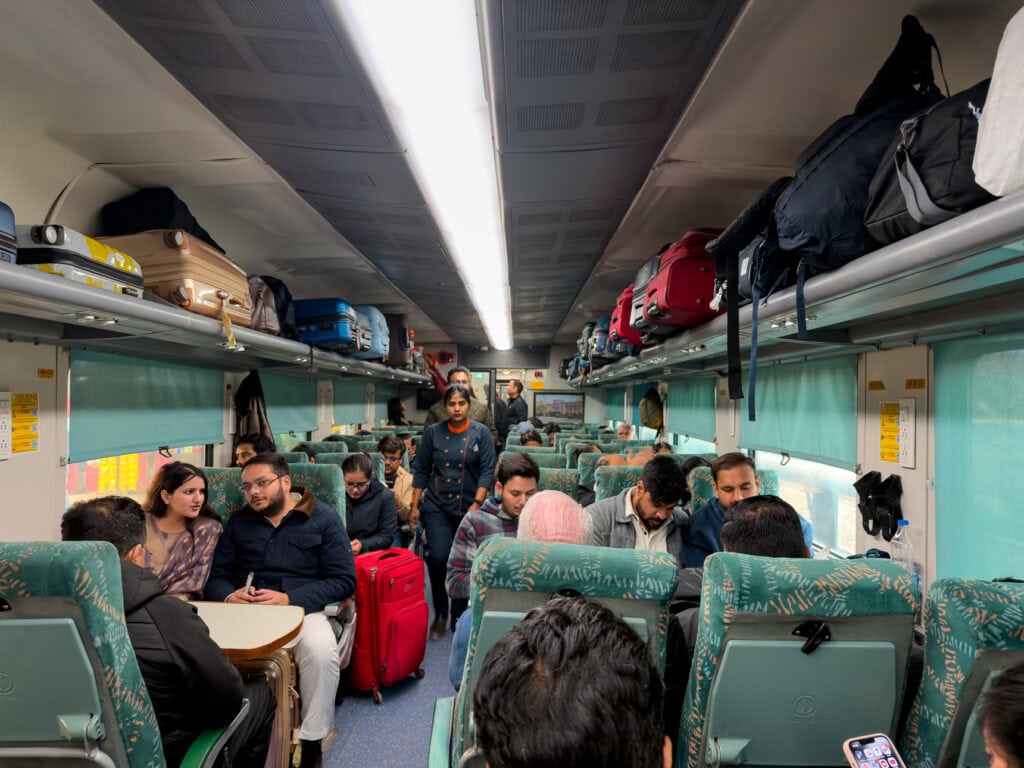
For overnight journeys, AC 2-tier (AC2 or 2A) is what I’d recommend for solo women, it’s got two levels of bunks in an open-plan carriage with privacy curtains and it’s available on pretty much all long-distance trains that international travellers are likely to take. Chances are you’ll share a carriage with a mix of middle-class locals, including families, and other tourists.
AC First Class (AC1 or 1A) is available on some premium trains on the most popular routes, it’s got lockable 2-berth and 4-berth compartments (like most European sleepers) but there’s no dedicated ladies section so you can’t guarantee you won’t end up in a closed off little room with three men, which is not ideal.
AC 3-tier (AC3 or 3A) is the type of sleeper I took from Bikaner to Delhi on my tour, similar to AC2 but with three levels of bunks in bays of six plus two bunks along the wall on the other side of the aisle, no privacy curtains and more people per carriage. I felt fine doing it with my group but personally wouldn’t have felt all that comfortable solo, it was mostly men under 50 in our carriage and only a handful of local women so would’ve felt a bit daunting (not necessarily dangerous) being alone.
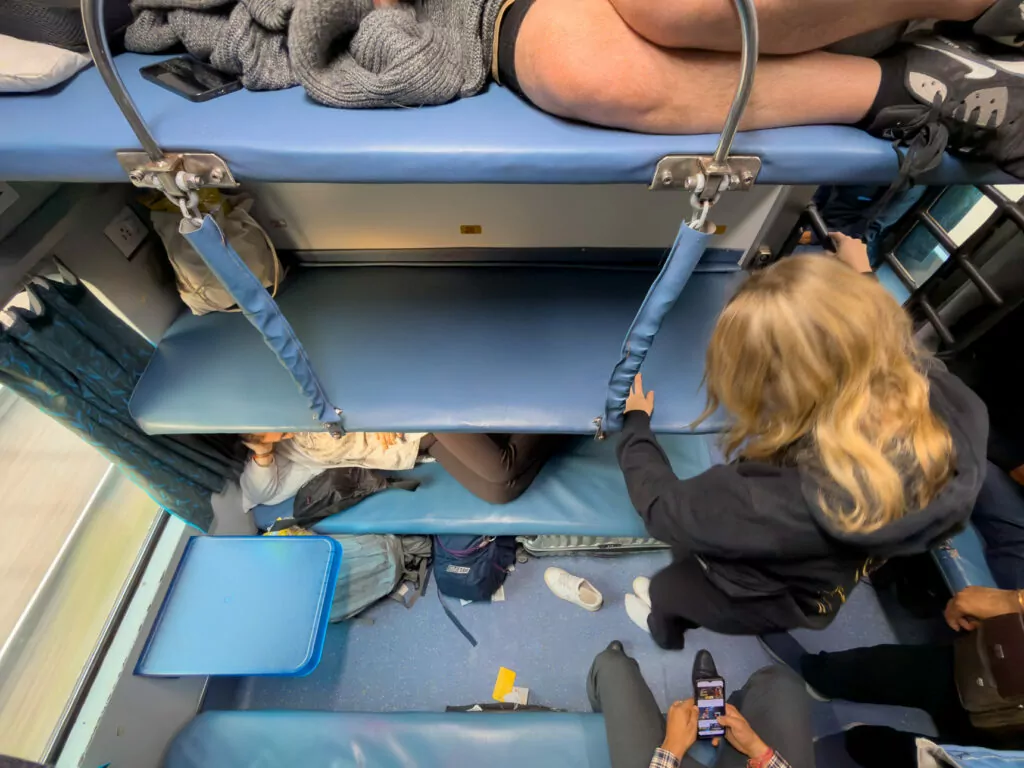
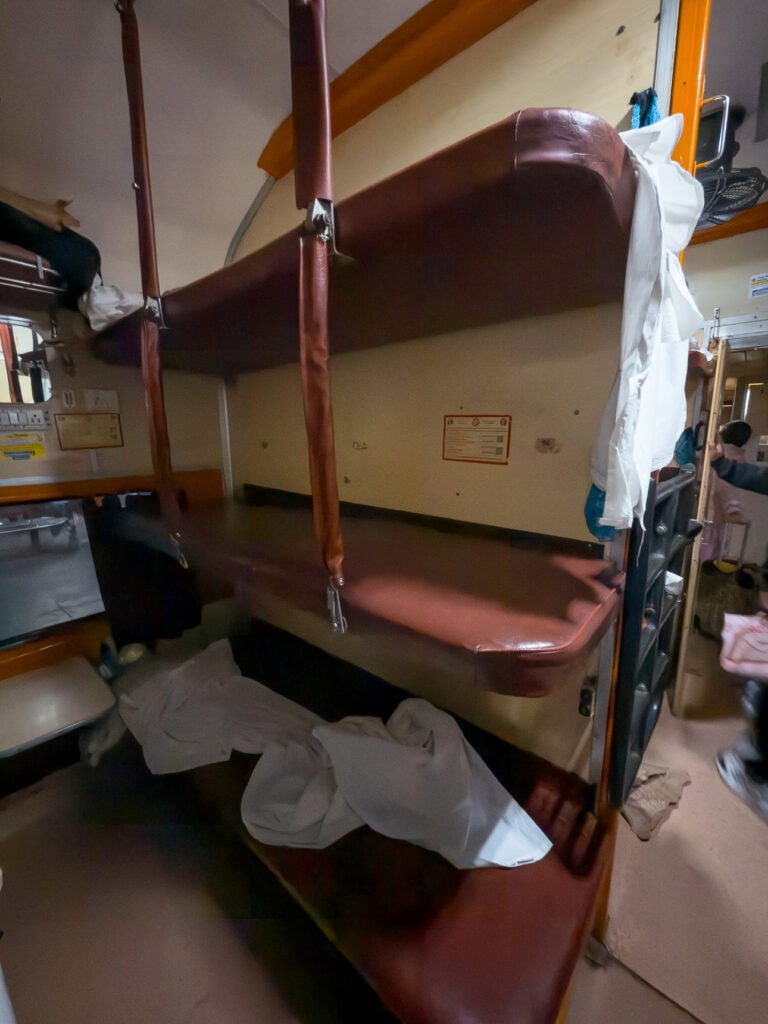
All AC sleeper classes include a pillow, sheets and a blanket and I was pleasantly surprised by the bedding in AC3, they were better than what I’ve had on most Europe night trains!
Tickets are very affordable too, they depend on the type of train but to give you an idea, Jodhpur to Delhi on a fast day train (8 hours) is around $21USD for CC and $36USD for EC, or an overnight train on the same route (11 hours) is about $30USD for 1A, $20USD for 2A and $15USD for 3A.
Women-only carriages or bays don’t exist on long-distance trains in India, there’s something called the ‘Ladies Quota’ (LD) which you might assume gets you a spot in a ladies-only area of the train but this isn’t the case, it’s just a small number of berths reserved for women in case the train sells out of normal tickets.
The most painful part of travelling by train in India is the booking process, if you’ve already applied for your e-visa then expect similar annoyances and tech issues. The official IRCTC website is a nightmare, you have to register an account and it hates foreign numbers so that alone might spike your cortisol, and it sells normal ‘available’ tickets (AVL) as well as waitlist tickets (WL) and RAC which is kind of like a guaranteed non-sleeper spot in a sleeper train but someone will have to cancel for you to get a lie-down berth.
A much easier way to book is via 12go, they’ll cost a tiny bit more but their website is way more user friendly and they only sell tickets that are actually available rather than waitlist spots.
PHEW okay enough about trains, onto the next one!
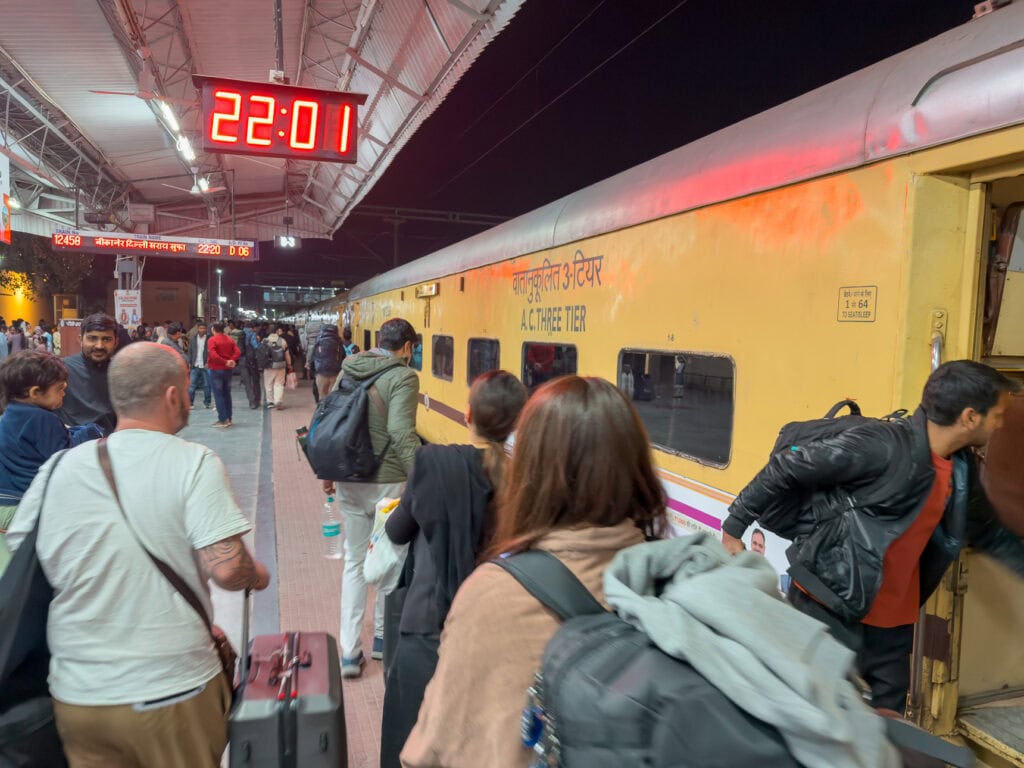
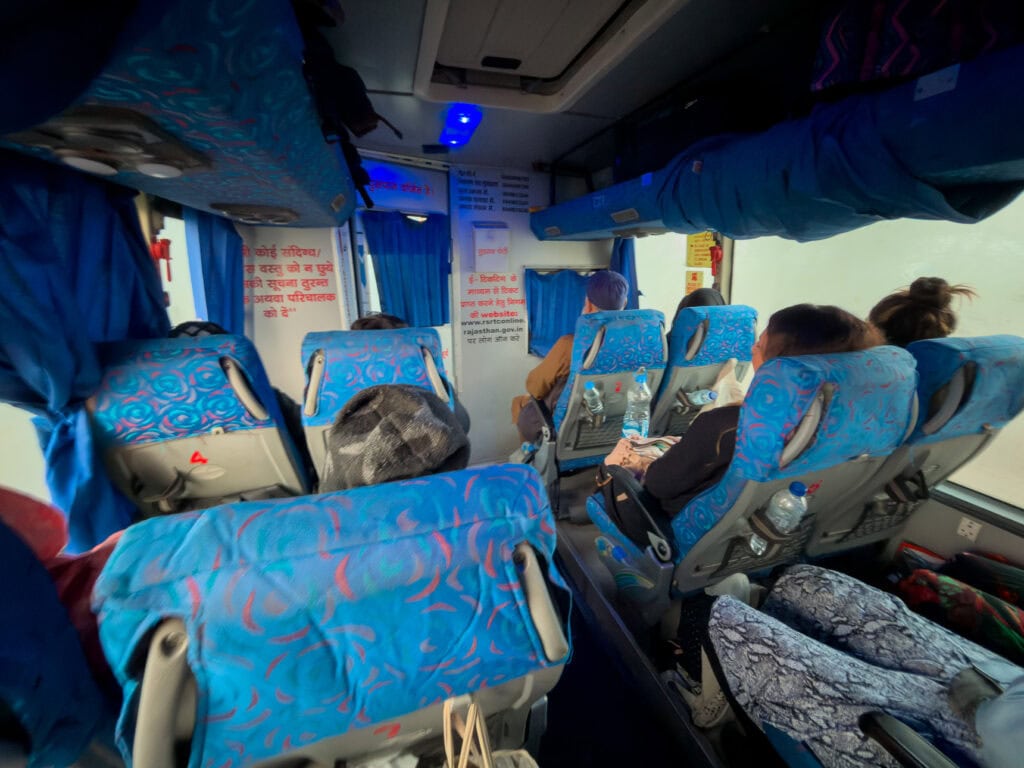
Long-distance buses are a mixed bag and your experience will depend heavily on what service you book. There’s everything from tourist-focused deluxe options with air con and legroom to low cost local buses with open windows and people standing down the aisles.
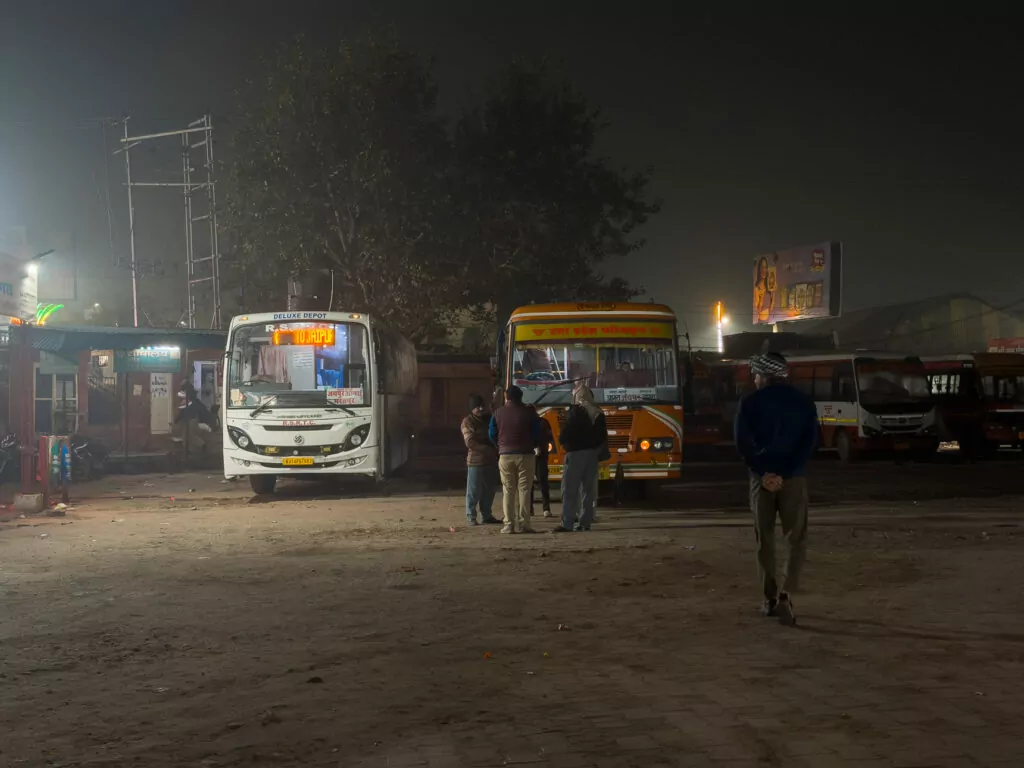
Our tour included an intercity bus between Agra and Jaipur on a deluxe state-run bus with air con and comfy-enough seats for a 5-6 hour trip, and a second one from Udaipur to Jodhpur which was similar but I had a migraine so I opted for a private transfer instead (faster trip + peace and quiet).
You can use 12go or RedBus to find buses for your route and they’ll both show user ratings for the services you’re considering.
For getting around within cities, Uber is available in most major cities and saves you from negotiating with taxi or tuktuk drivers, plus it’s only a bit more expensive for nicer and newer cars which would have higher safety ratings. Uber’s got additional safety features in India that I haven’t seen elsewhere (like audio recording of the trip and enhanced detection of going off route or stopping), I took a handful of Ubers on my last trip and felt safe every time.
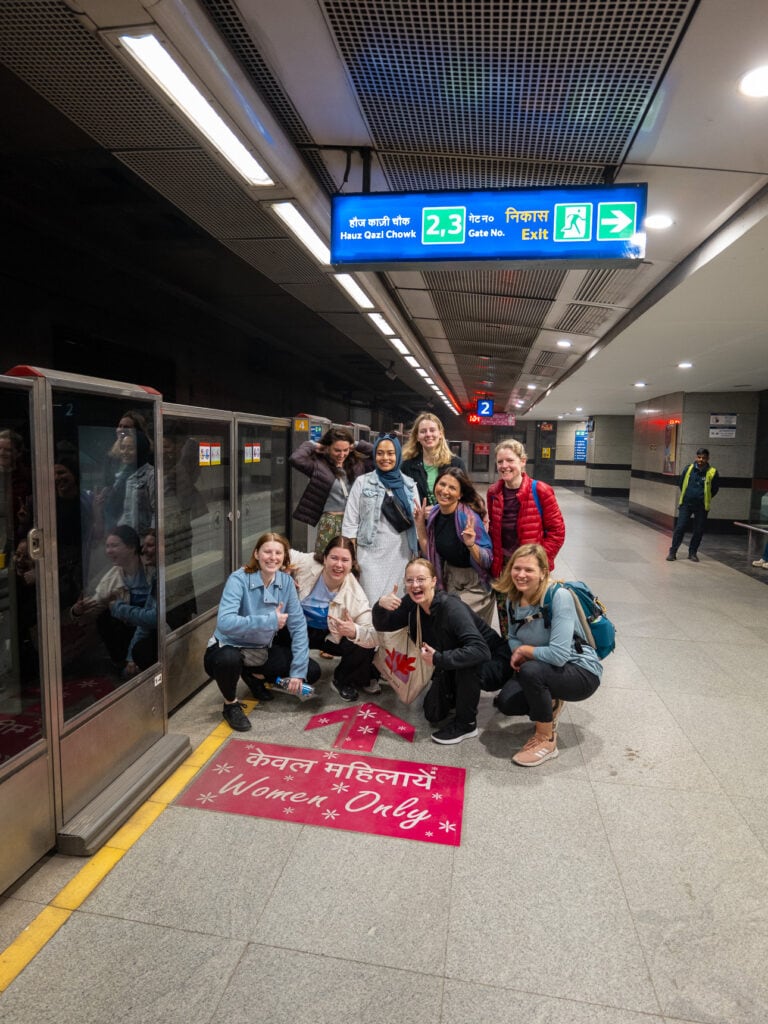
Delhi’s metro is clean and efficient with women-only carriages, and it’ll let you avoid getting stuck in nightmare traffic jams. We used it as a group a few times and I used it once solo and both were smooth and simple, lots of stares when I was solo haha but the only sketchy part was walking from the station to my hotel when it was a bit darker than I realised. At night opt for an Uber instead.
And whatever method of transport you’re using the rest of your trip, pre-book your airport arrival transfer for your first night. Landing in India after hours in the sky and having to deal with hordes of taxi touts is not the introduction you want.
Finding solo-friendly accommodation
India’s got accommodation for every budget, from backpacker hostels to heritage palaces where you’ll feel like royalty.
Before you book anything though, know that accommodation standards here are different to what you might be used to. Hot water and wifi can be hit and miss even in decent hotels, air con has a mind of its own, and the beds are haaard which is apparently good for your back but can make it impossible to sleep if you’re not a fan.
Alsoooo remember that star ratings aren’t universal, a 4* in India doesn’t necessarily mean it would be a 4* in Europe, and the star system in general is about amenities (elevator, TV etc.) than actual quality. I’d place significantly more importance on the real reviews from previous guests rather than the number of stars a hotel supposedly is.
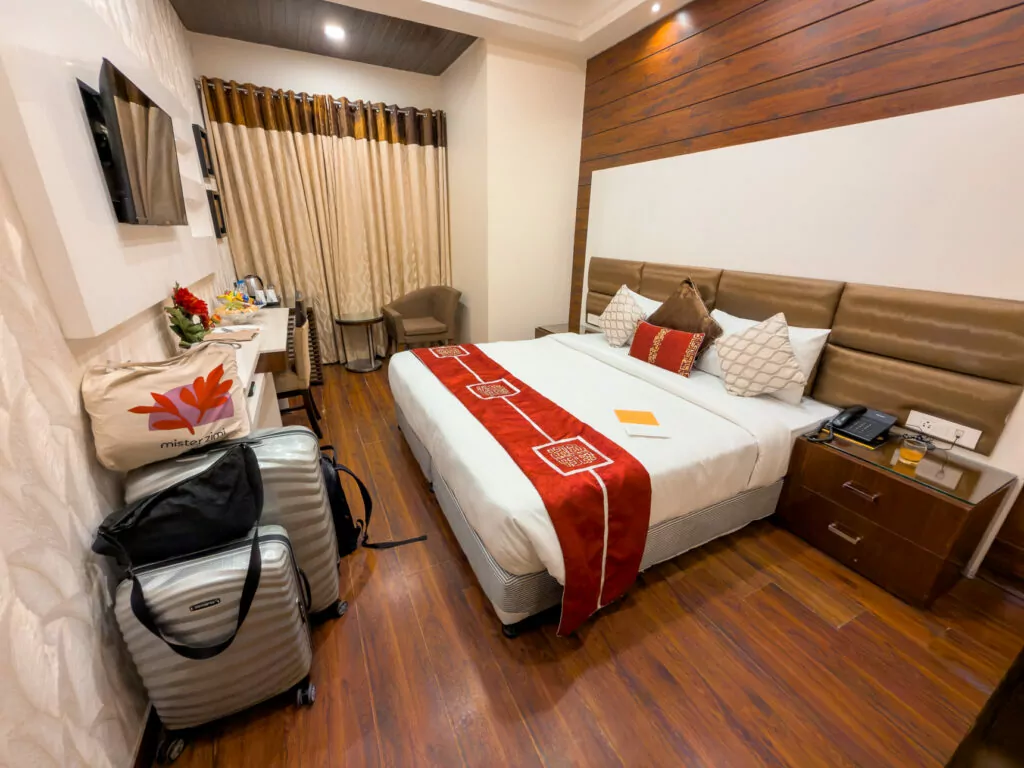
Hostels & homestays
Hostels are great for meeting other travellers and most have female-only dorms, with more pod hostels and digital-nomad-focused ones popping up around the place. Always check recent reviews and ideally get personal recommendations from fellow solo female travellers who have stayed recently.
Homestays and guesthouses are also wallet-friendly options and they’ll give you an insight into everyday life in India that no hotel or hostel can match. As a solo woman, prioritise family-run or women-run properties with multiple guest rooms and common areas, instead of anywhere where you might be the only guest in a household where the women don’t or can’t communicate with travellers.
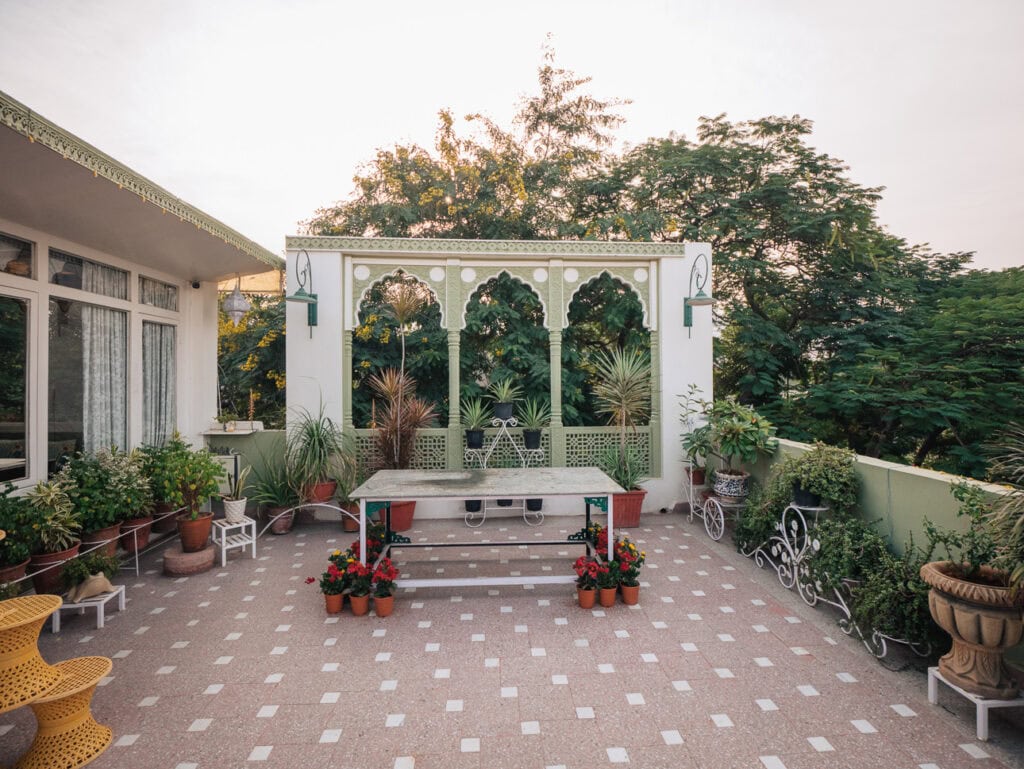
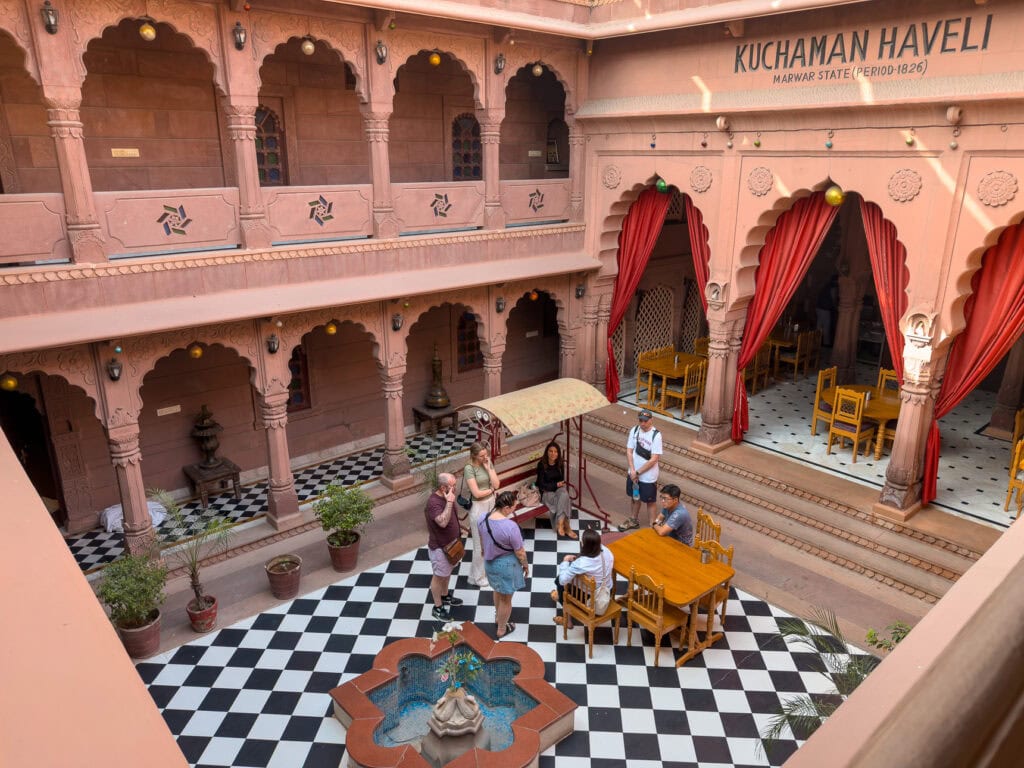
Traditional havelis & heritage hotels
I love staying at accommodation that’s a cultural experience in itself rather than just a place to rest your head at night, and heritage hotels and havelis (traditional mansions) are the best options for this in India.
These lovingly-restored historical properties are mostly found in Rajasthan but you’ll find some dotted around the rest of the country too, and they range from cosy family-run havelis that offer authentic character and warm hospitality at an affordable price, to ultra-exclusive boutique hotels with exquisite suites that literally used to be royal chambers.
Hotels
Hotels cover everything from no-frills budget rooms to world class luxury, and with tens of thousands of them there are plenty to choose from (or plenty to weed through to find the good ones 🕵🏼♀️).
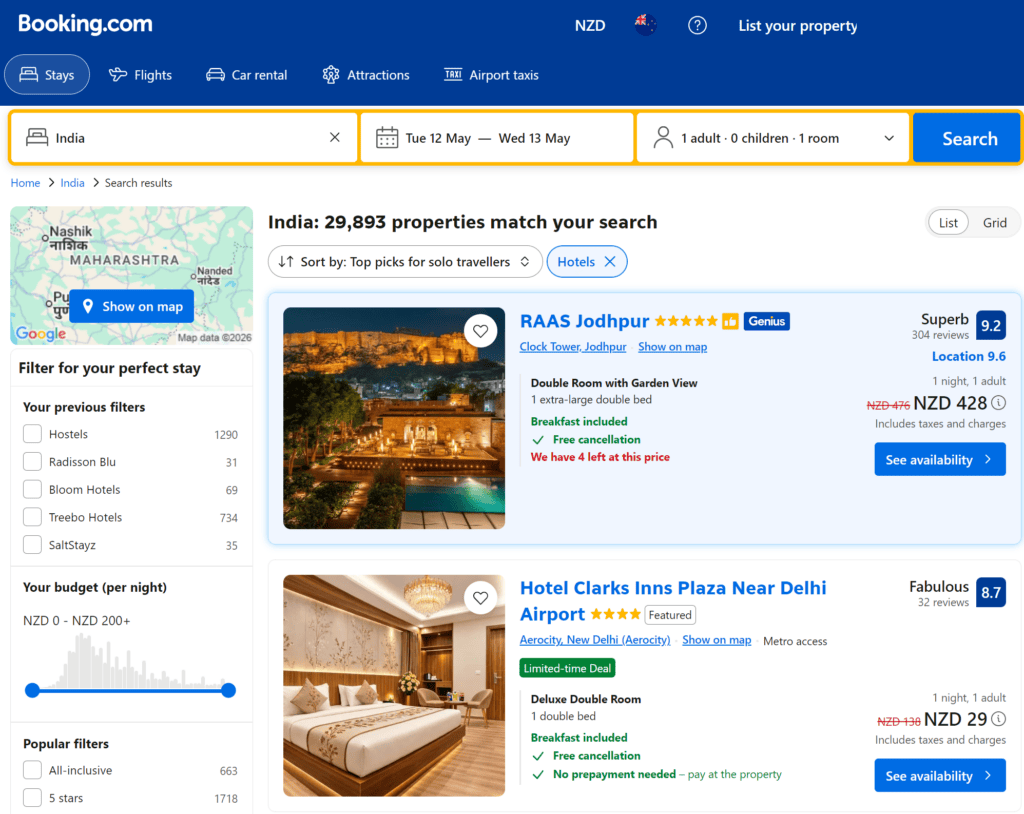
If you’re trying to keep it cheap and cheerful then you can find simple private rooms from as little as $7-10USD, which will get you a bed and bathroom but not much else, no guarantee of a window, working hot water or any in-room amenities. Pay a bit more and you can often upgrade to the ‘deluxe’ rooms in the same properties which will have more space, natural light and maybe air con.
At this end of the budget spectrum make sure you’re only booking places with lots of legitimate positive reviews over an extended period of time, ideally from other solo travellers.
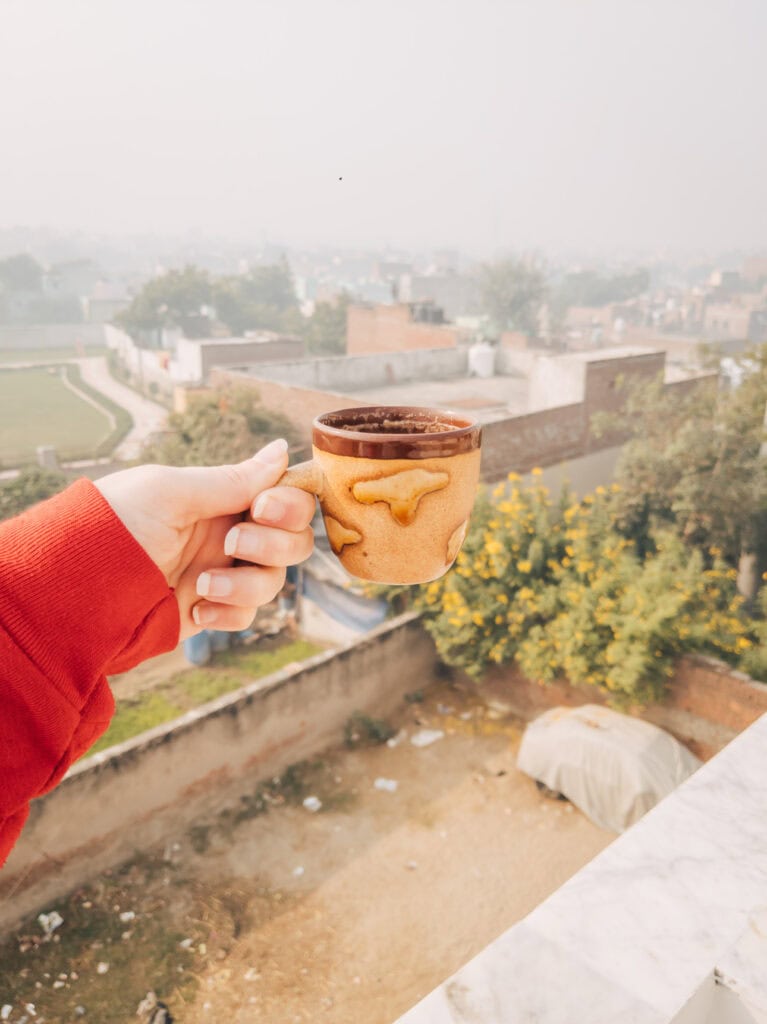
Mid-range is where you’ll get the best value as a solo traveller if you want comfort without blowing the budget. Somewhere between $20-60USD per night will usually get you a clean room with air con, useable wifi, a kettle and maybe a mini-fridge.
Some hotels in this bracket might have swimming pools, traditional Ayurvedic treatments and a decent in-house restaurant.
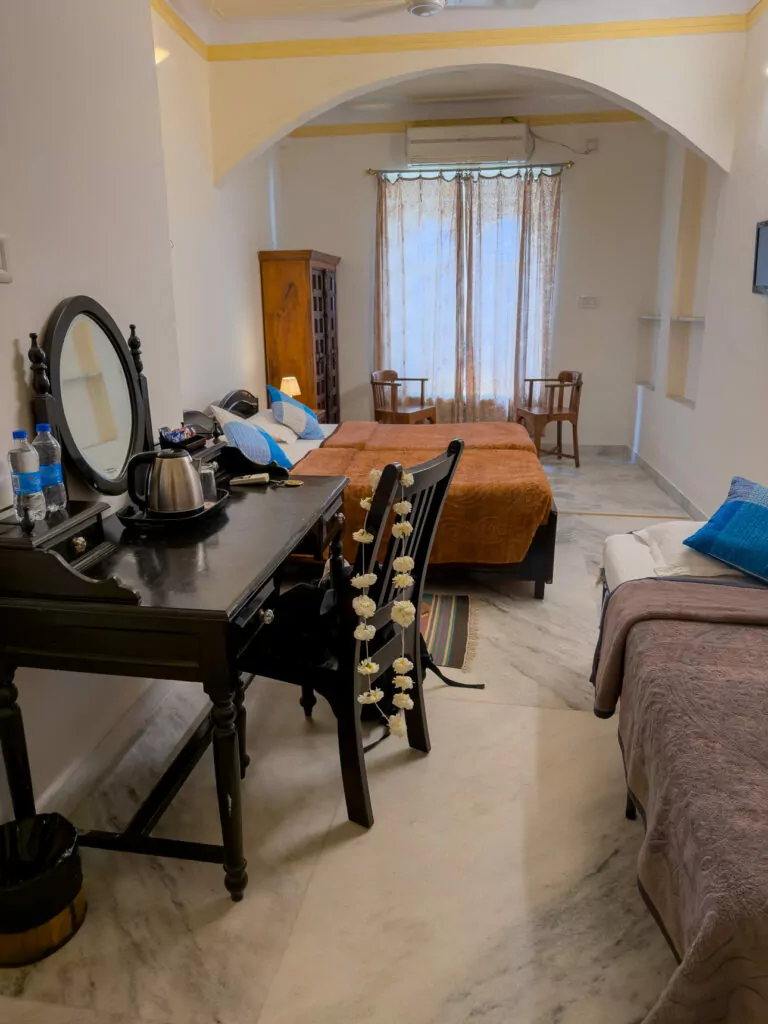
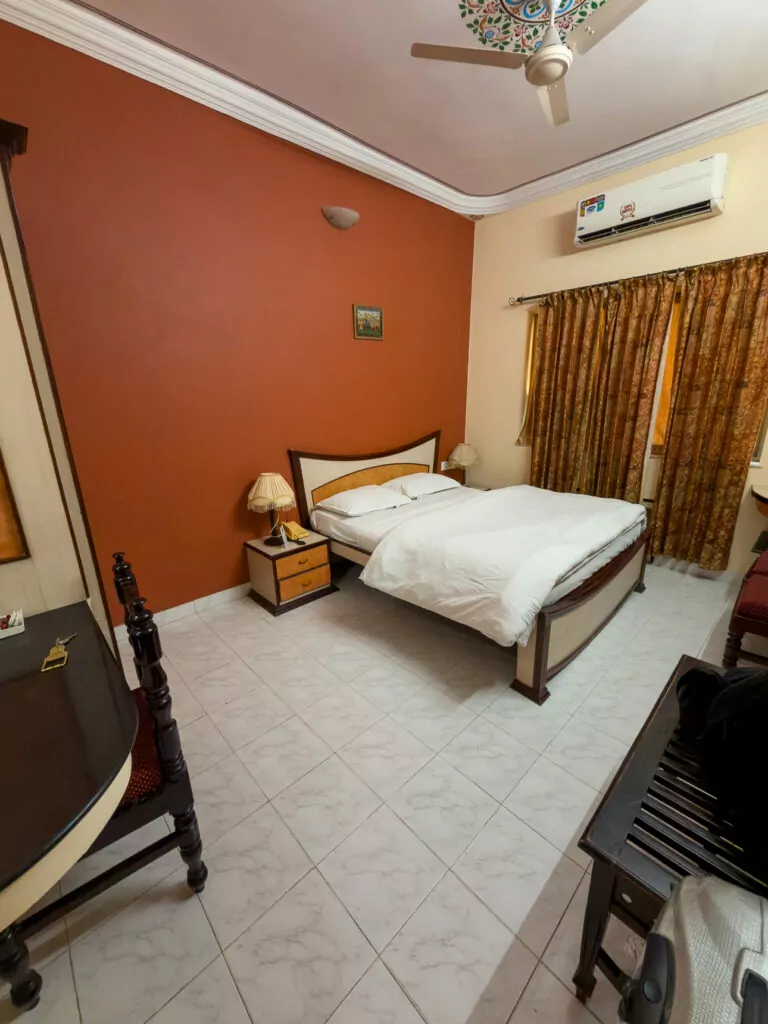
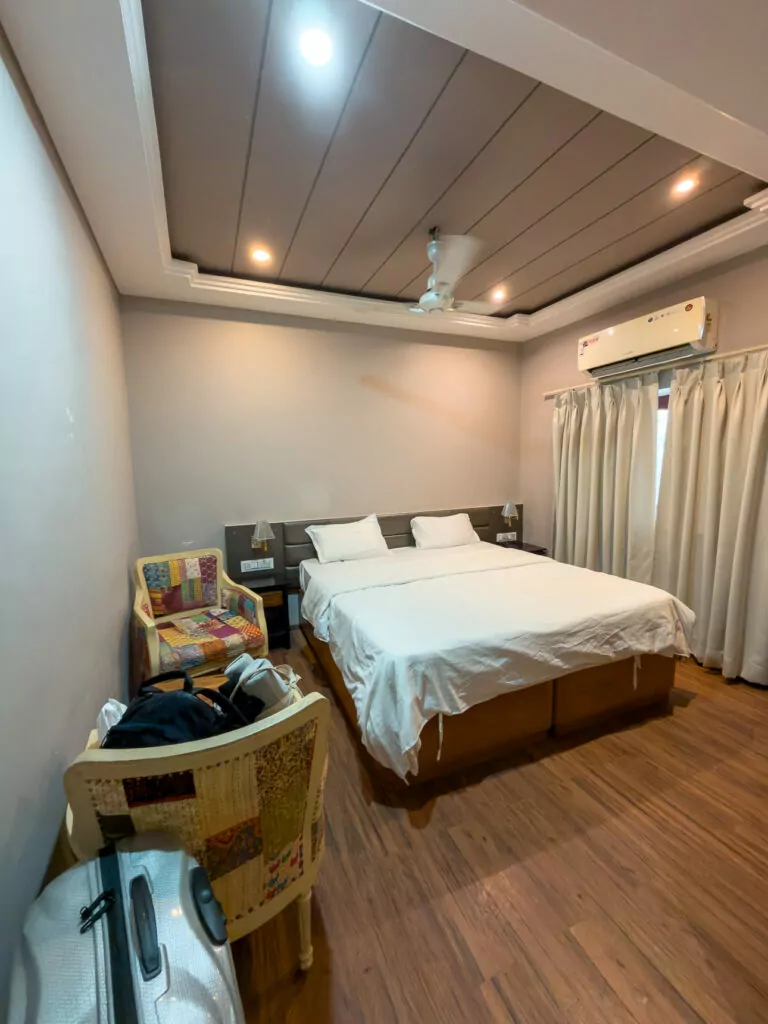
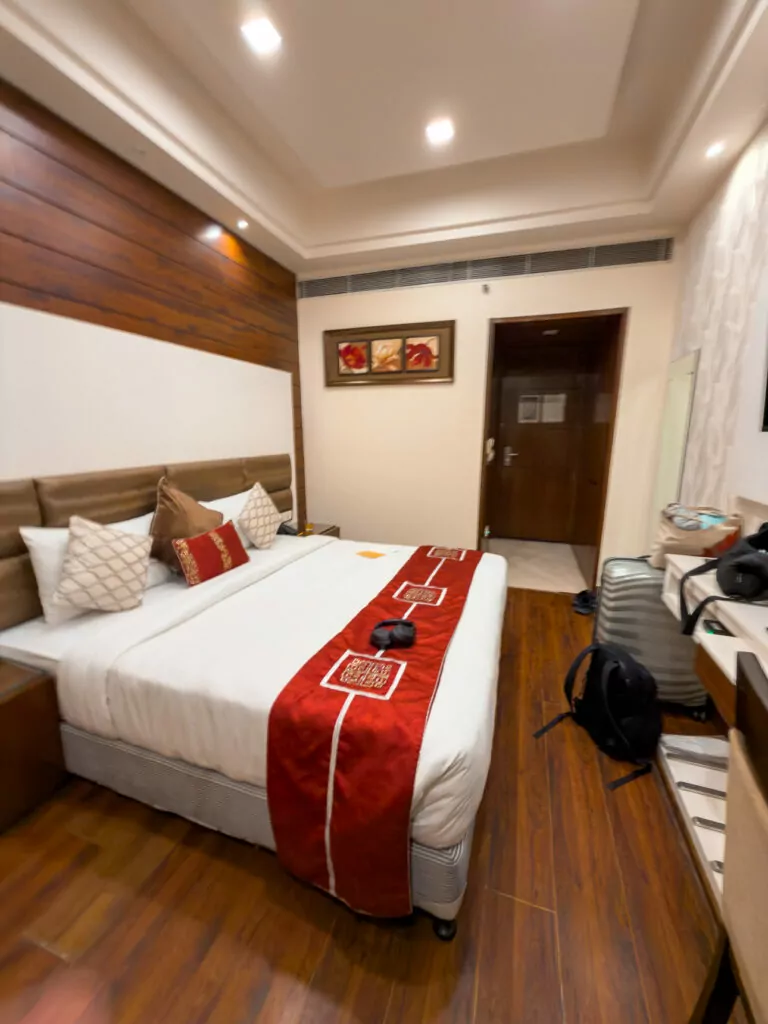
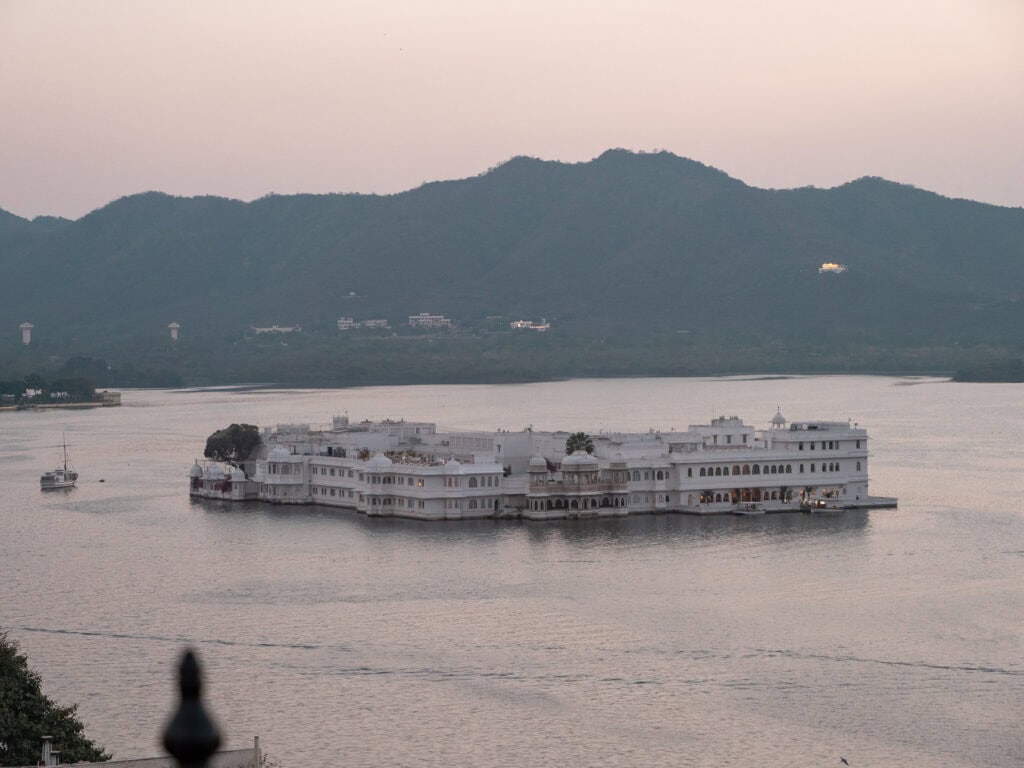
At the higher end of the spectrum there’s global chain hotels in most cities, as well as some incredible homegrown hotel brands like Taj and Oberoi that deliver top tier service with Indian design, cuisine, wellness and hospitality woven in.
These offer the perfect combo of authenticity and modern amenities… if money’s no object 🙃 Even by international standards they aren’t cheap, in winter (the best time to avoid monsoon + heat) you’d be looking at $300USD+ for most Taj hotels and at least double that for most Oberois. Bucket list worthy though!
Something I want to mention (so you’re not shocked if you see it) is that more than a few hotels I stayed at had a very obvious hierarchy of staff, the lower-level employees aren’t always treated with respect and the working conditions they deal with can be jarring.
On multiple occasions I saw managers or owners bark orders at workers in front of guests like it was normal, and it’s fairly common for staff to sleep on mattresses in the lobby or behind the reception desk because they’re expected to be on call throughout the night.
Systemic inequality in the tourism industry is a bigger issue than can be solved in a blog post but I think it’s important to have that context before you go. If you notice staff being treated well then that’s a good sign about who you’re giving your money to, and leaving a positive review that specifically mentions it helps other travellers make the decision to support ethical businesses too.
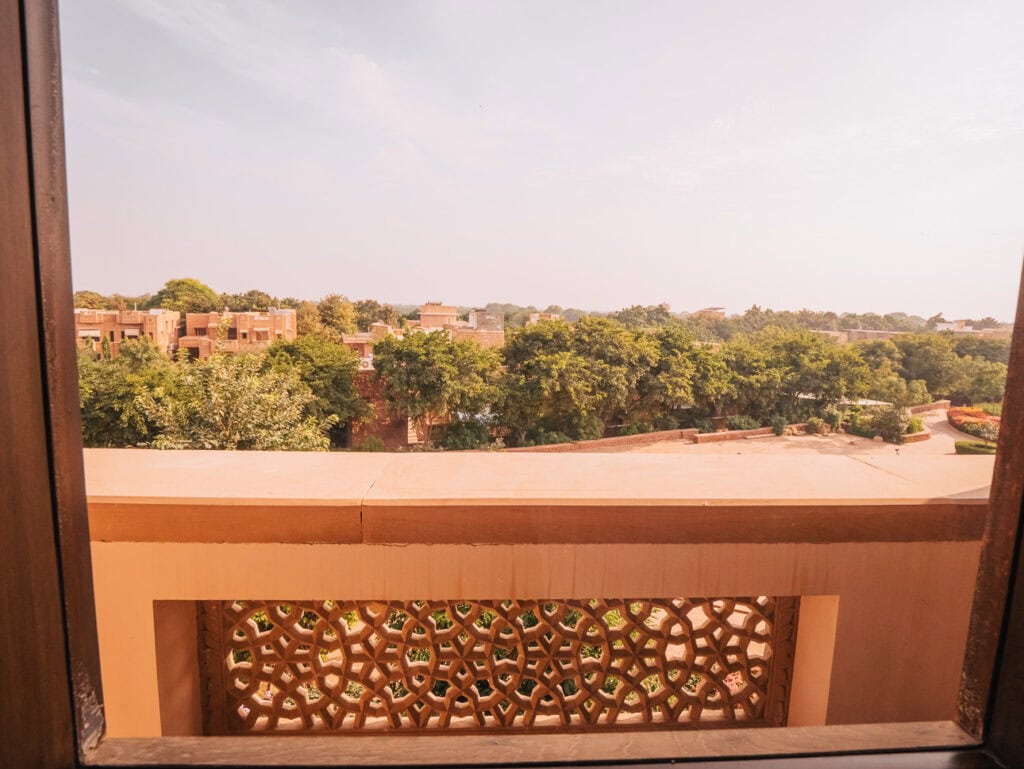
Accommodation I can personally recommend as a solo female traveller
I’ve had mostly positive experiences with accommodation in India, both when I was travelling independently and when I was with a tour. Here are a few spots I loooved as well as some that were nothing fancy but were comfortable, safe and good value.
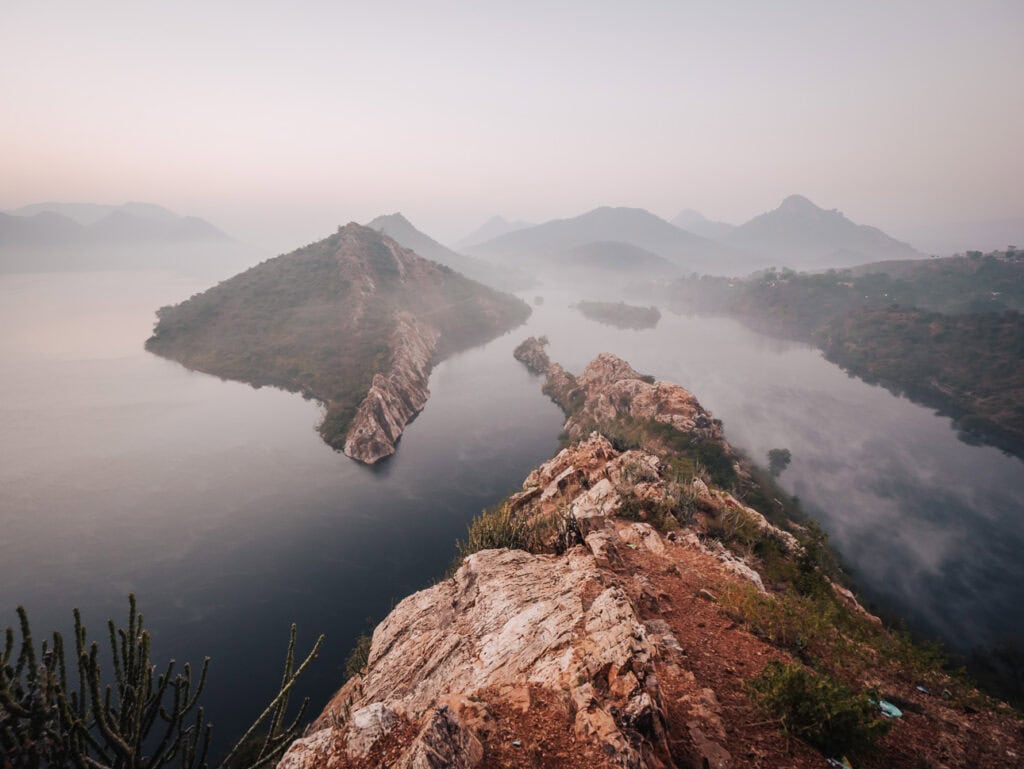
- Premkunj is a small boutique homestay in the hills near Udaipur and it is an absolute slice of paradise, the highlight of my first trip to India for sure.
The owner’s a world traveller himself and has built this little oasis to provide guests an escape from the chaos, with eight gorgeous rooms, a pool, common areas to read or chat or chill, a sun-soaked terrace and traditional Rajasthani cuisine that uses ingredients from the organic garden outside.
What I loved most though was that it immediately felt like a home away from home, the hospitality was outstanding but still felt natural and balanced, rather than feeling overly formal or like I was a member of the royal family who needed people to cater to my every whim. Highly, highly recommend, I hope to go back in the future, and if you stay then please say hi from me!
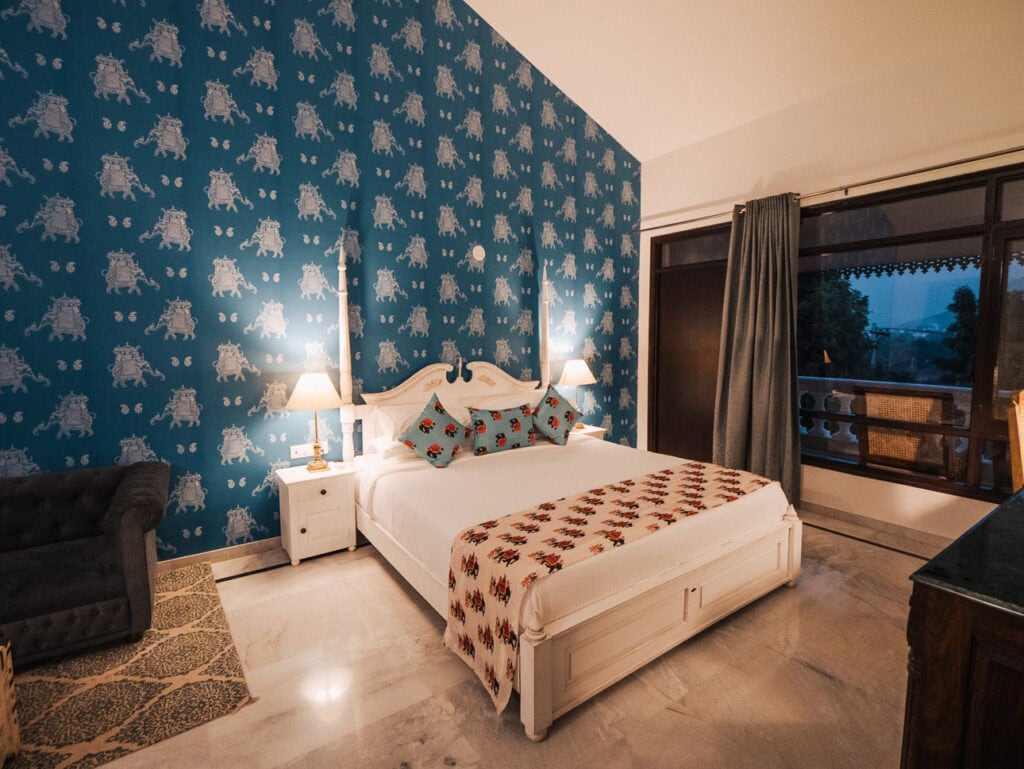
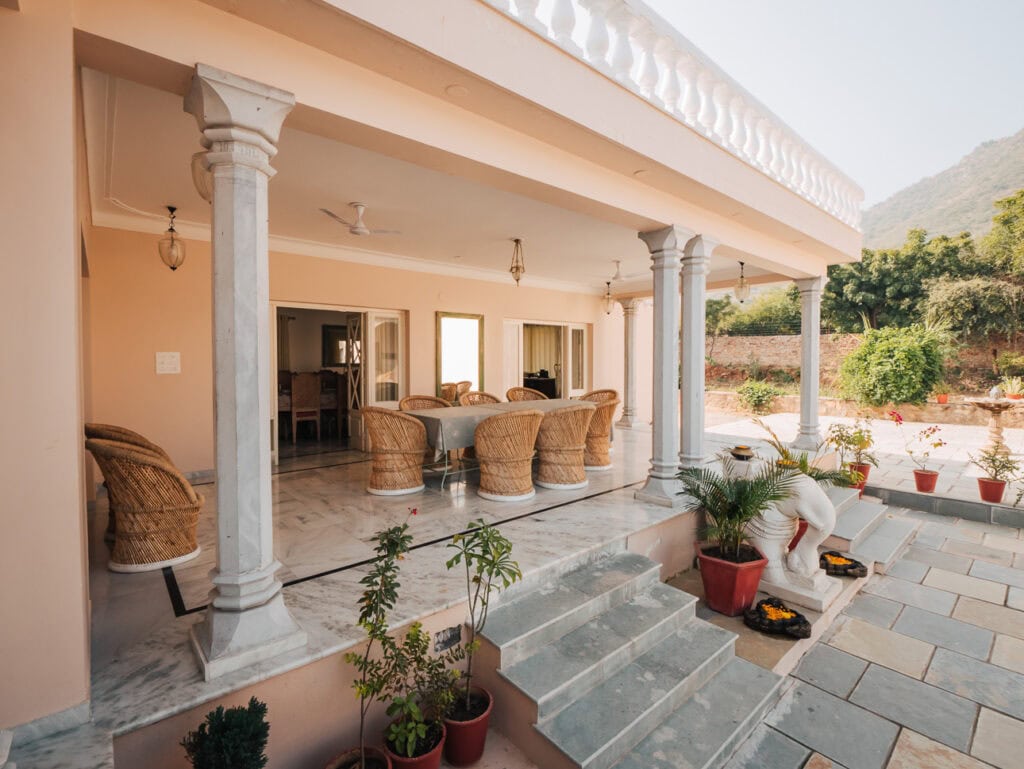
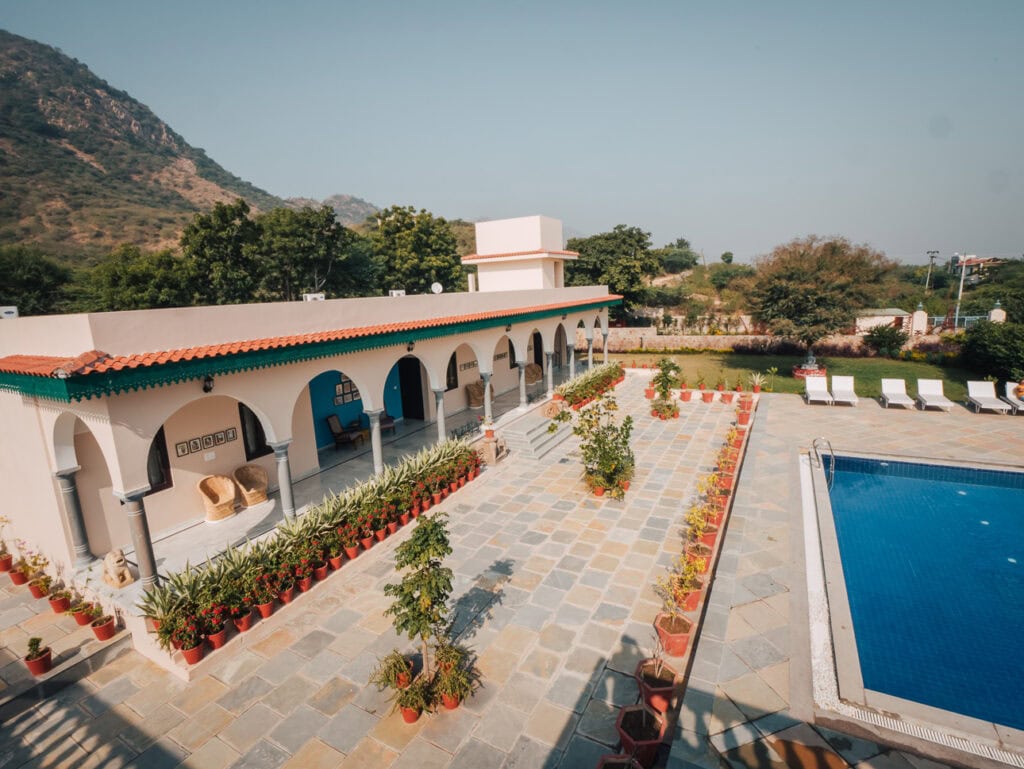
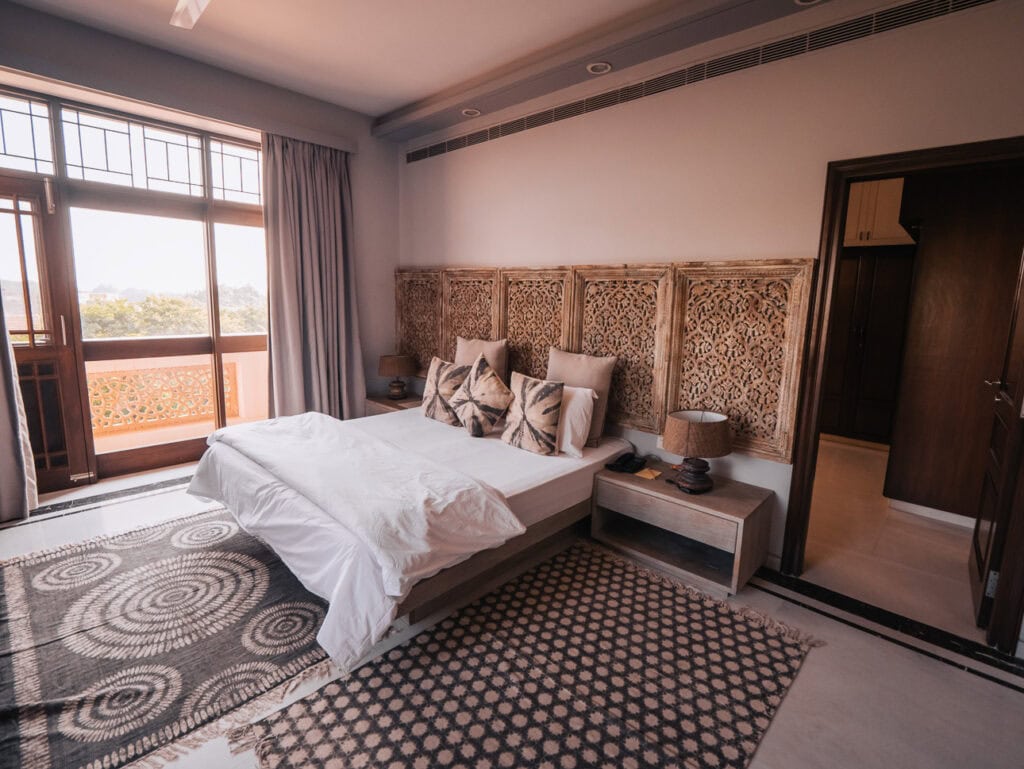
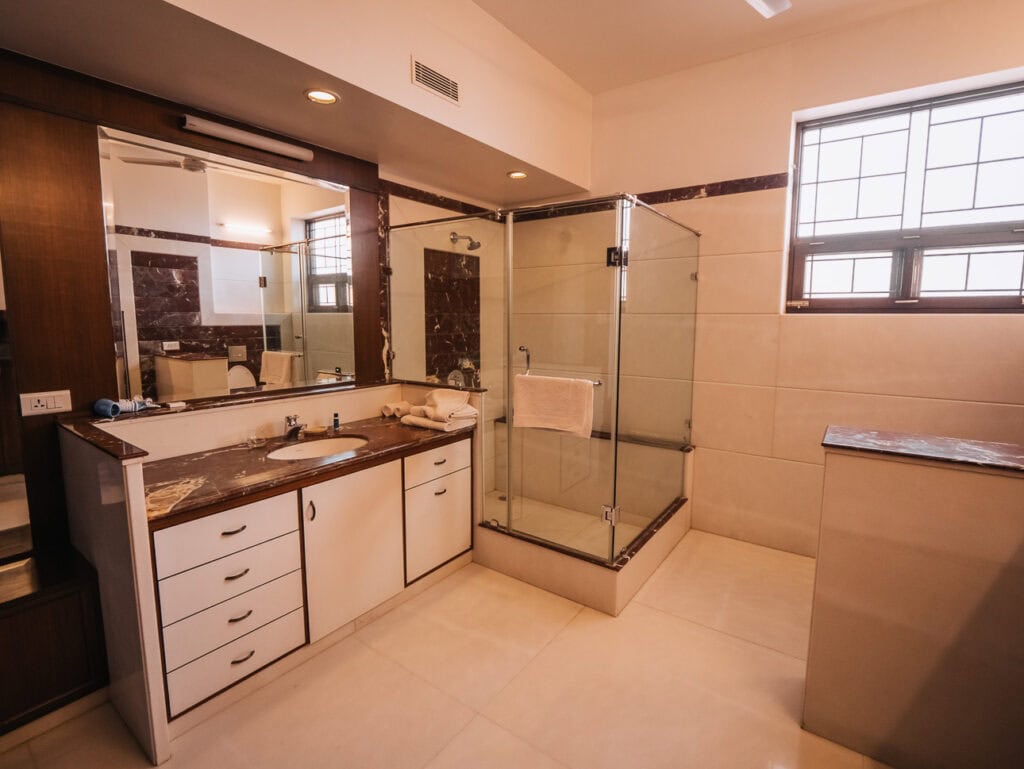
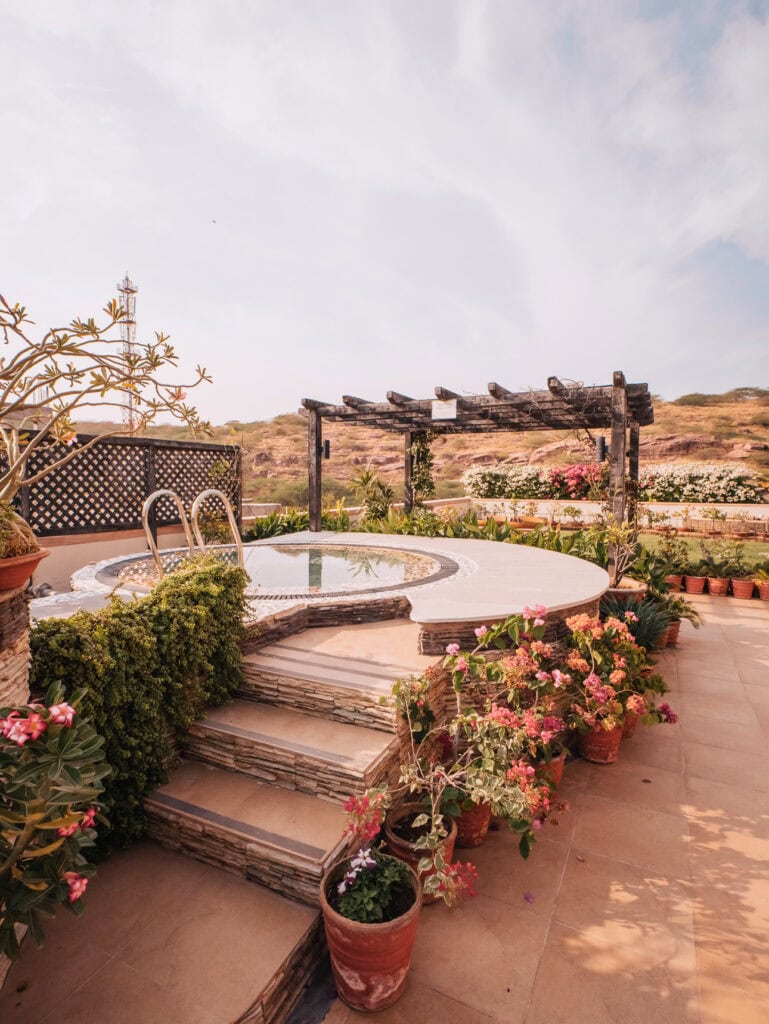
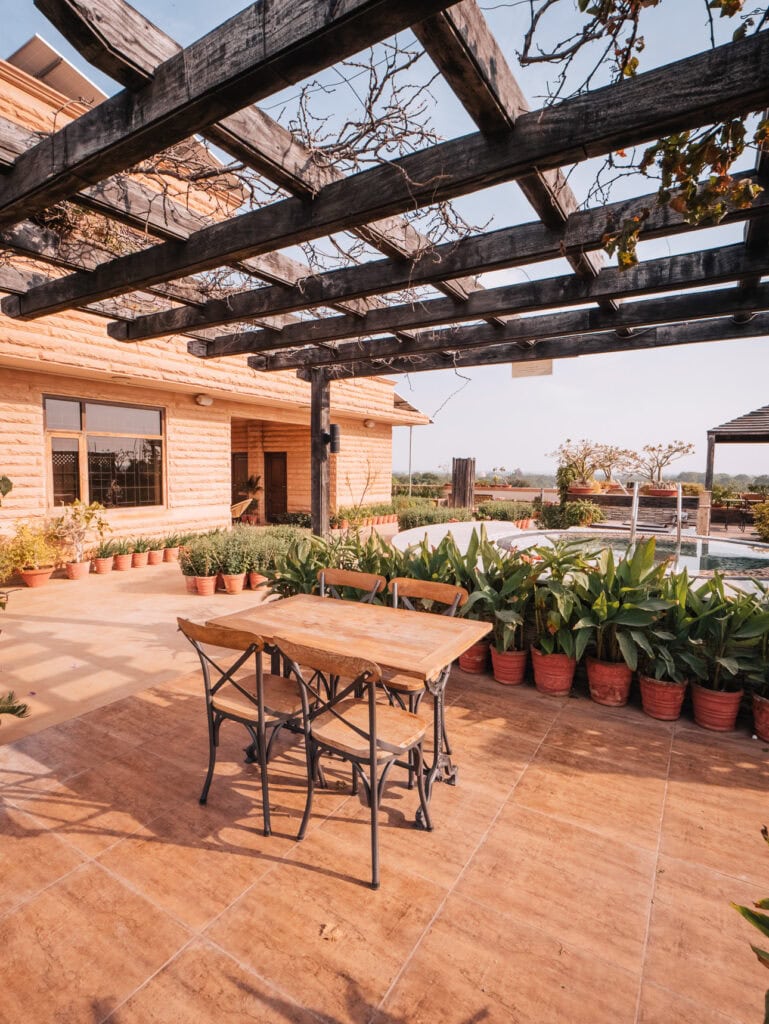
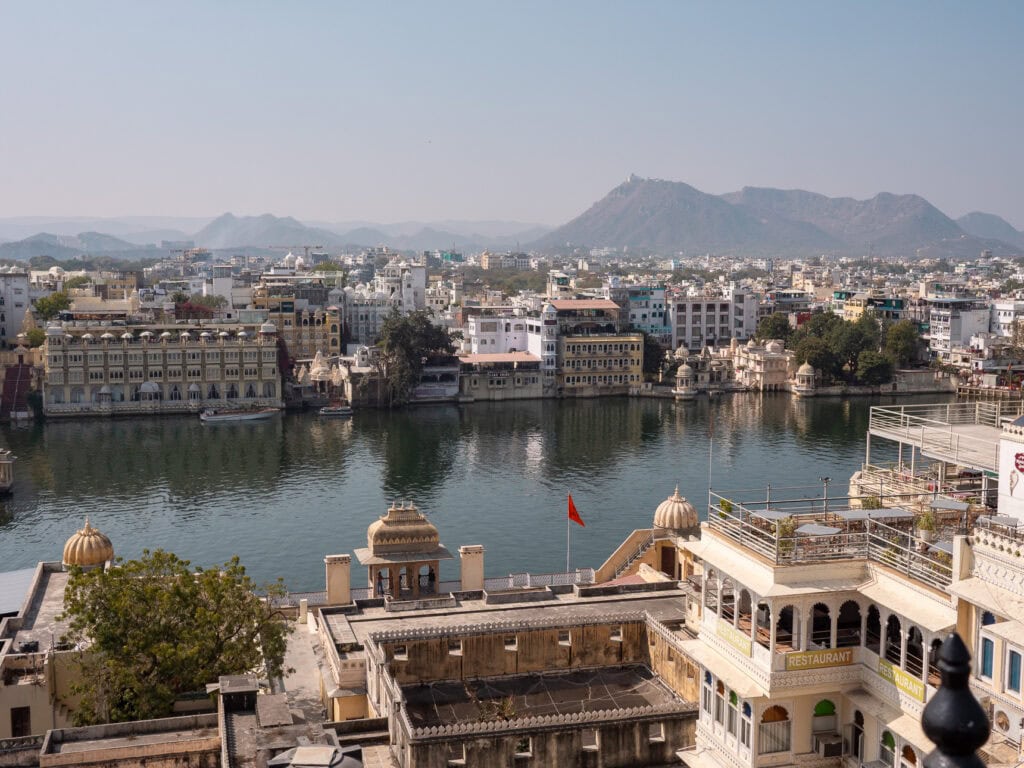
- The Almond Tree in Jodhpur is a beautiful boutique hotel in a gated community near Umaid Bhawan Palace, gorgeous rooms and a dreamy terrace. It feels detached from the hustle and bustle of Jodhpur which can be good or bad, but I felt very safe and looked after here.
Quick tips for booking accommodation in India

Staying connected with an eSIM
Get an eSIM sorted before you land, it’s one less thing to worry about when you arrive and can be cheeeap (if you buy the right one).
I use Mobimatter for most of my eSIMs, I’ll research each country I’m visiting to find the cheapest option and Mobimatter almost always comes out on top, including India.
Let’s compare them with the big providers you see all over your social media feed (in USD):
Download and activate your SIM before you leave home, then when you arrive you’ll just have to toggle it on and you’re good to go!
Money & budgeting
India uses the Indian Rupee (₹), check the current exchange rate on XE before your trip so you’ve got a rough idea of what things cost in your home currency.
Cash is still king in markets, street food stalls, tuktuks and small shops or local restaurants, but on my most recent trip I found many more places accepting card vs. when I visited in 2019.
I always try to pay by card wherever possible so I’m not having to go to an ATM every two days, and I find it way easier to track my spending with card because cash just feels like Monopoly money haha. I use Wise as my daily spending card while travelling.
ATMs are easy to find but don’t always accept international cards, we had the best luck with SBI ATMs. Avoid non-bank ATMs because they’re much less secure, and put your cash away inside the ATM pod away from prying eyes.
Tipping in India isn’t mandatory but it’s expected in the tourism industry, and a little amount in your normal currency can go a long way for locals here. $3-5USD per day for private drivers and $5-10USD per day for tour guides is standard, any more than that will be graciously accepted for exceptional service. Small tips for hotel staff that carry your luggage is typical too.
Many restaurants in tourist areas include a 10%ish service charge on the bill which is legally voluntary (so you could ask to have it removed) but most travellers won’t think twice, there’s no need to tip over and above this unless you want to reward brilliant service.
Outside of tourist-focused services tipping isn’t common in India, and though it might seem harmless to leave a few dollars at small restaurants, taxis, tuktuks and other services locals rely on too, importing a tipping culture to a developing country has knock-on effects that ultimately hurt the people who live there.
That might sound counterintuitive so let me explain it with a specific example.
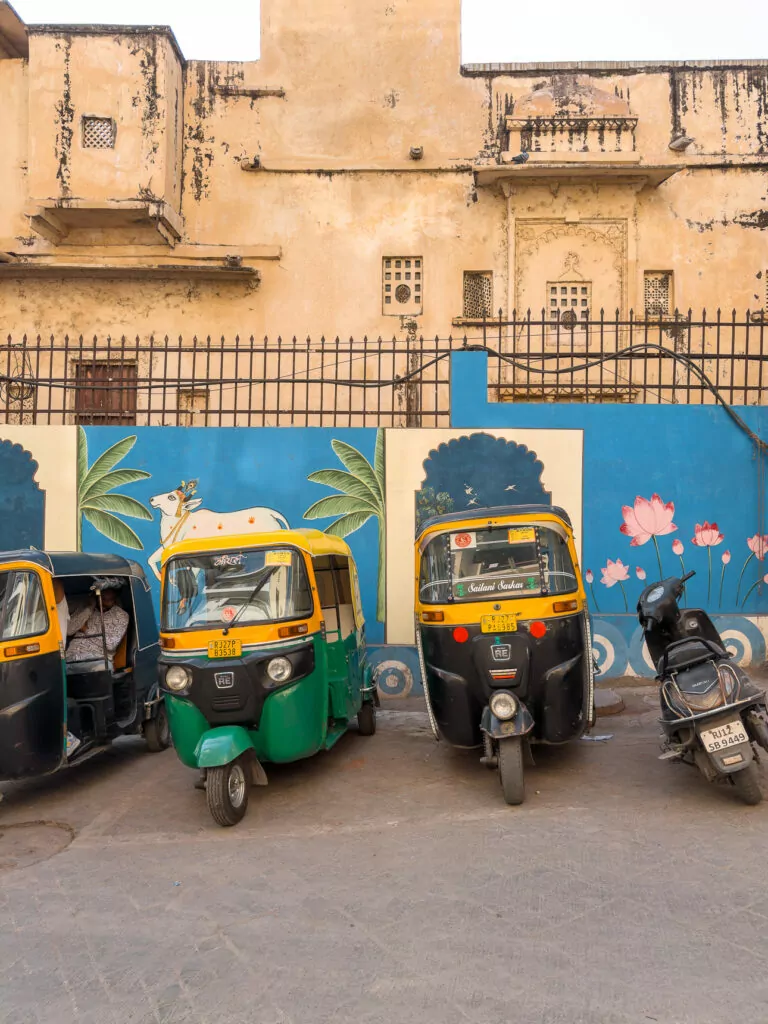
Let’s say tourists consistently tip tuktuk drivers 20% of the fare and it becomes the norm, if a tuktuk driver is cruising past a metro station at night and there are two solo women waiting in the dark, one local and one who’s clearly a tourist, which woman is the tuktuk driver going to pick up? What if there were five people there, one Indian woman and four solo travellers, guess who’s probably going to be the last person picked up? You get the gist!
And on that note, let’s dive into how to travel responsibly while you’re exploring India as a solo female traveller.
Responsible travel in India
Your choices as a traveller can have a bigger impact than you might think, both good and bad, India is somewhere a little awareness goes a long way.
This isn’t a guilt trip (pun intended 🙃), it’s just a reminder to be intentional about where your money goes and how you interact with the communities you’re visiting. Here are a few of the major things to consider.
Begging & children selling things
The poverty in India is extremely confronting, and the sight of a mum begging with a baby at a traffic light or a five-year-old trying to sell you a keychain will make your heart physically ache.
The instinct to hand over some cash or buy something is completely understandable (I’d say it’s what makes us human!) but it truly, truly, truly does more harm than good. Giving money to beggars in India, especially children, often feeds directly into organised begging syndicates that exploit the very people you’re trying to help.
Kids are kept out of school and forced to roam dangerous streets because they’re profitable, babies are sometimes drugged to keep them quiet or even rented from desperate families and passed between different women throughout the day because it’s the easiest way to generate sympathy from tourists. At the very least it’s limiting kids’ access to education, at worst it’s child trafficking.
Buying things from children is just as problematic, if you’re giving a kid money in exchange for a cute souvenir then you are literally contributing to child labour.
The absolute best thing you can do to help is to support organisations on the ground who are providing immediate relief to vulnerable children and working to break the cycle by getting them into safe housing and education.
Joining a Salaam Baalak Trust walking tour in Delhi is a brilliant place to start, they’ve been supporting street-connected children since 1988 by providing shelter, food, medical care, education and counselling through residential homes and community contact points in high-risk areas, and they also offer travellers a chance to learn about the realities of street life responsibly while directly funding the trust’s work. Purpose-led tourism at its best 👏🏼
Their City Walk tours are guided by teens and young adults who lived on the streets before they joined SBT, and leading the tours lets them develop their confidence, English and leadership skills. They get professional experience which sets them up for life beyond the programme, you walk away with a newfound understanding of the complexities of extreme poverty, and every rupee goes straight back into getting more kids off the streets.
Railway Children India and Bal Raksha Bharat (Save the Children) are two other major NGOs that support children in need and some cities might have their own small organisations that provide local support, just do your research to make sure anywhere you’re donating to is legitimate.
And if you’ve read this and still want to give begging kids money or buy something from them because they’re too cute to walk away from, and I’m going to virtually hold your hand when I say this, you are choosing to prioritise your comfort over their safety. Harsh but true.
Supporting women-led businesses
Something you’ll notice pretty quickly as a solo female traveller in India is that the vast majority of people you’ll interact with in the tourism industry are men. Male drivers, male hotel staff, male restaurant owners, male shopkeepers.
Less than a third of working-age women in India are in the labour force, and in tourism-facing roles the imbalance is even more noticeable.
This not-so-fun fact directly shapes your experience as a woman travelling alone. It means more situations where you’re the only girl in the room, more uncomfortable interactions where the power dynamic feels a bit icky, and fewer moments where you can just relax and let your guard down without worrying about how you’re being perceived.
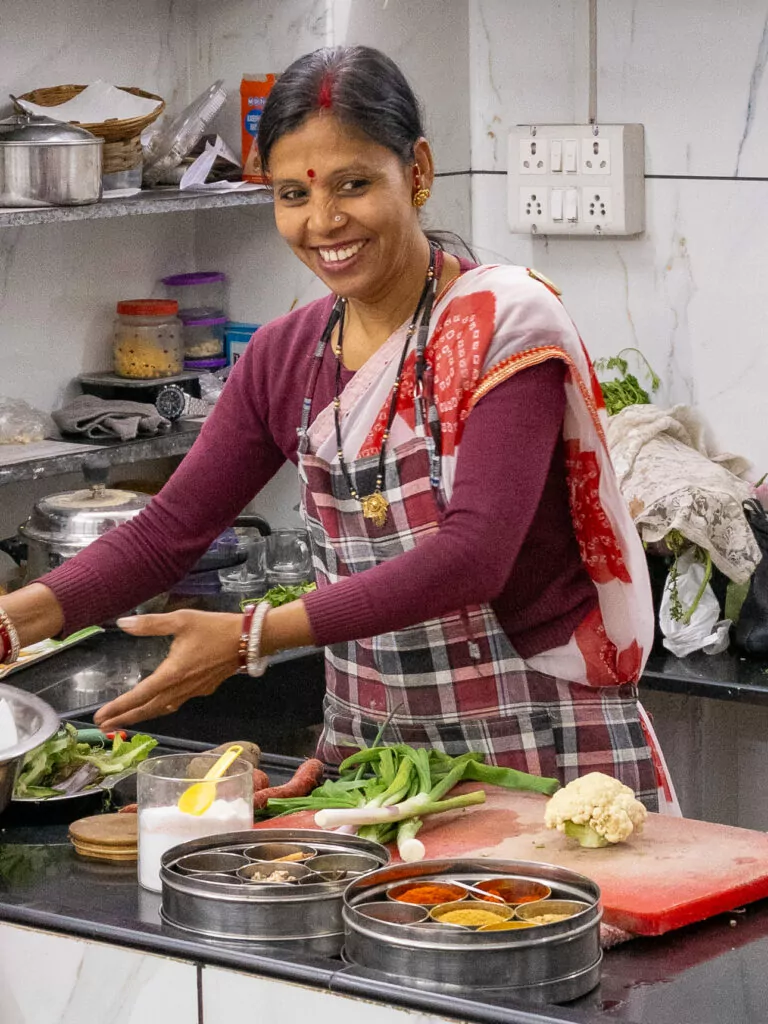
Something tangible you can do during your trip, for your own comfort and for the communities you’re visiting, is to actively seek out women-led businesses. There are women-run homestays, transport companies, cooking classes, restaurants and loads more.
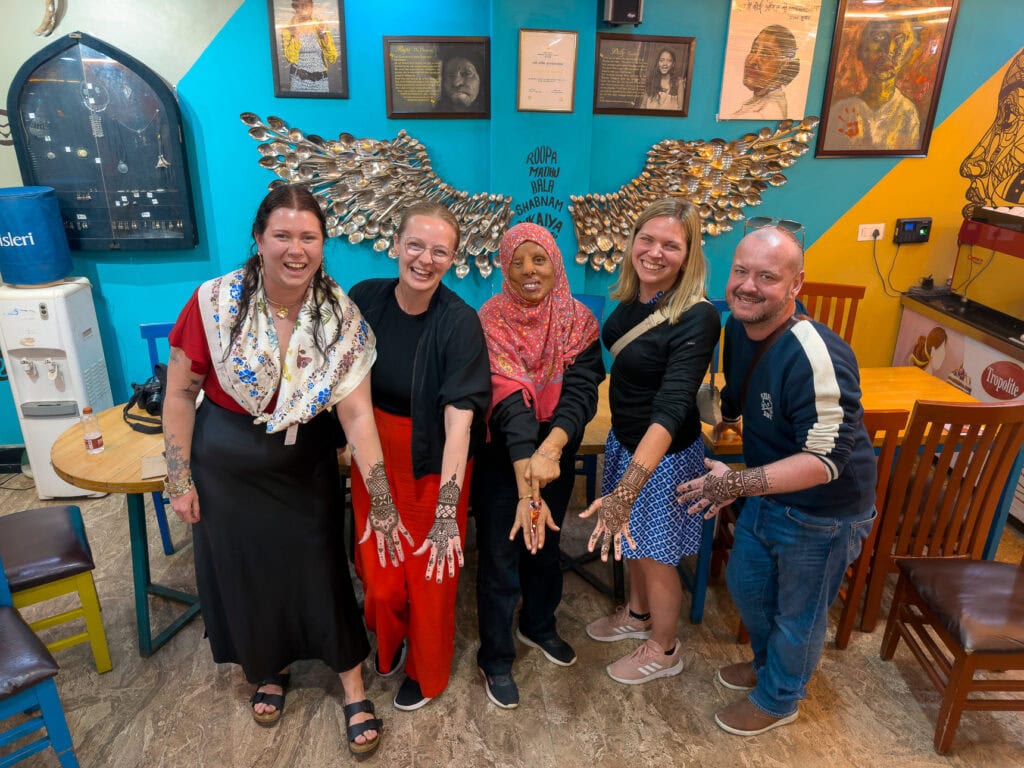
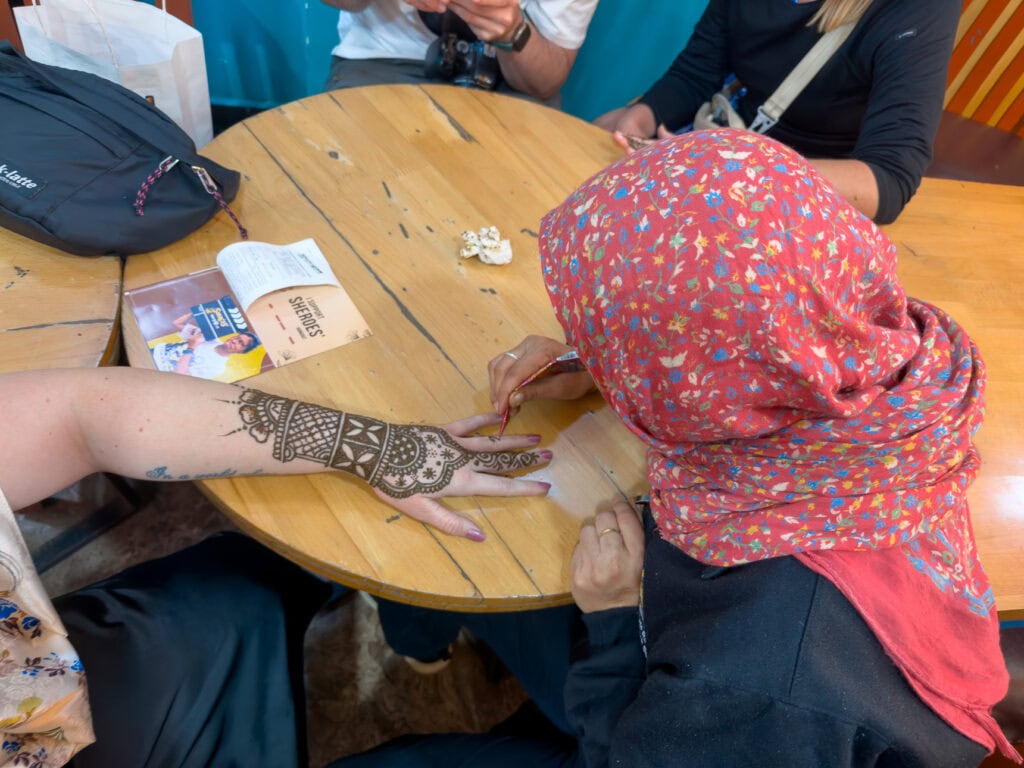
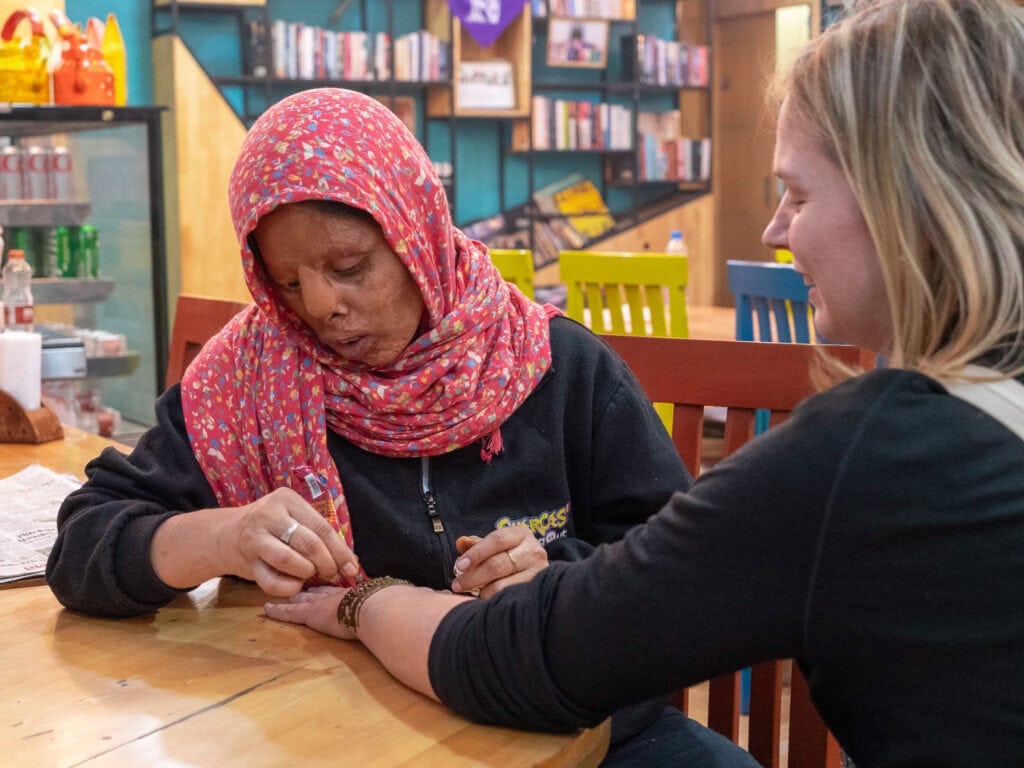
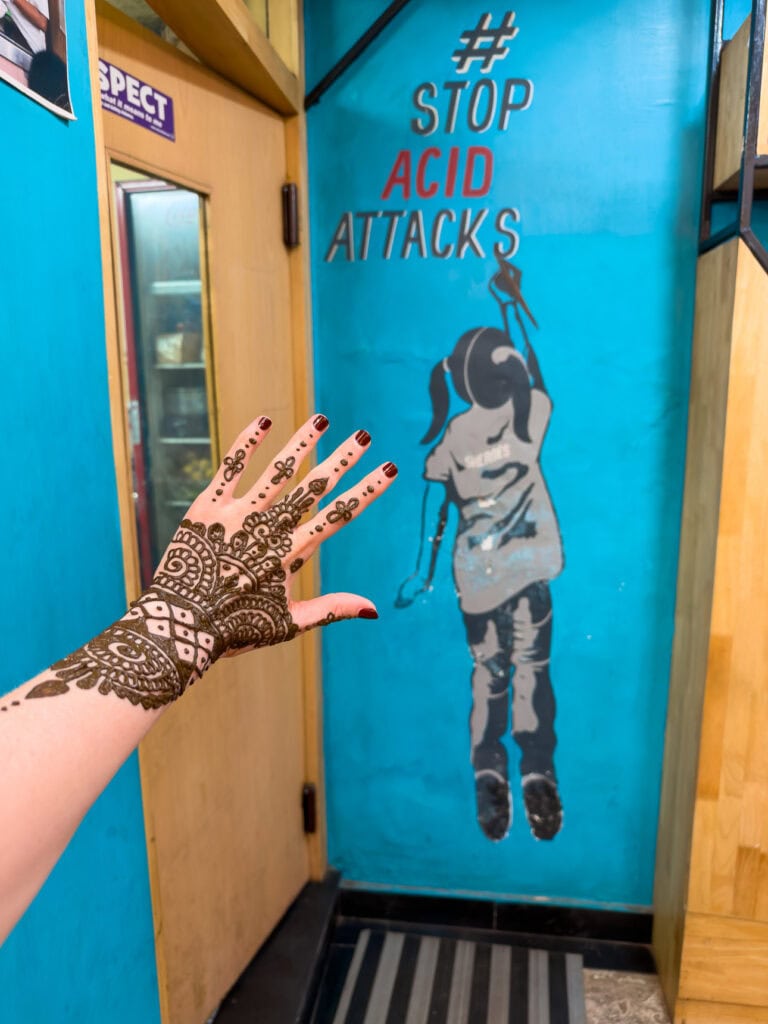
Sheroes Hangout Café in Agra is one of my favourite examples of this, it’s a café run by acid attack survivors where women who’ve faced unimaginable violence can earn a living, build confidence and connect with people outside of the communities that stigmatise them.
We went here on my India tour with One Life Adventures after visiting the Taj Mahal and oh my gosh, it was a rollercoaster of a day. Hearing the stories behind the phenomenal women who work there, my new friend Shabnam painting an exquisite henna design on my arm, a divine Nutella milkshake as a bonus, definitely a transformative experience.
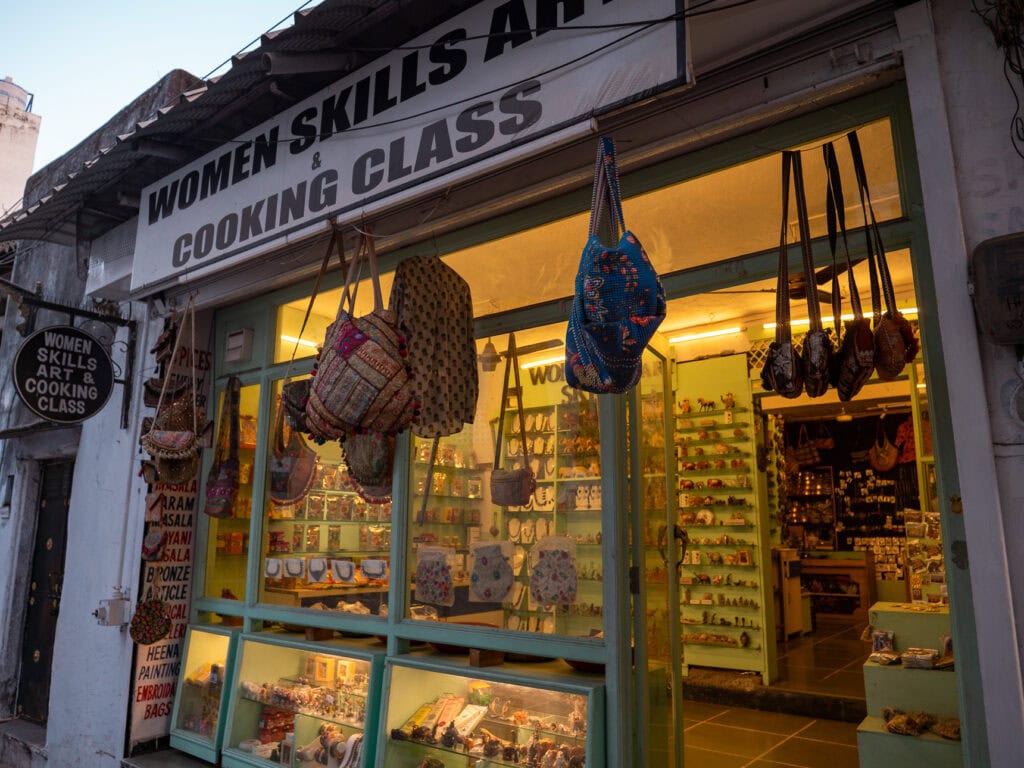
Some other women-led ventures to check out are:
The more travellers who support women-owned businesses in India, the more viable those businesses become, the more women are employed, and the better the whole solo female travel experience gets for the next generation of girls who visit India. Everybody wins (except for the patriarchy, sucks for them!).
Share responsibly
One last thing before we wrap up: how you portray India online and offline matters more than you probably realise, even if the only people religiously watching your Instagram Stories are your aunty and your high school nemesis!
We as travellers have the power to either reinforce or dismantle stereotypes when we talk about a destination, and somewhere as diverse and complex as India deserves to be portrayed truthfully and fairly, not just the bits that get the most engagement.
Every video of beggars at traffic lights, every photo of scarily crowded train platforms without context, every caption about how it’s the most dangerous country in the world for women, all of these perpetuate the narrative that India is somewhere to be feared and avoided rather than somewhere multi-faceted that should be explored with an open mind.
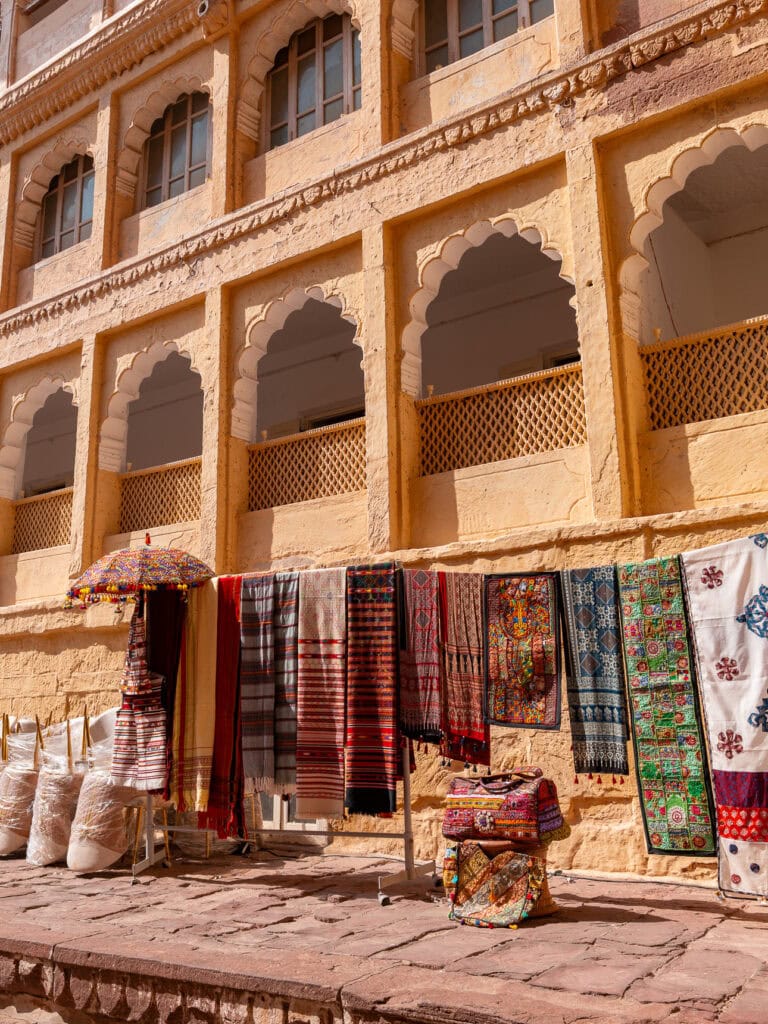
As solo female travellers specifically we have even more responsibility to share our true experience and honest reviews for the places we went and things we did, so that other solo gals can plan their trips based on what we learnt.
To be very clear, I certainly wouldn’t want anyone to lie about their India trip and minimise any discomfort because you don’t want to make India look bad. If you had any negative interactions where you felt unsafe or if (god forbid) you were assaulted, you should talk about that however you wish. If you feel comfortable sharing specifics around what happened and where so you can warn other travellers off certain experiences, that’s incredibly helpful for the solo female travel community.
And please, share the good stuff too! The colours everywhere, the food that just keeps coming to the table, the stories you learn about inspiring local women who are defying society’s expectations to become tour guides and drivers, the invitations to come dance in wedding processions, the landmarks so spectacular that you had a tear in your eye, the dreamy heritage hotel that only hires from local villages to teach the boys English so they can build a lifelong skill to expand their career options, all these things deserve their turn in the spotlight too.
India solo female travel FAQs
Is India safe for solo female travellers?
India can be safe for women travelling alone, but it requires more vigilance than most popular solo destinations. The main concerns are opportunistic sexual harassment, petty crime and scams targeting tourists. A small group tour like One Life Adventures gives you the safety net of a local guide and travel buddies, or book reputable accommodation and transport if you’re going independently.
What should you wear in India as a woman?
Dressing modestly in India will help you blend in which can reduce unwanted attention. Loose-fitting clothes that cover your shoulders, chest and knees in breathable fabrics like cotton or linen, a lightweight scarf for religious landmarks and layers you can take off when it gets too hot.
Do I need to cover my shoulders and knees while travelling in India?
There’s no legal requirement, but it’s strongly recommended in smaller towns, holy cities and rural areas. Many temples, mosques and gurdwaras enforce strict dress codes, and some provide robes or head coverings if you don’t have your own. Urban centres and beach destinations are more relaxed, but covering up reduces unwanted staring.
What are the most common scams in India to watch out for?
Fake hotel listings on booking platforms (especially around Delhi airport), taxi drivers claiming broken meters or closed routes, fake priests demanding money after unsolicited “blessings”, strangers leading you away from crowds to demand payment, and commission touts redirecting you to overpriced shops. Solo travellers are seen as easy targets so stay vigilant.
Do I need a visa for India?
Yes, most foreign nationals need a visa, and the official visa website is a complete nightmare so don’t leave it until the last minute. I tried to apply two weeks before my trip and the website gave me error after error, it took another week for me to actually be able to submit the application.
Is public transport safe for solo female travellers in India?
It depends on what you book. Air-conditioned train classes (CC, EC, AC1/2/3) are comfortable and generally safe. Women-only metro carriages exist in Delhi and other cities. Avoid unreserved or basic sleeper class trains. Uber operates in most major cities with safety features like audio recording. Pre-book your airport arrival transfer.
Is tap water in India safe to drink?
Noooope, don’t drink it, brush your teeth with it or swallow it in the shower. Stick to bottled or filtered water only and check the seal is intact before drinking. Most reputable hotels and restaurants serve safe water, and many cafes use filtered water for ice. Pack rehydration sachets just in case.
Do they use card or cash in India?
Both, but cash is essential for markets, street food stalls, tuktuks and smaller shops. Card acceptance has improved in cities, tourist restaurants and chain hotels. SBI ATMs tend to work best with international cards. Avoid non-bank ATMs for security reasons and carry a mix of small and large denomination notes.
Do I need travel insurance in India?
Non-negotiable. Medical care quality varies drastically by location, with world-class private hospitals in major cities but limited options in smaller towns. A good policy can help locate hospitals, manage payments, arrange translators and organise transport home, plus coverage for theft, lost luggage and travel disruptions.
What women-led businesses can I support in India?
Loads! Sheroes Hangout Café in Agra is a must (run by acid attack survivors), Sakha Drivers for female drivers in Delhi and Jaipur, Sadhna in Udaipur (women’s handicraft cooperative with 550+ artisans), and Pink City Rickshaw Company in Jaipur for tours with female drivers. Look for women-run homestays, cooking classes and artisan collectives too.
Should I join a tour or travel independently in India as a solo female traveller?
A small group tour is my top recommendation for solo women, you get the safety of a local guide, built-in travel buddies and zero logistical stress. I did this India Classic tour and it was a game changer. If you’d rather go independently, hiring a private driver is comfortable, easy and the next best option for security, or public transport is possible with lots of research first to find solo-female-friendly options.
Is it safe to eat street food in India?
Yes, if you’re smart about it. Stick to busy stalls with high turnover where food is cooked fresh in front of you, avoid salads washed in tap water and ease into spice levels gradually. If you do get sick while travelling solo, download Swiggy (India’s food delivery app) so you can order plain rice and water to your hotel room.
How much does a solo trip to India cost?
India is very affordable by global standards but solo travellers can’t split costs. For hostel dorms or homestays, public transport, street food and cheap activities, budget travellers could get by with $20-40USD per day. Mid-range hotels, AC trains, local restaurants and more activities, $40-80USD will keep you comfortable (up to $120 if you want a private driver). Luxury travel could be anywhere from $150USD per day up.
Can I use Uber in India?
Yes, Uber operates in most major Indian cities and is one of the safest transport options for solo female travellers. It’s slightly pricier than tuktuks but gives you GPS tracking, driver details and a digital record of every trip. India’s Uber app also has extra safety features like audio recording and off-route detection that I haven’t seen elsewhere.
Do I need vaccinations for India?
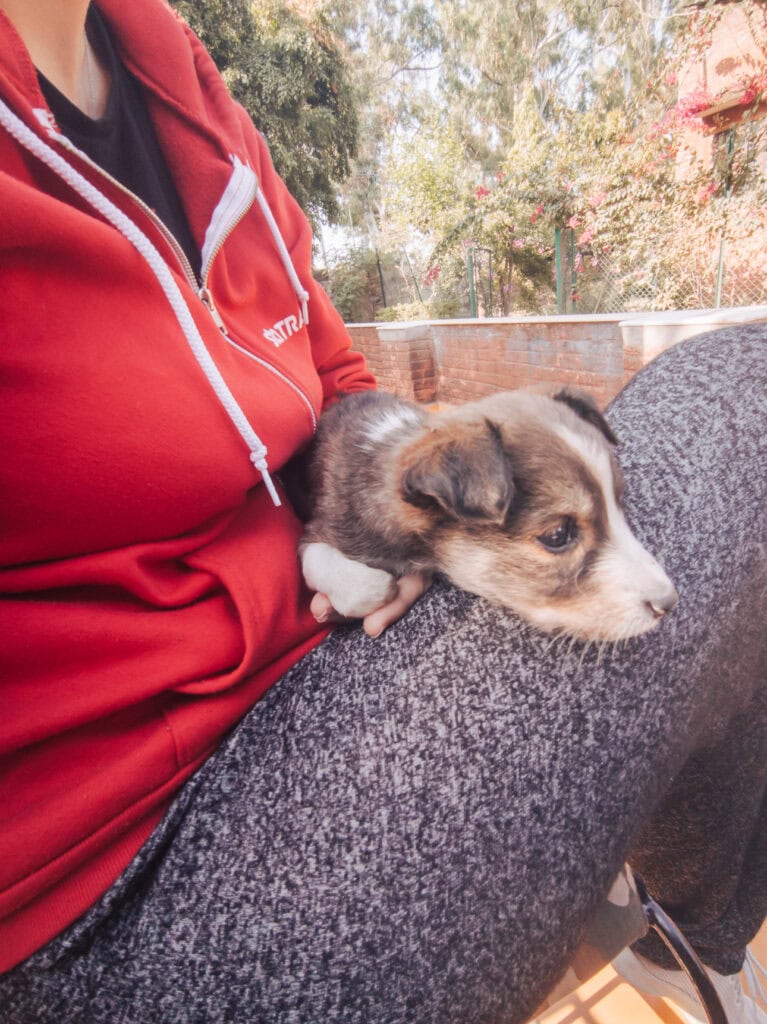
Consult a travel health professional at least six to eight weeks before your trip for personalised advice based on your itinerary. Commonly recommended vaccinations include hepatitis A, typhoid and tetanus, rabies pre-exposure vaccination is pricey but might be worth it depending on how much willpower you have when you see the cutest puppy in the world (I have none).
Final thoughts on solo female travel in India
India is not an easy destination to travel solo as a woman, but the hard parts aren’t necessarily what you think they’ll be before you go.
Everyone around you will have an opinion about your safety, and most of those opinions will be based on fear and misconceptions rather than firsthand experience. They might be well-meaning, but they’re annoying!
What people don’t warn you about though, and what certainly affected both of my solo trips to India significantly more than threats to my physical safety, was the emotional, logistical and sensory weight of it all.
The sensory overload is next level, more intense than anywhere I’ve ever travelled, and it can drain your energy biiig time if you don’t expect it and build in rest periods. Low energy = not as alert = silly mistakes, and when you’re solo in India you don’t always have the room to make mistakes.
Logistically, things work differently to what you might be used to and that’s extra frustrating when you’re managing it all yourself. Accommodation standards are inconsistent, transport is unpredictable, even something as simple as crossing the road has a different set of rules to back home.
And emotionally, for me at least, seeing inequality play out in society at such a visible scale was hands down the most impactful part of both trips.
Children living in extreme poverty on street corners, the noticeable lack of women in tourist-facing jobs, the way international visitors (white-passing ones especially) are put on a pedestal because of social structures leftover from colonisation, these took up far more of my brain space than the discomfort that came from staring or other cultural differences.
India is also one of the most captivating countries I’ve ever set foot in though, and when you’re prepared for the confronting realities and the absolute bedlam on the ground, you’ve got so much more capacity to appreciate the magic.
The gastronomic goodness, the mosaic of cultures, the architectural marvels and historical icons that look even more spectacular in real life, they’re 100% worth the effort, energy and discomfort.
If you’ve made it to the end of this post then you’re already more prepared than most! Still got questions about solo female travel in India that I haven’t covered? Drop them in the comments and I’ll do my best to help.
Go see it for yourself and let me know how it goes 🥰
MORE INDIA & SOUTH ASIA TRAVEL GUIDES:
- A guide to solo travel in the Maldives
- A guide to solo travel in Sri Lanka
- Exploring Sri Lanka with One Life Adventures
MORE SOLO TRAVEL GUIDES:
- A guide to solo travel in Albania
- A guide to solo travel in Porto, Portugal
- A guide to solo travel in Amsterdam, the Netherlands
- A guide to solo travel in Edinburgh, UK
- A guide to solo travel in Copenhagen, Denmark
- A guide to solo travel in Jordan
- A guide to solo travel in Kuala Lumpur, Malaysia
- A guide to solo travel in Bangkok, Thailand
- A guide to solo travel in Japan
MY GO-TO TRAVEL PLANNING RESOURCES
Flights ✈️ I use Skyscanner to find the best flights for my trip and then I’ll always book direct with the airline to protect myself from having to deal with dodgy third parties if anything goes wrong.
Trains 🚂 If I’m travelling through Europe, I try to travel by train wherever possible! For an extended trip (2+ weeks) I’ll calculate if a Eurail Pass is worth it, or I’ll book point-to-point tickets through RailEurope or the local train operator.
Accommodation 🛎️ I book almost all of my accommodation through booking.com, they have a user-friendly website + app and many of their options are free cancellation, easily cancelled with a simple click of a button.
Activities 🗽I use GetYourGuide, Klook and Viator to look for activities in the places I visit, or I just Google ‘things to do in [city]’! P.S. If you book anything on Klook you can use the promocode FINDINGALEXXKLOOK to get 10% off
Travel cards 💳 I’m a Wise gal through and through, they’ve been my chosen travel card for more than five years now. You can easily top up your card from your bank account or through Apple Pay, convert your money to local currency, and spend money with minimal fees and the best exchange rates around.
Travel insurance 🩺 I use Cover-More NZ travel insurance for my own trips, I have a comprehensive policy and I’ve only had good experiences with them. Cover-More also has an Australian company, but if you’re from elsewhere then two popular insurance options for global travellers are SafetyWing (cheaper policy, lower coverage) and World Nomads (more expensive but significantly better coverage).
Luggage 💼 I travel with Samsonite Cosmolite suitcases, one 75cm check in bag and a 55cm carry on bag, and I absolutely adore them and will never travel with anything else! They are SUPER lightweight (2.8kg and 1.9kg respectively) so I have much more space for my actual stuff.
Camera gear 📸 I use a iPhone 15 Pro Max for phone photos/videos, and my camera kit includes a Lumix S9 (incredible lightweight full-frame camera, a game changer for travel creators!) with a 20-60mm lens, a Lumix G9 with an 8-18mm and 12-60mm lens, a DJI Mini 3 Pro drone and a GoPro Hero 10. I do all my writing and editing on my ASUS Zenbook 14, it’s lightweight but powerful enough for photo editing and intense blogging sessions.
