
12 Switzerland travel mistakes I made so you don’t have to
This post includes some affiliate links and I earn a small commission if you book through them. This helps keep this site running and lets me keep writing ultra-detailed travel guides that are free for you to use to plan your next adventure. Read more in my privacy policy.
Simple Switzerland travel mistakes like buying the wrong pass, booking accommodation without thinking about location or facilities, or planning a panoramic train trip that runs past sunset can really mess up the trip of a lifetime. Here’s what you need to know about my early errors to avoid making them yourself.
Switzerland is one of my favourite countries in the world, but I’d be lying if I told you that every one of my trips there has run perfectly smoothly 🙃
From wasting money on prohibitively pricey train tickets, to being stuck without mobile data in a tiny town at night, to losing my wallet and not having any back-up cash as a solo traveller (in the most expensive country in the world), I’ve had my fair share of Switzerland slip ups which have cost me time, money and stress.
But the good news is that I made the mistakes so you don’t have to!
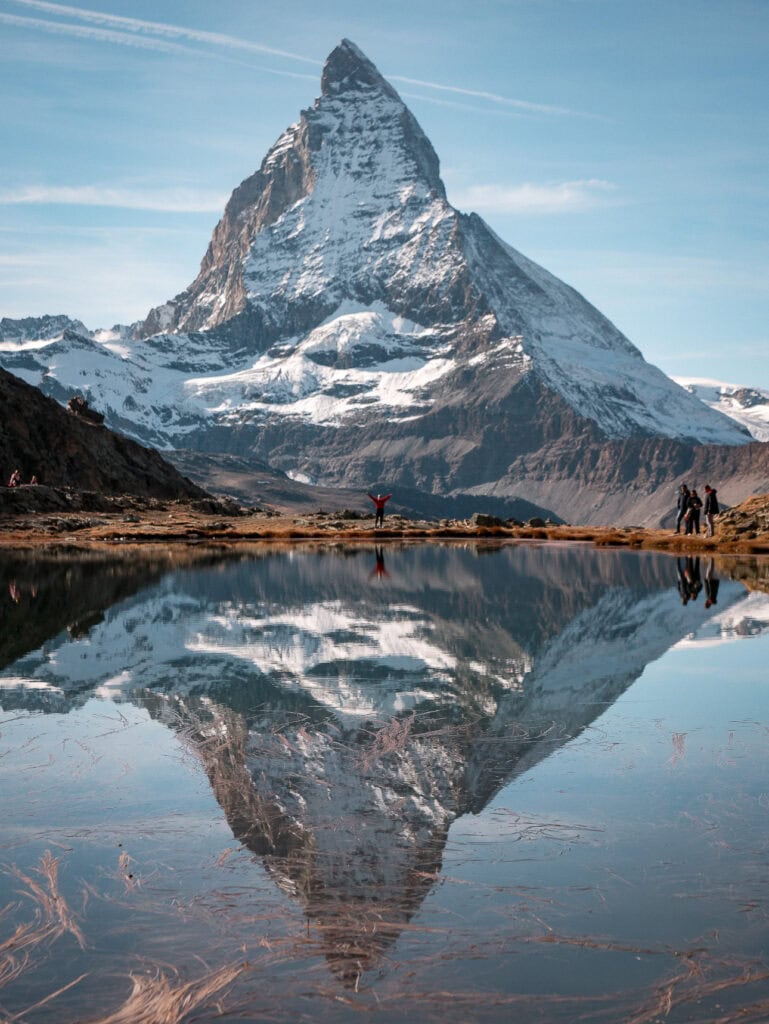
Whether you’re planning your first Swiss adventure or you’re finally heading back after a bit of a hiatus and need a mental refresh, these are the things you want to avoid to make sure your trip is unforgettable for all the right reasons and none of the wrong ones.
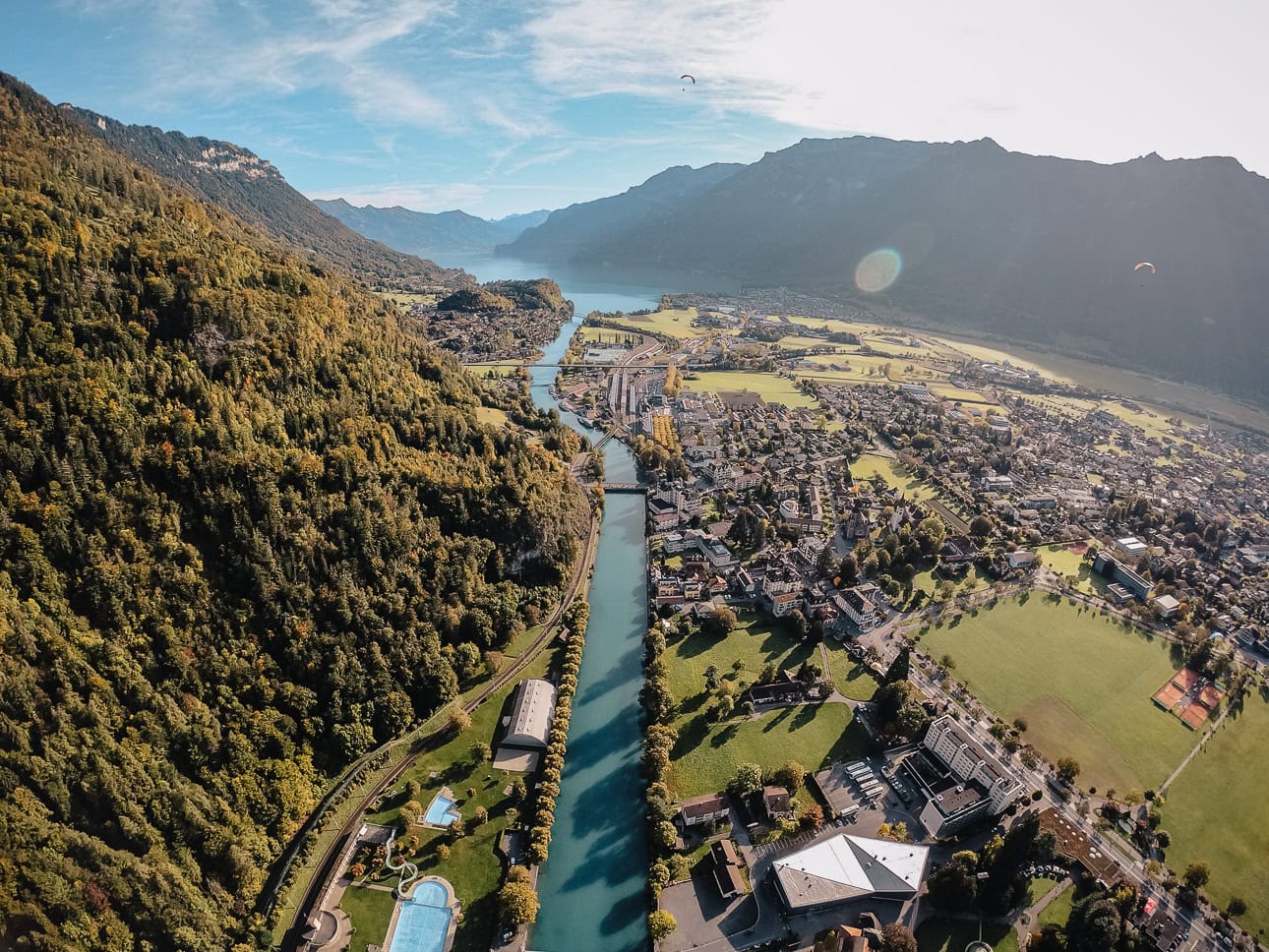
1. Not knowing about Switzerland’s travel passes
This is the first Switzerland travel mistake that catches sooo many travellers out!
Most first-time visitors to Switzerland overpay for transport by hundreds of francs without ever realising it, either because they didn’t know that travel passes existed, or because they bought the wrong one and got stung with on-trip costs they weren’t expecting.
On my first trip back in 2019 I travelled around for an entire week paying last minute full fare prices for every journey. Ouch 🫠 Looking back at my itinerary, a travel pass would’ve saved enough money to cover a delicious fondue dinner every single night!
If you’re doing three or more big intercity train journeys or mountain excursions, a travel pass will almost certainly be worth it.
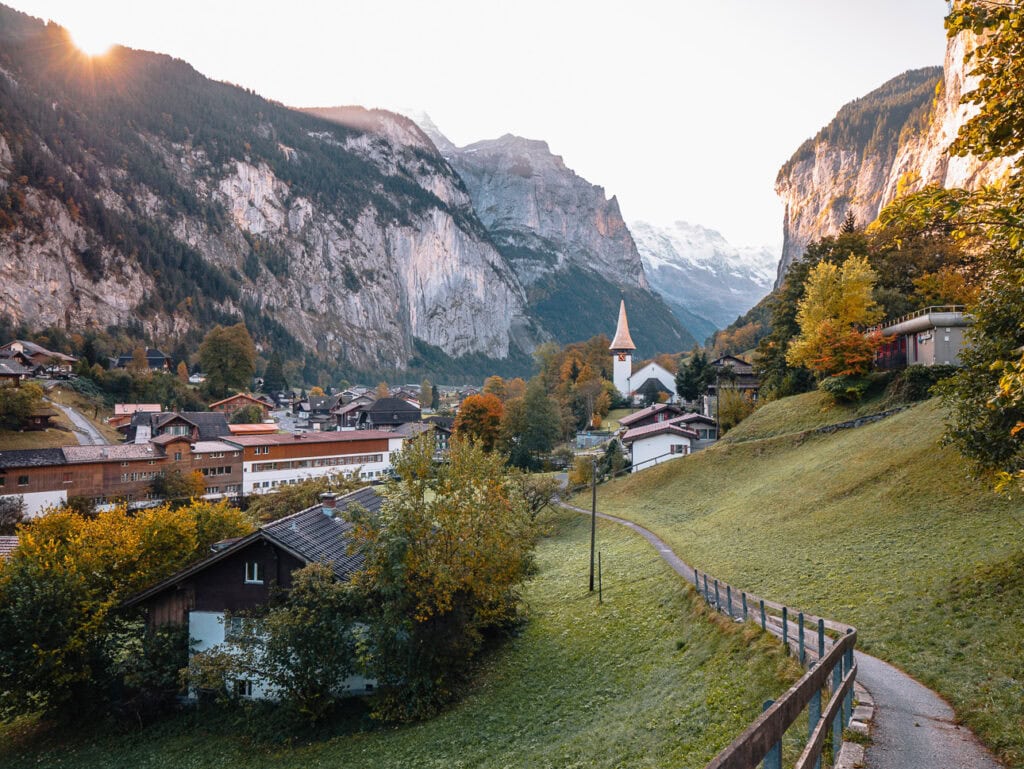
The two main national ones to know are the Swiss Travel Pass (unlimited trains, buses, boats, a couple of mountain excursions and 500+ museums) and the Swiss Half Fare Card (50% off pretty much all transport, including most mountain trips), but the regional passes like the Jungfrau Travel Pass, Lucerne Travel Pass and Berner Oberland Pass are fantastic for mountain-heavy trips centred on a particular area.
Which one is right for you depends entirely on your itinerary, how many days you’re there and how intensively you’re travelling.
If you already know your rough itinerary and non-negotiable mountains, the easiest starting point is this free Switzerland travel pass calculator, which’ll give you a personalised recommendation based on your actual routes rather than generic advice.
If you’re not sure of your plans yet or you just want to understand the logic behind the calculations, my Swiss Travel Pass vs. Half Fare Card breakdown looks at a bunch of common scenarios where one or the other takes the podium, and for a full overview of all the worthwhile national and regional options, my complete guide to the best Switzerland travel passes has you covered.
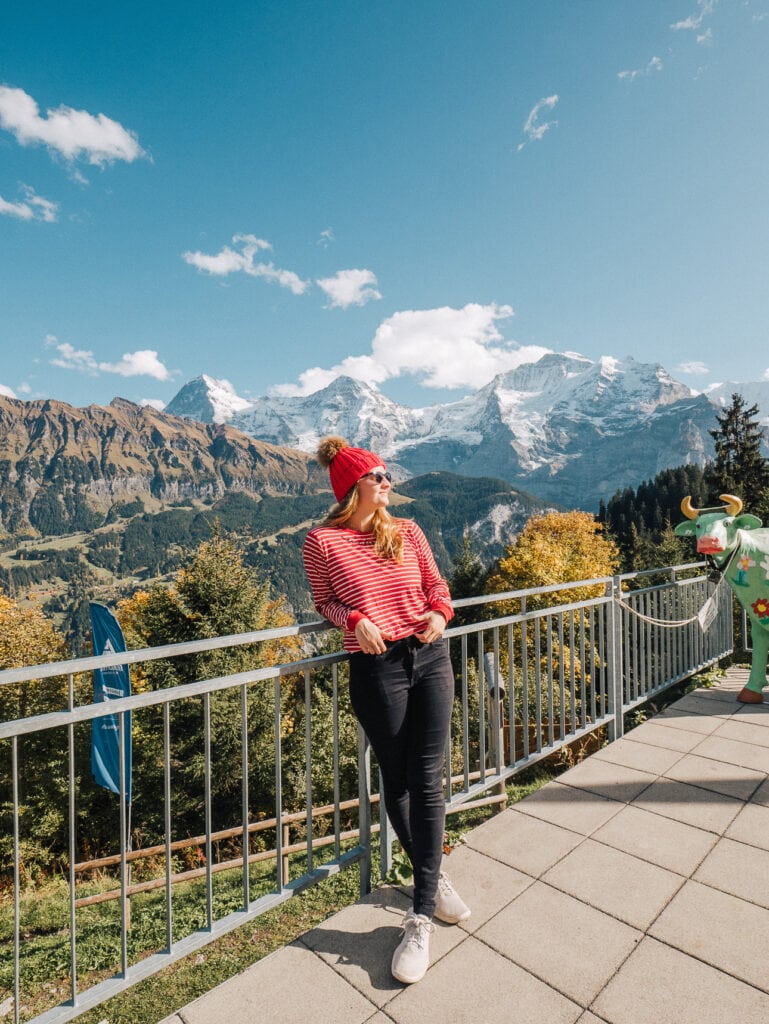
2. Leaving everything until the last minute
Switzerland rewards planners and punishes procrastinators more than almost any other destination in Europe, and I say this as someone who makes this mistake every single year despite knowing better 🙃
I’ve had to completely change my plans because Lauterbrunnen had zero availability for my dates, I’ve seen basic guesthouse rooms charging up to €200 in tourist areas because of high demand, and I paid €120 for what was basically a prison cell in Zurich (no toilet) because I stupidly waited until a few days before my trip to book. And that one was on a weekday in November!
Accommodation in popular spots like Grindelwald, Lucerne’s old town and Zermatt can book out well in advance, and what’s left when you leave it late is often either inconveniently located, poorly reviewed or priced like it knows you have no other options. Sometimes all three haha.
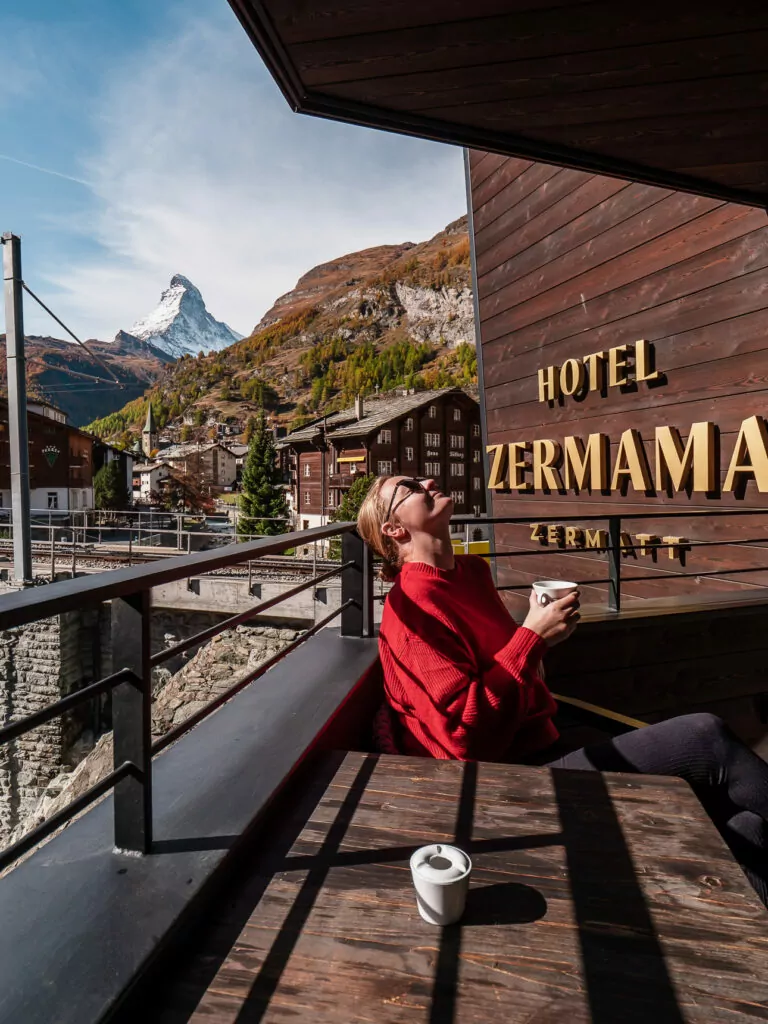
For peak season (roughly June to September), aim to book your accommodation three to four months ahead if you’ve got a budget to stick to. For the shoulder months you can be a bit more chill, though the top-rated affordable options can still get snapped up weeks before you arrive.
A similar logic applies to train travel. You won’t get stuck without seats (apart from panoramic trains but more on them soon), but late bookings will absolutely cost more than if you planned ahead.
SBB’s Supersaver tickets are available six months before travel and they can get you up to 50% off full fare prices for specific train departures, but they’re limited per train and the price goes up as more get booked.
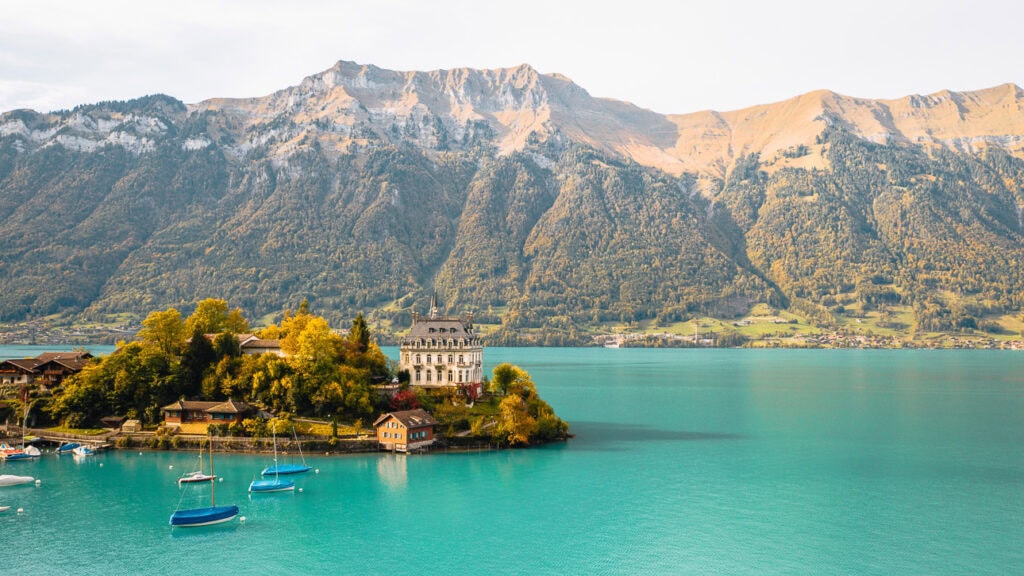
Saver Day Passes are single-day passes which give you unlimited access to the whole public transport network for a day, so they’re more flexible than Supersaver tickets tied to an exact train, but they’re also priced dynamically so get more expensive as demand increases.
And if you’ve already decided to get a Half Fare Card for your trip, you get access to even cheaper Supersaver tickets and Saver Day Passes to really double down on the discount.
3. Buying a SIM that didn’t work in Switzerland
Switzerland isn’t part of the EU, and quite a few of the major European SIM cards or eSIMs don’t include it in their coverage.
I found this out the hard way when I bought a WINDTRE SIM card in Italy that was sold to me as covering all of Europe, got on a train to Switzerland, and realised I was cut off as soon as we crossed the border.
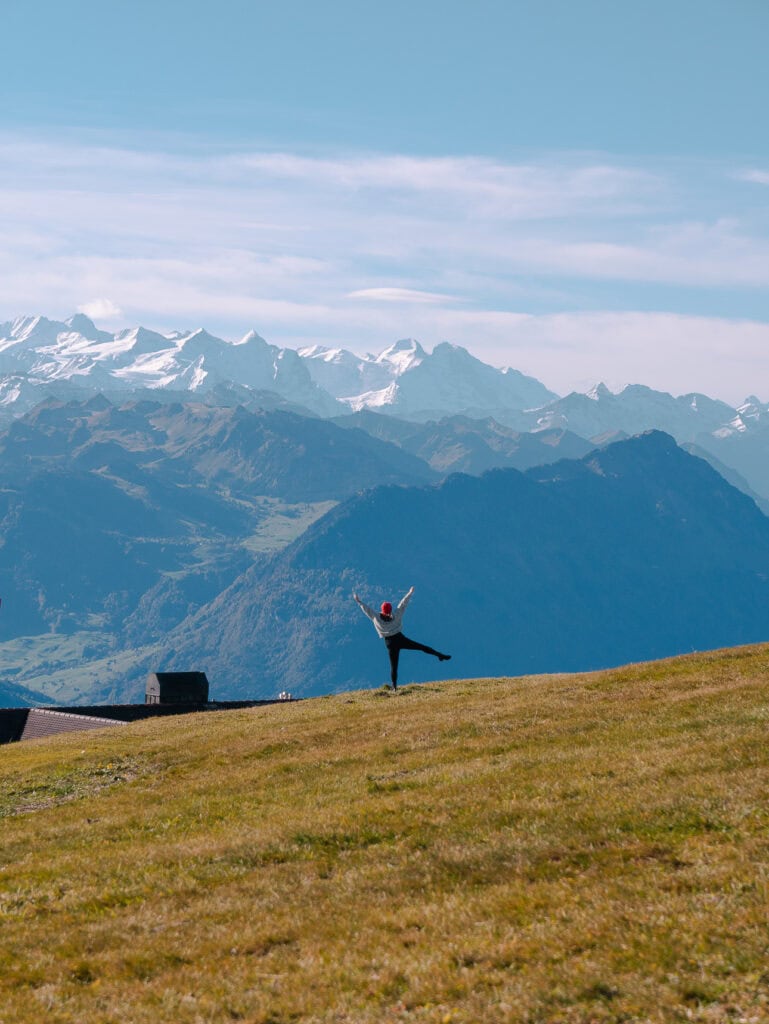
The train had no WiFi and I was arriving late in a small town with no map, no way to contact my accommodation and no way to look anything up, which is not a situation I would recommend to anyone 🤦🏼♀️
No data while travelling isn’t just annoying, it’s a genuine safety issue if you’re arriving somewhere unfamiliar, especially after dark. Switzerland is brilliantly safe so the likelihood of something bad happening is pretty low, but if something went wrong, not having internet or a way to contact anyone is definitely not going to help the situation.
These days I use eSIMs for every trip and I won’t go back. They’re super easy to install before you leave, there’s no physical card to drop on the train floor when you’re swapping them out, and they can be surprisingly affordable as long as you avoid the big name brands (where you’re paying a premium for the name rather than the product).
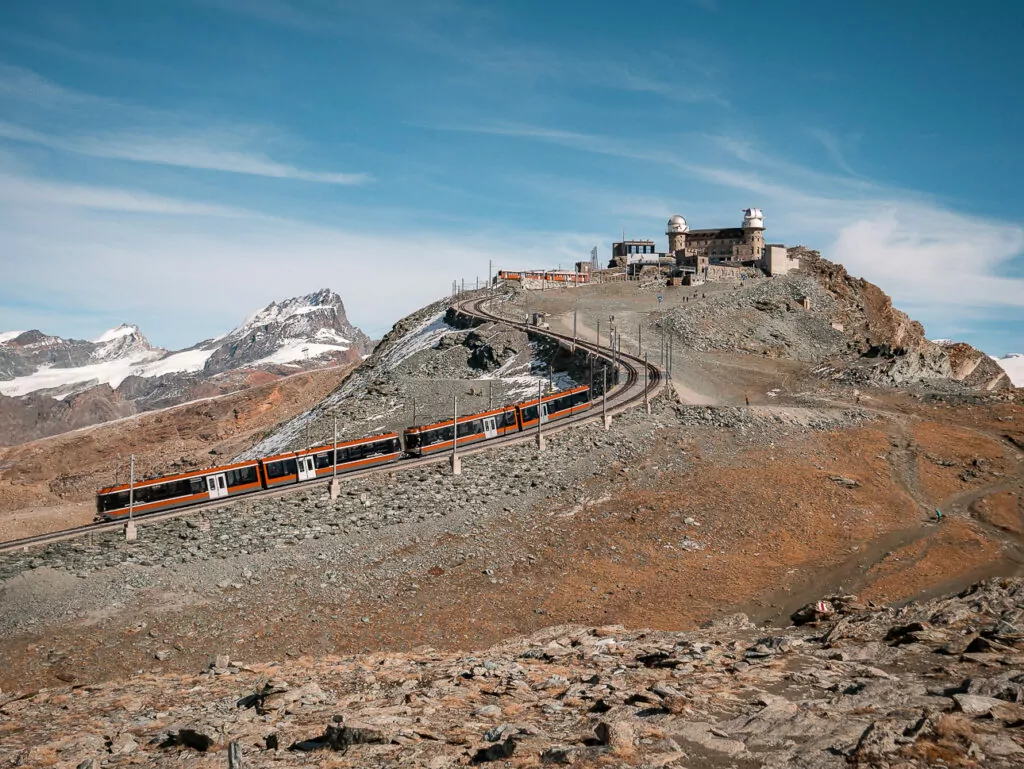
For Switzerland specifically (and for Europe, and for probably 80% of the countries I visit), my go-to eSIM is MobiMatter. At the time of writing these are their best deals:
- 50GB in 30 days in Switzerland for €27
- 20GB in 30 days in Switzerland for €13.50
- 20GB in 30 days in Europe (Switzerland included) for €17
- 30GB in 30 days in Europe (Switzerland included) for €23
- 50GB in 60 days in Europe (Switzerland included) for €37
- And you can use promocode FINDINGALEXX on your first purchase for extra cashback 💰
And to give you some comparisons with other options, these are what the better-known providers charge for their equivalent eSIMs:
- Airalo Switzerland: 50GB for €39.50 or 20GB for €32 (both 30 days)
- Airalo Europe: 50GB in 90 days for €89
- Holafly Switzerland: 7 days’ unlimited for €26.90
- Holafly Europe: 30 days’ unlimited for €68.90, 90 days’ unlimited for €128.90
- Saily Switzerland: 20GB in 30 days for €32
I’ve got a full guide to the best Europe eSIMs so you can compare all the options, and I’ll be working on a Switzerland one after my next trip.
4. Not checking seasonal timetables before planning my route
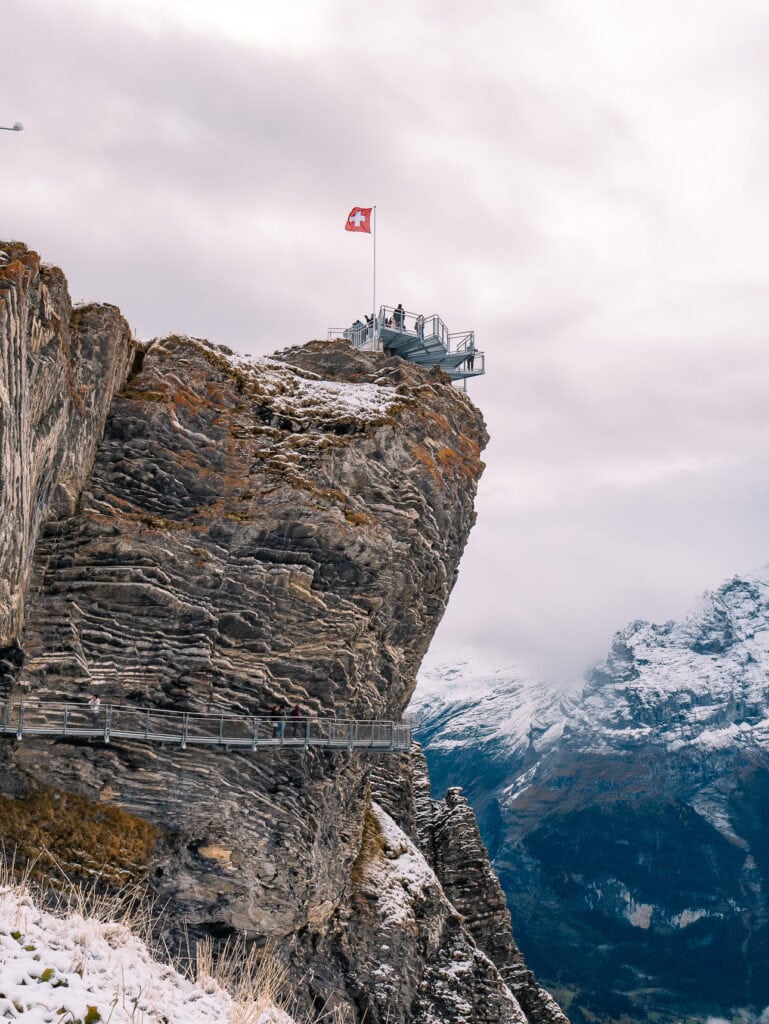
Most of the iconic train journeys and many mountain excursions run on seasonal timetables, with shutdown periods for maintenance or entire season closures, and if you’re building your Switzerland itinerary using Reddit threads or AI, you really need to check official timetables to make sure you’re not basing your plans off inaccurate or outdated info.
I learnt this the hard way when I was planning my first big Eurail trip (now known as Interrail) and built an entire three-month Europe itinerary around catching the magnificent Glacier Express, only to discover that despite loooads of websites saying it runs year-round, it actually shuts down for eight weeks every year from mid-October to early December.
It was a non-negotiable for that trip so I had to completely redo my entire route to fit it in 😵💫 a logistical nightmare.
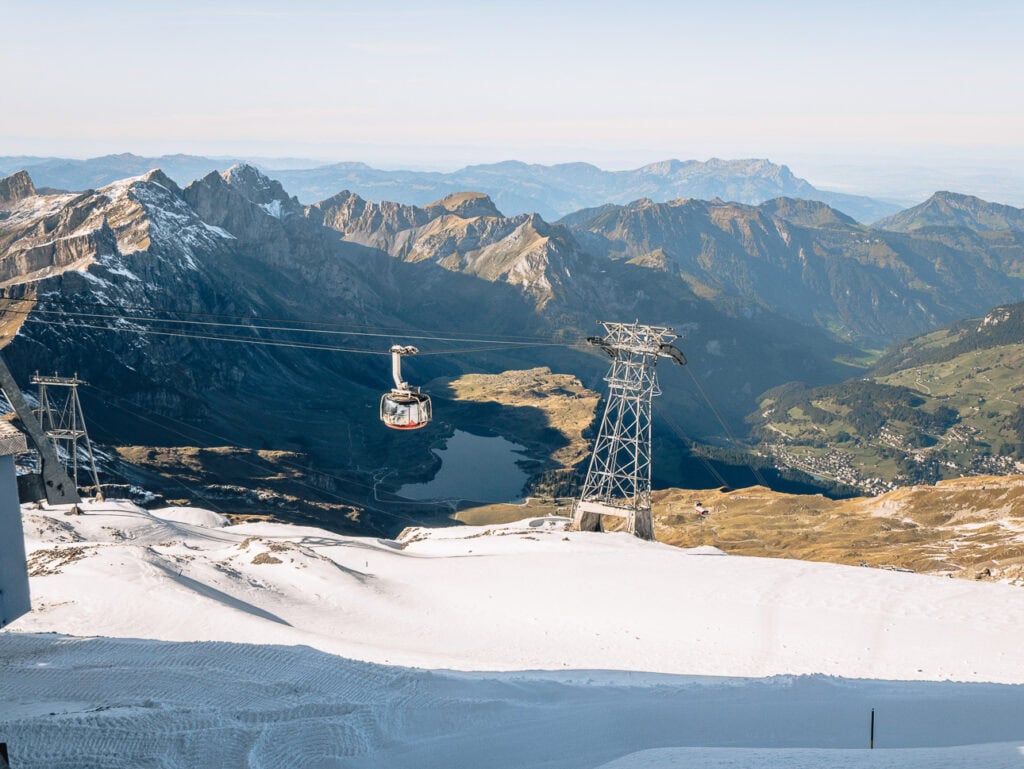
Cable cars, mountain railways and lake cruises are the same, so always check the official website for exact operating dates before you build your plans around anything.
5. Not booking the panoramic trains in advance
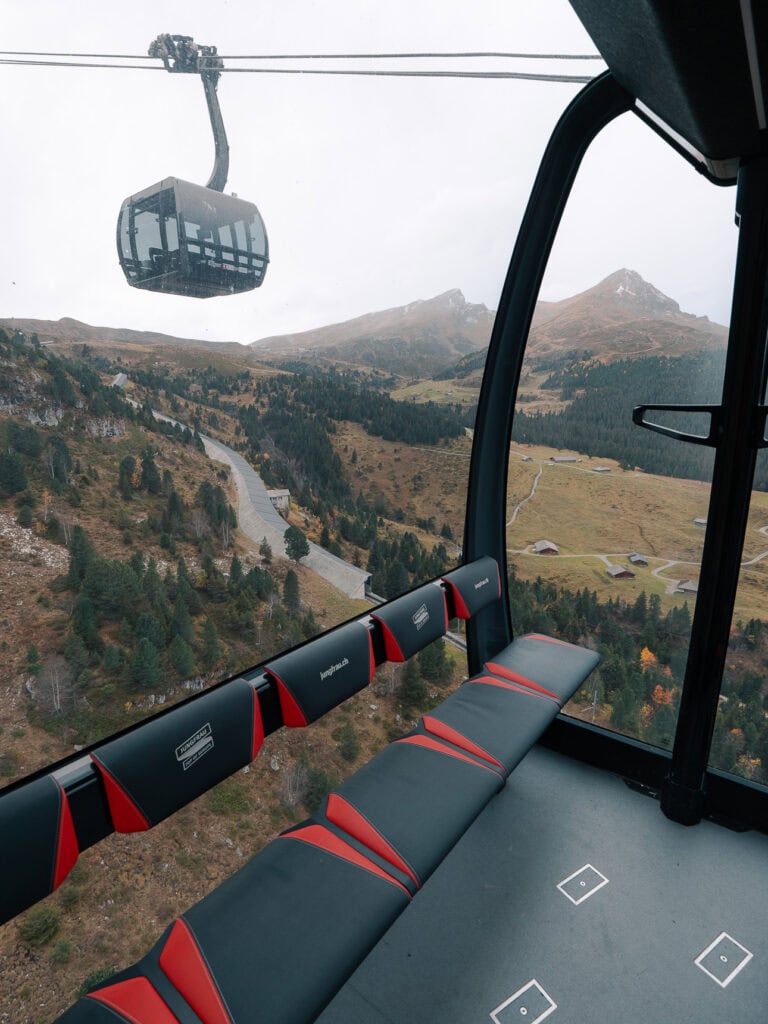
The Glacier Express and Bernina Express are two of the most spectacular train journeys in the world, so it’s no surprise that people travel from all corners of the planet to tick them off their bucket list.
Both get fully booked during peak summer and on popular weekends year-round, and even if you do find last-minute availability, window seats will almost certainly be gone, which is a bit of a disaster for a panoramic train through the Alps.
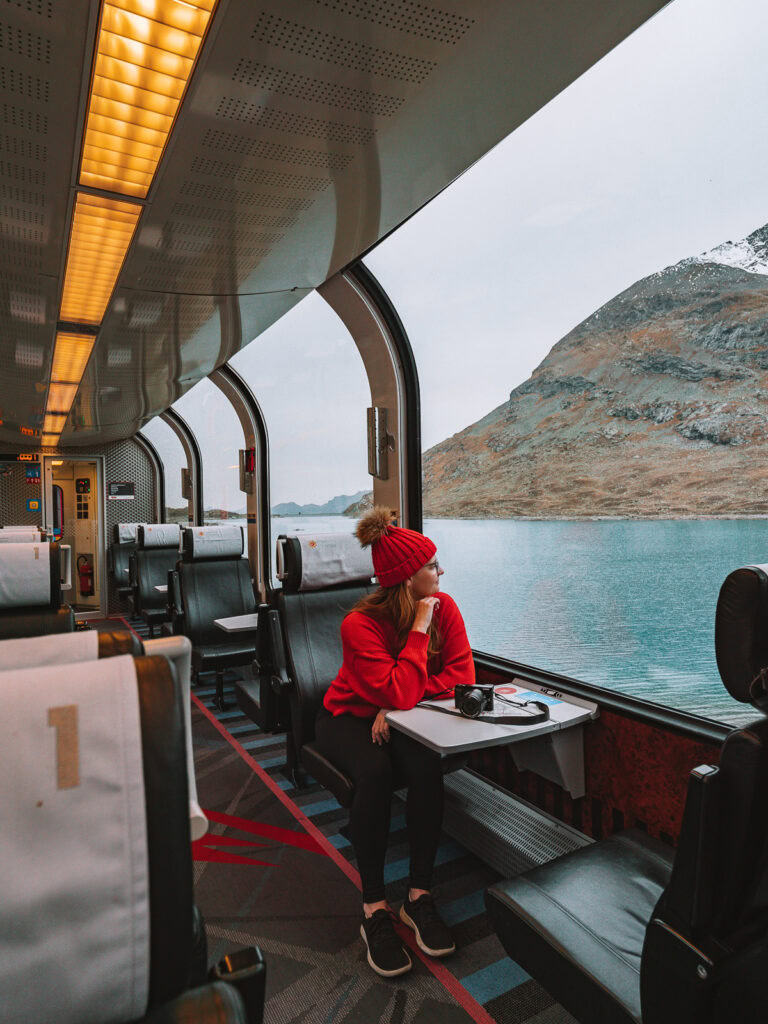
This is the kind of experience worth planning your trip around, so check availability across your trip, reserve your seats for whatever date suits, and use that as the anchor to mould everything else into place.
Not sure which one to prioritise? My Bernina Express vs. Glacier Express comparison breaks down the differences, I’ve also reviewed the Glacier Express and Bernina Express individually if you want the full picture before you book, and don’t discount the Gotthard Panorama Express if you’re visiting in the warmer months (it’s a lush train + boat combo that links Lucerne with Lugano).
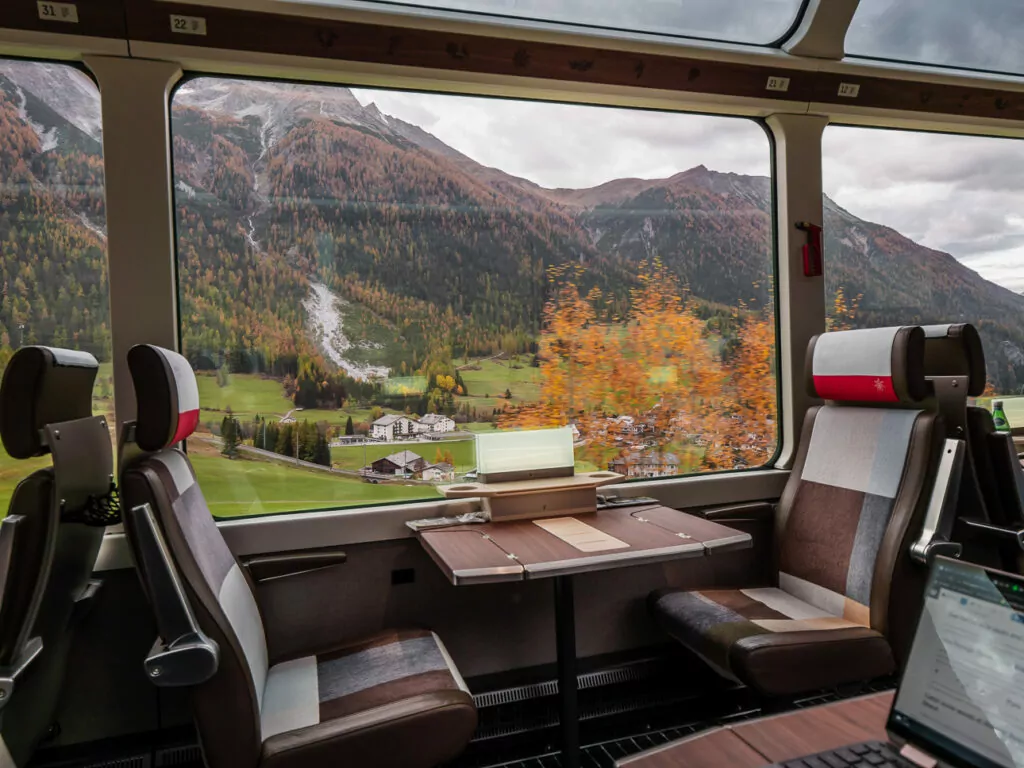
6. Booking scenic trains late in the day in winter
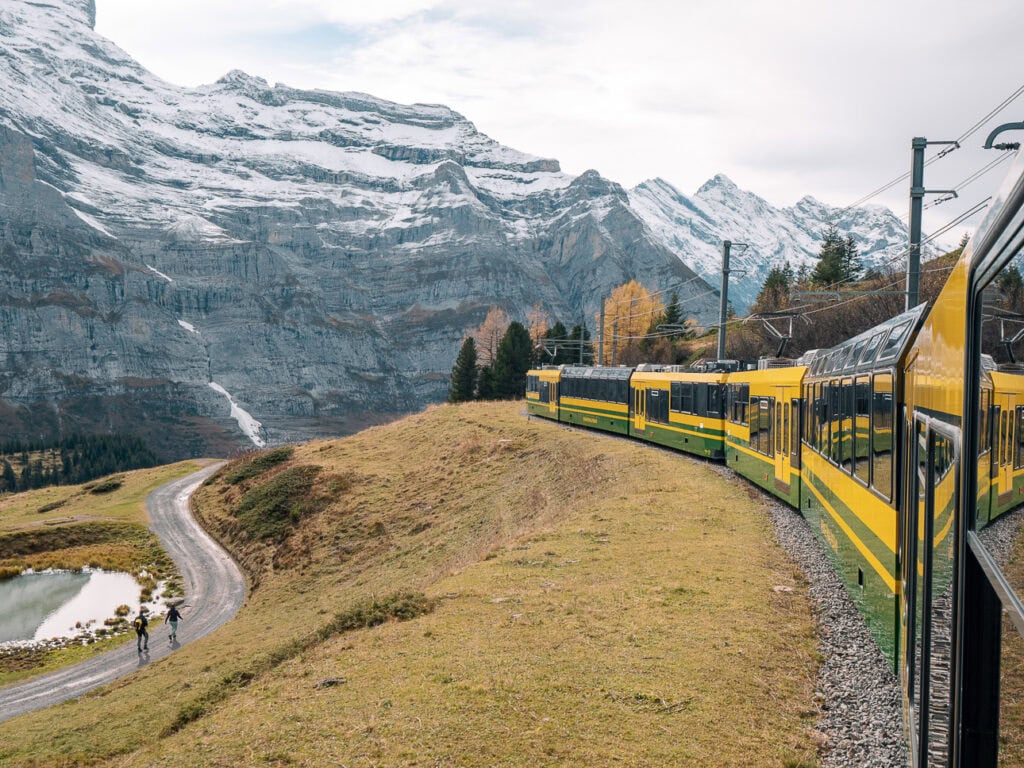
Switzerland’s winter days are short, and if you’re not paying attention to departure times when you book your scenic trains, you can end up spending the most visually impressive part of the journey in complete darkness.
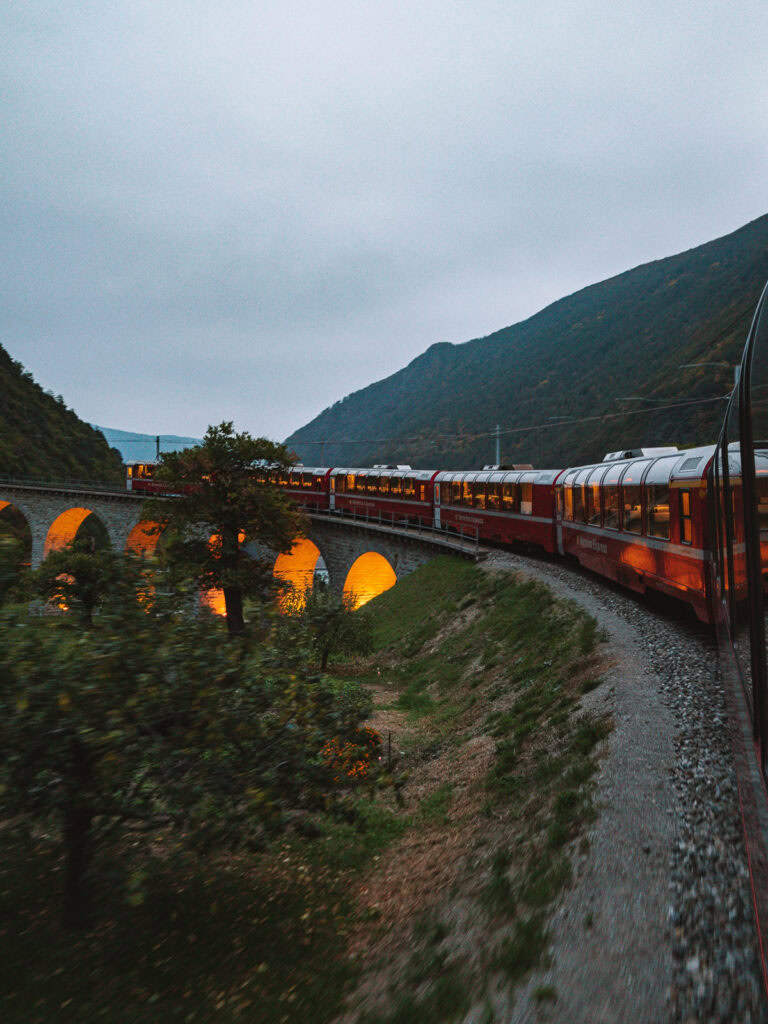
I did exactly this on my second Bernina Express trip, I was travelling from Tirano in Italy up to Chur and in winter the northbound service only runs in the afternoon, which meant the final hour and a half of one of the most scenic train routes in the world was pitch black outside the window 😑
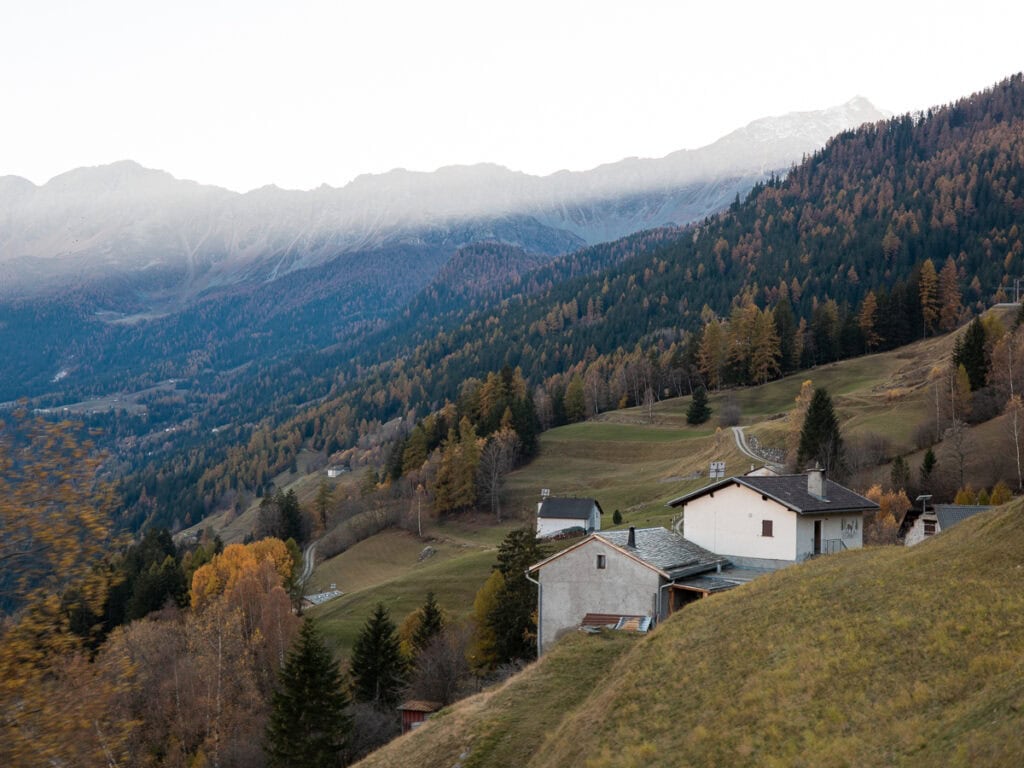
I’d done the route before so it wasn’t a huge loss for me personally, but there were some frustrated travellers onboard who clearly hadn’t considered sunset times when they’d planned their itinerary months earlier!
If you’re visiting travelling here in winter, plan any scenic journeys for the morning or early afternoon, and keep your evenings free for wandering old towns and eating your body weight in raclette.
7. Pre-booking mountain excursions in advance
So you know everything I’ve told you so far about booking things in advance for Switzerland? Yeah, well when it comes to cable car and mountain railways, none of that applies.
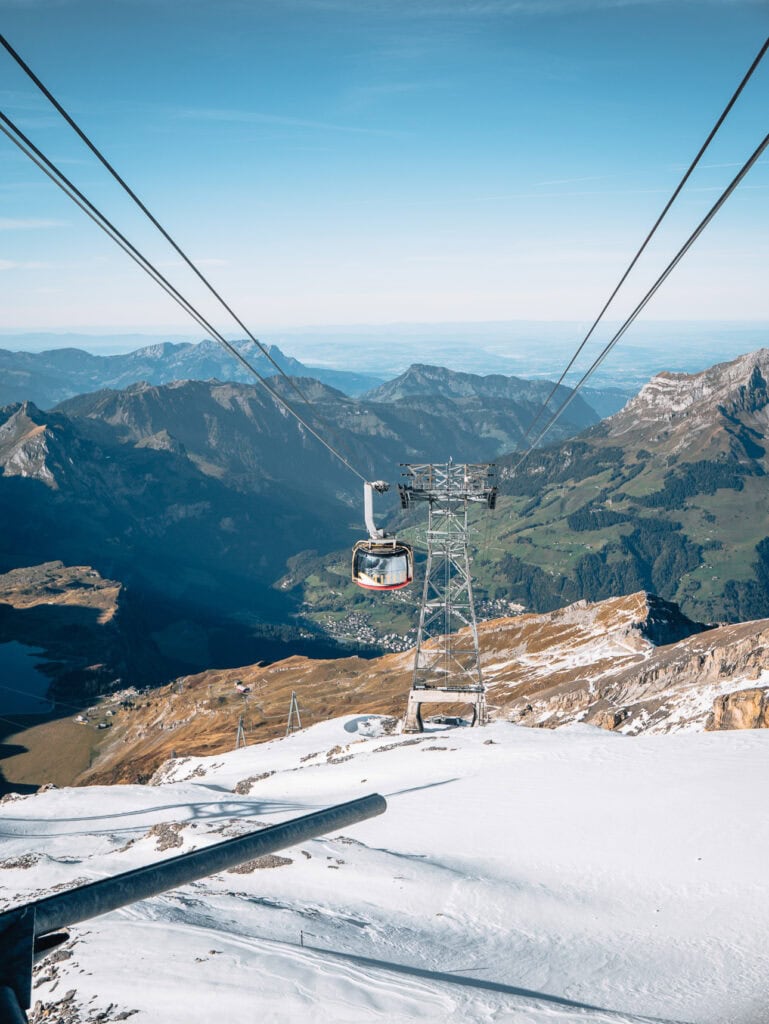
Alpine weather can change dramatically overnight, and on my first trip I pre-booked mountain tickets weeks ahead thinking I was being organised, only to spend a not-that-small fortune standing in the clouds with worse views than what I could see from my hostel dorm room.
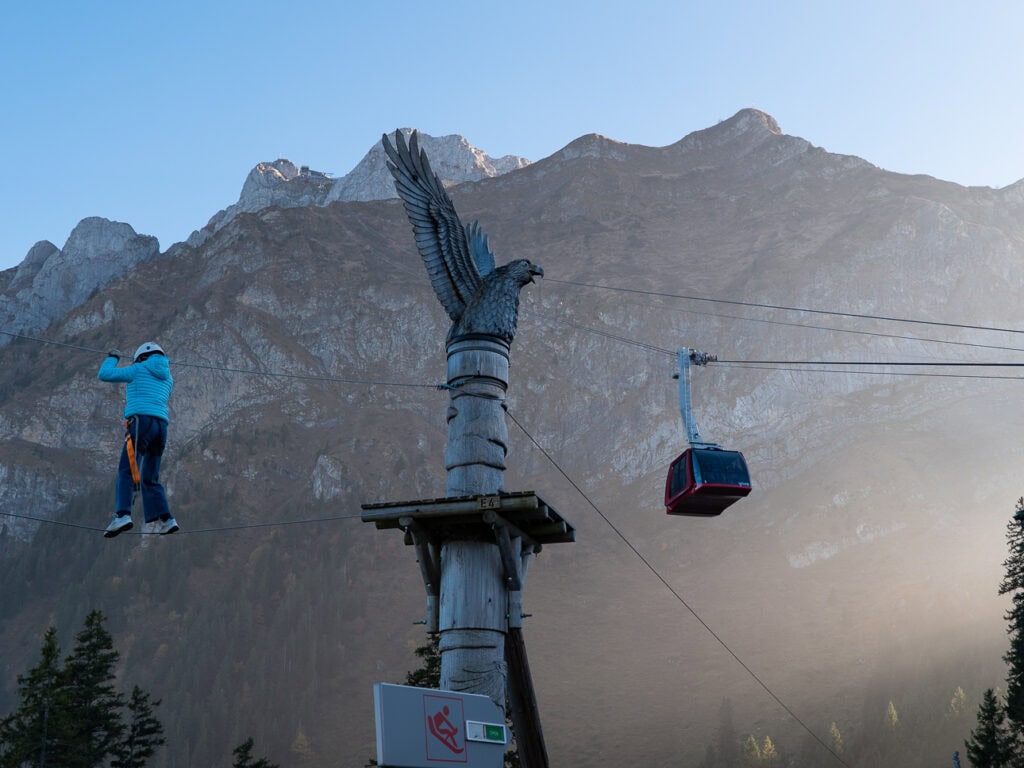
Pretty much all mountain tickets can be booked on the day, which means you can check the summit webcams in the morning (most operators have these on their website), see what the conditions are like up the top, and then decide what you’re happy to splurge on.
It’s one of the rare situations in Switzerland where making your plans l
ast minute is genuinely the smarter move.
The one exception is Jungfraujoch, Europe’s highest railway station, where reservations are mandatory in peak season so you need to book your spot ahead of time (1-2 days ahead is usually fine if you’re flexible on exact timing). Unfortunately it’s also the priciest excursion in the country (more than 260CHF full fare from Interlaken in summer 🤯) so committing to a date and getting hit with thick cloud is a trip-ruining mistake.
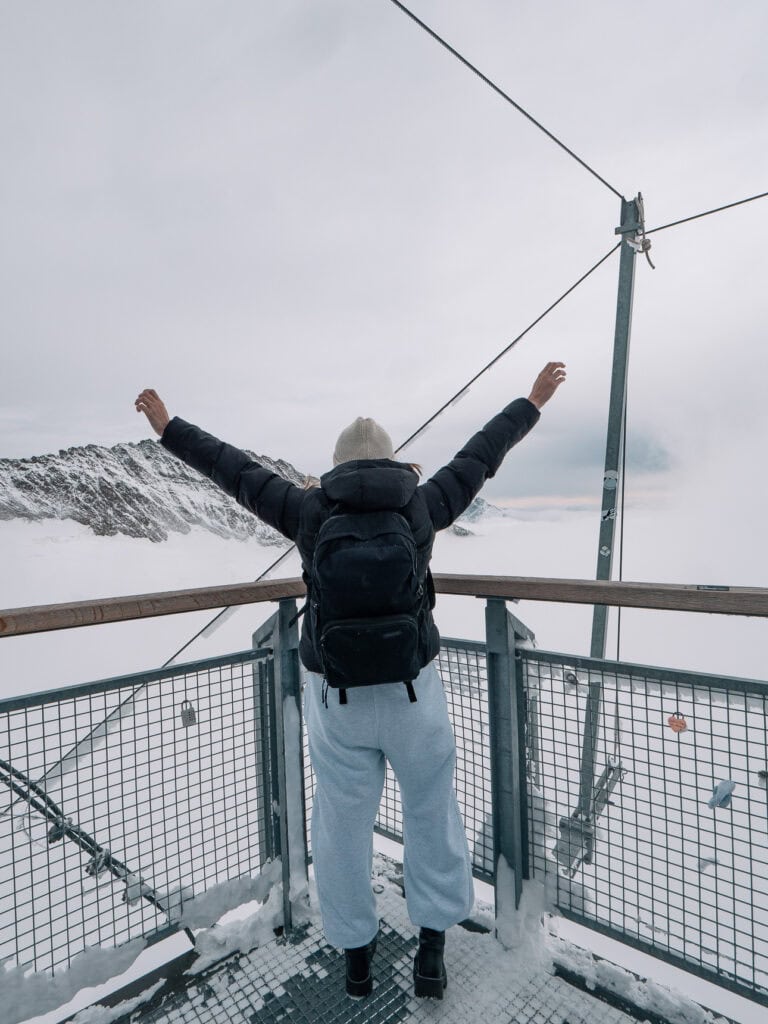
Luckily reservations are only 10CHF and you can book one separately to a ticket, so you could just lock in your seat and then only buy the full ticket after making sure the weather is going to play ball.
If this one’s a non-negotiable for you, consider getting a Jungfrau Travel Pass which gets you a sweet discount on the full journey and gives you a bit of flexibility to plan your mountains based on the weather.
8. Moving between regions too quickly
I know it’s tempting to visit as many places as possible in a country this well-connected and endlessly beautiful, but only spending a day or two in each region is one of the easiest ways to overspend without realising it.
Many of Switzerland’s popular tourist regions have their own travel pass that covers major cable cars and mountain railways within that area as well as local public transport, and you only get real value from them if you’re staying long enough to actually use them.
If you’re spending three or more days in one base and want to do multiple mountain trips, a regional pass will almost always beat individual tickets and will often beat the country-wide Swiss Travel Pass too.
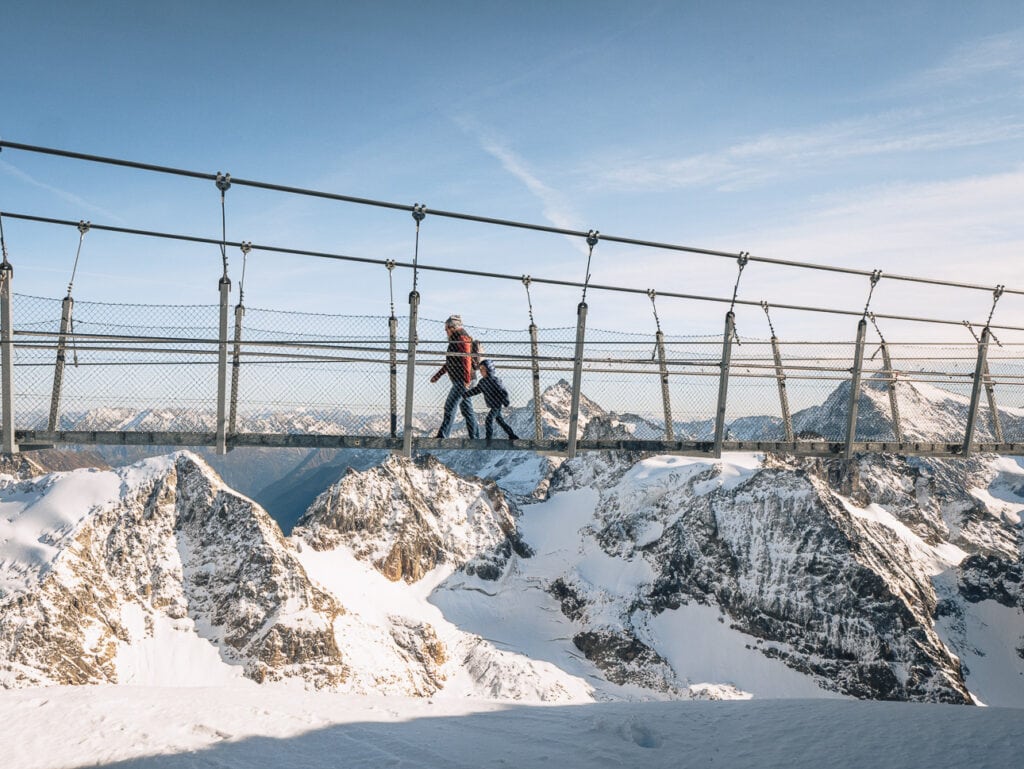
Getting full coverage of multiple mountains also helps lessen the risk of bad weather totally hampering your plans, particularly with the Lucerne Travel Pass which covers mountains on different sides of Lake Lucerne (so they often have very different conditions at the summit) or the Berner Oberland Pass which covers a massive area with 20+ mountains completely free.
If you’re pairing a regional deep dive with a lighter touch in other areas, you could still get a Half Fare Card to give you 50% off everything outside of the regional borders, and an HFC can sometimes bring the cost of the regional pass itself down too.
9. Not thinking about luggage logistics before booking where to stay
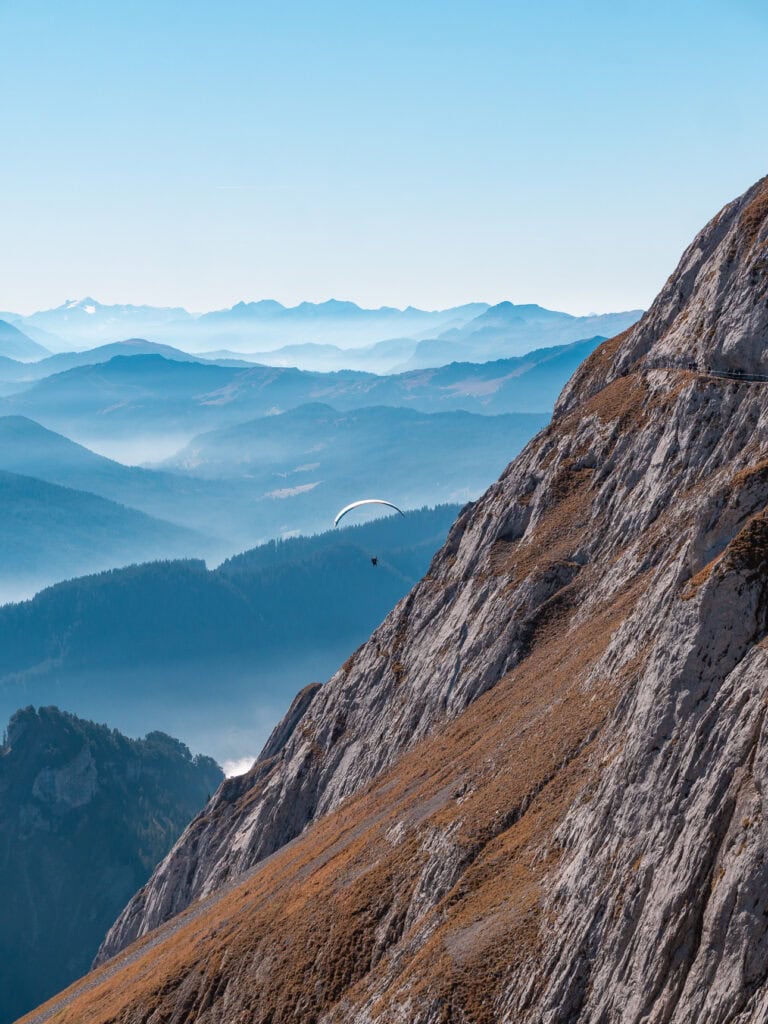
Arriving somewhere new by train is one of the joys of travelling Switzerland, riiiight up until you realise your accommodation is at the top of a hill or deep inside a cobblestoned old town and you’ve got 30kgs of stuff spread across three bags.
Checking how far your hotel, hostel or apartment is from the station before you book takes about thirty seconds and can save you a miserable arrival.
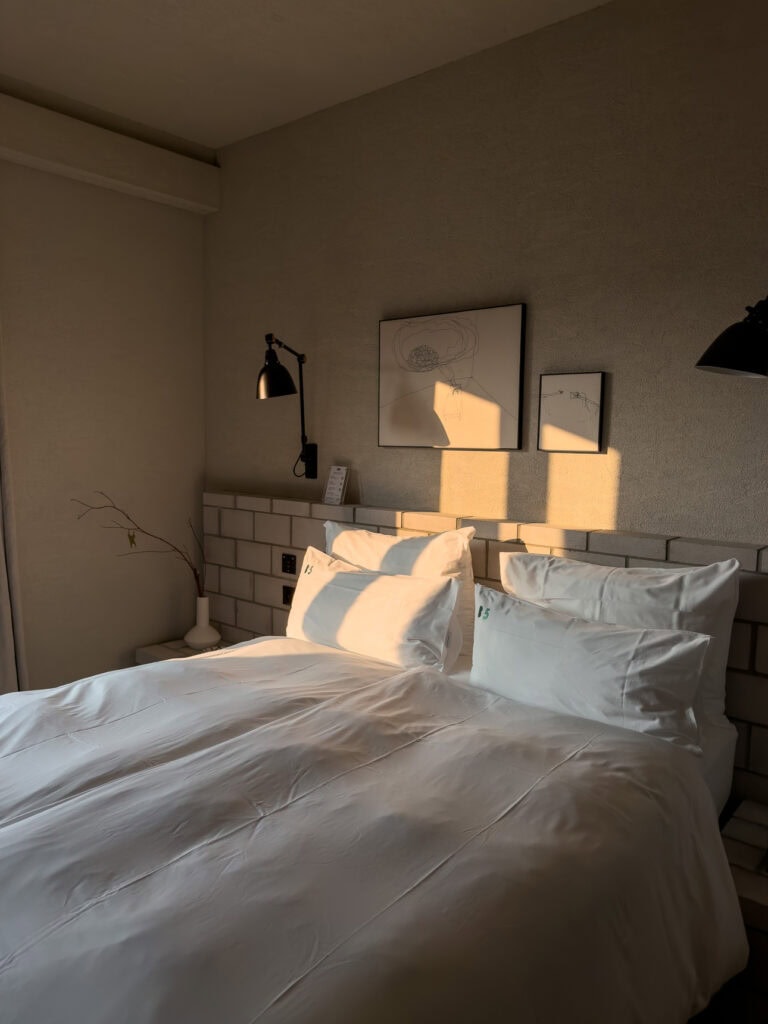
I’ve got a few easy-access options I can personally vouch for:
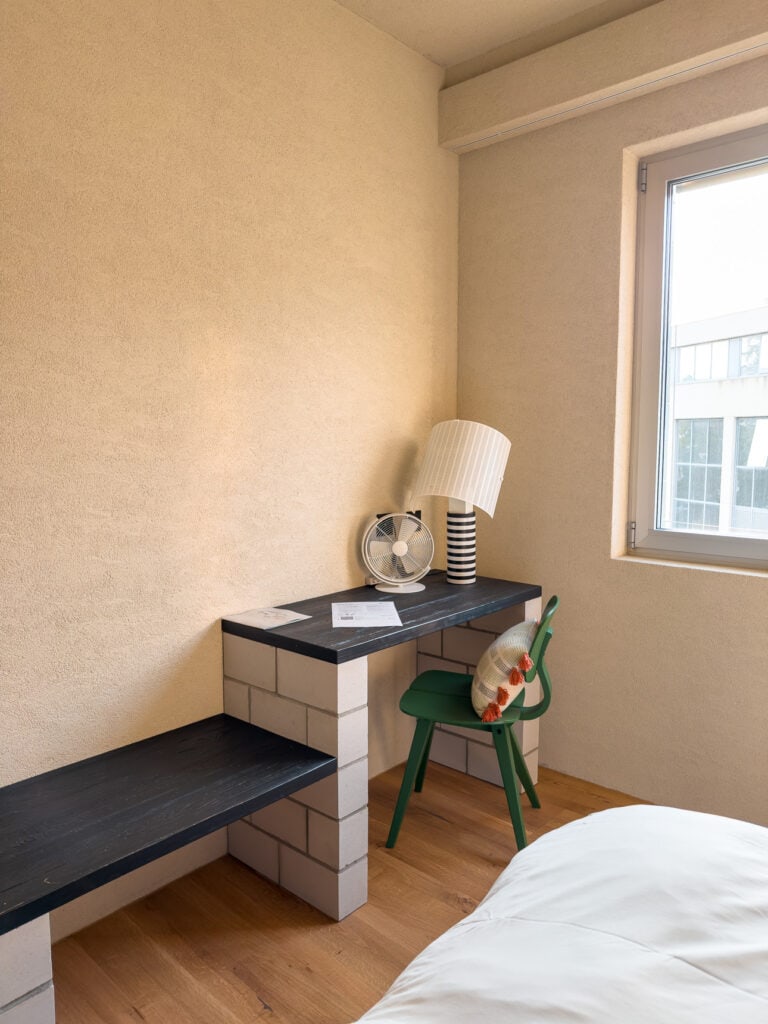
- B5 Boutique Hotel in Lugano is just a few minutes’ walk from the station and the Gotthard Panorama Express leaves from the platform closest to that side, so you don’t even need to use the elevator or tunnels. Couldn’t be easier!
- Lucerne Capsule Hotel (the Old Town one) is about 15 mins from the station on foot but it’s got suitcase-friendly footpaths the whole way, or there’s a bus stop right outside for door-to-door access
- 25hours Hotel Langstrasse in Zurich is a funky design hotel right by the main station
 B5 Hotel, Lugano
- B5 Hotel, Lugano
In mountain towns it’s even more important to keep this in mind when you lock in your plans, because what looks like an easy 500m walk on the map could actually be a painfully steep incline to drag a heavy bag up, or it might be genuinely unwalkable after a snow dump.
Many hotels can arrange transfers if you ask ahead, and it’s usually worth paying a bit extra for a convenient location or pick up service rather than leaving it up to chance in alpine conditions.
Some places I’ve stayed that offer this service:
- Hotel Zermama in Zermatt (which is car-free) has a super cute little electric tuktuk-looking-thing that’ll come and collect you from the station
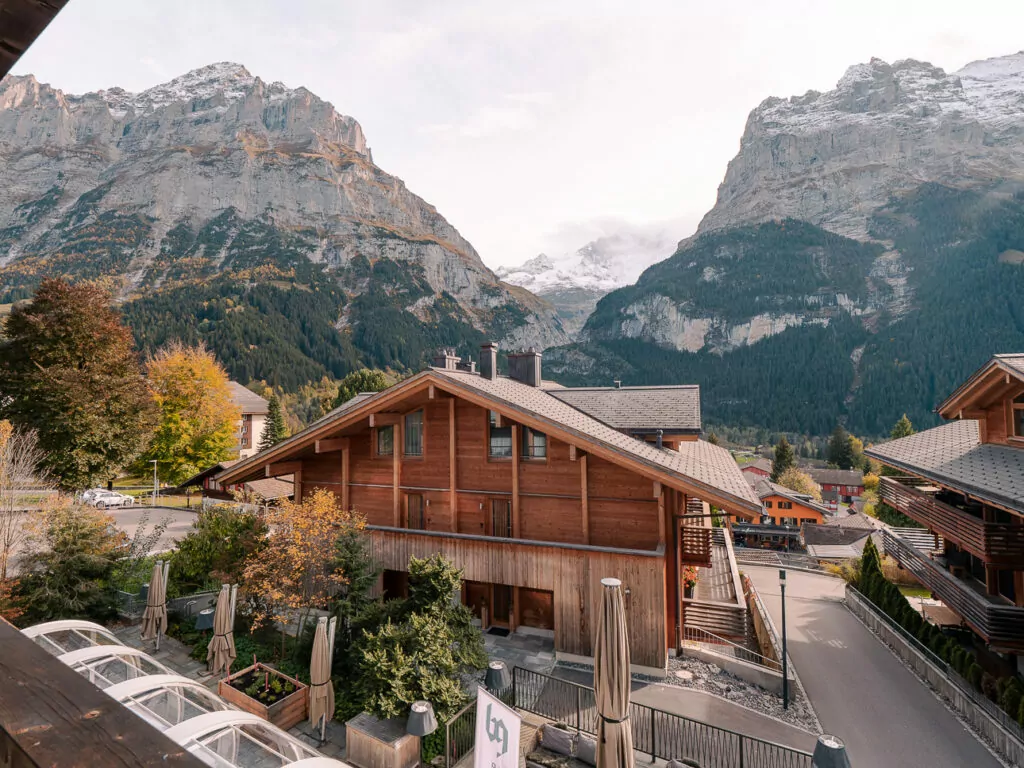
- Bergwelt in Grindelwald is just 10 mins from the station on foot but their transfer service saves a hilly walk
- Randolins in St Moritz is up on a hill with stunning lake views (especially from the century-old observatory I stayed in) but they run shuttles to and from town
10. Not checking whether my accommodation had a kitchen
Restaurant prices here can be absolutely wild, and eating out for three meals a day will chew through your budget far quicker than you realise.
I wouldn’t exactly say groceries are cheap in Switzerland, but cooking your own meals for at least some of your trip can be a massive help for keeping your total spend within budget.
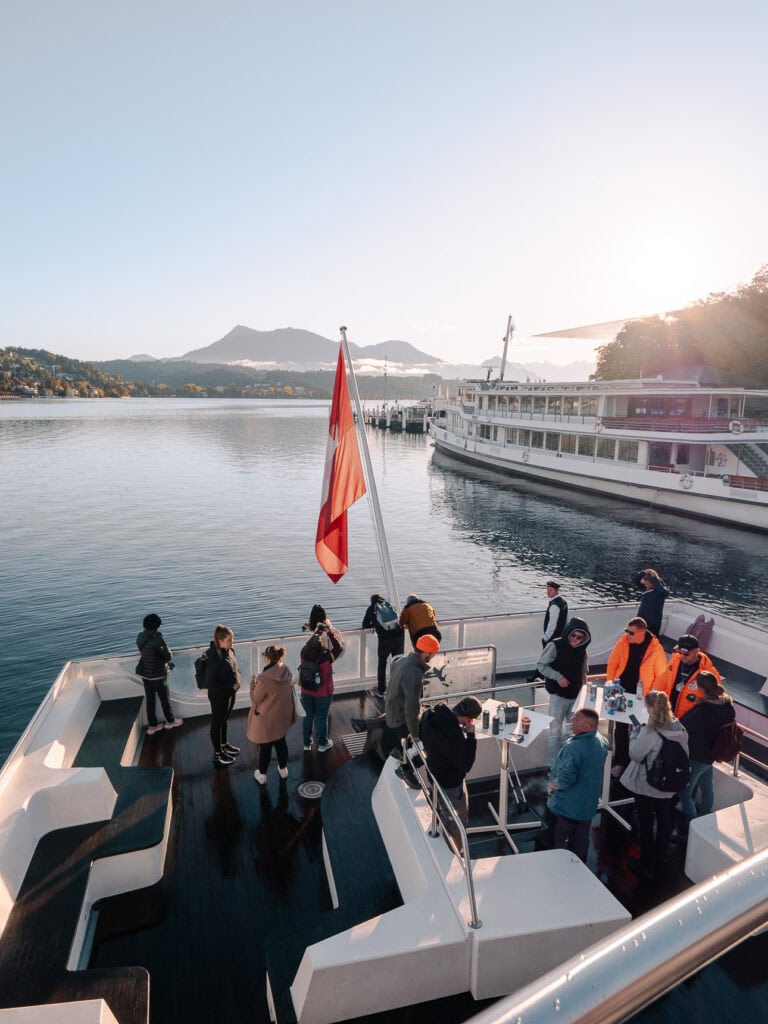
Migros and Coop are the main supermarket chains and you’ll find at least one (or a mini one) in every town you visit, plus they have solid grab-and-go options if you’re between side quests and just need a quick bite to avoid a ridiculously expensive plate of fries up a summit.
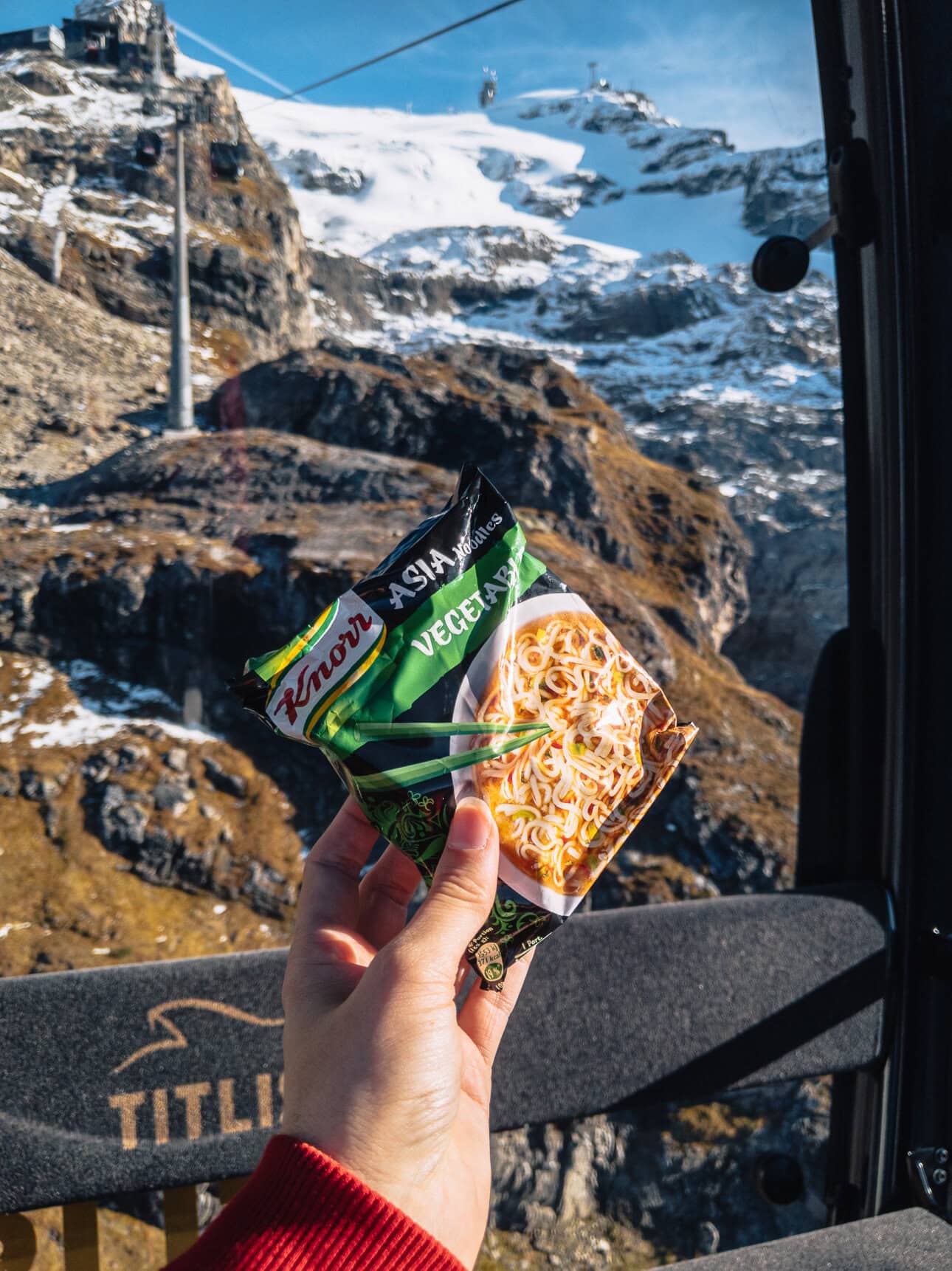
One important thing to realise though is that not all hostels have kitchens, and some hotel rooms don’t even have fridges for you to chill yoghurt, milk or cold cuts for hiking lunch sandwiches. Check before you book if this is something you’re relying on, otherwise you might be stuck eating dry packets of noodles for sustenance (speaking from experience 🙃).
11. Being underprepared for the weather
Monthly average temperatures or estimated snowfall are basically useless for packing for a Switzerland trip, because alpine weather can change drastically from day to day or even hour to hour.
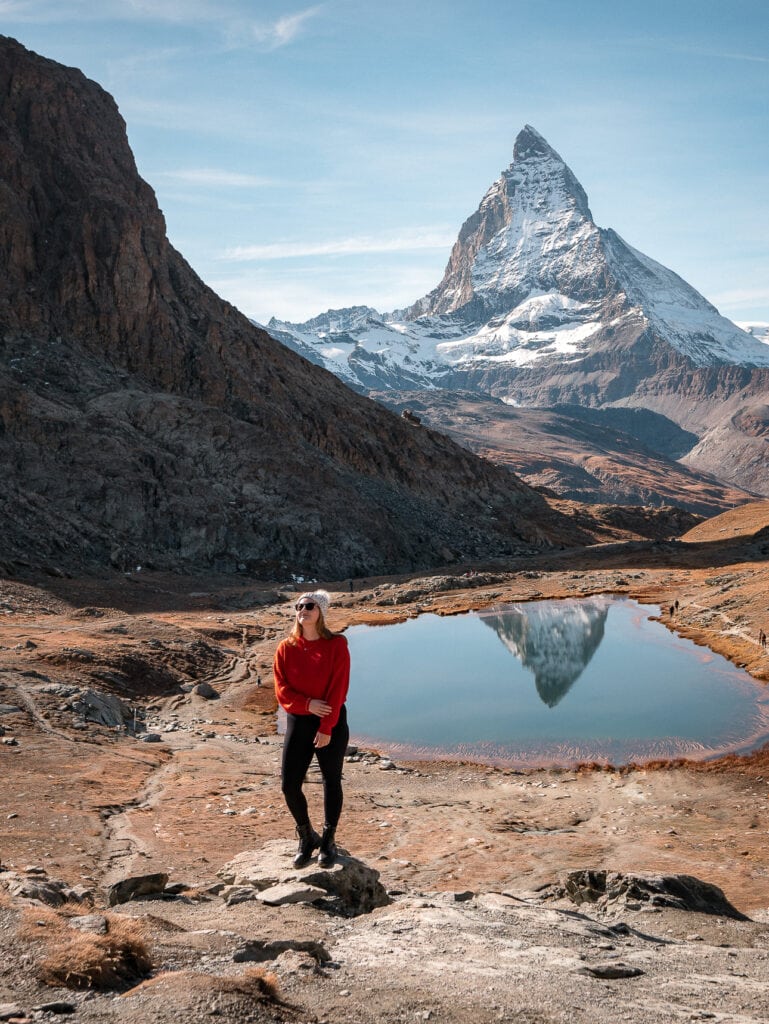
My first trip to Zermatt was in late October one year and it was gloriously sunny the whole time, I spent my days in the mountains in just a light jumper.
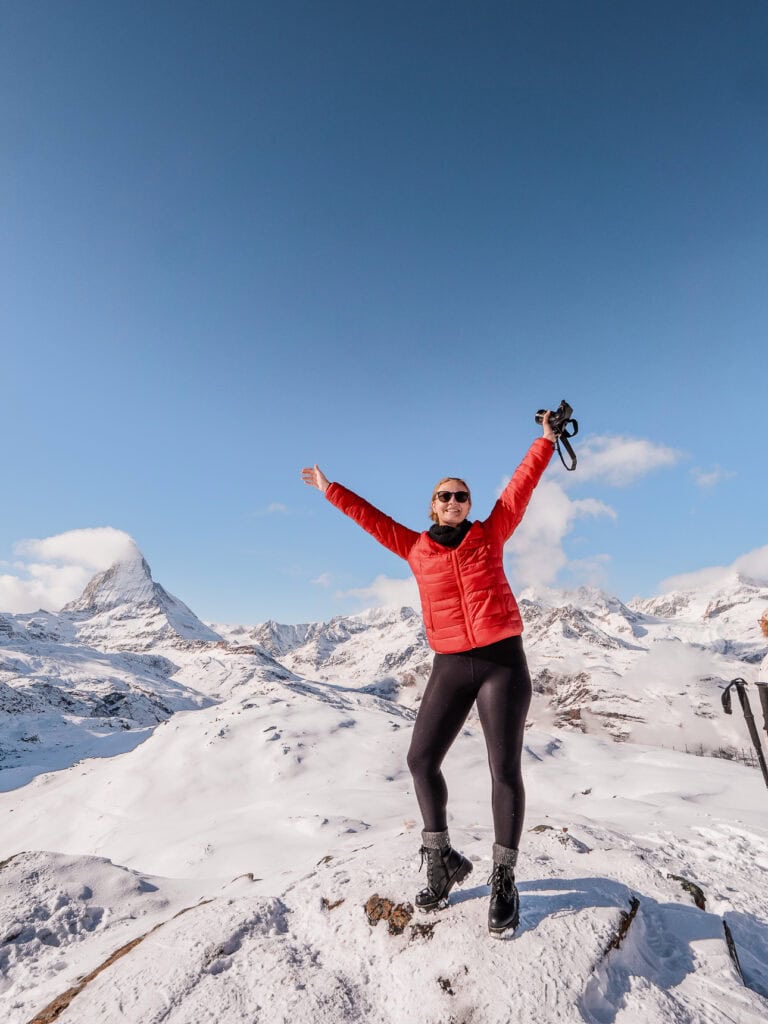
The following year I went back just one week later in the calendar and it was an absolute winter wonderland, covered in snow, and I had to pay a horrendous amount of money for last-minute winter shoes because I’d packed for the trip I’d had the year before.
 Late October one year
- Start of November the next year!
Always pack layers regardless of when you’re visiting, always bring a decent raincoat and wet-weather-friendly boots, and pack something warm in your day bag if you’re heading out for some adventures.
12. Keeping all my cards in one wallet (a cautionary tale)
Losing your card while travelling is stressful enough.
Losing access to all your money while travelling solo in the most expensive country on the planet is something else entirely. 0/10, would not recommend.
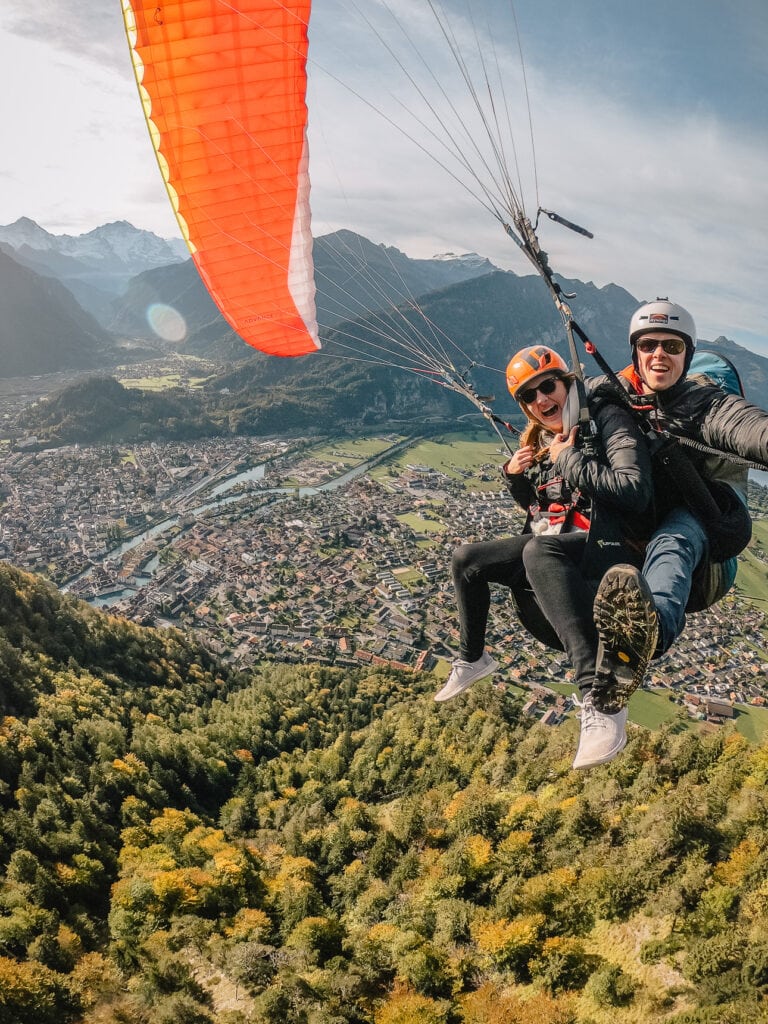
I lost my wallet in Interlaken but I didn’t notice until I went to pay for my fondue dinner at the very end of a full day of exploring, so I had absolutely no idea where it was, and omg chaos ensued.
Did I have a backup card and emergency cash in my suitcase like you always should? Nope, I did not.
The first thing I did was to contact my bank to put a block on my card, but as soon as I said it was missing, my bank froze the entire account, which meant I couldn’t even use Apple Pay. That was literally the only access I had to money.
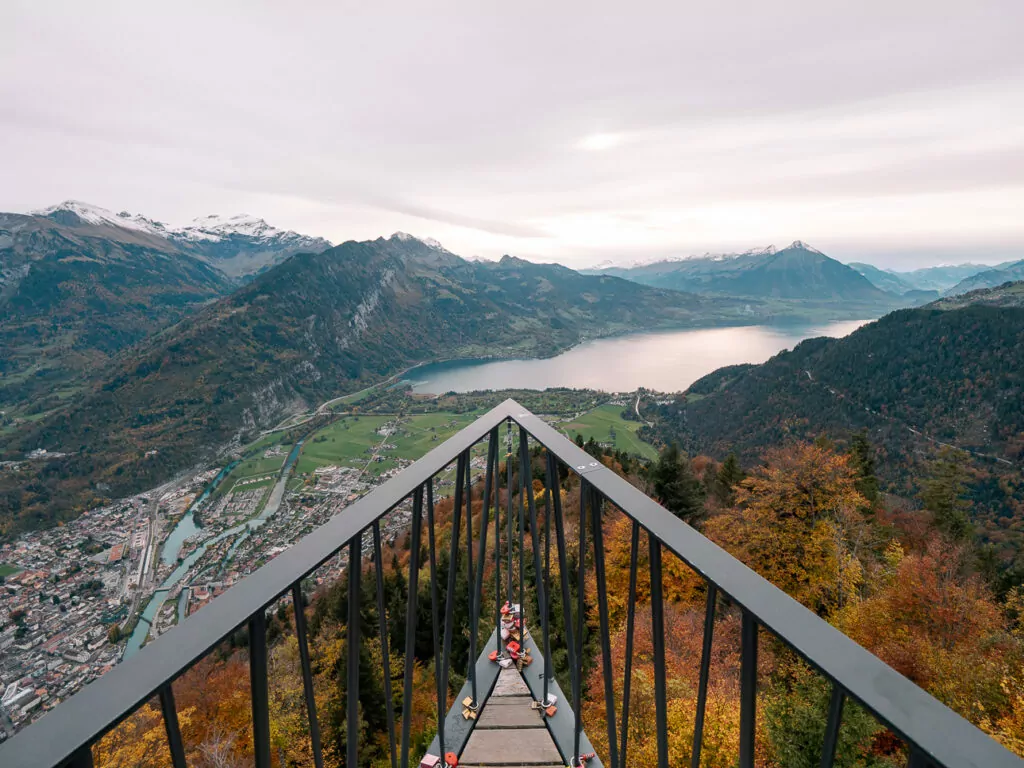
My hostel keycard was gone with my wallet and I couldn’t pay for a new one, it was a Friday night of a public holiday weekend so even the Western Union wasn’t open for a few days, and I spent the night hopping between every bar in town asking strangers if they had a Monzo account so I could do an immediate transfer and get cash out, with everyone looking at me like I’d completely lost the plot. No luck.
I barely slept and then got up first thing the next morning to retrace my steps all around the lake, and as I was leaving the hostel an employee ran after me with my wallet in her hand!!!!
A bus driver had found my wallet on her bus that morning with my hostel keycard still inside, and she’d detoured off her route to drop it back at the hostel 😭 I cried with relief, immediately split my cards across different bags so that never happens again, and as soon as the Lindt store opened I bought a huge box of chocolates and dropped them off at the station for the lovely driver who saved my trip.
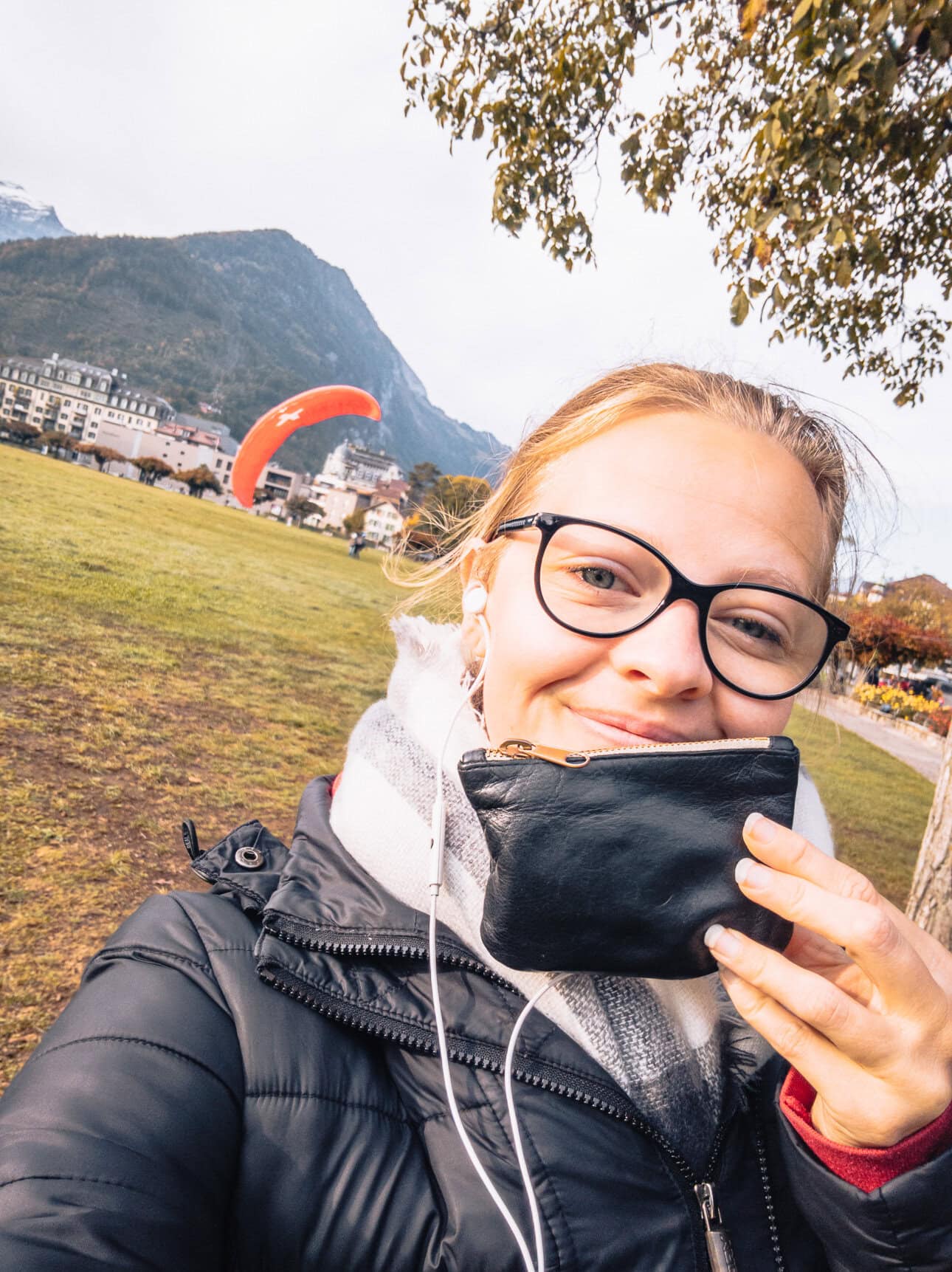
The lesson is so simple: never travel with all your money in one place, because there are lots of countries in the world where a bus driver wouldn’t do what my one did! Have at least one backup card somewhere separate from your main wallet, carry some emergency USD/EUR/GBP (the easiest currencies to exchange) and get an AirTag for your wallet so you always know where it is.
Hopefully this post saves you at least a fondue dinner’s worth of unnecessary spending and stress!
Switzerland has a bit of a reputation for being a destination that requires a bottomless budget, and while the that’s unfortunately not entirely untrue, some simple strategies like finding the right accommodation, booking at the perfect time and choosing the most effective travel pass can really make all the difference with keeping your travel funds in check.
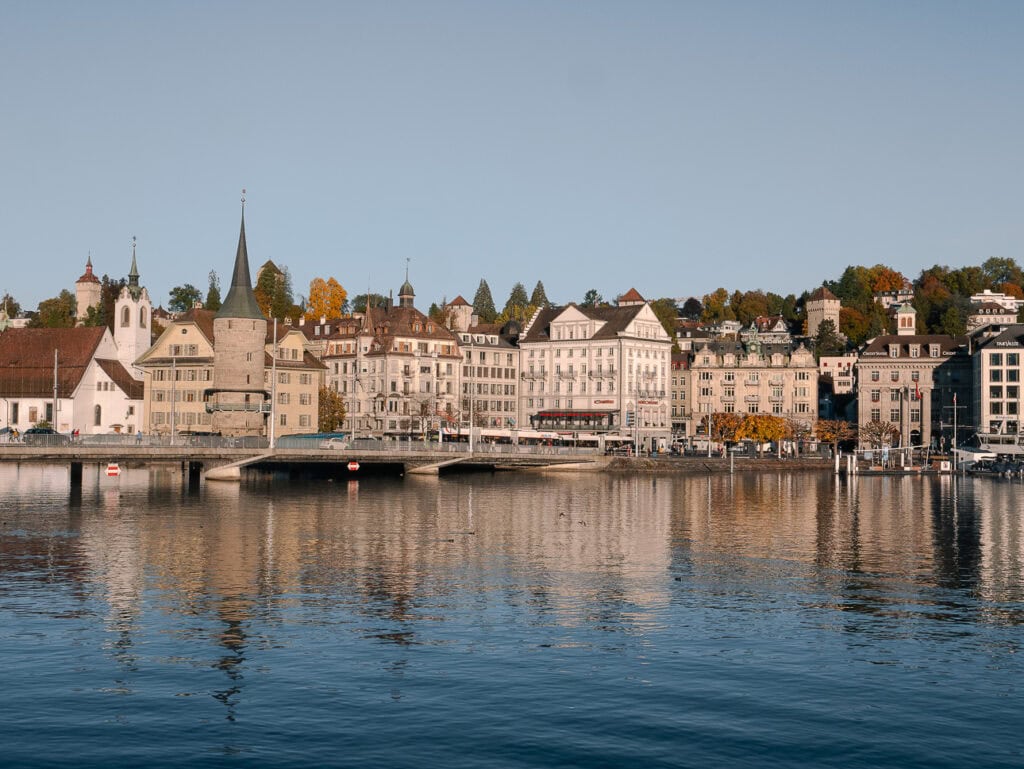
If you’re at the very beginning of planning your Switzerland trip, the next logical step is to figure out your itinerary and then choose your travel pass:
- Start with my 5-day Switzerland itinerary, go for the 10-day one if you’ve got more time, or check out my Switzerland & Northern Italy itinerary for 1, 2 and 3 week options across both countries
- Scroll through the most beautiful places in Switzerland and make sure you pin any that catch your eye to your map
- Check out my photos from the magical Glacier Express, Bernina Express and Gotthard Panorama Express journeys to choose which one (or ones) you want to do
- Read about all the Switzerland travel passes that could save you serious cash or use my free calculator to plug in your route and see which one is best
- Choose your accommodation with the help of my guides on where to stay in Lucerne and where to stay in Grindelwald (with more in the works!)
MY GO-TO TRAVEL PLANNING RESOURCES
Flights ✈️ I use Skyscanner to find the best flights for my trip and then I’ll always book direct with the airline to protect myself from having to deal with dodgy third parties if anything goes wrong.
Trains 🚂 If I’m travelling through Europe, I try to travel by train wherever possible! For an extended trip (2+ weeks) I’ll calculate if a Eurail Pass is worth it, or I’ll book point-to-point tickets through RailEurope or the local train operator.
Accommodation 🛎️ I book almost all of my accommodation through booking.com, they have a user-friendly website + app and many of their options are free cancellation, easily cancelled with a simple click of a button.
Activities 🗽I use GetYourGuide, Klook and Viator to look for activities in the places I visit, or I just Google ‘things to do in [city]’! P.S. If you book anything on Klook you can use the promocode FINDINGALEXXKLOOK to get 10% off
Travel cards 💳 I’m a Wise gal through and through, they’ve been my chosen travel card for more than five years now. You can easily top up your card from your bank account or through Apple Pay, convert your money to local currency, and spend money with minimal fees and the best exchange rates around.
Travel insurance 🩺 I use Cover-More NZ travel insurance for my own trips, I have a comprehensive policy and I’ve only had good experiences with them. Cover-More also has an Australian company, but if you’re from elsewhere then two popular insurance options for global travellers are SafetyWing (cheaper policy, lower coverage) and World Nomads (more expensive but significantly better coverage).
Luggage 💼 I travel with Samsonite Cosmolite suitcases, one 75cm check in bag and a 55cm carry on bag, and I absolutely adore them and will never travel with anything else! They are SUPER lightweight (2.8kg and 1.9kg respectively) so I have much more space for my actual stuff.
Camera gear 📸 I use a iPhone 15 Pro Max for phone photos/videos, and my camera kit includes a Lumix S9 (incredible lightweight full-frame camera, a game changer for travel creators!) with a 20-60mm lens, a Lumix G9 with an 8-18mm and 12-60mm lens, a DJI Mini 3 Pro drone and a GoPro Hero 10. I do all my writing and editing on my ASUS Zenbook 14, it’s lightweight but powerful enough for photo editing and intense blogging sessions.
